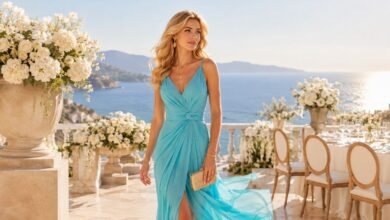
What Does Cocktail Attire Mean for a Wedding? A Clear Guest Dress Code Guide

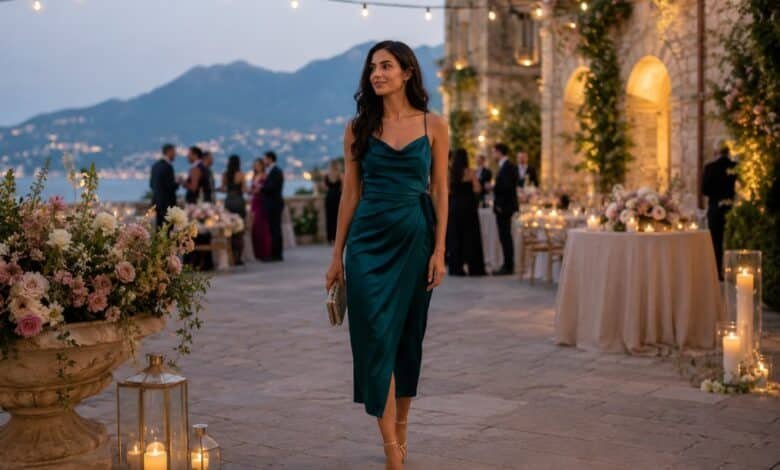
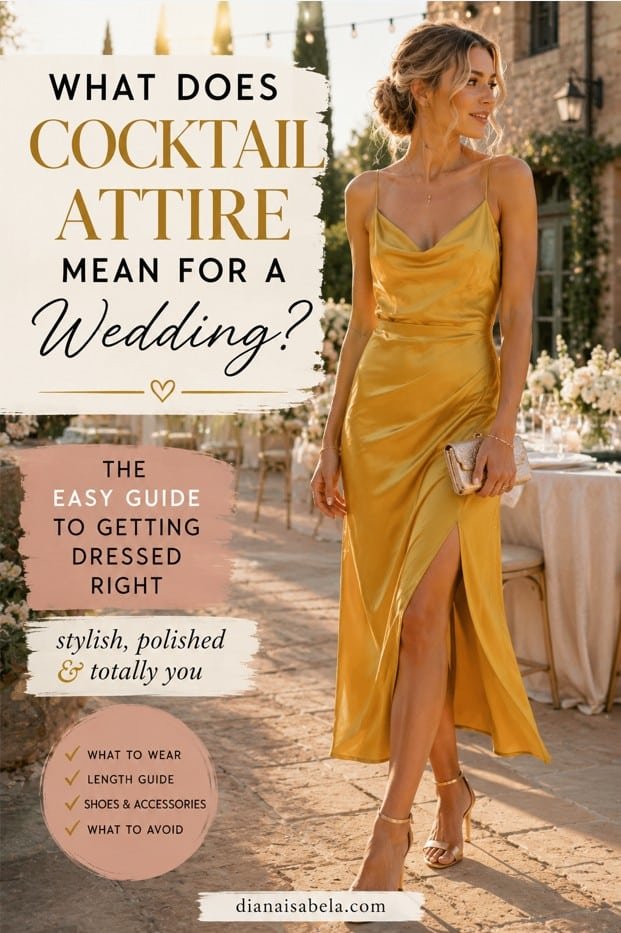
Cocktail attire for a wedding means dressed-up, polished, and festive — not ballroom formal and not “nice brunch.”
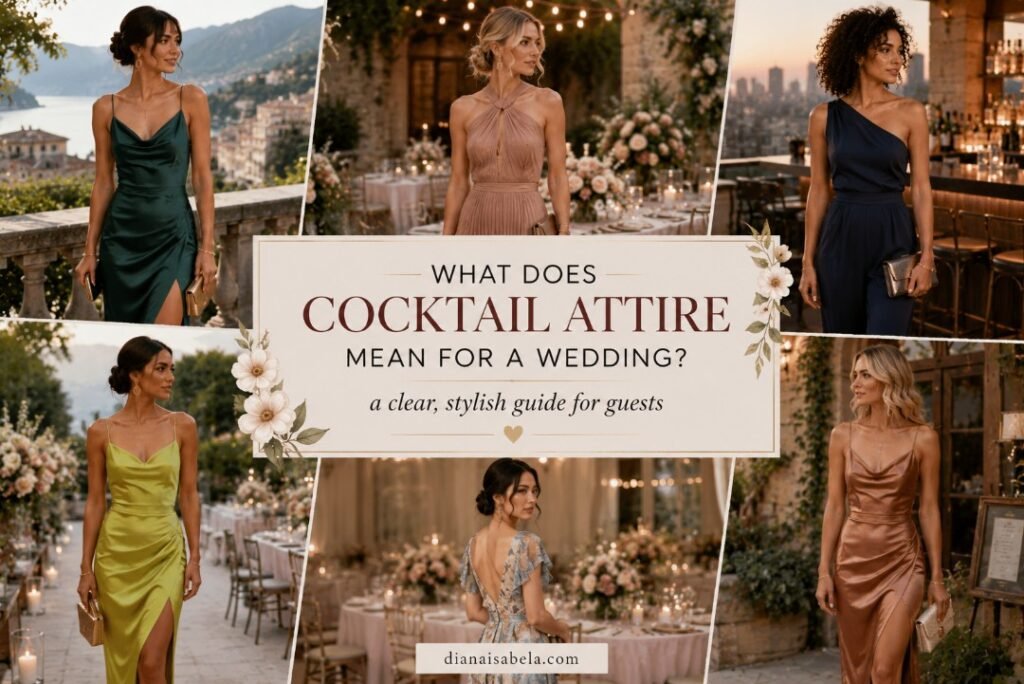
If a wedding invitation says cocktail attire, it is asking you to look elegant without arriving as if you are accepting an award. Think refined party dressing: a chic midi dress, a polished mini if the setting allows, a sleek jumpsuit, a dressy suit, beautiful shoes, intentional accessories, and fabric that feels special enough for a celebration.
The confusing part is that cocktail attire sits in the middle. It is dressier than semi-formal in many real wedding situations, but less dramatic than black tie. It wants effort, but not theatrical effort. It wants a look that can handle champagne, speeches, photos, a dance floor, and someone’s aunt judging the shoe choice from across the room.
So no, cocktail attire does not mean you must wear a tiny black dress. It means your outfit should feel evening-aware, wedding-appropriate, and polished from head to toe.
Cocktail attire means: look like you tried, but not like you are trying to compete with the wedding cake, the floral installation, or the bride’s entrance. Elegant, edited, celebratory.
The cocktail dress code lives between “pretty guest” and “formal guest”
Wedding dress codes are not always neat. One couple’s cocktail wedding is a rooftop reception with martinis and city lights. Another couple’s cocktail wedding is a garden ceremony followed by dinner under string lights. Same words. Different room.
The invitation gives you the starting point; the venue, time, season, and couple’s style finish the sentence. Cocktail attire is not just a dress length. It is a level of polish.
Cotton sundress, beach cover-up shape, jersey basics, everyday sandals, casual linen that wrinkles instantly, denim, or anything that looks like lunch rather than a wedding.
Midi dress, polished mini, satin slip, structured jumpsuit, elegant separates, dressy heels or refined flats, clutch, jewelry, and fabric with some occasion energy.
Full ballgown, dramatic train, heavy evening gown, opera-level sparkle, tuxedo-level styling, or anything that feels more black tie than cocktail.
Quick guest test: if the outfit would feel normal at a nice dinner, but still special enough for wedding photos, you are probably close. If it would also work for errands, no. If it needs a red carpet, also no.
What women can wear for cocktail wedding attire
The most reliable choice is a dress that lands around knee, midi, or ankle length, depending on the venue. A polished mini can work for city weddings, rooftop receptions, and modern evening events, but it needs elegant styling and a shape that does not feel clubby.
A jumpsuit can also be excellent. So can a dressy skirt and top, if the pieces look intentional together. The outfit should not look like separates you grabbed because the dress was in the wash.
The safest cocktail choice. Satin, crepe, chiffon, pleats, lace, or a strong neckline can make it feel polished without overdoing it.
Works best for modern city, rooftop, or evening weddings. Balance the shorter hem with refined fabric, elegant shoes, and controlled accessories.
Great when the cut is sharp and the fabric is elevated. Add jewelry, a clutch, and shoes that clearly say “wedding,” not office presentation.
A silk skirt with a beautiful top, a tailored trouser with a dressy blouse, or an elegant set can work when the styling feels complete.
One strong detail — color, sleeve, neckline, texture, print, or drape — can make a cocktail look memorable without making it loud.
A slip can work beautifully if it is styled up with polished shoes, jewelry, a refined bag, and the right undergarments. Otherwise it may feel unfinished.
When the invitation says cocktail, start with the dress code — then style for the venue
For outfit examples, the most direct next step is the guide to cocktail wedding guest dresses. That page is better for dress ideas; this one is here to decode what the words on the invitation actually mean.
What men can wear for cocktail wedding attire
For men, cocktail attire usually means a suit or a very polished jacket-and-trouser combination. A tie may be expected at more traditional weddings, but not always. The safest move is a tailored suit, dress shirt, smart shoes, and accessories that match the formality of the venue.
Navy, charcoal, dark green, brown, black, or deep seasonal tones can all work. For daytime or warm-weather cocktail weddings, lighter suiting can make sense if the fabric still looks refined.
A darker suit, polished shoes, dress shirt, and tie or pocket square usually looks right. This is not the moment for sneakers unless the couple’s style is very clearly modern and relaxed.
A lighter suit, breathable fabric, dress shirt, loafers, and subtle accessories can work. It should still feel dressed-up, not business casual.
A velvet jacket, interesting shirt, textured suit, or richer color can be stylish if the venue supports it. Keep the fit sharp so it looks intentional.
Length matters, but not in the way people think
Cocktail does not require a short dress. That old idea refuses to retire, but it should. A midi dress is often the most elegant cocktail option, especially for weddings. A maxi can work if it is not too formal or gown-like. A mini can work if it looks chic rather than nightclub.
The real question is not “Is the hem cocktail?” It is “Does the whole outfit feel like a polished wedding guest look?” A knee-length dress in cheap fabric can look less appropriate than an ankle-length satin slip styled beautifully.
Cocktail attire is about proportion: dressy enough for the celebration, relaxed enough that you are not wearing black-tie drama to a champagne-and-dance-floor reception.
Fabrics that usually read cocktail
Fabric is the fastest way to move an outfit up or down. Cotton jersey feels casual. Satin feels dressier. Crepe feels polished. Chiffon feels romantic. Lace can work if it is not bridal. Velvet is excellent for cooler months. Sequins can work, but the level of shine needs to match the wedding.
A satin dress can be very cocktail, especially for evening. For a deeper dive into that fabric, the guide to satin dresses for wedding guests explains how to keep shine elegant instead of slippery, wrinkly, or too lingerie-coded.
Easy cocktail fabrics: satin, crepe, silk, chiffon, velvet, jacquard, lace, pleats, subtle sequins, polished knit, or structured fabric with a clean shape.
Harder fabrics: casual cotton, thin jersey, beach linen, sweatshirt-like knit, flimsy rayon, or anything that looks like it came from the “summer errands” section of the closet.
Best colors for cocktail wedding attire
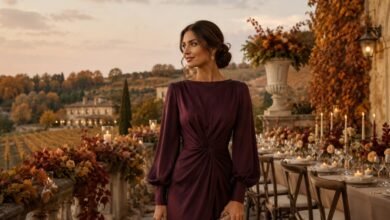
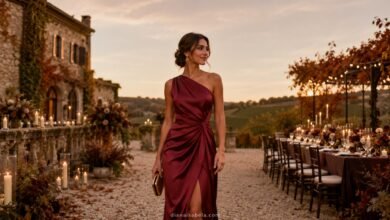
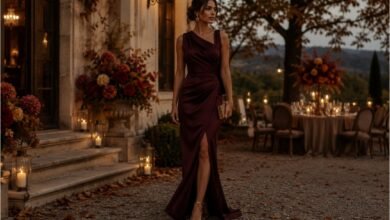
Cocktail attire gives you room to wear color. Black, navy, emerald, burgundy, plum, chocolate, red, rose, teal, metallics, florals, and soft jewel tones can all work. The trick is matching the color to the wedding mood.
A city evening wedding can handle black satin, emerald crepe, or a burgundy midi. A garden cocktail wedding may feel better with floral chiffon, blue, soft green, or a romantic print. Metallics can be gorgeous, but pale champagne or bridal-leaning shades need caution.
If you are tempted by warm metallic shine, read the rose-toned metallic guide before committing to a pale dress: rose gold looks for wedding guests can be beautiful, but the shade must not drift into bridal territory.
Shoes, bags, and jewelry: the finishing tells everyone you understood the assignment
Cocktail attire usually needs dressier shoes and a smaller bag. That does not always mean high heels. Dressy flats, kitten heels, block heels, slingbacks, elegant sandals, loafers, and polished pumps can all work when they match the outfit and venue.
The bag should feel intentional: clutch, mini bag, satin bag, beaded bag, metallic piece, structured small bag. A large day tote will make even a good dress look like it is attending the wedding on its lunch break.
Heeled sandals, slingbacks, pointed pumps, kitten heels, dressy flats, metallic shoes, or elegant block heels. Choose based on venue terrain, not fantasy.
Oxfords, loafers, dress shoes, polished boots, or refined evening shoes. The shoes should look intentional with the suit, not like the practical pair by the door.
Jewelry, clutch, pocket square, tie, belt, watch, hair styling, and makeup should make the look feel finished. Not overloaded. Finished.
How cocktail changes by venue
This is where people get stuck, because the same dress code can look different in different rooms. A cocktail look for a hotel ballroom is not identical to cocktail attire for a vineyard terrace. The polish level stays; the texture changes.
Hotel or ballroom
Choose richer fabric, darker color, metallic accents, satin, crepe, velvet, or a polished midi. This setting can handle more evening energy.
Garden or outdoor venue
Pick movement, color, florals, dressy block heels, refined flats, or fabrics that will not fight grass, heat, or wind.
Rooftop or city venue
Sleek silhouettes, black, navy, red, metallics, sculptural jewelry, and modern shoes all make sense here.
Vineyard or countryside
Try warm colors, olive, burgundy, floral prints, satin midi dresses, pleats, or polished earth tones with practical shoes.
Cocktail and semi-formal are cousins, not twins
If the invitation feels slightly more relaxed, compare the mood with semi-formal guest outfit ideas. Cocktail usually asks for a little more polish, more evening energy, or more intentional styling than many semi-formal weddings.
Things that often miss the cocktail mark
The easiest way to get cocktail attire wrong is to land too far on either side. Too casual looks like you did not understand the invitation. Too formal looks like you are attending a different event with a violin soundtrack.
Everyday casual
Simple jersey dresses, casual sandals, cotton sundresses, denim, oversized totes, and anything that feels like vacation breakfast.
Too revealing
Very short, very sheer, very low, or heavily cutout pieces can feel wrong for family-centered weddings, even if they are technically dressy.
Too bridal
White, ivory, bridal lace, pale champagne satin, or anything that could cause a confused glance in photos.
Too gala
Full gowns, trains, heavy beading, dramatic ball skirts, and formalwear that belongs at black tie rather than cocktail.
For the bigger guest outfit boundaries, especially white, bridal-adjacent colors, overly casual pieces, and attention-stealing choices, use the guide on what guests should avoid wearing.
A practical way to build the outfit in five minutes
Start with the venue. Then the time. Then the season. Then the couple’s style. Then your comfort. In that order. Your favorite dress still has to survive the actual wedding.
Hotel, rooftop, vineyard, garden, restaurant, estate, beach, city hall — the location tells you how polished, practical, or romantic the outfit should be.
Evening cocktail can be darker, sleeker, and shinier. Daytime cocktail usually needs lighter fabric, softer color, or less dramatic styling.
Satin fabric, a strong color, a beautiful neckline, metallic shoes, a sculptural earring, or a refined clutch. One good detail is better than seven nervous ones.
Sit down. Walk. Dance a little. Check the shoes. Check the straps. Check that the bag fits what you need. Fashion is lovely, but weddings are long.
When cocktail attire starts looking closer to formal
Some weddings say cocktail but feel more elevated because of the venue, guest list, evening timing, or invitation design. A black-tie optional hotel wedding and a cocktail rooftop wedding are not the same, but they can overlap.
If the event feels more luxurious, compare your outfit with more polished formal wedding guest looks. The goal is not to overdress; it is to avoid looking undercooked in a very elegant room.
The honest answer: cocktail attire means “make it look intentional”
People panic over cocktail attire because it sounds vague. But the dress code is actually asking for something simple: a guest outfit with shape, polish, and celebration energy.
Not casual. Not bridal. Not black tie. Not nightclub. Not office. Somewhere in that stylish middle where the dress, shoes, bag, and accessories look like they were invited to the same wedding.
For the wider dress-code map, start from the main wedding guest dress guide and then narrow by formality, season, venue, and color.
Cocktail attire is the art of looking dressed-up without looking dramatic.
For a wedding, cocktail attire should feel polished, festive, and appropriate for the setting. Choose a dress, jumpsuit, suit, or separates that look intentional. Add shoes that make sense. Finish the outfit. Then stop before it becomes a production.
The best cocktail wedding guest look says, “I understood the dress code,” not “I spent four hours arguing with my closet and everyone can tell.”
FAQ