Wedding Guest Dresses: The Complete Style Guide
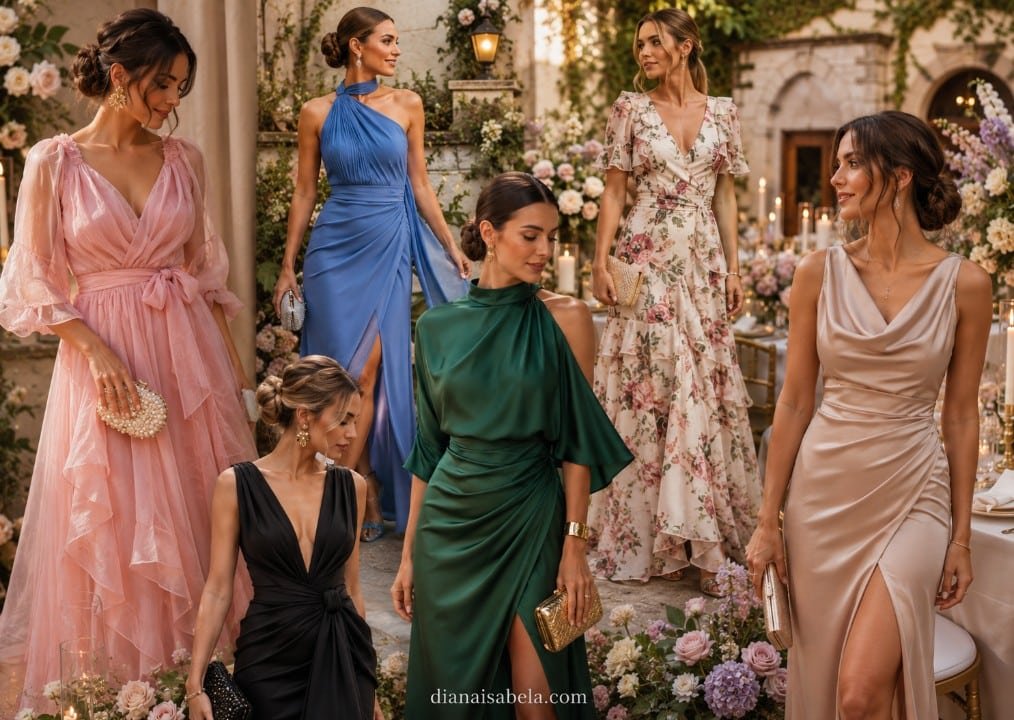
Wedding guest dresses that look beautiful, appropriate, and never bridal by accident.
A wedding guest dress has a very specific job. It should look polished, flattering, and special, but it also has to respect the couple, the dress code, the venue, the season, and the fact that someone else is having their big cinematic moment.
This is the main wedding guest dresses guide: a practical style hub for choosing what to wear to a wedding as a guest, how to read the invitation, which colors feel safe, how formal the dress should be, what shoes and accessories finish the look, and what to avoid when the outfit starts trying a little too hard.
What wedding guest dress should you wear?
The best wedding guest dress matches the dress code, venue, season, and level of formality while avoiding white, ivory, cream, bridal-looking champagne, overly casual styling, and anything that pulls attention away from the couple.
When in doubt, choose a polished midi dress or refined longer dress in a guest-safe color such as navy, sage, rose, blue, green, burgundy, black, floral, or another shade that fits the wedding mood. The dress should feel special enough for the celebration, comfortable enough to sit and dance in, and practical enough for the venue.
A beautiful wedding guest outfit is not only about the dress. Shoes, bag, jewelry, hair, fabric, layers, and movement all decide whether the look feels elegant in real life. A dress that works only in a mirror but fails on grass, in heat, in church, on stairs, or after one hour of sitting is not the right dress.
How to choose a wedding guest dress in 5 steps.
Choosing a wedding guest dress becomes much easier when you stop shopping randomly and read the event first. The invitation gives you the formality. The venue gives you the practicality. The season gives you the fabric and color mood. The etiquette rules tell you what to avoid. Then the styling turns a pretty dress into a complete outfit.
Read the dress code
Casual, semi-formal, cocktail, formal, black tie optional, and black tie all require different dress lengths, fabrics, shoes, bags, and levels of polish.
Match the venue
A garden wedding, beach ceremony, church service, rooftop reception, barn celebration, vineyard dinner, and city hall wedding do not ask for the same dress.
Dress for the season
Spring likes softness, summer needs breathable elegance, fall loves depth and texture, and winter rewards satin, velvet, coats, sleeves, and evening polish.
Choose a safe color
Avoid bridal shades unless requested. Choose color with the wedding mood in mind: soft, rich, romantic, sleek, formal, fresh, or destination-ready.
Finish the outfit
Shoes, bag, jewelry, wrap, hair, and comfort matter. A dress is not truly styled until it can survive the actual ceremony and reception.
Start with these wedding guest dress guides.
These are the first pages to open when you need the outfit logic before choosing a specific dress. They explain what guests should wear, how to build a complete look, and where the etiquette lines are.
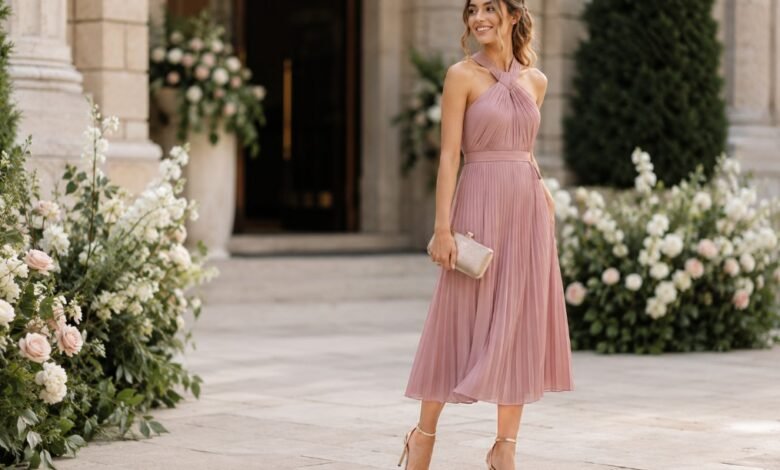
What to Wear to a Wedding as a Guest
The clean overview for dress codes, venues, seasons, colors, shoes, accessories, and how to make the outfit feel appropriate without becoming boring.
Read the guest outfit guide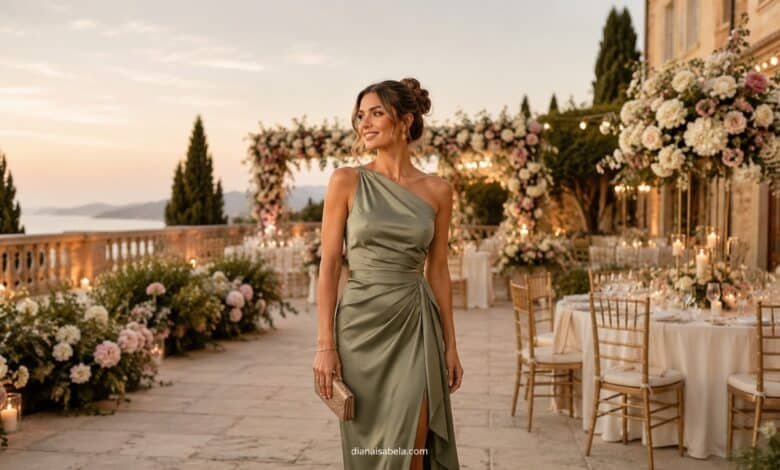
Wedding Guest Outfit Ideas
Pretty, usable outfit direction: dresses, shoes, bags, layers, accessories, seasonal moods, and guest looks that feel complete from ceremony to last dance.
Browse outfit ideas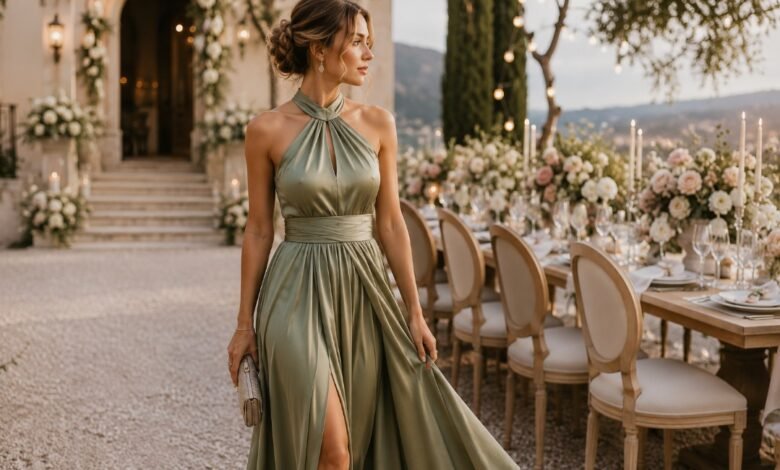
Wedding Guest Dress Etiquette
The graceful rulebook: what looks respectful, what feels too bridal, how much skin is too much, and how to look beautiful without stealing the room.
Open the etiquette guideNot sure where to start? Pick the problem you are solving.
This is the fastest way to use the hub. If you know the invitation wording, choose dress code. If you know the month, choose season. If the location is the strongest clue, choose venue. If you already know the mood you want, choose color and style.
I know the dress code
Use this route for semi-formal, cocktail, formal, black tie, black tie optional, beach formal, and dressy casual weddings.
I know the season or month
Use this route when weather, color, fabric, sleeves, layers, and seasonal mood are the main questions.
I know the venue
Use this route for garden, beach, church, barn, backyard, vineyard, rooftop, city hall, destination, and tricky locations.
I know the color or style
Use this route for black, floral, pink, blue, green, red, satin, unique dresses, and shades that need etiquette caution.
The detail guides that save the outfit.
These are the pages for the parts guests quietly worry about: what not to wear, which mistakes ruin the look, how to choose shoes and accessories, and how to dress a teen guest in a way that feels pretty, polished, and age-appropriate.
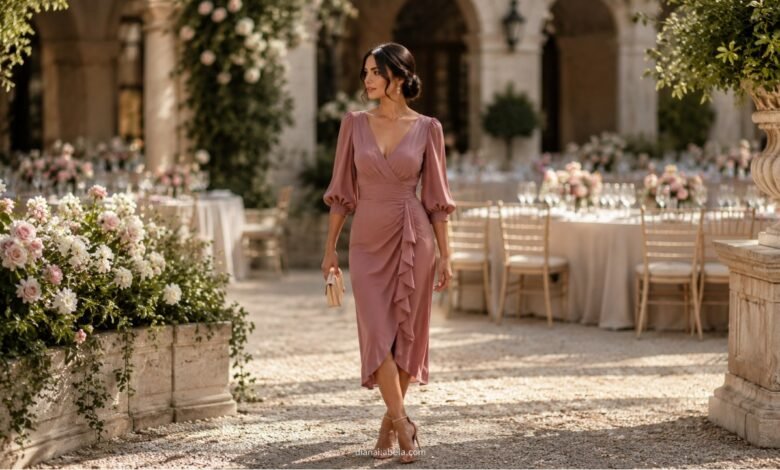
What Not to Wear to a Wedding
White, almost-white, too revealing, too casual, too loud, too bridal, too funeral, too club. This is the guide for avoiding the outfit people remember for the wrong reason.
See what to avoid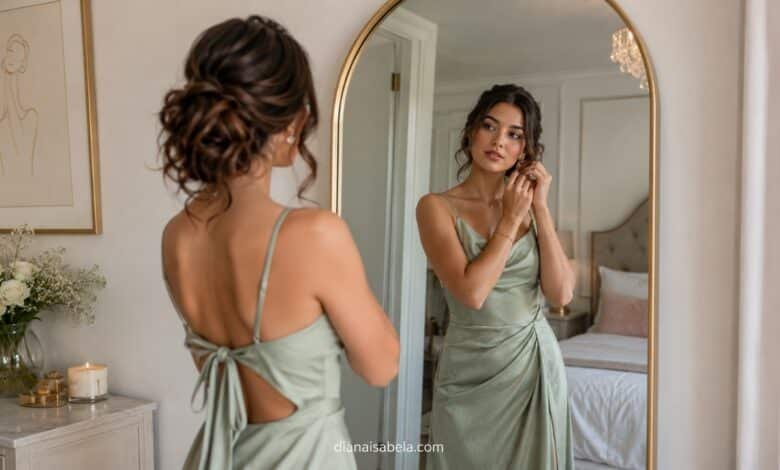
Wedding Guest Outfit Mistakes
The sneaky mistakes that do not look obvious until the photos: wrong fabric, wrong shoes, wrong bag, wrong layer, wrong color, or a dress that only works while standing still.
Check the common mistakes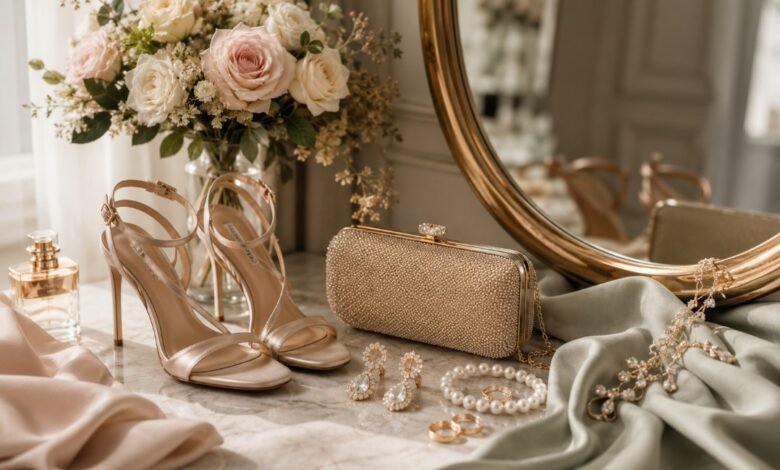
Wedding Guest Shoes & Accessories
The finishing edit: heels, sandals, flats, bags, jewelry, wraps, hair details, and the small styling choices that make a simple dress look expensive.
Finish the outfit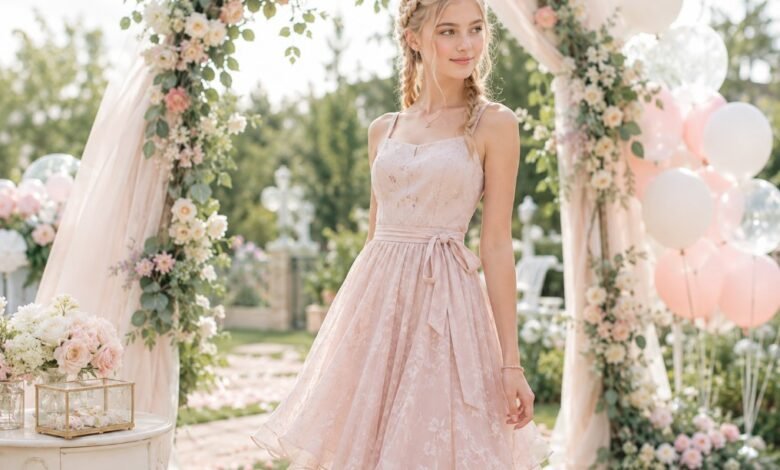
Wedding Guest Dresses for Teens
Pretty, age-appropriate, comfortable, and photo-ready dresses for teen guests — polished enough for the wedding, but not styled like a miniature bridesmaid.
Open teen guest dressesWedding guest dresses by dress code.
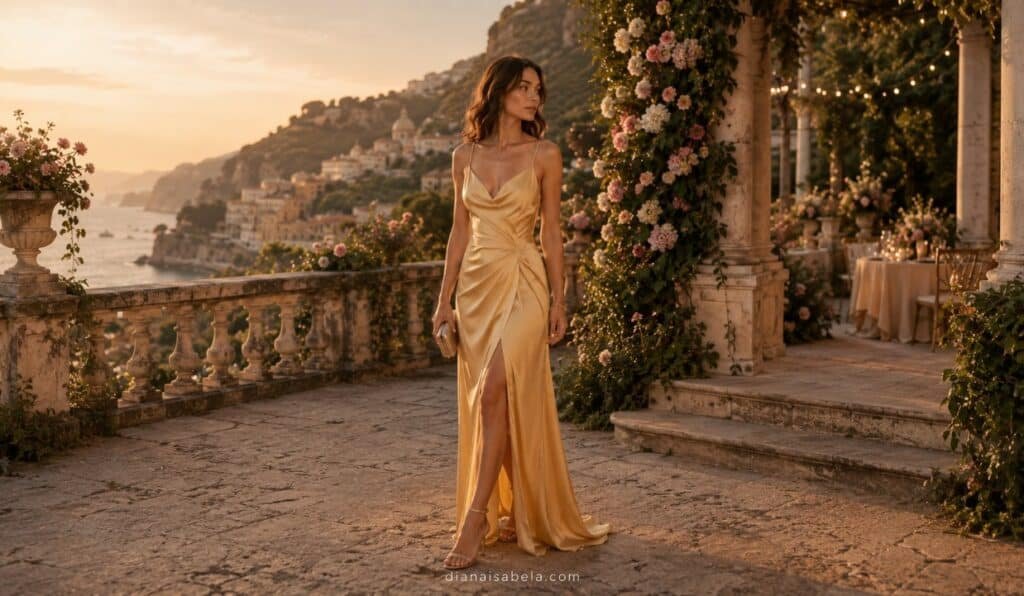
Dress code is the first filter because it decides how polished the outfit should feel. The same satin midi can be perfect for cocktail, overdressed for dressy casual, and not quite enough for black tie. The dress code controls fabric, length, shoes, bag, jewelry, hair, and the amount of drama the outfit can carry.
When the invitation gives a dress code, believe it. When it does not, read the venue, time of day, couple’s style, season, and formality clues. A daytime garden wedding usually asks for a different dress than an evening hotel reception, even when both invitations simply say “wedding.”
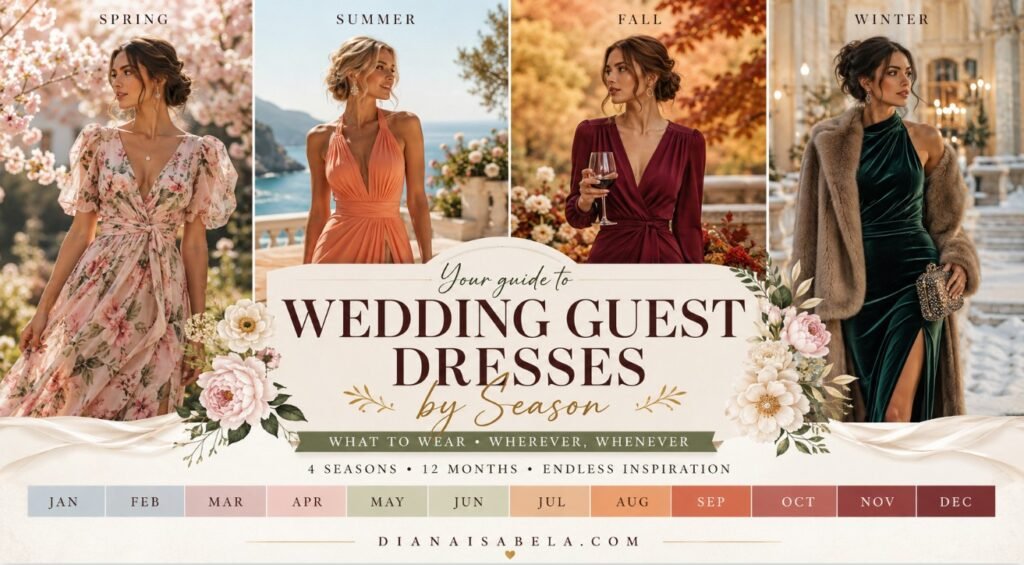
Wedding guest dresses by season.
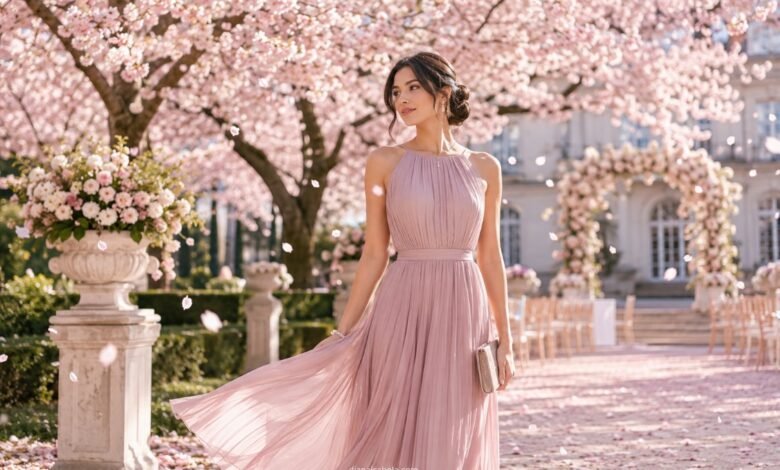
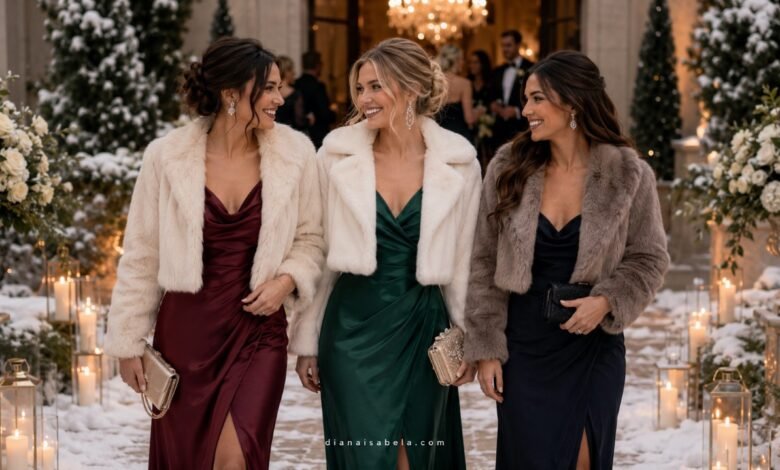
Season changes everything: fabric weight, color, sleeve length, layering, shoe choice, and how much structure the dress needs. A June garden wedding can make heavy satin feel fussy. A January hotel wedding can make a thin pastel dress look lost. The right dress should belong to the weather as much as it belongs to the invitation.
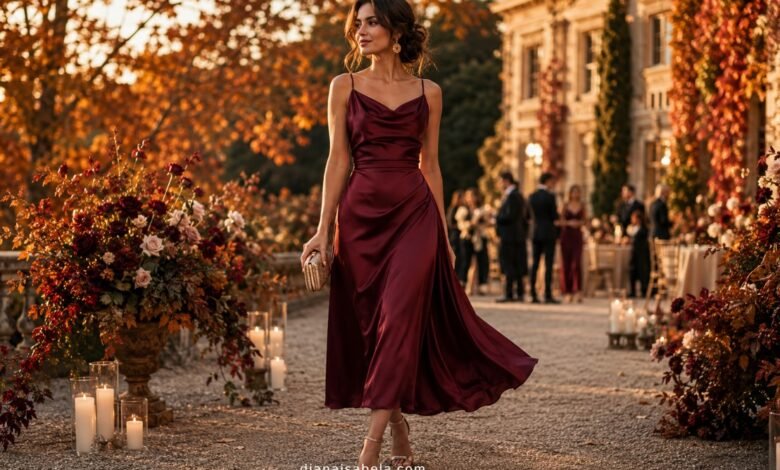
Spring usually wants softness, fresh color, light layers, and garden-aware shoes. Summer needs breathable fabrics, sun-friendly color, and elegant comfort in heat. Fall is where richer tones, longer sleeves, satin, crepe, velvet touches, and deeper florals begin to make sense. Winter rewards jewel tones, black, navy, velvet, satin, coats, faux fur, closed-toe shoes, and evening textures.
Wedding guest dresses by venue.
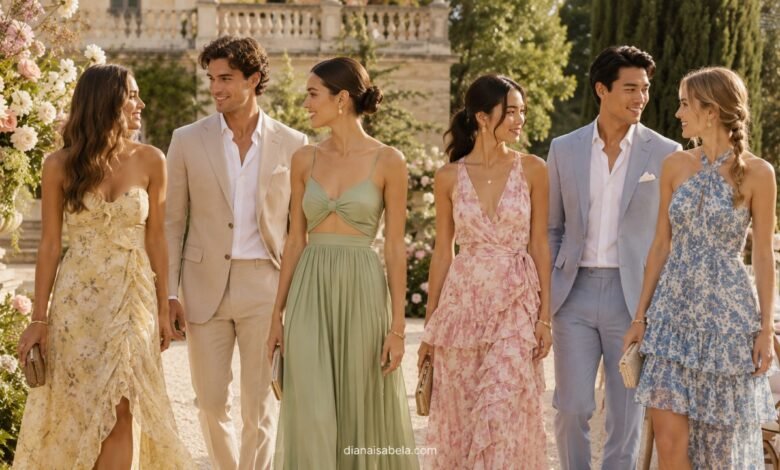
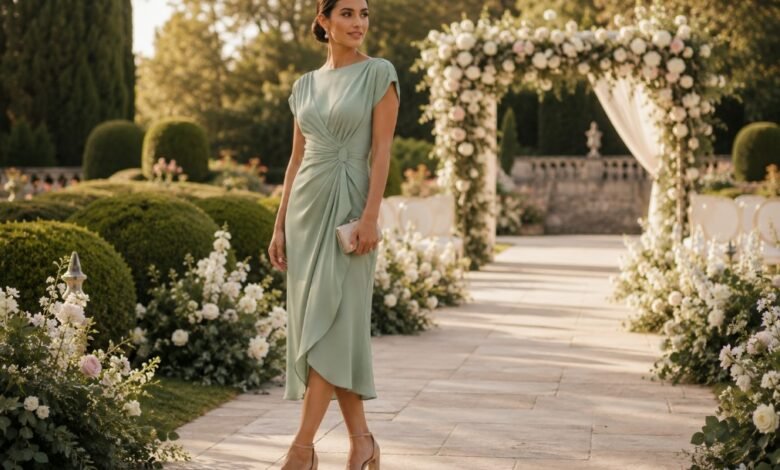
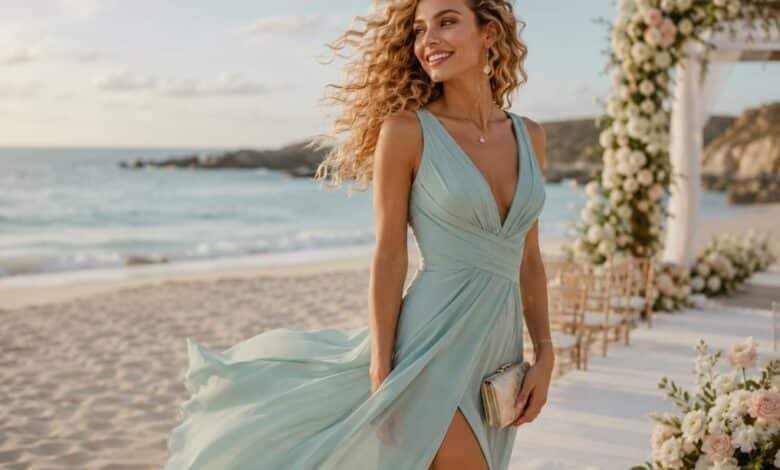
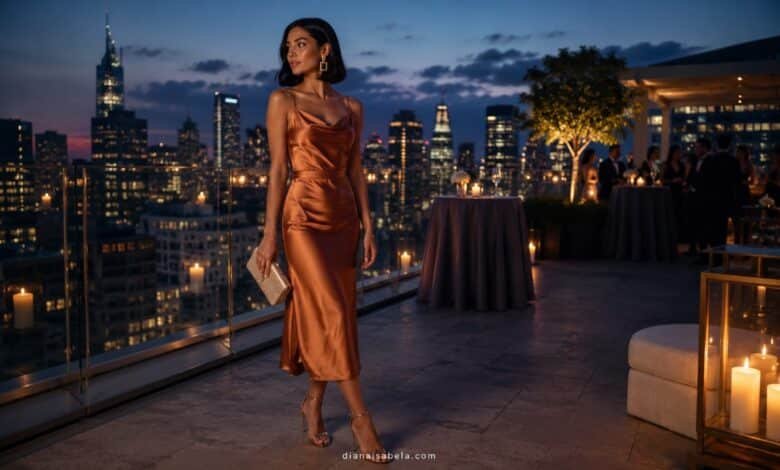
The venue tells you how the dress has to live. A beach wedding needs movement, breathable fabric, and shoes that understand sand. A garden wedding needs romance with grass-aware footwear. A church ceremony often calls for more coverage or a refined layer. A rooftop reception can handle a sleeker city look. A barn wedding needs rustic polish without costume energy. A vineyard wedding loves rich color and soft structure.
This is why venue-first dressing is so useful. It prevents the beautiful-but-wrong outfit: the stilettos sinking into grass, the thin dress freezing at a winter estate, the clubby mini in a church ceremony, the heavy gown at a breezy seaside event.
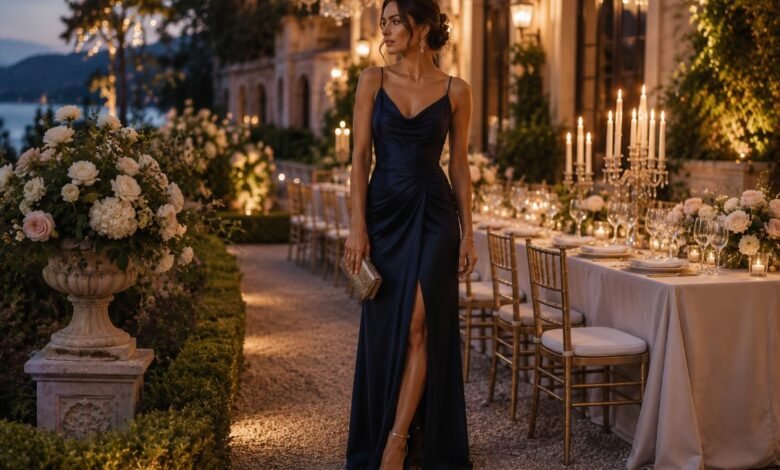
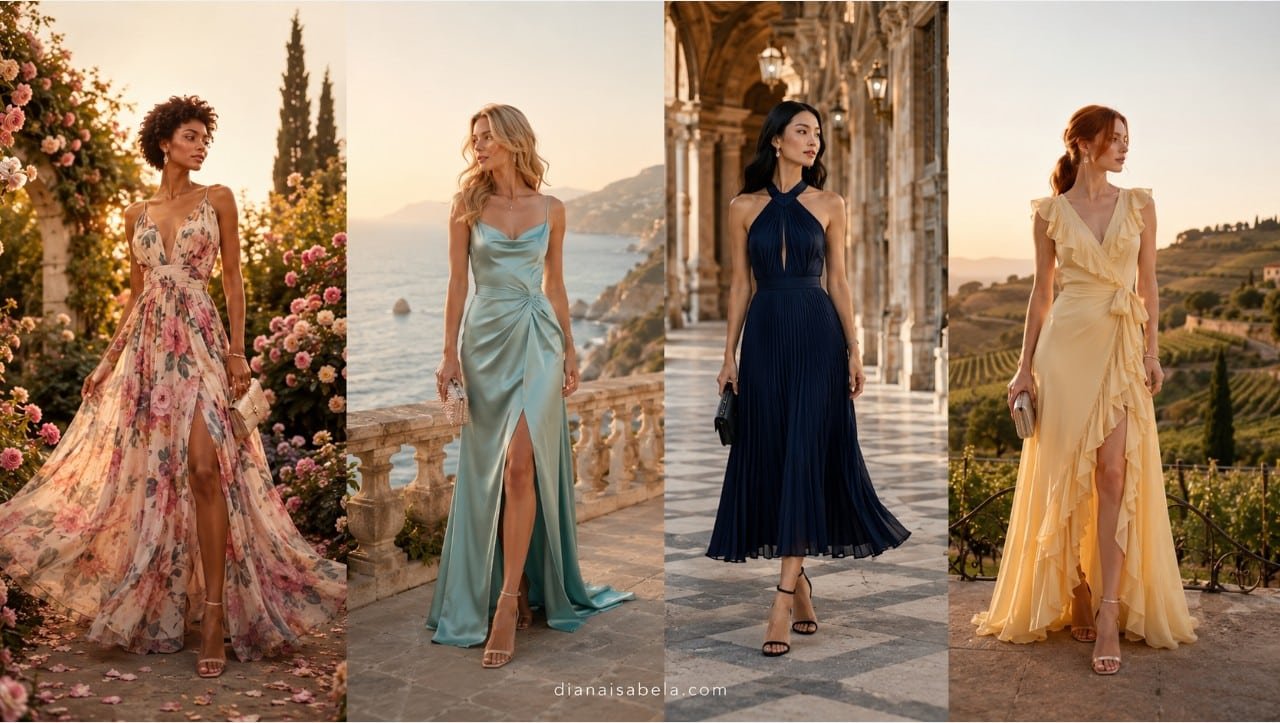
Wedding guest dresses by color and style.
Color is not just a pretty preference. It changes the message of the outfit. Black can feel sleek and expensive. Pink can feel romantic. Blue can feel calm and polished. Green can feel fresh, rich, or garden-connected. Florals can feel soft and celebratory. Satin can feel elegant but needs the right fit. Red can be stunning, but it needs balance. Unique dresses can work beautifully when they still respect the wedding.
The safest wedding guest colors are usually shades that feel intentional without looking bridal: navy, blue, sage, emerald, rose, mauve, burgundy, plum, black, soft florals, warm earth tones, and richer seasonal colors. The riskier shades are white, ivory, cream, very pale champagne, some silver or pearl tones, and anything that photographs too close to a wedding dress.
What length should a wedding guest dress be?
The right dress length depends on the dress code, venue, time of day, and how formal the wedding feels. A midi dress is usually the safest and most flexible option because it can work for garden weddings, cocktail receptions, semi-formal ceremonies, church weddings, daytime events, and many evening celebrations. It looks polished without automatically becoming too formal.
A short dress can work for a wedding when the cut, fabric, and styling feel refined. The problem is not the length by itself. The problem is a short dress that looks too club-like, too tight, too revealing, or too casual for the ceremony. A structured mini, elegant A-line short dress, or polished cocktail mini can be appropriate for cocktail, city hall, rooftop, or semi-formal weddings when styled with good shoes and restrained accessories.
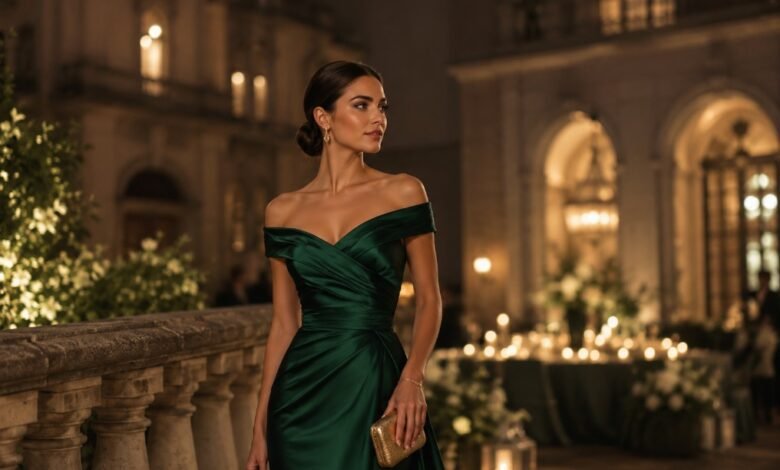
Wedding guest dress fabrics matter more than most people think.
Fabric changes the entire meaning of a dress. The same color can look casual in cotton, romantic in chiffon, sleek in satin, rich in velvet, formal in crepe, and risky in something too shiny or too sheer. If the dress code feels confusing, fabric is often the clue that tells you whether the outfit is polished enough.
Easy wedding guest outfit formulas that almost always work.
A wedding guest outfit becomes easier when you think in formulas instead of isolated pieces. The dress is the center, but the shoes, bag, jewelry, hair, and layer decide the final mood. These formulas are not strict rules. They are safe starting points when you want a polished look without rebuilding your entire personality in front of a closet.
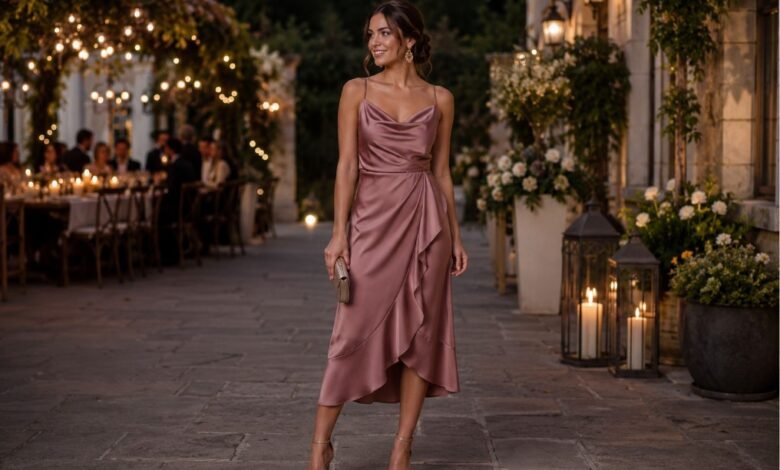
Common wedding guest dress situations and what to do.
Most wedding outfit stress comes from unclear situations. The invitation may not explain everything. The venue may look casual online but feel formal in real life. The couple may say “wear whatever you like,” which is emotionally generous and practically useless. In those moments, the safest strategy is to dress one level more polished than everyday clothes, but not more dramatic than the couple or the room.
If the invitation gives no dress code, use the venue and time of day. Daytime outdoor weddings usually lean softer and lighter. Evening indoor weddings usually allow darker colors, sleeker fabrics, and more polish. Religious ceremonies may need more coverage. Destination weddings need packable fabrics and shoes that work beyond one photo. Backyard weddings can still be elegant, but they rarely need gowns unless the couple says so.
How formal should a wedding guest dress be?
A wedding guest dress should be formal enough to respect the ceremony, but not so dramatic that it looks like you are trying to outdress the wedding party. The right level of formality usually comes from four clues: the invitation wording, the venue, the time of day, and the couple’s style. Evening weddings, hotel ballrooms, black tie receptions, formal estates, and city venues usually allow more structure, darker colors, refined fabrics, and dressier accessories. Daytime garden, beach, backyard, and casual outdoor weddings usually need softer fabrics, easier movement, and styling that feels elegant without becoming heavy.
The safest strategy is to dress one level more polished than everyday clothes, but not one level more formal than the wedding itself. A satin midi, elegant wrap dress, floral maxi, refined slip dress, structured cocktail dress, or clean long dress can all be correct depending on the setting. The mistake is treating “wedding guest dress” as one single category. A guest dress for a summer beach ceremony and a guest dress for a winter black tie reception are not solving the same problem.
How to make a wedding guest dress look more expensive.
A wedding guest dress does not need to be the most expensive piece in your closet to look elevated. The difference usually comes from fit, fabric, color discipline, and styling restraint. A simple dress in a flattering color can look far more expensive than a trendy dress with too many details. Clean hemming, smooth fabric, intentional shoes, a small bag, good earrings, and a polished layer can completely change the mood of the outfit.
The fastest way to make a guest outfit look more refined is to remove one unnecessary thing. If the dress has shine, keep the jewelry cleaner. If the color is bold, keep the bag and shoes quieter. If the neckline is dramatic, let the hair and earrings support it instead of competing. Expensive-looking wedding guest style is rarely about adding more. It is usually about editing until the outfit looks calm, intentional, and easy.
Wedding guest dress checklist before you leave.
Before leaving for the wedding, check the full outfit in real conditions: standing, sitting, walking, bending slightly, taking a photo, and moving in the shoes. Many wedding guest mistakes only appear when the outfit leaves the mirror. A dress that looks beautiful while standing still may ride up when seated, wrinkle instantly, become transparent in sunlight, feel too tight after dinner, or clash with the venue once you add the actual shoes and bag.
The final check should answer five questions: does the outfit respect the dress code, does it avoid bridal territory, does it work for the venue, can you move comfortably, and does every accessory make the look better? If one part feels questionable, fix that part before the ceremony. Wedding guest style should feel easy once you arrive, not like a fragile arrangement you have to manage all night.
The wedding guest dress answer in one clear framework.
A wedding guest should choose a dress by reading the dress code first, then adjusting for the venue, season, color, comfort, and etiquette. The safest choice for many weddings is a polished midi dress or refined longer dress in a non-bridal color, styled with appropriate shoes, a small bag, simple jewelry, and a layer if the weather or ceremony setting requires one.
Wedding guests should avoid white, ivory, cream, bridal-looking champagne, overly revealing dresses, ultra-casual outfits, clubwear, jeans unless requested, uncomfortable shoes, and anything that ignores the couple’s stated dress code. A dress can be stylish, colorful, memorable, and flattering while still respecting the wedding. The goal is not to disappear. The goal is to look beautiful in a way that belongs to the event.
What should you not wear to a wedding?
Avoid white, ivory, cream, bridal-looking champagne, very pale neutral dresses that photograph white, overly revealing dresses, ultra-casual outfits, clubwear, jeans unless the couple specifically invites them, loud attention-stealing looks, uncomfortable shoes, and anything that ignores the dress code.
This does not mean guests have to dress invisibly. Style is welcome. Color is welcome. A beautiful dress is welcome. The line is crossed when the outfit looks bridal, disrespectful, impractical, or more focused on being noticed than being appropriate for the celebration.
Diana’s wedding guest dress rules.
These are the rules I would actually use before leaving the house. They are not about being timid. They are about looking like the most elegant version of a guest, not the main event, not the bridesmaid who wandered away, and not a person who forgot weddings involve chairs, weather, relatives, cameras, and dance floors.
The best wedding guest dress belongs to the wedding.
Not just on you. At that ceremony. In that season. At that venue. Beside that dress code. In the photos. On the dance floor. During dinner. After three hours of being an actual person.
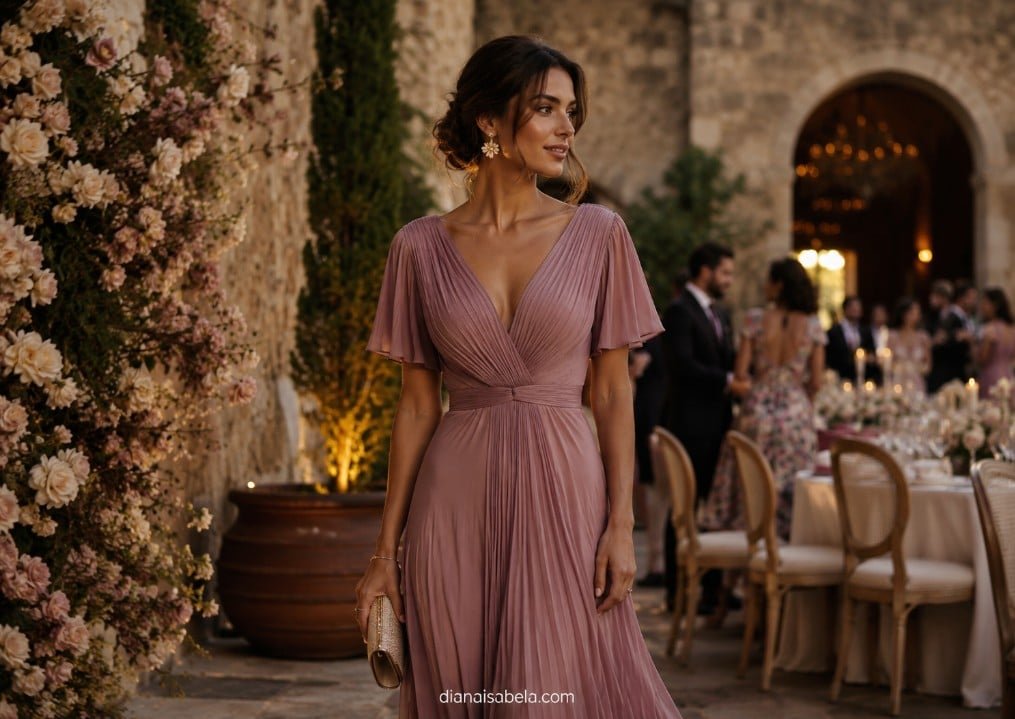
Use this hub as the first filter, then choose the guide that matches your real wedding situation: start with what to wear, narrow by season, dress code, venue, or color, and finish with etiquette, shoes, accessories, and the tiny details that turn a pretty dress into a properly styled wedding guest outfit.
FAQ
What is the best dress to wear as a wedding guest?
The best wedding guest dress matches the dress code, venue, season, and formality of the wedding while staying clearly in guest territory. A polished midi dress or refined longer dress in a non-bridal color is usually the safest choice for many weddings. Navy, blue, sage, rose, burgundy, green, black, and soft florals often work well when styled with appropriate shoes and accessories.
What colors should wedding guests avoid wearing?
Wedding guests should usually avoid white, ivory, cream, and very pale champagne because these shades can look bridal in photos. It is also smart to avoid any dress that could be mistaken for a wedding dress from a distance or under warm reception lighting. When unsure, choose a clearly non-bridal color such as navy, green, blue, rose, burgundy, plum, black, or floral.
Can you wear black to a wedding?
Yes, black can be appropriate for many weddings, especially evening, cocktail, formal, city, winter, and black-tie celebrations. The key is styling it with wedding-appropriate accessories so it feels elegant rather than severe. For daytime garden, beach, or very soft romantic weddings, a lighter or more colorful option may feel more natural.
Can a wedding guest wear a short dress?
A wedding guest can wear a short dress if the dress looks polished, refined, and appropriate for the dress code. Short dresses work best for cocktail weddings, city hall weddings, rooftop receptions, semi-formal events, and party-style receptions. Avoid short dresses that feel too tight, too revealing, too casual, or too much like clubwear.
Is a midi dress a good choice for a wedding guest?
Yes, a midi dress is one of the most versatile wedding guest options. It works for many dress codes, including semi-formal, cocktail, garden, church, daytime, and some formal weddings. A midi dress usually feels polished without looking too casual or too dramatic, especially when paired with elegant shoes, a small bag, and simple jewelry.
What should I wear to a wedding with no dress code?
When there is no dress code, use the venue, time of day, season, and couple’s style as clues. A polished midi dress in a guest-safe color is usually a reliable choice. Daytime outdoor weddings often call for softer colors and breathable fabrics, while evening indoor weddings can handle darker colors, satin, crepe, and more refined styling.
What should you not wear to a wedding?
Avoid white, ivory, cream, bridal-looking champagne, overly revealing dresses, ultra-casual outfits, clubwear, jeans unless requested, uncomfortable shoes, and anything that ignores the dress code. A wedding guest outfit can be stylish and memorable, but it should not compete with the bride, disrespect the setting, or look out of place in the ceremony photos.
How do I choose a wedding guest dress by season?
Choose fabric, color, sleeves, and layers based on the season. Spring weddings usually work well with soft colors and florals. Summer weddings need breathable fabrics and heat-friendly silhouettes. Fall weddings suit richer tones, satin, crepe, and deeper florals. Winter weddings often work best with velvet, satin, jewel tones, elegant coats, closed-toe shoes, and dressier layers.
How do I choose a wedding guest dress by venue?
The venue affects fabric, shoes, length, layers, and the overall level of polish. Garden weddings need grass-friendly shoes and romantic movement. Beach weddings need breathable fabrics and sand-friendly footwear. Church weddings may need more coverage or a refined layer. City, rooftop, hotel, and ballroom weddings can usually handle sleeker fabrics, darker colors, and more formal accessories.
What shoes should you wear with a wedding guest dress?
Choose shoes based on the venue, dress code, and how long you will be standing or dancing. Block heels, elegant flats, wedges, sandals, pumps, and closed-toe heels can all work depending on the setting. Avoid shoes that sink into grass, hurt immediately, look too casual, or clash with the formality of the dress.
How do you know if a dress is too bridal for a wedding guest?
A dress may be too bridal if it is white, ivory, cream, pale champagne, heavily lace-covered, very romantic in a wedding-gown way, or likely to photograph like a bridal look. Ask whether someone could mistake the dress for the bride’s outfit from a distance or in photos. If the answer is yes, choose another color or style.
Are floral dresses appropriate for weddings?
Yes, floral dresses are appropriate for many weddings, especially spring, summer, garden, daytime, beach, and romantic outdoor celebrations. The floral dress should still match the dress code and venue. Soft floral midis, elegant floral maxis, and refined floral cocktail dresses can work beautifully as long as the print does not feel too casual or too bridal.