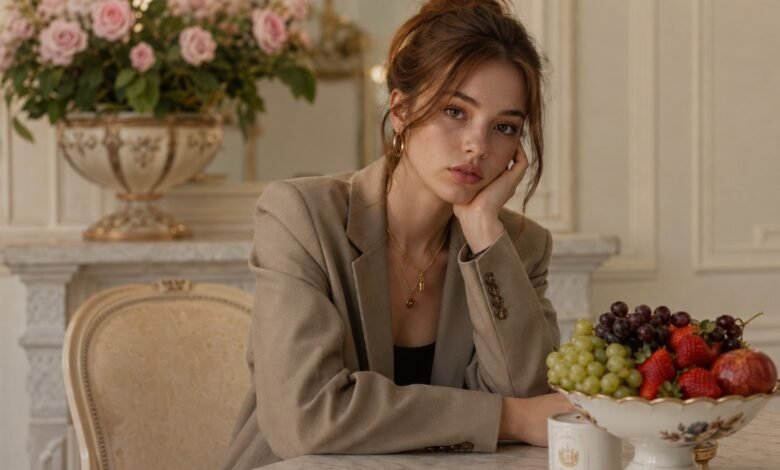
Cheap clothes do not have to look cheap.
That sentence is important because people say “buy better quality” like everyone has a secret trust fund hiding under the socks. Sometimes you have a budget. Sometimes the cute top is from the sale rack. Sometimes the dress is fast fashion because you need something for Saturday and your bank account is already making dramatic noises. Sometimes the thrifted blazer has potential but also one suspicious button.
Style is not about pretending every piece in your closet came from a quiet boutique in Paris where the sales assistant speaks in linen. Style is about editing.
The difference between “cheap” and “expensive-looking” is usually not magic. It is fit, fabric behavior, color control, grooming, steaming, shoes, accessories, proportions, and knowing when to stop adding things. A $22 top can look polished. A $200 dress can look tired if it is wrinkled, badly styled, or fighting the shoes.
So this is my fashion-editor version of the closet rescue: how to make inexpensive clothes look more expensive without becoming boring, stiff, or obsessed with beige.
Expensive-looking style starts before the outfit
The biggest secret is not the bag. It is not the jewelry. It is not a trench coat, although a good trench does enjoy acting superior.
The secret is that expensive-looking outfits usually look intentional.
The colors make sense. The fabric is not screaming. The shoes are clean. The bag belongs. The hem is not doing something strange. The outfit has space to breathe. Nothing looks like it was added because the mirror said, “Maybe more?” and you panicked.
Cheap clothes look cheapest when they are styled like an apology: too many trends, too many colors, too many accessories, too much adjusting, too much “I know this is not perfect but maybe if I add a necklace nobody will notice.”
People notice.
But they also notice polish. And polish is often free.
Diana’s expensive-looking rule: make the outfit look edited before you try to make it look expensive. Expensive style is rarely loud about trying.
The mirror audit I use before blaming the clothes
Before you decide an item looks cheap, check whether it is actually the styling that is betraying it.
Ask this first
Is the piece wrinkled? Is the color fighting the rest of the outfit? Is the fit slightly off? Are the shoes too casual? Is the bag too flimsy? Is the jewelry too shiny in the wrong way? Does the outfit have one clear mood, or is it a group project from five different aesthetics?
Fix those things before you throw the blouse into emotional exile.
Fit is the fastest way to make cheap clothes look better
Fit is everything. I know that sounds like something a tailor would say while holding pins in a threatening way, but it is true.
A cheap blazer that fits the shoulders well can look more expensive than an expensive blazer that pulls, sags, or makes you look like you borrowed it from a substitute teacher with a mysterious briefcase. A simple dress with the right waist placement can look polished. A basic tee can look elevated if it hits at the right spot and does not twist after one wash like it has personal problems.
Look at the shoulders, waist, sleeves, bust, hips, length, and hem. If one of those areas is clearly wrong, the item will struggle. Sometimes you can fix it with styling. Sometimes a belt helps. Sometimes a tuck helps. Sometimes rolling sleeves helps. Sometimes the piece needs tailoring. Sometimes, very sadly, it needs to leave your life.
The goal is not perfection. The goal is ease.
If you keep pulling, tugging, smoothing, lifting, or explaining the fit to yourself, the clothes are not doing expensive-looking work. They are giving you a part-time job.
The fit fixes that change the whole outfit
- Roll or push sleeves: this makes cheap jackets, shirts, and sweaters look more relaxed and styled.
- Try a half-tuck: it gives shape without making the outfit look stiff.
- Use a belt carefully: a clean belt can define the waist, but a flimsy belt can make everything look worse.
- Check the hem: pants that puddle strangely or stop at an awkward length can cheapen even a good outfit.
- Balance volume: loose top with cleaner bottom, fitted top with relaxed bottom, soft dress with structured accessory.
- Remove the extra fuss: if the outfit needs too much fixing, it may not be the right piece.
Wrinkles are the unpaid interns of cheap-looking outfits
Wrinkles ruin everything.
I say this with love and personal experience. A cute dress can look like it came from the bottom of a gym bag if it is wrinkled. A satin skirt can go from elegant to “I sat in a laundry basket emotionally” in thirty seconds. A button-down shirt can look crisp or chaotic depending on whether it has met steam.
Steaming is one of the cheapest luxury tricks. If you do nothing else, steam the outfit. Smooth the collar. Press the hem. Let the fabric fall the way it is supposed to fall.
Also, hang clothes properly. Cheap clothes often wrinkle faster because the fabric has less structure. That means you have to help them. Do not throw the blouse over a chair and then act shocked when it looks like it fought the chair and lost.
A clean, wrinkle-free cheap dress will almost always look more expensive than a pricey wrinkled one.
The steam-first rule
Before adding accessories, steam the piece. If it suddenly looks better, the problem was not the price. It was texture chaos.
The hanger test
If the item looks sad on the hanger, try hanging it with more space. Crowded closets make clothes crease, flatten, and look cheaper before you even wear them.
Color can make a cheap outfit look calm or chaotic
Color is one of the easiest ways to make affordable clothes look more expensive. Not because expensive style has to be neutral. It does not. But cheap-looking outfits often fall apart when the colors feel accidental.
Black, cream, white, navy, grey, chocolate, camel, olive, denim blue, soft blush, burgundy, and deep green often look polished because they are easier to combine. But bright colors can also look expensive when they are controlled. A red cardigan with dark denim and clean shoes. A butter yellow top with cream trousers. A cobalt bag with a white dress. A pink blouse with straight jeans and simple jewelry.
The issue is not color. The issue is too many unrelated colors arguing in the same outfit.
If a cheap piece has a bold color, let it lead. Do not surround it with five more ideas. If a printed skirt already has personality, keep the top simple. If your bag is bright, repeat that color softly somewhere else or keep the rest quiet.
Expensive-looking color has a plan.
Easy palette: cream top, blue denim, tan bag, gold jewelry, clean sneakers.
Cool palette: black tee, grey trousers, silver jewelry, black bag, white sneakers.
Soft palette: blush blouse, light denim, ivory cardigan, ballet flats, small earrings.
Event palette: navy dress, metallic sandals, tiny bag, polished hair, no extra noise.
Fabric matters, but styling can protect imperfect fabric
Some fabrics are harder to make expensive-looking. Thin jersey that clings badly. Shiny polyester that reflects light like a plastic cupcake wrapper. Lace that looks stiff. Satin that wrinkles aggressively. Knits that pill after three wears. Denim that feels too flat. Faux leather that looks too glossy.
You do not have to avoid every inexpensive fabric. You just need to understand what each fabric needs.
Thin fabric needs layering or better underwear. Shiny fabric needs matte pieces around it. Cheap lace needs restraint. Stretchy fabric needs strong proportions. Lightweight cotton needs steaming. Faux leather needs clean styling and good shoes. Denim needs the right fit and wash.
When fabric is not luxurious, do not ask it to carry the whole outfit alone. Give it support.
A thin dress can look better with a structured blazer. A shiny skirt can calm down with a soft knit. A cheap-looking top can improve with high-quality denim. A simple tee can look chic under a jacket. The supporting pieces matter.
The neckline decides more than people admit
Necklines can make affordable clothes look elegant or awkward in one second.
A clean square neckline often looks polished. A soft scoop can look feminine. A boat neck can look very expensive if the fabric sits well. A V-neck can be flattering, but if it collapses or pulls, it can cheapen the outfit. Crew necks can look minimal and cool, especially with good jewelry. Strapless can look amazing, but only if it fits securely and does not require a full day of adjustment.
Cheap tops often fail at the neckline because the edge curls, gapes, stretches, or sits strangely. That is when styling matters. Add a necklace that follows the shape. Layer a cardigan. Wear your hair up to make the neckline look cleaner. Use fashion tape when appropriate. Choose the right bra so the fabric sits smoothly.
A neckline that behaves makes the whole outfit look more expensive.
Buttons, zippers, and tiny details expose the price fast
Cheap clothes often betray themselves in the small details.
Buttons that look too plastic. Gold hardware that is too yellow. Zippers that ripple. Drawstrings with ugly metal tips. Belt loops that sit strangely. Decorative stitching that looks busy. Tags that show through. Loose threads. Hems that twist. Lining that peeks out like it wants attention.
Before wearing something, inspect it like a slightly judgmental aunt with good taste.
Cut loose threads. Remove weird detachable belts if they make the outfit worse. Swap buttons if the piece is worth saving. Tuck tags. Smooth zippers. Check that seams are not pulling. If a cheap dress has a bad fabric belt, replace it with a cleaner belt or remove it completely.
Sometimes one tiny change makes the piece look twice as polished.
The ten-minute expensive-looking edit
- Steam the outfit: wrinkles make almost everything look cheaper.
- Remove loose threads: tiny mess reads louder than you think.
- Check the neckline: smooth it, layer it, or choose jewelry that makes it intentional.
- Choose one metal tone: gold or silver is cleaner than random hardware chaos.
- Clean the shoes: dirty shoes can ruin an otherwise polished look.
- Use a structured bag: even a simple outfit looks better with a bag that holds its shape.
- Control the color palette: two or three main colors usually look more expensive than six.
- Balance the shape: do not let every piece be loose, tight, shiny, or delicate at once.
- Style the hair slightly: not perfect, just intentional.
- Stop before over-accessorizing: polish usually needs editing, not more decoration.
Cheap clothes look better when the shoes are not lazy
Shoes are not background characters. They can save or destroy the outfit.
A cheap dress with the right shoe can look elegant. The same dress with tired flats or random sneakers can look like you gave up at the finish line. A basic tee and jeans can look expensive with clean loafers, sleek sneakers, ballet flats, boots, or sandals that match the mood. A skirt can look polished or childish depending on the shoe.
You do not need designer shoes. You need clean shoes in a shape that supports the outfit.
White sneakers should be clean. Black boots should not look dusty. Ballet flats should not collapse like pancakes. Sandals should feel intentional, not like you grabbed beach shoes for dinner. Loafers should add structure, not school-uniform stiffness unless that is the point.
When the outfit is affordable, shoes need to look considered.
The bag is where cheap outfits often become expensive-looking
A bag changes the whole sentence.
A structured bag can make jeans and a tee look sharper. A tiny bag can make a simple dress feel styled. A soft shoulder bag can make Acubi outfits look cooler. A clean clutch can make a wedding guest outfit look more polished. A woven bag can make summer clothes feel intentional.
The trick is choosing a bag that looks like it belongs to the outfit’s mood. Do not add a random bag just because it is cute alone. Bags are social. They need to get along with the clothes.
If you want to understand how much power a small bag can have, look at accessories that change the whole outfit. Sometimes the outfit is not missing another clothing piece. It is missing the finishing object.
Cheap clothes often look more expensive when the accessories have shape, restraint, and one clear direction.
For casual outfits
Try a small shoulder bag, clean tote, structured crossbody, or sleek backpack. Avoid bags that look saggy, overstuffed, or unrelated to the outfit.
For dressier outfits
A small clutch, mini top-handle bag, satin pouch, metallic bag, or simple structured piece can make a budget dress look much more polished.
Jewelry should whisper, not beg for rent
Jewelry can make affordable clothes look refined, but it can also make them look cheaper if the finish is too shiny, too yellow, too plastic, too tangled, or too much.
You do not need expensive jewelry. You need jewelry that looks clean and intentional.
Small hoops. A delicate chain. A watch. A simple ring. Pearl studs. A clean bracelet. Silver jewelry with cool outfits. Gold jewelry with warm outfits. One statement earring with a simple neckline. A ribbon or hair clip if jewelry is not your thing.
Choose jewelry that follows the outfit. If the clothing is already romantic, keep jewelry cleaner. If the outfit is minimal, jewelry can add a little light. If the top has a busy neckline, skip the necklace and use earrings instead. If the outfit has silver hardware, silver jewelry usually looks more cohesive. If the bag has gold hardware, gold jewelry can pull it together.
Matching every metal is not always necessary. But random metal chaos rarely looks expensive.
Hair and makeup can make a cheap outfit look finished
This is where people get annoyed because they want the clothes to do all the work. I understand. But styling is not only clothing.
A simple bun, soft waves, clean ponytail, claw clip, smooth blowout, braid, or intentional messy hair can make a basic outfit look styled. The same outfit with hair that feels completely accidental can look less polished, even if the clothes are fine.
Makeup does not need to be heavy. A little lip gloss, brushed brows, mascara, blush, or clean skin can help the outfit feel intentional. If you do not wear makeup, grooming still matters: neat hair, clean nails, fresh-looking skin, and clothes that are not wrinkled.
Think of hair and makeup as the frame. The outfit is the picture, but the frame affects how expensive the picture feels.
Monochrome is the lazy genius of expensive-looking outfits
Monochrome does not mean wearing one exact color from head to toe like a paint sample with shoes.
It means using one color family. Cream with ivory. Black with charcoal. Grey with silver. Brown with camel. Navy with denim. Blush with rose. White with beige. The pieces do not have to match perfectly. Actually, slight texture differences often make it better.
Monochrome outfits look expensive because they reduce visual noise. The eye sees one smooth idea instead of seven small arguments.
If your clothes are inexpensive, try dressing in a narrow palette. A cream sweater with ivory trousers and tan flats. Black jeans, black tee, black belt, silver earrings. Grey cardigan, white tank, light denim, grey sneakers. Chocolate top, dark denim, brown bag.
Simple? Yes. Effective? Very.
Do not let trends cheapen the outfit
Trends are not the enemy. Bad trend stacking is.
A trendy piece can look expensive when it is styled with calmer items. A bubble skirt with a clean tee and simple shoes. Metallic flats with jeans and a soft sweater. A tiny bag with a simple dress. A cargo skirt with a fitted top and restrained jewelry. A bow with an otherwise simple outfit.
The problem starts when every part of the outfit is trying to prove you have internet access.
Cheap clothes plus too many micro-trends can look chaotic fast. Choose one trend to feature. Let the rest of the outfit support it. This makes the trend look like taste instead of panic.
The quiet-luxury trap
You do not need to turn every outfit beige to make it look expensive.
Quiet luxury is useful as a lesson in restraint, quality cues, and calm styling. But if your real style is colorful, romantic, sporty, Acubi, playful, or dramatic, forcing yourself into beige minimalism can look less expensive because it looks less like you.
The goal is not to erase personality. The goal is to edit personality so it looks intentional.
How to make cheap dresses look more expensive
Dresses are tricky because they are the outfit. A top can hide under a blazer. Pants can be helped by a belt. But a dress stands there like, “Here I am. Judge me.”
To make a cheap dress look more expensive, start with fit and fabric. Steam it. Check the lining. Make sure the hem hangs evenly. Choose the right undergarments so nothing pulls or shows strangely. Remove a bad fabric belt if it came with one. Add a better belt only if the waist needs shape.
Then style around the dress with restraint. A clean shoe. A small bag. Jewelry that suits the neckline. Hair that looks intentional. One layer if needed.
A cheap dress often looks worse when you try to make it “fancy” with too many sparkly things. Let the dress breathe. If it is simple, give it one beautiful accessory. If it is already printed or shiny, calm everything else down.
For event outfits, expensive-looking wedding guest styling is a useful next step because weddings expose every styling detail: shoes, fabric, bag, hair, jewelry, and dress code all matter.
How to make cheap tops look more expensive
Cheap tops usually need structure, better styling, or a cleaner base.
If the top is thin, layer it under a blazer, cardigan, button-down, or jacket. If the neckline is pretty, keep jewelry delicate. If the sleeves are awkward, roll or push them. If the fabric is clingy, pair it with a more structured bottom. If the top is romantic, avoid styling it with too many sweet accessories unless you want full cupcake energy.
Babydoll tops are a perfect example. They can look expensive and soft, or they can look childish if the proportions, fabric, shoes, and bag are wrong. If you wear them often, read making a babydoll top look expensive because that silhouette needs its own balance: romance, structure, grown-up details, and the right bottom half.
For everyday cheap tops, denim quality matters. A $15 top with good jeans can look better than a $60 top with sad pants. Shoes matter too. So does hair. So does the bag. Tops do not live alone.
How to make cheap pants look more expensive
Pants need fit and length more than almost anything else.
If pants are too long, they can drag the whole outfit down. If they are too short in an accidental way, they can look awkward. If the waistband gaps, the outfit feels less polished. If the fabric wrinkles across the hips or pulls at the thighs, it will show.
Cheap trousers can look beautiful with the right length, a clean shoe, and a simple top. Wide-leg pants often look more expensive when they skim instead of cling. Straight-leg pants are easier to polish than pants with too many unnecessary details. Black, grey, cream, navy, and chocolate trousers can look especially refined if the fabric hangs well.
Jeans are about wash and shape. Dark denim often looks more polished. Light denim can look expensive when the fit is modern and the rest of the outfit is clean. Avoid denim with too many fake distress marks, strange whiskering, or loud stitching if you want a more elevated look.
If the pants are casual
Use a sharper top, clean shoes, and a structured bag. Casual pants need one polished friend.
If the pants are dressy
Do not over-style them. A simple tee, fitted knit, or button-down can make trousers look effortless instead of office costume.
How to make cheap skirts look more expensive
Skirts need the right shoe and the right top. That is the whole drama.
A satin skirt can look expensive with a soft sweater, clean sandal, or simple tank. It can look cheap if it is wrinkled, too shiny, or paired with random shoes. A mini skirt can look polished with a fitted top and loafers, or casual with sneakers and a hoodie. A pleated skirt can look chic if you keep the styling modern, but too costume-preppy if you add every academic detail at once.
The waist matters. If the skirt has a flimsy waistband, hide it with a sweater, belt, or untucked top. If the hem flips, steam it. If the skirt is sheer, do not pretend nobody sees it. They see it.
Cheap skirts look more expensive when the proportions feel deliberate: soft top with structured skirt, fitted top with fuller skirt, casual shoe with dressier skirt, polished shoe with denim skirt.
Layering makes affordable clothes look styled
Layering is where cheap pieces often become outfits.
A basic tank under an open button-down. A simple dress under a blazer. A cheap tee under a cardigan. A slip skirt with a sweater. A fitted long sleeve under a sleeveless dress. A hoodie under a coat. A babydoll top with a sharper jacket. A plain dress with a clean wrap or cardigan.
The layer adds dimension. It also hides fabric issues, creates shape, and makes the outfit look considered.
But layering needs control. Too many layers can look bulky, confused, or like you are moving apartments. Choose one useful layer. Make sure the colors work. Make sure the lengths make sense. Check the sleeves. If the layer ruins the silhouette, it is not helping.
Cheap clothes look expensive when the outfit has breathing room
This is the part nobody wants to hear because it sounds too simple.
Remove one thing.
Sometimes the outfit is not cheap-looking because the clothes are cheap. It is cheap-looking because there are too many ideas. The necklace, the earrings, the belt, the bag charm, the printed top, the ripped jeans, the bright shoes, the shiny bag, the bow, the sunglasses, the cardigan, the lip color, the hair clip. Each thing might be cute. Together, they look like a clearance page had a party.
Take one thing off. Maybe two.
Expensive-looking style often has confidence in the empty space. A plain neckline. A clean sleeve. A simple shoe. A quiet bag. A soft color. Not every inch needs decoration.
The “does this look expensive?” outfit check
- Does the outfit have one clear mood? Romantic, minimal, sporty, polished, Acubi, preppy, casual, or dressy.
- Are the clothes smooth? Steam, lint-roll, and fix obvious wrinkles.
- Do the shoes look clean? Shoes carry more visual weight than people admit.
- Does the bag help? A structured or intentional bag can upgrade everything.
- Is the jewelry controlled? Choose pieces that support the neckline and hardware.
- Is one piece too flimsy? Add structure nearby or replace the weakest item.
- Are you adjusting the outfit already? If yes, fix that part before leaving.
- Could you remove one thing? Editing often makes the outfit look richer.
Thrifted clothes can look expensive when you avoid the costume effect
Thrifting is amazing, but vintage and secondhand pieces need styling discipline.
A thrifted blazer can look expensive with jeans, a fitted top, and clean shoes. It can look costume if you add a vintage blouse, vintage skirt, vintage bag, vintage brooch, and suddenly appear to be solving a mystery on a train. A thrifted slip dress can look chic with modern sandals and a simple bag. It can look dated if every accessory is also from the same decade.
Mix old with new. Mix romantic with clean. Mix oversized with fitted. Let one thrifted piece be the story and keep the rest current.
Also, inspect secondhand pieces carefully. Missing buttons, pilling, stains, stretched elastic, and weird odors are not “character” if they make you avoid wearing the item. Buy potential, not problems you will never fix.
Logos are not the shortcut people think they are
A logo can look stylish. But a logo does not automatically make an outfit look expensive.
Sometimes a logo makes a cheap outfit look more desperate, especially if the rest of the look is messy. A fake-looking logo, too many logos, or loud branding on poor fabric can cheapen everything. On the other hand, a no-logo outfit with clean fit, good color, and polished styling can look far more expensive.
Do not rely on branding to do the styling. The outfit still needs proportion, texture, shoes, bag, and grooming.
Quiet pieces often look richer because they are not asking people to read the price tag from across the room.
How to make a cheap outfit look expensive for school
For school, expensive-looking does not mean dressing like you have a board meeting after biology.
It means clean sneakers, better denim, a fitted tee or simple sweater, a hoodie that looks intentional, a bag that is not exploding, and one detail near the face. Earrings. Hair clip. Necklace. Gloss. Headphones that look like part of the outfit. A cardigan that actually matches.
School outfits need comfort. So do not make them too precious. A cheap outfit can look elevated if it is neat, color-controlled, and easy to move in. A wrinkled shirt, dirty shoes, and a chaotic backpack will make even nicer clothes look tired.
The school version of expensive-looking style is relaxed polish.
How to make a cheap outfit look expensive for dinner or a party
For dinner, birthdays, parties, or photos, the upgrade is usually in the styling details.
Steam the dress or top. Choose one strong accessory. Wear shoes that match the level of the event. Carry a smaller bag. Smooth the hair. Add earrings that frame the face. Use a jacket or layer that looks intentional, not like you got cold and grabbed the nearest hoodie.
A simple black dress can look expensive with gold earrings, a tiny bag, and clean sandals. A satin skirt can look polished with a fitted top and soft waves. A cheap blouse can look elegant with dark jeans, heels or sleek flats, and a structured bag.
Event dressing is where restraint matters most. When you add too much sparkle to a budget outfit, it can start looking less expensive. Let one detail shine.
How to shop cheap clothes that will look expensive later
Some cheap clothes are easier to elevate than others.
Look for clean seams, solid colors, good drape, simple shapes, non-flimsy buttons, decent lining, and fabrics that do not look too shiny. Try to avoid pieces that are already overdesigned: too many ruffles, fake pockets, harsh prints, plastic hardware, weird cutouts, strange ruching, and belts that look like they came free with a doll outfit.
Simple does not mean dull. It means you can style it more ways.
Before buying, ask: can I imagine this with better shoes? Can I steam it? Can I layer it? Can I wear it three different ways? Does the color work with my closet? Does the fabric behave when I move? Does it look good without the store lighting?
If the piece already needs too much convincing in the fitting room, it will probably not become easier at home.
The pieces worth spending a little more on
If you can spend more anywhere, spend it on the pieces that get repeated: jeans, shoes, coat, jacket, everyday bag, trousers, and basics that touch many outfits.
You can save on trend pieces, occasional tops, seasonal colors, and accessories you are testing. But the pieces that carry your wardrobe deserve more attention, even if “more” still means affordable, thrifted, on sale, or chosen carefully.
The goal is not expensive clothes. The goal is fewer weak links.
Expensive-looking style is mostly care
Care changes clothes.
Wash delicate pieces gently. Do not destroy knits in the dryer. Shave pills from sweaters. Store bags with shape. Keep shoes clean. Hang dresses properly. Fold heavy knits. Use a lint roller. Fix buttons. Steam hems. Protect white clothes from mysterious stains that appear exactly when you are already late.
Cheap clothes look worse when they are neglected because they often have less structure to survive chaos. But when you care for them, they can last longer and look sharper.
Looking expensive is not only about buying. It is about maintenance.
The real luxury is knowing what to leave alone
At some point, the outfit is done.
Not because it has every possible accessory. Not because it matches perfectly. Not because it looks like a mannequin. Because it says what it needs to say.
Cheap clothes look more expensive when you stop trying to prove them. You do not need to cover every simple piece with decoration. You do not need to chase every trend. You do not need to add a belt, scarf, necklace, sunglasses, and bag charm just because the outfit was affordable.
Confidence is part of the styling.
Wear the clean tee like it belongs. Wear the sale dress like you chose it on purpose. Wear the thrifted blazer like you know it is good. Wear the affordable bag with good posture and clean shoes. The outfit can be budget-friendly and still have standards.
A cheap outfit can still look like good taste
That is the whole point.
Good taste is not the same as expensive taste. Good taste is knowing what suits you, what to edit, what to polish, and what not to force. It is choosing the better neckline. Steaming the dress. Cleaning the shoe. Skipping the extra necklace. Replacing the bad belt. Using one color story. Carrying a bag that sharpens the outfit. Letting a simple piece breathe.
Sometimes the most expensive-looking girl in the room is not wearing the most expensive outfit. She is wearing the best edited one.
And that is much more useful, because editing is something you can learn. No secret budget required.
FAQ
How can I make cheap clothes look more expensive?
Start with fit, steaming, clean shoes, a controlled color palette, and better accessories. Cheap clothes look more expensive when the outfit feels intentional, smooth, and edited.
What colors make affordable outfits look expensive?
Black, cream, white, navy, grey, chocolate, camel, olive, burgundy, denim blue, and soft blush are easy to style in a polished way. Bright colors can also look expensive if the rest of the outfit is simple and balanced.
Do I need designer accessories to look expensive?
No. You need accessories that look clean, structured, and intentional. A simple bag, small hoops, a delicate necklace, a watch, or polished flats can do more than a loud logo.
Why do some cheap clothes look cheap even when they are cute?
Usually because of poor fit, wrinkles, shiny fabric, weak hardware, bad buttons, awkward hems, or styling that feels too busy. A cute item still needs polish around it.
What is the fastest way to upgrade a cheap outfit?
Steam it, clean the shoes, choose one good bag, and remove one unnecessary accessory. That small edit can change the outfit fast.
Can fast fashion look expensive?
It can, especially when you choose simple shapes, better colors, decent fabric, and style the piece with care. But avoid items with flimsy details, bad hardware, strange seams, or fabric that looks too shiny.
How do I make a cheap dress look elegant?
Steam it first. Then check the fit, neckline, hem, and undergarments. Use a clean shoe, a small bag, and jewelry that suits the neckline. Do not overload the dress with too many sparkly details.
What shoes make cheap clothes look better?
Clean sneakers, loafers, ballet flats, simple boots, sleek sandals, and polished heels can all work. The shoe should match the outfit’s mood and look cared for.
How can I make cheap clothes look expensive for school?
Keep the outfit clean and comfortable: good denim, neat sneakers, a fitted top or styled hoodie, a bag that works with the outfit, and one detail near your face like earrings, a necklace, or a hair clip.
What should I avoid if I want an outfit to look more expensive?
Avoid too many trends at once, wrinkled fabric, dirty shoes, flimsy bags, cheap-looking belts, random color combinations, and accessories that compete with each other. The outfit should look edited, not overcrowded.