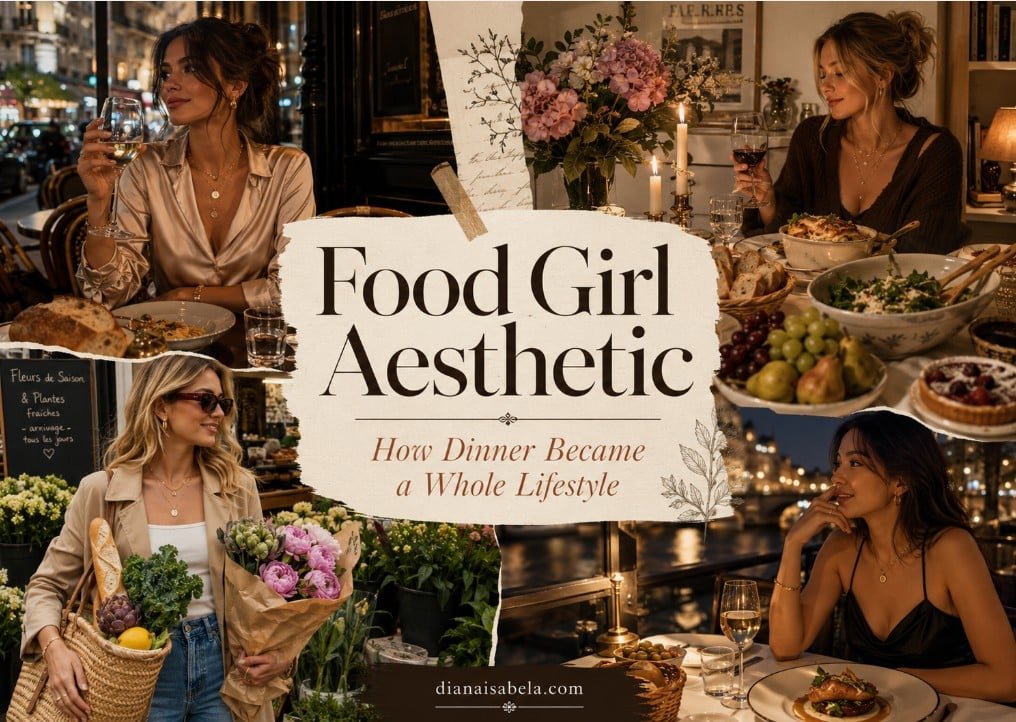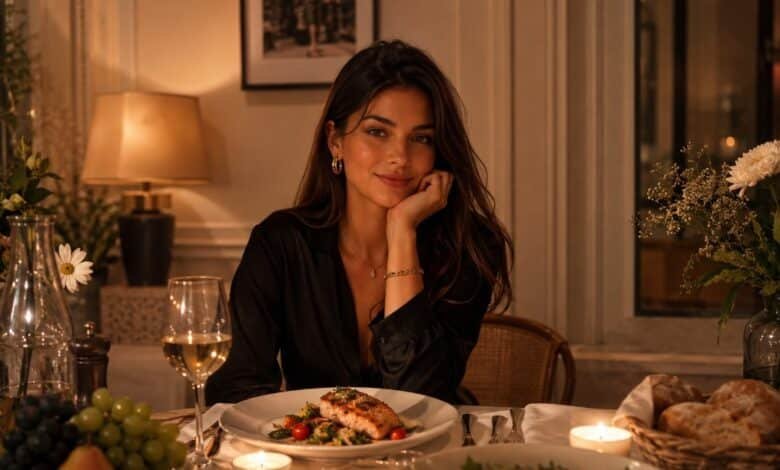
The food girl aesthetic is not just a plate of pasta with good lighting. It is not only a spritz, a tiny fork, a farmers market tote, a glossy lip, and someone saying “I know a place” like she is about to introduce you to either the best focaccia of your life or a very complicated man.
It is bigger than that now. Dinner became a whole lifestyle because food stopped being just what we eat after a long day. It became how we mark the day. How we dress for the evening. How we choose a city corner. How we decide who feels safe enough to sit across from us. How we turn a Tuesday into a memory. How we take care of ourselves without making self-care sound like a corporate newsletter.
I love beautiful food. I also love real appetite. I like candles, but I do not want a dinner where the candle eats more than I do. I like a pretty table, but the plate still needs to taste good. I like a restaurant with a mood, but I also respect the quiet power of home food eaten in comfortable clothes with hair clipped up and one last warm kotleti disappearing from the plate.
That is the food girl aesthetic I care about: not pretending to be delicate, not making dinner into performance-only content, not ordering three olives and calling it a personality. It is style with appetite. It is pleasure with taste. It is dinner as a small, serious ritual in a life that still needs groceries, leftovers, birthdays, first dates, family tables, late work nights, and the occasional “I am making potatoes because I cannot emotionally handle another salad.”
Dinner became a lifestyle because everyone got tired of fake effortless living
For a while, lifestyle content tried to make everything look clean, pale, silent, expensive and slightly hungry. Then food came back with texture. Sauce. Steam. Shared plates. Half-finished desserts. Crumbs. Grocery runs. Grandmother recipes. Chaotic snack plates. Long restaurant tables. People dressing up just enough for dinner and not pretending they “accidentally” looked cinematic under a streetlamp.
The food girl aesthetic is really a correction. It says: I want beauty, but I also want dinner. I want to romanticize my life, but not starve it. I want a good outfit, but I also want bread. I want the table to look pretty, but I am not afraid of a plate with weight, warmth, and evidence that someone cooked.
That is why it feels so modern. It is not only about restaurants. It is about identity. One girl is a late-night ramen and oversized blazer person. Another is farmers market flowers, linen pants and peaches. Another is chicken kotleti, cucumber salad, potatoes, and a black slip dress under a cardigan. Another is a tiny café table with espresso and cake at 4 p.m. Another is a full family table where everyone talks too loudly and somehow the best dish is the one in the least aesthetic bowl.
Diana’s dinner truth: the most interesting food girl does not eat like a prop. She eats like a person with taste, memories, friends, hunger, outfits, cravings, and opinions.
Food became lifestyle because it was already lifestyle. We just finally admitted that dinner can hold mood, culture, self-expression, comfort, desire, style, family, and a little drama. Especially drama. A table without drama is just furniture.
The food girl aesthetic has two sides: the table and the life around it
A lot of people reduce the aesthetic to the visible table: the plate, the glass, the flowers, the linen napkin, the little dessert spoon, the warm light. But the real magic is everything around the table. What you wore. Where you walked before dinner. Who chose the place. Whether the menu made you curious. Whether the dish had a story. Whether you left feeling full in the best way, not just visually entertained.
The pretty part
Lighting, colors, plates, flowers, table setting, drink choices, cute corners, restaurant atmosphere, the outfit, the photo, the feeling that the night has a little golden filter.
The real part
Good food, enough food, actual appetite, shared bites, leftovers, family recipes, comfort meals, a table that can be beautiful without becoming precious or performative.
When both sides meet, dinner becomes more than “what did we eat?” It becomes the part of the day you remember.
The dinner lifestyle map
Not formal every time. Just intentional: soft cardigan, slip skirt, jeans and a good top, black trousers, pretty earrings, clean shoes, or one tiny accessory that makes dinner feel like a plan.
It can be a candlelit restaurant, a crowded family kitchen, a café table, a picnic bench, a bar counter, or a plate balanced near your laptop. The mood is not only the furniture. It is the intention.
Beautiful food does not have to be tiny. A good plate can be glossy pasta, grilled fish, potatoes, kotleti, soup, salad, dumplings, warm bread, roasted vegetables, cake, fruit, or a snack plate with personality.
Dinner changes depending on who is there. Best friend dinner is different from family dinner, date dinner, solo dinner, birthday dinner, or the dinner where everyone says they are “not that hungry” and then destroys the appetizers.
The best dinner memories usually include one imperfect detail: spilled sauce, too much laughter, the wrong table, a dress that almost worked, a dessert ordered “for the table” that became very personal.
1. Restaurant mood is fashion now
The place is part of the outfit
A restaurant is not only where you eat. It is where your outfit gets context. The same black tank and loose trousers feel different at a candlelit bistro, a noisy dumpling spot, a hotel bar, a neighborhood deli, a Georgian restaurant with warm bread, or a small family café where the menu has no patience for your trend anxiety.
This is why the food girl aesthetic feels connected to fashion. You do not dress for dinner like you dress for a random errand. Even if the outfit is simple, it needs a little intention. A good dinner outfit says: I am here for the food, but I have not abandoned the mirror. I can eat, walk, sit, laugh, reach across the table, and still feel like myself.
Low-effort dinner outfit: dark jeans, fitted top, cardigan, earrings, comfortable flats or sneakers that still look clean.
Slightly sharper dinner outfit: black trousers, soft blouse, small bag, lip color, simple jewelry, coat or blazer depending on the place.
If the outfit is the part you overthink, the next natural step is my guide on how to dress for dinner when the food is the main event. Dinner clothes should make eating easier, not turn the whole evening into a sitting posture exam.
2. A food diary is not just “what I ate”
It is a memory system with better lighting
A food diary can be literal, like photos of meals, notes about restaurants, lists of dishes you want to make, or recipes that deserve repeating. But the more interesting version is emotional. What did that dinner feel like? Was it a comfort meal? A celebration? A reset? A chaotic night with fries? A soft solo dinner that made you feel human again?
Food keeps receipts. Not in a judgmental way. In a memory way. You remember the soup your mother made when you were sick. The cake from a birthday that felt bigger than the party. The first dinner in a new city. The disappointing restaurant with excellent fries. The homemade meal that was not beautiful but was exactly right.
Write down: the dish, the place, the mood, who was there, what you wore, and whether you would eat it again.
Do not fake: a food diary should not become a museum of perfect plates. Let the real dinners in.
This is why Food Diary belongs on a style site. Food is not separate from life. It is one of the ways life becomes visible.
3. Pretty dinner does not mean tiny dinner
The aesthetic has to survive real appetite
I have no interest in an aesthetic where the table looks expensive and everyone leaves hungry. That is not dinner. That is a still life with resentment. A beautiful meal can absolutely be generous. It can have potatoes. It can have butter. It can have crispy edges. It can have sauce. It can include bread without apology.
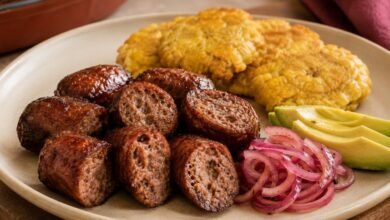
The prettiest dinner is often the one that looks lived-in. A plate of chicken kotleti with potatoes and cucumber salad. A bowl of soup with sour cream. A slice of cake slightly collapsing because it was actually cut. A plate of pasta with the sauce clinging like it has emotional intelligence. A platter of fruit on the table because someone wanted color and also something sweet after the main dish.
Pretty but real: warm main dish, fresh side, one bright element, one creamy or savory finish, and enough food for people to relax.
Too performative: a table that photographs well but feels like nobody is allowed to enjoy it.
That is why I love linking food style back to actual recipes. A dish like chicken kotleti with the kind of comfort that belongs at a real table says more about dinner lifestyle than another plate of decorative leaves. And if you want a broader table mood, easy Russian recipes for a cozy homemade dinner can turn one meal into a whole evening.
For the next thought in this food diary world, I would also keep pretty dinner with real appetite close by, because that is the heart of the whole thing: beauty that still lets people eat.
4. The grocery run is part of the aesthetic too
Not every beautiful food moment starts in a restaurant
The food girl aesthetic loves the grocery run because it is where dinner begins before dinner. Tomatoes in a paper bag. Herbs wrapped in damp paper. A good loaf of bread. A bunch of flowers you did not technically need. A lemon because the plate will look better and taste brighter. A little chocolate because life is not a spreadsheet.
A grocery run can be stylish without being staged. Hair clipped up. Tote bag. Soft sweater. Sunglasses. Sneakers. Lip balm. The small thrill of choosing ingredients instead of surrendering to whatever is at the back of the fridge. There is a quiet kind of confidence in knowing what you want to cook, even if what you want is “eggs, toast, tomatoes, and something salty.”
Buy for mood: one main ingredient, one fresh side, one bright herb or fruit, one comfort item, one little table detail.
Keep it human: convenience is allowed. A good dinner does not become fake because you bought pre-washed greens.
Home food is where the aesthetic becomes sustainable. Restaurants are wonderful. But a lifestyle cannot depend on reservations and perfect lighting. Sometimes the prettiest thing is knowing how to make an ordinary plate feel considered.
5. Solo dinner can be a self-respect ritual
Do not save the nice plate only for company
Solo dinner gets treated like the less glamorous version of dinner, but I disagree. A good solo dinner is one of the clearest signs that you know how to live with yourself. You do not need a full tablescape. You do not need a dramatic candle unless you want one. You just need to stop eating like your own comfort does not count.
Put the food on a real plate. Sit down for five minutes. Add something fresh if the meal is heavy. Add something warm if the day was cold. Drink water from a glass, not because it is aesthetic, but because it feels better. If you want to watch something, fine. If you want silence, also fine. Solo dinner is not a punishment. It is a little appointment with yourself.
Fast solo dinner: eggs, toast, tomatoes, pickles, cheese, tea, fruit. Not fancy. Completely respectable.
Comfort solo dinner: leftover kotleti, potatoes, cucumber salad, sour cream, and the kind of quiet that feels like a blanket.
The food girl aesthetic is not always social. Sometimes it is a table for one, and that table still deserves care.
6. Friend dinner is the new going out
The table replaced the party for a lot of people
There is a reason dinner with friends feels more precious now. It is social without needing to be loud. It gives everyone something to do with their hands. It has a beginning, middle, and dessert. You can dress cute without committing to a full night out. You can talk, eat, split fries, share dishes, complain about life, compliment someone’s cardigan, and go home at a civilized hour if needed.
Friend dinner is also where style becomes softer. You do not need to dress like you are being judged. You dress like you are entering the version of yourself your friends recognize: the girl who orders the good appetizer, the girl who always wants a sweet thing after, the girl who knows which place has the better lighting but pretends that is not why she chose the table.
Friend dinner outfit: jeans, pretty top, small earrings, jacket, comfortable shoes, lip gloss that survives conversation.
Friend dinner food mood: shared starter, one real main, one bright salad, one dessert for the table that everyone secretly wants more of.
This is where food becomes a social language. “Let’s get dinner” can mean I miss you, I need advice, I want to celebrate, I had a terrible week, or please tell me this text was insane.
7. Family recipes are the quiet luxury of food girl culture
Not everything beautiful comes from a trendy menu
Fashion people love to say “heritage” about coats, bags, jewelry, and brands. But food has heritage too. Sometimes more honestly. A family recipe carries hands, places, seasons, migrations, budgets, celebrations, substitutions, and the tiny arguments about how much garlic is correct.
This is why I do not want the food girl aesthetic to become only café croissants and restaurant pasta. That is pretty, yes. But the deeper version includes the foods people actually grew up with: soups, cutlets, dumplings, pancakes, stews, salads, pickles, cakes, breads, roasted potatoes, tea, jam, herbs, and the recipes nobody measured because everyone “just knows.” Very rude of them, honestly, but also beautiful.
Modern food girl move: serve a home recipe with a fresh side, pretty plate, good lighting, and zero embarrassment.
Best table energy: familiar food presented with care, not disguised as something trendier.
If someone is searching outside Diana Isabela for the broader Eastern European food world, where to find Russian kotleti and cozy Eastern European food can help connect the restaurant/search side with the home-table feeling. Food culture does not stop at one site or one plate.
The food girl pantry is more emotional than perfect
A food girl pantry does not need to look like a luxury grocery shelf arranged by an anxious stylist. It needs to help you make dinner feel possible. That is the whole point. If your pantry only looks good but cannot feed you, it is decor with a superiority complex.
Something starchy: potatoes, rice, pasta, noodles, bread, buckwheat, tortillas or crackers. Dinner needs a base.
Something fresh: cucumbers, tomatoes, herbs, greens, fruit, radishes, cabbage, lemon or whatever makes a plate wake up.
Something protein-rich: eggs, chicken, fish, beans, yogurt, cheese, tofu, leftovers, kotleti or anything that makes the meal feel grounded.
Something pickled or bright: pickles, sauerkraut, olives, kimchi, marinated mushrooms, vinegar, mustard or citrus.
Something cozy: tea, jam, soup ingredients, chocolate, cake, frozen dumplings, broth or the emergency meal that never judges you.
Something pretty: flowers, fruit bowl, cloth napkin, candle, small tray or one plate that makes ordinary dinner feel chosen.
How to make dinner feel like a lifestyle without making it exhausting
The easiest way to ruin a lifestyle is to turn it into homework. You do not need a perfect dinner every night. You need a few rituals that make dinner feel like it belongs to you.
Choose one thing to elevate. Not ten. One.
Maybe you plate the food instead of eating from the container. Maybe you add herbs. Maybe you light a candle. Maybe you put on earrings before going out. Maybe you pour sparkling water in a glass. Maybe you make a cucumber salad next to the warm dish. Maybe you take one photo and then put the phone down. Maybe you cook something from childhood and stop acting like comfort food is less stylish than restaurant food.
Monday dinner: low effort, but plated. Leftovers, fresh cucumber, tea, a real fork, no shame.
Wednesday dinner: something warm, something crunchy, something creamy. The plate needs contrast more than drama.
Friday dinner: outfit with intention, restaurant or homemade, one small beauty detail, one dish you actually want.
Sunday dinner: family-style, comfort food, leftovers planned on purpose, kitchen not expected to look like a catalog.
That is enough. A lifestyle is built from repeatable care, not a once-a-month table that looks expensive and leaves everyone tired.
Food girl mistakes I would retire immediately
Only ordering what photographs well. A beautiful dinner should still be satisfying. If the fries are calling, listen.
Confusing tiny portions with elegance. Small plates can be wonderful. Hunger pretending to be sophistication is not.
Making every meal a performance. Some meals are for photos. Some are for healing. Some are for eating over the sink while life regroups.
Ignoring home food. Restaurant food is not automatically more stylish than a homemade dish with history and good potatoes.
Dressing in clothes you cannot eat in. If the outfit makes you afraid of sauce, bread, sitting, or breathing, it is not dinner clothing. It is a decorative threat.
The food girl camera rule: take the photo, then return to the table
Food photos are not the enemy. I love a good food photo. I love remembering a table. I love seeing the color of the drink, the shine on the potatoes, the messy slice of cake, the hand reaching for bread. But the photo should not replace the dinner.
Take the picture quickly. Make it honest. Then eat while the food is still warm.
The best food diary images have life in them. A fork in the frame. A half-filled glass. A napkin folded badly. Someone’s bracelet near the plate. A candle that has actually burned down. Steam. Sauce. A little imperfection. That is what makes the image believable.
Diana’s photo rule: if the food gets cold because the photo needed twenty angles, the aesthetic has become the villain.
A dinner lifestyle should make the meal more memorable, not less enjoyable.
What to wear when dinner is the plan
The food girl aesthetic has a wardrobe, but it is not one uniform. It changes by the plate and the place. Pasta dinner wants something soft and easy. Sushi wants clean lines. A family table wants comfort with polish. A cozy Eastern European dinner wants clothes that can handle warmth, sitting, and a generous plate. A café dessert date wants a little charm. A restaurant with tiny tables wants sleeves that do not attack the sauce.
My dinner outfit advice is simple: choose clothes you can sit in, eat in, and feel pretty in. All three. Not two. Three.
Jeans, soft top, cardigan, delicate jewelry, clean sneakers or flats. Cute without looking like you misunderstood the reservation.
Soft pants, fitted tee, sweater or cardigan, hair clipped up, real plate, warm food. Comfort can still be styled.
Black trousers, good top, small bag, lip color, jacket. Something that works for the table and the photo outside after.
Wear something that lets you help, sit, eat, and laugh. Family dinner is not the place for a top that needs legal supervision.
The lifestyle is in the appetite, not the algorithm
The food girl aesthetic is at its best when it makes life fuller. Not thinner. Not more anxious. Not more expensive just to prove a point. Fuller.
It gives you permission to care about dinner. To enjoy the plate. To choose the restaurant with a mood. To make a family recipe and serve it beautifully. To dress for the evening. To keep a food diary. To remember meals as part of your life, not just fuel between tasks.
It also gives you permission to be normal. To eat leftovers. To cook something beige and improve it with pickles. To order the thing you want. To have a snack plate when the day was too much. To make chicken kotleti on a weeknight and decide that comfort food can be just as stylish as anything on a white tablecloth.
Dinner became a lifestyle because dinner was always where life gathered: friends, family, clothes, stories, cravings, comfort, taste, beauty, noise, quiet, and the small ritual of asking, “What are we eating?”
That question is never just about food.
FAQ: Food Girl Aesthetic
What is the food girl aesthetic?
The food girl aesthetic is a lifestyle mood built around enjoying food with style, appetite and intention. It includes pretty dinners, cozy meals, restaurant nights, food diaries, grocery runs, home cooking, dinner outfits and the small rituals that make eating feel more personal and memorable.
Is food girl aesthetic the same as girl dinner?
Not exactly. Girl dinner is often a low-effort snack-style meal or casual plate. The food girl aesthetic is broader. It can include girl dinner, but it also includes restaurant culture, home recipes, dinner outfits, family food, comfort meals, food diaries and real appetite.
How do I make dinner feel more aesthetic without doing too much?
Choose one small upgrade. Use a real plate, add herbs, pour a drink into a glass, light a candle, add fruit to the table, wear earrings, or plate leftovers nicely. You do not need a perfect tablescape for dinner to feel special.
Can comfort food fit the food girl aesthetic?
Absolutely. Comfort food may be the most honest version of it. Kotleti, potatoes, soup, pasta, dumplings, roasted vegetables, bread, cake and family recipes can all feel beautiful when they are served with care and enjoyed without pretending to be delicate.
What should I wear for a food girl dinner?
Wear something you can sit in, eat in and still feel pretty in. Jeans with a good top, black trousers with a soft blouse, a cardigan with a slip skirt, or a simple dress with comfortable shoes can all work depending on the place.
How do I start a food diary?
Start simply. Take a photo or write a short note about what you ate, where you were, who was there, what the mood felt like and whether you would eat it again. A food diary should feel personal, not like a perfect restaurant review.
Does food girl aesthetic have to be expensive?
No. A grocery-store dinner, homemade soup, leftovers on a real plate, a fruit bowl, or tea with cake can all fit the aesthetic. The point is not price. It is attention, taste and the feeling that the meal belongs to your life.
How do I take good food photos without ruining dinner?
Use natural light when you can, keep the frame honest, include one real-life detail, and take the photo quickly. If the food gets cold because you are still adjusting the angle, the photo has gone too far.
What foods fit the food girl lifestyle?
Anything with mood and actual pleasure can fit: pasta, kotleti, salads, soup, fruit, pastries, dumplings, grilled fish, bread, cheese, roasted potatoes, cakes, noodles, snack plates and homemade family dishes. It does not have to be trendy to be stylish.
Can I have a food girl aesthetic if I mostly eat at home?
Yes. Home dinners are a huge part of the aesthetic. A cozy plate, fresh side, pretty glass, soft outfit and a recipe you love can feel more personal than a restaurant meal. The table does not need to be public to be beautiful.