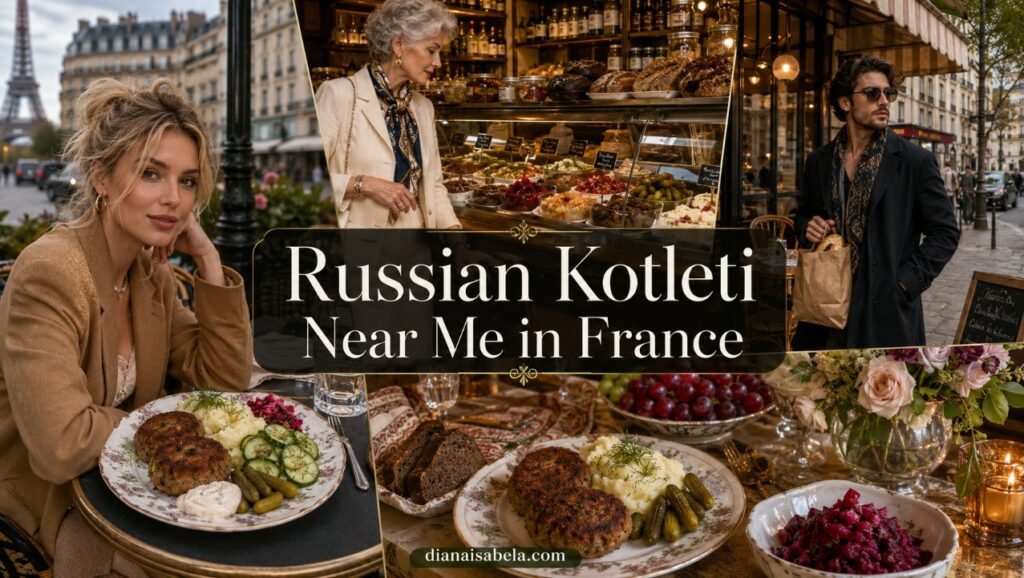
Russian Kotleti Near Me in France: Where to Find Cozy Eastern European Comfort Food


Searching for Russian kotleti near me in France is a tiny culinary mood swing. France is a country where dinner can be beautifully formal, casually perfect, deeply regional and somehow still capable of making a simple plate look like it has a philosophy degree. But when you want kotleti, you are not always looking for the polished bistro moment. You are looking for a softer kind of comfort: browned cutlets, potatoes or a simple grain, beet salad, cucumber, pickles, rye bread, sour cream, tea, and that quiet feeling of “finally, real dinner.”
France can give you that, but not always through the obvious search result. Russian kotleti may hide in Paris restaurants, Ukrainian cafés, Polish épiceries, Eastern European grocery stores, traiteurs, prepared-food counters, frozen sections, small family-run places or community food routes. The dish may appear as kotleti, kotlety, cutlets, boulettes, galettes de viande, escalopes hachées, or simply sit in a deli case looking humble while a croissant gets all the attention.
Very French. Very unfair.
This guide is for Paris, Nice, Lyon, Marseille, Strasbourg and anywhere else in France where the craving for Eastern European comfort food appears between bistro menus, bakery windows and grocery shelves. I’m going to show you how I would search, what words I would try, how to avoid confusing kotleti with French-style meat patties or croquettes, where delis matter, what sides make the plate feel complete, and how to turn a small food find into a dinner with actual style.
The French search problem: beautiful food everywhere, but not always the food you meant
France is not short on food. That is not the issue. The issue is that the food search landscape is already so rich that “Russian kotleti near me” can get buried under broader restaurant results, French bistros, international cafés, grocery listings, and menus that use translated words instead of the dish name you typed.
If you are in Paris, the search may be easier because there are more international food routes. In Nice, Lyon, Marseille or Strasbourg, it may depend more on neighbourhood, grocery stores, Eastern European communities, Polish shops, Ukrainian food routes or specialty markets. In smaller cities, a perfect restaurant result may not exist, but a shop with frozen pelmeni, pickles, rye bread, beet salad and prepared cutlets might.
That is why I would not search only like a tourist looking for a restaurant. I would search like a person building dinner: restaurants, cafés, épiceries, traiteurs, delis, frozen counters, prepared meals, community food, related dishes and side dishes.
Diana’s France rule: when France gives you too many pretty food options, search for the plate around kotleti. The sides, soups, pickles, salads and grocery shelves often reveal the right place before the word “kotleti” does.
For the broader local-search approach, my Eastern European kotleti search guide is the main starting point. This France page is the more specific bistro-versus-deli route: how to look for kotleti in a country where the best answer may be one arrondissement, one épicerie, or one counter tray away.
Search phrases I would try in France before giving up
In France, I would search in English, French and food-family language. Do not depend on one spelling. Menus and shops may translate the dish, shorten it, localize it, or forget to put it online altogether.
- Russian kotleti near me France
- Kotleti Paris
- Restaurant russe kotleti
- Épicerie russe plats préparés
- Épicerie ukrainienne près de moi
- Traiteur russe Paris
- Épicerie polonaise plats préparés
- Cuisine d’Europe de l’Est près de moi
- Boulettes russes maison
- Kotlety mielone France
- Pelmeni borscht kotleti
- Plats préparés slaves
Then add your city, district or neighbourhood: Paris 15e, Nice centre, Lyon 6e, Marseille, Strasbourg, or whatever area you can realistically reach. France rewards specific local searching. “Russian restaurant Paris” is useful; “épicerie russe plats préparés Paris” may be more useful if you actually want kotleti to take home.
Paris: start with restaurants, but do not stop there
Paris is the strongest place to begin because the city has density: Russian restaurants, Ukrainian food, Polish shops, international épiceries, specialty groceries, small cafés, traiteurs and enough neighbourhood food culture to make a proper search possible. But Paris can also distract you. A beautiful dining room is not the same thing as the kotleti plate you want.
If I were searching in Paris, I would start with “kotleti Paris,” “restaurant russe kotleti,” “traiteur russe Paris,” “épicerie russe plats préparés,” “restaurant ukrainien Paris,” “épicerie polonaise Paris,” and related dishes like pelmeni, vareniki, borscht, pierogi, cabbage rolls and beet salad. Then I would check photos. Not just interiors. Food photos.
Look for the plate language: cutlets, potatoes, beet salad, cucumber salad, pickles, rye bread, mushroom sauce, sour cream, dumplings, soups and prepared-food counters. If a place only gives you the aesthetic of Eastern Europe but not the actual food details, I would keep looking.
Paris is also where you may choose between a sit-down dinner and a shop-based dinner. Both can be stylish. A restaurant plate feels polished. A deli dinner can feel more intimate: kotleti, potatoes, a salad, pickles, good bread, tea at home, maybe a little candle because we are not animals.
If you want a French food mood alongside this contrast, my French bistro food guide is useful for understanding the difference between bistro pleasure and the Eastern European comfort-food craving we are chasing here.
Nice, Lyon, Marseille and Strasbourg each need a different search mood
Outside Paris, the search becomes more local and more practical. You may not find a restaurant that writes “Russian kotleti” clearly online. But you may find a Ukrainian café, a Polish shop, an Eastern European grocery, a specialty food store, a traiteur with prepared dishes, a frozen section or a community recommendation that gets you close.
Nice has international and expat food routes, but the search may lean toward restaurants and specialty shops rather than a large Eastern European food map. Lyon is a serious food city, so I would search restaurants, international groceries and prepared-food counters with equal attention. Marseille may require broader international grocery searches and community routes. Strasbourg is especially interesting because its location and Central/Eastern European proximity can make Polish, Ukrainian, Russian or broader Slavic food searches worth trying.
| French city | Best search angle | What I would check first |
|---|---|---|
| Paris | Russian restaurants, Ukrainian cafés, Polish épiceries, Eastern European groceries, traiteurs | Food photos, prepared counters, pelmeni, borscht, beet salad, pickles, rye bread |
| Nice | Russian food, Ukrainian food, international groceries, specialty prepared meals | Restaurant menus, takeaway options, frozen dumplings and cutlet-style dishes |
| Lyon | Eastern European grocery, Russian or Ukrainian restaurants, traiteurs, Polish shops | Prepared-food cases, side dishes, customer photos and recent opening hours |
| Marseille | International food shops, Eastern European grocery routes, Ukrainian and Polish searches | Community recommendations, social posts, frozen and chilled prepared meals |
| Strasbourg | Polish, Ukrainian, Russian and Central/Eastern European food searches | Kotlety, pierogi, cabbage dishes, rye bread, pickles and house-made meals |
Do not let the lack of one obvious “Russian kotleti” result decide the whole city. Search by nearby foods. Search by business type. Search in French. Then check whether the photos show the food universe around the dish.
Kotleti are not French boulettes, and that distinction matters
France has plenty of dishes involving minced meat, patties, croquettes, boulettes, farce, terrines, pâtés and little things that can look related from a distance. That does not make them kotleti.
Russian kotleti are usually a home-style cutlet dinner. They are not primarily a bistro croquette, not a meatball in sauce, not a burger patty, not a French charcuterie item, and not just any “boulette.” The texture, seasoning and sides create the identity. The plate should feel like Eastern European comfort food, not like the menu had a vague meat moment and hoped nobody would ask questions.
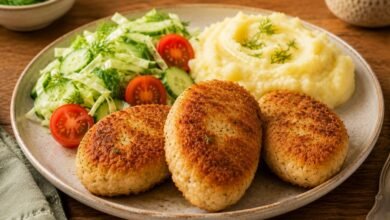
Soft pan-fried cutlets served as a main dish with potatoes, beet salad, cucumber salad, pickles, rye bread, sour cream, mushroom sauce or other cozy sides.
Meatballs or minced meat preparations that can be delicious but may belong to a different dish tradition, often served with sauce, vegetables or pasta-style sides depending on the restaurant.
Usually a different texture and idea: crisp, shaped, sometimes potato-based or filled, and not the same as the soft Eastern European cutlet dinner.
A close comfort-food cousin and a very useful alternative if Russian kotleti are not nearby. Look for potatoes, beetroot, cabbage, cucumber salad or pickles.
If the word “cutlet” itself is causing confusion, my Russian kotleti vs Russian cutlets article explains the naming issue more directly. In France, the added challenge is that French menu language can make a dish sound elegant while hiding the fact that it is not the plate you came for.
The épicerie and traiteur route may be your best friend
In France, I would take épiceries and traiteurs seriously. A small Russian, Ukrainian, Polish or Eastern European grocery may not look like a restaurant search result, but it can be exactly where the comfort food lives. Prepared salads, frozen dumplings, pickles, rye bread, smoked fish, cakes, spreads and chilled mains all matter.
Sometimes you find kotleti not as a plated restaurant dish, but as something to take home. That is not a downgrade. That is dinner with options.
In the prepared-food case: look for cutlets, salads, cabbage dishes, beetroot, potatoes, dumplings, chilled meals and anything labeled maison or fait maison.
In the freezer: check for pelmeni, vareniki, pierogi, cabbage rolls, cutlets or other Eastern European prepared foods.
On the shelf: rye bread, pickles, buckwheat, mustard, sauces, sour cream-style products and preserved vegetables can complete the plate.
At the counter: ask what is homemade, what arrived fresh, what reheats well and whether the cutlets are pork, beef, chicken or mixed meat.
For more detail on this kind of search, my Russian deli near me guide is a helpful companion. France uses different words, but the practical questions are the same: what is made in-house, what sides are available, what travels well, and what actually looks like dinner.
Polish and Ukrainian food routes are completely worth checking
If exact Russian kotleti are not easy to find, do not stop. Polish and Ukrainian food routes can be very useful in France.
Polish kotlety mielone are close comfort-food relatives: minced meat cutlets, often served with potatoes, beetroot, cabbage, cucumbers or pickles. Ukrainian kotlety can be even closer to the plate you may be imagining. The seasoning and serving traditions may differ, but the dinner structure is familiar: warm cutlet, proper side, something sharp, maybe sour cream or sauce, bread, tea, no tiny performative portions.
Search “épicerie polonaise,” “traiteur polonais,” “restaurant ukrainien,” “épicerie ukrainienne,” “plats préparés ukrainiens,” and dish names like pierogi, varenyky, pelmeni, borscht, cabbage rolls, beet salad and pickles. The exact word kotleti may not appear, but the food environment might.
This is especially useful outside Paris, where one narrow Russian restaurant search may not show much. A Polish shop or Ukrainian food route can give you the closest honest plate, which is sometimes better than chasing a perfect label and staying hungry.
How I would build the French kotleti plate
In France, I would let the plate feel Eastern European, but I would not ignore French table logic. The meal can be cozy and still a little elegant. It does not need to look heavy, beige or random.
- Choose the cutlet first. If it is actual kotleti or kotlety, build around it. If it is a French-style boulette or croquette, decide whether it truly answers the craving.
- Pick potatoes with intention. Pommes purée, boiled potatoes, roasted potatoes or a simple potato salad all work. This is France; potatoes are allowed to have standards.
- Add freshness. Cucumber-dill salad, tomato-cucumber salad, grated carrot salad, cabbage salad or a crisp green salad can balance the cutlets.
- Use beetroot carefully. Beet salad is classic, but it should not be the only colour on the plate. Add pickles or cucumber for brightness.
- Bring in sauce if needed. Mushroom sauce, sour cream, crème fraîche with herbs or a light dill sauce can work. Keep it supportive, not drowning.
- Choose bread that makes sense. Rye bread is ideal if available. A good rustic bread can work in France if the rest of the plate stays Eastern European.
For more side ideas, my Russian kotleti side pairing guide goes deeper into potatoes, salads, sauces and how to make the meal feel complete without repeating the same plate every time.
Takeaway in France: keep the pretty, avoid the soggy
Kotleti can work beautifully as takeaway or a take-home deli dinner, but only if you do not let the packaging ruin the plate. Hot cutlets should not sit on cold cucumber salad. Beet salad should not warm up in a sealed box next to potatoes. Sauce should not arrive as a small flood. These are not fancy rules. They are dinner self-respect.
If you are ordering from a restaurant, ask for sauce separately when possible. Choose sides that travel well: boiled potatoes, roasted potatoes, potato salad, cabbage salad, pickles, rye bread, carrot salad, cucumber salad. If you buy from an épicerie or traiteur, ask whether the cutlets are ready to eat, chilled or frozen. Reheat gently. Keep salads cold. Put everything on an actual plate.
A French apartment table, a small hotel-room meal, a picnic-style dinner near a window, a quiet plate after walking all day — all of these can work. The key is structure. Warm main, side, sharp thing, fresh thing, bread, sauce if needed.
For more detail on what travels well and what needs separation, use my kotleti takeaway notes. The advice applies especially well when the meal comes from a deli counter rather than a formal restaurant.
Reviews in France: look for food proof, not just atmosphere
French restaurants can be very good at atmosphere. Beautiful chairs, golden lights, tiny tables, the kind of glassware that makes water feel more expensive than it is. Lovely. I enjoy it. But when I am looking for kotleti, I want proof of the food.
Customer photos matter. Counter photos matter. Menus with actual dish names matter. Recent social posts matter. A pretty room does not tell me whether the cutlets are homemade, whether the sides are right, or whether the place is serving real Eastern European comfort food or just a vague international menu with one lonely item.
Good signs
Recent photos of cutlets, dumplings, borscht, prepared salads, rye bread, pickles, potatoes, beetroot, deli counters, frozen Eastern European foods and reviews mentioning home-style cooking.
Question marks
Only interior photos, no plate photos, no side dishes, no clear Eastern European menu context, or a listing that looks more “Russian-themed” than actually useful for dinner.
Check recency
Small restaurants and groceries change menus, owners, hours and prepared-food options. A current photo is worth more than a beautiful review from years ago.
The same logic appears in my comfort-food review method. For this kind of search, photos and specific food words are more useful than vague praise.
When the exact kotleti search fails, choose the closest honest dinner
Sometimes the answer is not “no.” It is “not under that name.”
If you cannot find Russian kotleti nearby in France, search Ukrainian kotlety, Polish kotlety mielone, homemade cutlets, Eastern European prepared food, pelmeni, vareniki, pierogi, cabbage rolls, borscht, beet salad, cucumber salad, pickles and rye bread. You may not get the exact dish, but you can still build the same dinner feeling.
The important thing is not to let French food abundance distract you from the craving. Steak frites is wonderful. Onion soup is wonderful. A perfect omelette is wonderful. But if you wanted kotleti, those dishes may not answer the emotional brief. Choose a close comfort-food cousin instead of pretending a completely different meal did the job.
The France backup: if exact Russian kotleti are not available, look for Polish, Ukrainian or Eastern European cutlet-style dishes and build the plate with potatoes, salad, pickles, bread and a creamy or mushroom sauce.
For the dinner-out version, dress like comfort food can still be chic
This is still Diana, so yes, the outfit gets a corner of the table. In France, food and style already talk to each other. A kotleti dinner does not need an overdone look, but it does deserve a little intention.
For Paris, I like a soft knit, tailored trousers, a midi skirt with boots, a trench or wool coat, small earrings, and a bag that can handle both lipstick and a surprise deli purchase. For Nice, lighten it: linen, a relaxed dress, low sandals, a cardigan for evening. For Lyon or Strasbourg, a polished coat and comfortable shoes make sense because the best food find may require walking. For Marseille, easy layers and a bag that survives real life.
If your day becomes more French-bistro than deli-counter, the French bistro dinner mood can help you think about the table differently. If it becomes a dumpling-and-cutlet dinner with friends, keep the outfit relaxed enough to actually eat. Style is not supposed to punish appetite.
France will not always label the craving for you
The best Russian kotleti search in France is not about one perfect phrase. It is about reading the food landscape.
You search Russian. You search Ukrainian. You search Polish. You search épicerie, traiteur, plats préparés and cuisine d’Europe de l’Est. You check Paris, but you also check Nice, Lyon, Marseille and Strasbourg with local terms. You look at photos. You read menus carefully. You do not confuse every boulette with kotleti. You ask what is made in-house. You buy the sides that turn a cutlet into dinner.
The result might be a proper Russian restaurant plate in Paris, Ukrainian kotlety from a small café, Polish kotlety mielone from an épicerie, a frozen kotleti dinner from a specialty grocery, or a take-home plate you make beautiful with potatoes, cucumber salad, beetroot, pickles and bread.
That is not a failed search. That is how food travels.
And honestly, there is something very stylish about finding the cozy plate in a country famous for polished dining. It means you know what you want. It means you can appreciate a bistro and still crave cutlets. It means dinner belongs to you, not the algorithm, not the menu translation, not the prettiest chair in the room.
FAQ: Russian kotleti in France
Can I find Russian kotleti in France?
Yes. Russian kotleti can be found in France through Russian restaurants, Ukrainian cafés, Polish épiceries, Eastern European grocery stores, traiteurs, prepared-food counters and frozen sections. Paris is usually the easiest starting point, but other cities can have options too.
What should I search for besides Russian kotleti near me in France?
Try restaurant russe kotleti, épicerie russe plats préparés, traiteur russe, épicerie ukrainienne, épicerie polonaise, cuisine d’Europe de l’Est, boulettes russes maison, kotlety mielone, pelmeni, borscht and plats préparés slaves with your city or neighbourhood.
Which French cities are best for finding kotleti?
Paris is the strongest starting point because it has more Russian, Ukrainian, Polish and international food routes. Nice, Lyon, Marseille and Strasbourg may also have useful restaurants, specialty groceries, prepared-food counters or Eastern European shops, but you may need broader search terms.
Are Russian kotleti the same as French boulettes?
Not exactly. French boulettes are meatballs or minced meat preparations, while Russian kotleti are Eastern European home-style cutlets usually served as a dinner plate with potatoes, salads, pickles, bread and sauce. They can look related, but the dish tradition is different.
Can I buy kotleti from an épicerie or traiteur in France?
Often, yes. Russian, Ukrainian, Polish or Eastern European épiceries and traiteurs may sell prepared, chilled or frozen cutlets. Ask what is homemade, what meat is used, how to reheat them and which sides are available.
What sides go best with kotleti in France?
Pommes purée, boiled potatoes, roasted potatoes, cucumber-dill salad, cabbage salad, grated carrot salad, beet salad, pickles, rye bread, sour cream, crème fraîche with herbs and mushroom sauce can all work well.
Are Polish kotlety mielone a good alternative in France?
Yes, they can be a good alternative when Russian kotleti are not nearby. Polish kotlety mielone are minced meat cutlets and are close comfort-food relatives, especially when served with potatoes, beetroot, cabbage or pickles.
Do kotleti work well for takeaway in France?
Kotleti usually work well for takeaway if packed properly. Keep sauce separate, keep cold salads away from hot cutlets, and choose sides like potatoes, cabbage salad, pickles or bread that travel well.
How do I know if a French restaurant or shop has good kotleti?
Look for recent food photos, prepared-food counter images, house-made labels, and sides like potatoes, beet salad, cucumber salad, pickles, rye bread and sour cream. A place that also sells pelmeni, vareniki, pierogi, borscht or Eastern European salads is usually more promising.
What if there are no Russian restaurants near me in France?
Search Ukrainian cafés, Polish épiceries, Eastern European groceries, traiteurs, frozen food sections and prepared-food counters. If exact Russian kotleti are not available, try Ukrainian kotlety, Polish kotlety mielone or another honest Eastern European comfort dish.