How I Use Google Reviews, Yelp Photos and Facebook Comments to Find Real Comfort Food

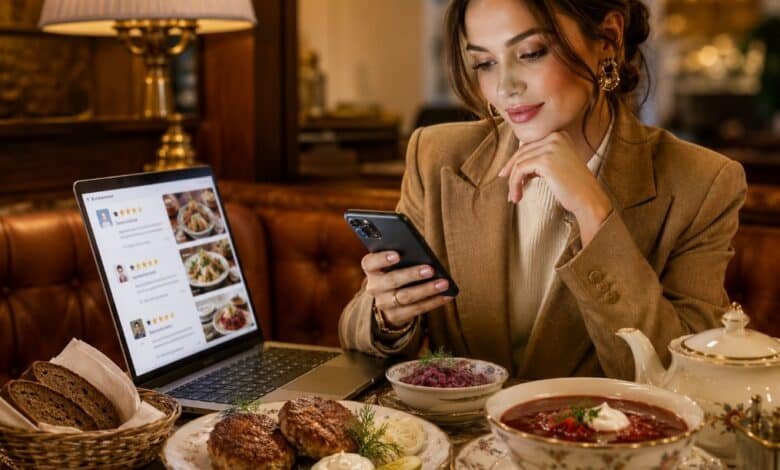
I do not choose comfort food by star rating alone.
That is amateur behavior, and honestly, it is how people end up eating something with good lighting and no soul.
When I am hungry for real food — the kind that feels warm, generous, and not afraid of potatoes — I read reviews like evidence. Google reviews, Yelp photos, Facebook comments, delivery app notes, old customer pictures, badly lit deli counter photos, tiny complaints, emotional praise, local gossip. All of it.
Because the best comfort food near you is not always the restaurant with the prettiest website. Sometimes it is the Russian deli with a chaotic Facebook page, the Ukrainian grocery with prepared food by weight, the Polish café with one perfect soup, or the Eastern European restaurant where every third review mentions “homemade” like it is a sacred word.
This is how I search when I want food that behaves like dinner.
My review rule: I do not ask, “Is this place cute?” first. I ask, “Do people come back for the food?” Cute can wait. Hunger cannot.
If your comfort-food craving is specifically about kotleti, use my deeper local kotleti search guide alongside this review method. This page is not about one dish only. It is about reading the internet like a woman who refuses to be fooled by beige food and flattering restaurant photography.
I Start With the Bad Photos
Perfect photos are useful, but bad photos are honest.
I want the customer picture taken under fluorescent lights. I want the blurry plate someone photographed before they remembered to be aesthetic. I want the deli counter shot with half the tray already gone. I want to see the soup after it reached the table, not after the restaurant arranged it for a marketing moment.
That is where the truth lives.
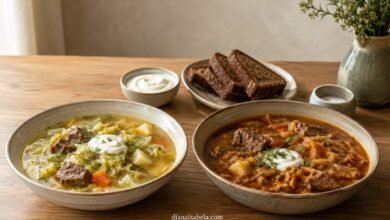
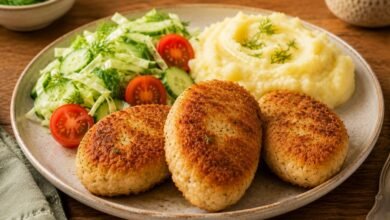
If the food still looks good in an unglamorous customer photo, I pay attention. If the kotleti look juicy, the cabbage salad looks fresh, the borscht has real color, the dumplings look soft but not collapsed, the rye bread looks dark and proper — good. That tells me more than a polished hero image ever will.
And if every photo looks dry, gray, tired, or like the plate was assembled by someone who resents dinner, I move on.
Restaurant photography can flirt. Customer photos confess.
The Words I Search Inside Reviews
I do not just scroll. I search within reviews.
On Google, Yelp, and sometimes Facebook, I look for words that reveal whether the place serves real comfort food or just claims to. “Authentic” is fine, but it is too broad. “Homemade” is better. “Fresh prepared food” is better. “I bought extra to take home” is excellent.
Words I trust: homemade, fresh, comforting, prepared food, deli counter, hot bar, by weight, regulars, generous, soup, dumplings, cutlets, kotleti, cabbage rolls, rye bread, pickles.
Words I question: trendy, cute, aesthetic, small portions, nice decor, okay food, good vibes, expensive but pretty.
Words that make me open another tab: dry, old, cold, soggy, bland, stale bread, poor packaging, reheated badly, watery soup, rude counter, empty trays.
Notice the difference. The first group talks about food. The second group might only be atmosphere. The third group is a warning label with punctuation.
A beautiful room is lovely. I am not against beauty. I run toward beauty. But if nobody mentions what they ate, I become suspicious.
Google Reviews Tell Me If Locals Return
Google reviews are usually where I start because they show volume, photos, menu snippets, busy times, and customer habits. But I do not treat the star rating as the final answer.
A 4.3 with detailed reviews can be more useful than a 4.8 with five vague comments from people who only wrote “amazing.” Amazing what? The lamp? The parking? The emotional concept of lunch?
I look for repeat language. If different people mention the same dishes — borscht, pierogi, pelmeni, kotleti, cabbage rolls, prepared salads, rye bread, honey cake — that is a signal. If several reviews say the food reminds them of home, that is another signal. If locals mention buying food for holidays, family dinners, catering, or takeout, I lean closer.
Comfort food is not built on hype. It is built on people returning.
I use the same review-reading method when I am choosing a tea shop. Customer photos can reveal whether the pearls look fresh, the fruit tea is actually tea-based and the drinks are made with care rather than photographed well once. My guide to finding better bubble tea near you explains which reviews, photos and shop details are worth checking before you order.
I trust a place more when someone writes, “I always get the cabbage rolls and beet salad,” than when someone writes, “Super cute interior.” A loyal order is evidence. A chandelier is just a chandelier.
Yelp Photos Help Me Judge Texture
Yelp is useful when I need more photos, especially for texture. Is the schnitzel crisp? Are the dumplings shiny and soft? Are the cutlets browned? Is the buckwheat fluffy or clumped into sadness? Does the cabbage salad look alive?
Texture matters in comfort food.
For Eastern European food, I look at the supporting cast: salads, bread, potatoes, soups, pickles, sauces. A restaurant that cares about sides usually cares about the meal. A place that throws one lonely cutlet on a plate with a pale scoop of something may technically be serving dinner, but spiritually I have concerns.
If I am checking a Russian or Eastern European restaurant, I compare photos across dishes. One good plate can be luck. Ten solid plates mean the kitchen has habits.
Facebook Comments Are Messy, Which Is Why I Read Them
Facebook is not elegant. That is exactly why it can be useful.
Small delis, family restaurants, bakeries, and community food shops may post daily specials on Facebook before they update any formal menu. Sometimes the real information is in the comments: “Do you have kotleti today?” “Are the pierogi potato or cheese?” “Can I order a tray for Friday?” “Is the borscht fresh?” “Do you still have stuffed cabbage?”
That is gold.
Facebook comments can show what regulars ask for, what sells out, what is made only on certain days, and whether the business actually responds. For prepared foods, this matters more than a sleek website.
Facebook clue: If people are asking about trays, holidays, pickup times, fresh batches, or what is available today, the place may have a real prepared-food culture.
A restaurant website may tell you what the business wants to be. Facebook comments often tell you how people actually use it.
I Read Negative Reviews Differently
Negative reviews are not always bad news.
Some people complain because food was truly bad. That matters. But some people complain because the restaurant is traditional, portions are large, flavors are unfamiliar, service is direct, the room is old-fashioned, or the menu is not designed for people who need every dish explained in a soft font.
That kind of complaint can accidentally recommend the place.
If someone says, “This was too heavy,” I ask: heavy in a bad way, or heavy because they ordered dumplings, cutlets, potatoes, soup, bread, and dessert and then blamed the culture?
Context matters.
My negative-review filter: I take complaints about freshness, cleanliness, wrong orders, cold food, dry meat, bad packaging and stale bread seriously. I take “too traditional” with a grain of salt and possibly sour cream.
The Review Pattern I Like Most
The best pattern is not perfection. Perfection online can be suspicious.
What I like is consistency: many people mentioning specific dishes, a few realistic complaints, regular customers, lots of food photos, and signs that the place is busy enough for turnover. Especially with delis, turnover matters. Prepared food should move. A half-empty tray can be a better sign than a perfectly full one that looks untouched.
For Russian delis and Eastern European prepared food, I look for mentions of food by weight, fresh salads, hot counter, frozen items, catering, rye bread, soups, and takeout. For restaurant dining, I look for dishes: borscht, pelmeni, vareniki, pierogi, kotleti, cabbage rolls, potato pancakes, buckwheat, kielbasa, honey cake.
If you are trying to search beyond restaurants and into prepared-food counters, my Russian deli counter guide goes deeper into what to buy and how to read the case.
My Little “Would I Eat Here Tonight?” Test
I ask myself five things before choosing a place.
Do the customer photos make the food look edible after the glamour is gone? If yes, continue.
Do reviews mention specific dishes by name? This matters more than vague praise.
Do locals sound like they return? Regulars are the best unpaid research team.
Do the sides look cared for? Salads, bread, soup and pickles reveal the kitchen’s attitude.
Would the food still make sense as takeout? If the answer is yes, the place may be practical, not just pretty.
This is my version of a restaurant audit. Not formal. Very effective.
Delivery Reviews Need Their Own Reading
A restaurant can be good and still be terrible for delivery.
That is important.
When I am looking at takeout or delivery, I stop caring about candles, music, service mood, and table spacing. I care about packaging, temperature, travel time, sauce, texture, and whether the food still feels like dinner when it arrives.
For kotleti, dumplings, cabbage rolls, soups, and deli foods, I search reviews for: arrived hot, packed well, sauce separate, not dry, fresh salad, good portions, reheats well, still crispy, no leaks, reliable pickup.
If I see repeated complaints about cold food, spilled soup, soggy fried items, missing sides, or sauce dumped over everything, I do not order delivery from there unless I am emotionally prepared for chaos.
For kotleti specifically, my Russian kotleti takeout notes explain what travels well, what to ask for separately, and how to reheat without ruining the texture.
The Dish-Specific Review Method
Broad restaurant reviews can be misleading because one place may do one dish beautifully and another badly. So I search dish by dish.
If I want soup, I search “borscht” or “mushroom soup.” If I want dumplings, I search “pierogi,” “vareniki,” or “pelmeni.” If I want cutlets, I search “kotleti,” “cutlets,” “meat patties,” and sometimes “homemade.” If I want a full Eastern European dinner, I search the restaurant photos for potatoes, buckwheat, cabbage salad, beet salad, pickles, and rye bread.
This avoids the classic mistake: choosing a place because one dessert photo looked good, then ordering dinner from a kitchen that clearly only excels at cake.
Do not review the restaurant in your head. Review the exact dinner you are about to order.
The Comfort Food Red Flags I Do Not Ignore
Some red flags are not dramatic. They are quiet.
No customer photos of food. Only decor. No reviews naming dishes. A menu that says “homemade” but no one in reviews agrees. Prepared food trays that look untouched. Bread that looks dry. Salads that look watery. Soups with no color. Dumplings that look split or mushy. Delivery reviews complaining about packaging again and again.
One red flag is not always enough to reject a place. But several together? No.
Food does not have to be perfect. It does have to look cared for.
The Green Flags That Make Me Save a Place
These are the things that make me bookmark a restaurant, deli, bakery, or grocery.
People mention regular orders. The photos show variety. The prepared food counter looks active. The same dish appears again and again in reviews. Customers mention holidays or family meals. Someone praises the bread. Someone says the soup tastes homemade. Someone bought food to take home after eating there. Someone says the salads are fresh.
That is comfort food authority. Not in an academic way. In a “people trust this place with dinner” way.
My favorite review sentence is not “best restaurant ever.” It is “I always stop here for soup and bread when I’m in the area.” That sounds like a real relationship.
When Style Still Matters
Because yes, I care about food first. But I am still Diana.
Atmosphere matters when it supports the meal. A cozy room, good lighting, proper table settings, a beautiful deli case, flowers on the counter, an old-world interior, a polished bakery window — these things matter because they tell you the place has a point of view.
But style cannot replace the food.
A restaurant can be gorgeous and forgettable. A deli can be plain and unforgettable. The best places have both: food that satisfies and enough atmosphere to make the experience feel like a small discovery.
If I am going out with friends, I may care more about the room. If I am searching for takeout, I care more about the counter. If I am planning a cozy dinner outfit, I might also open my dumpling and kotleti dinner outfit guide, because food and clothes absolutely belong in the same evening when done properly.
The Search Moves I Actually Use
Here is the short version of my process.
I start with Google Maps. I search the broad phrase first: comfort food near me, Eastern European food near me, Russian deli near me, Ukrainian food near me, Polish food near me, or whatever the craving suggests. Then I open photos before the menu. Then I search reviews by dish. Then I compare Google with Yelp. Then I check Facebook if the place looks small, local, or deli-based.
If I am ordering delivery, I read the delivery-specific complaints. If I am eating in, I care more about dish consistency and atmosphere. If I am buying prepared food, I care about freshness and turnover. If I am planning takeout, I care about packaging and sides.
That is the method.
My order of trust: repeated customer photos, specific dish reviews, local regulars, active prepared-food counters, realistic complaints, then menu descriptions. The menu is not first. The evidence is first.
What This Changes About “Near Me” Searches
Most people search “near me” as if Google will magically understand appetite.
It will not.
You have to teach it what you mean. Not just food. Real food. Comfort food. Eastern European food. Kotleti. Dumplings. Soup. Deli counter. Prepared food. Takeout that travels. Bread that looks worth buying. Salads that do not look exhausted.
Once you start reading reviews this way, the search gets smarter. You stop choosing the place with the loudest marketing and start choosing the place with the strongest food signals.
That is how I find real comfort food.
Not by trusting one rating.
By reading between the stars.

FAQ
How do I use reviews to find good comfort food near me?
Start with customer photos, then search reviews for specific dishes and practical clues. Look for words like homemade, fresh, prepared food, soup, dumplings, cutlets, rye bread, regulars and takeout. Specific reviews are more useful than vague praise.
Are Google reviews enough to choose a restaurant?
Not always. Google reviews are a good starting point, but you should also check photos, dish-specific mentions, Yelp images, Facebook comments and delivery reviews if you plan to order takeout.
Why are customer photos important?
Customer photos show what the food looks like in real life, not only in styled restaurant images. They help you judge texture, portion size, freshness, sides, packaging and whether the food still looks good without perfect lighting.
What should I search inside reviews?
Search for the dish you want. For Eastern European comfort food, try borscht, pierogi, vareniki, pelmeni, kotleti, cutlets, cabbage rolls, buckwheat, rye bread, prepared food, deli counter, soup, salads and homemade.
How can I tell if a deli has good prepared food?
Look for reviews that mention fresh prepared food, food by weight, hot counter, regular customers, salads, bread, catering and specific dishes. Photos of active trays and repeated praise for particular foods are strong signs.
Should I trust negative reviews?
Some negative reviews are very useful, especially if they mention dry food, stale bread, cold delivery, poor packaging, old salads or cleanliness issues. But complaints like “too traditional” or “too heavy” may simply come from someone who wanted a different kind of meal.
How do I read reviews for takeout?
Focus on packaging, temperature, sauce, texture and delivery reliability. Look for comments about food arriving hot, sauce packed separately, good portions, fresh salads, no leaks and dishes that reheat well.
What are red flags in food reviews?
Red flags include repeated complaints about cold food, dry meat, stale bread, poor packaging, old prepared foods, watery soups, missing items, soggy fried dishes and reviews that praise only decor but never mention the food.
What are green flags in comfort food reviews?
Green flags include regular customers, specific dish names, fresh-looking customer photos, people buying extra to take home, praise for soups or bread, active deli counters and comments about homemade flavor.
How can I find real comfort food if search results are weak?
Search by dish and place type, not only by cuisine. Try phrases like Russian deli near me, Eastern European prepared food, Ukrainian grocery, Polish food, pierogi near me, kotleti near me, borscht near me, or comfort food takeout near me.