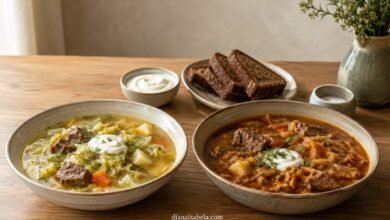
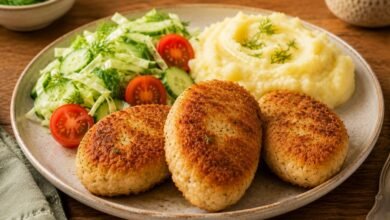
Russian Store Near Me: What to Buy, How to Search, and How to Build a Cozy Eastern European Dinner

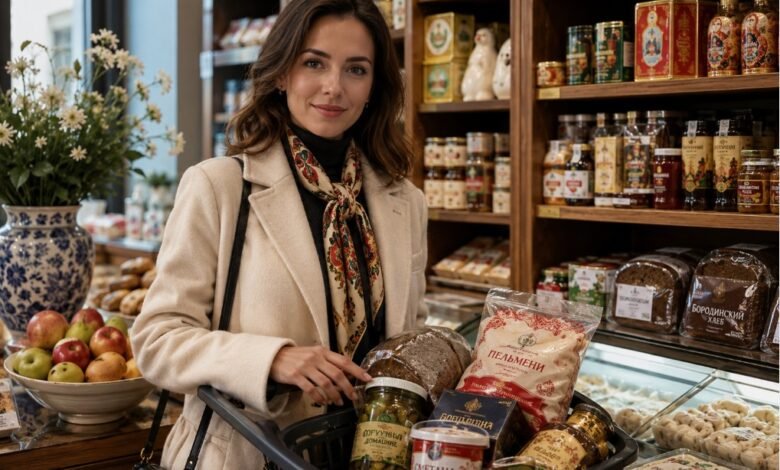
Searching for a Russian store near me sounds easy until the map results start acting like a badly organized closet. One place calls itself a Russian grocery. Another is listed as a European market. A third says deli, but the freezer is full of pelmeni, the bread shelf has dark rye, and the cashier knows exactly which sour cream belongs with dumplings.
That counts. Actually, that may be the best one.
This is my practical, food-loving guide to finding a Russian store, Slavic grocery, Russian deli, or Eastern European market near you — and knowing what to buy once you get inside. I am not interested in a random basket of mysterious jars that looks exciting for ten minutes and then becomes fridge guilt. I want a basket that turns into dinner, tea, breakfast, snacks, pantry comfort, and maybe one unnecessary sweet thing because we are civilized.
Think of this article as a grocery-store audit with Diana energy: part food diary, part shopping strategy, part “please do not buy a giant jar of something you cannot identify just because the label is pretty.”
Article contents
Use this as your quick map. Jump to the part you need, or read through if you want the full store strategy before your first visit.
Search smarter than one phrase
A good Russian store is not always called a Russian store. In many cities, the best place may be listed as an Eastern European market, European grocery, Slavic food store, Ukrainian grocery, Polish market, international deli, Russian deli, or specialty European food store. The map label can be vague. The shelves are usually more honest.
So I do not search once and give up. I search in layers. First the obvious phrase, then the broader phrases, then the food-specific phrases. “Russian store near me” may miss a market that carries the exact pelmeni, rye bread, sour cream, smoked fish, tea, and preserves you wanted, only because the owner chose a broader name.
One more thing: the store may not be purely Russian. It may carry Russian-style products alongside Ukrainian, Polish, Baltic, Georgian, Armenian, Balkan, or Central Asian foods. That is often a strength, not a problem. A mixed Eastern European market can give you better choices: dumplings, rye bread, sour cream, pickles, cakes, tea, preserves, sausage, smoked fish, sauces, spices, pastries, and frozen comfort foods that regular supermarkets usually do not understand.
If you are looking mostly for ready-to-eat salads, fish, cooked foods, and cold cuts, use my guide to finding a Russian deli that actually feels worth the stop. If you want a sit-down meal or takeout, the page about where to find Russian kotleti and cozy Eastern European plates is the better eating-out route. This page is the grocery run: what to search, what to check, what to buy, and how to turn it into food at home.
The first five-minute store scan
Before I fall in love with a tea tin or start acting like every jar is a personality test, I do a quick scan. It is not dramatic. It is practical.
Is the bread shelf fresh or tired? Does the freezer look organized? Are the dairy dates reasonable? Do people actually buy from the deli counter? Are the jars dusty? Are prices clear enough? Do the shelves look cared for, or does everything feel like it has been waiting since a different decade?
A small store can be wonderful. Some of the best Russian and Eastern European groceries are compact, old-school, and not trying to impress anyone with interior design. What matters is turnover, freshness, and whether you can build a real meal from one trip.
Good signs: fresh bread, active freezer cases, clear dates, stocked dairy, steady customers, helpful staff, and reviews that mention specific products.
Be careful: repeated complaints about expired items, messy freezers, old deli food, unclear prices, empty shelves, or reviews saying the store used to be better.
Do not judge only by decor. A glossy store can be mediocre. A plain store can be magic. But if the bread, freezer, deli, dairy, and tea sections all look alive, you may have found a place worth saving.
The freezer is the weeknight dinner department
If I had only one section to inspect, I would start with the freezer. This is where a Russian or Eastern European grocery can become genuinely useful. Pelmeni, vareniki, blini, frozen berries, syrniki, pierogi-style dumplings, stuffed pancakes, cutlets, fish, pirozhki, and other frozen dishes can save dinner when you are tired, hungry, and not emotionally available for complicated cooking.
Pelmeni are usually small dumplings with meat filling. Vareniki are often larger and may be filled with potato, farmer cheese, cabbage, mushrooms, cherries, or sweet cheese. Blini can be plain, sweet, or filled. Frozen syrniki can be lovely for breakfast if you reheat them gently instead of treating them like emergency nuggets.
The beginner mistake is buying the first bag that looks familiar. Check the filling. Check the weight. Check whether it is meant to be boiled, pan-fried after boiling, baked, or reheated another way. If the package has a language you do not read, take a photo and translate it or ask someone in the store. Grocery confidence is built one dumpling bag at a time.
Pelmeni are the safest beginner dinner. Potato vareniki are cozy and filling. Mushroom or cabbage fillings are excellent when you want comfort without too much heaviness.
Sour cream matters. A good smetana-style sour cream makes dumplings, pancakes, potatoes, soups, and cutlets taste complete instead of lonely.
Pickles, cabbage salad, marinated mushrooms, beet salad, or cucumber-dill salad cut through richness. This is the difference between a cozy plate and a sleepy plate.
If you want a full Russian-style dinner at home, freezer dumplings plus sour cream and pickles is the easiest start. If you want the restaurant version of the same comfort-food craving, read my guide to what to order with Russian kotleti so the plate feels complete.
The bread shelf has main-character energy
Do not skip the bread. Dark rye, Borodinsky-style bread, seeded loaves, sliced black bread, soft batons, pirozhki, vatrushki, poppy seed rolls, and festive breads can change the whole basket. Bread is not just a side here. It is a mood, a table anchor, and sometimes the reason the entire shopping trip suddenly makes sense.
A fresh dark loaf makes smoked fish better. It makes butter feel elegant. It makes soup feel complete. It makes a quick plate of pickles, salad, and cheese look intentional. If you have ever come home with good bread and felt like your kitchen got upgraded, you understand.
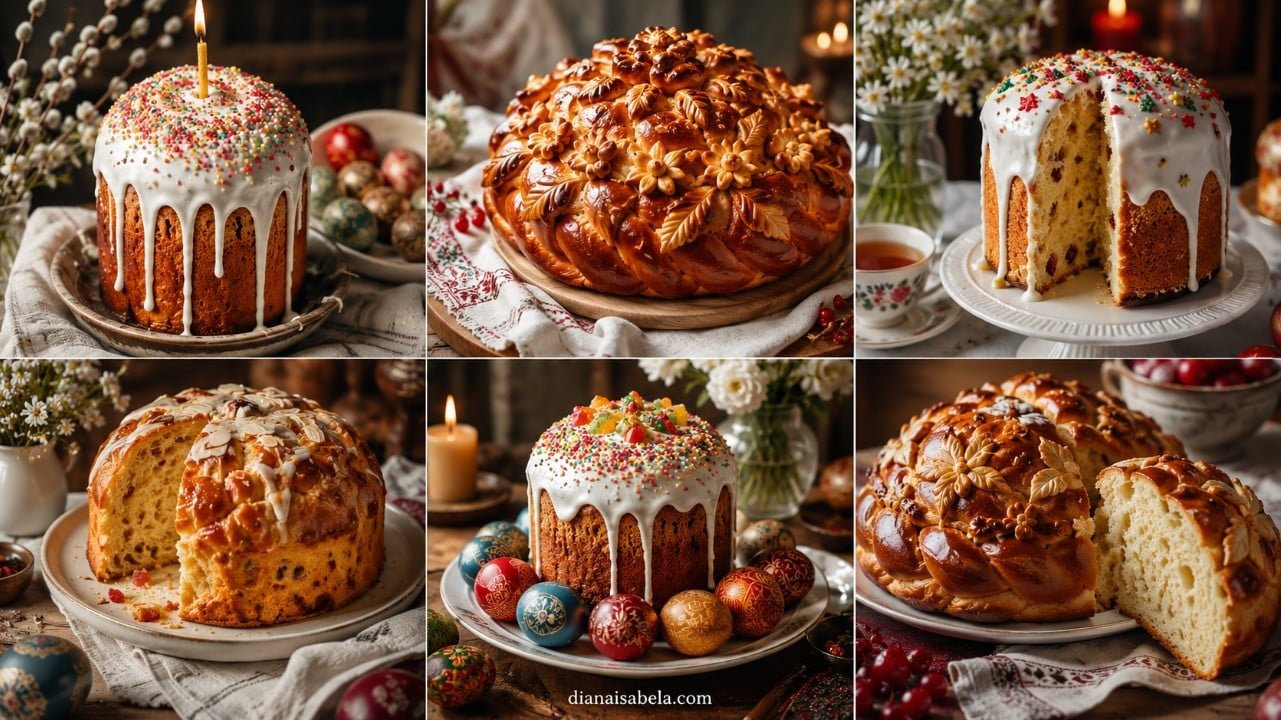
If the bread looks fresh, buy one loaf. If you cannot finish it quickly, slice and freeze part of it. Future you will be grateful when soup night suddenly has structure.
The dairy fridge is not optional if you want the real basket
The dairy section can be confusing if you did not grow up with these products, but it is one of the most useful parts of the store. Look for sour cream, kefir, ryazhenka, tvorog, farmer cheese, curd snacks, butter, soft cheeses, and sometimes dessert-style dairy bars.
Tvorog is especially worth understanding. It is used for syrniki, pastry fillings, breakfast bowls, and simple snacks with honey or jam. It is not exactly cottage cheese, not exactly cream cheese, and not something I would buy blindly in a giant tub on the first trip. Start smaller. Texture matters.
Kefir is tangy and drinkable. Ryazhenka is softer and more caramel-like. Sour cream is the practical queen. If you buy dumplings and forget sour cream, I am not angry, just disappointed in the dinner styling.
Quick dairy rule: check dates, make sure the fridge feels properly cold, and buy dairy based on what you are actually making. Dumplings need sour cream. Syrniki need the right tvorog. Breakfast may want kefir. Tea wants something sweet next to it, not necessarily dairy at all.
If you want ideas for using these ingredients after you shop, the guide to easy Russian-style recipes for a cozy home kitchen is a better next step than letting a beautiful grocery bag become fridge clutter.
The deli counter is where the store reveals its personality
A grocery store with a deli counter is a different experience. Suddenly you are not just buying ingredients. You are building dinner by the spoonful: Olivier salad, beet salad, vinegret, carrot salad, herring, smoked fish, marinated mushrooms, stuffed peppers, cutlets, pirozhki, cabbage rolls, cakes, and sometimes hot dishes.
This is also where regional style shows up. One deli may lean classic Russian. Another may feel Ukrainian or Polish. Another may have Georgian sauces, Baltic fish, Armenian sweets, or Central Asian prepared foods. That mixed shelf is not a flaw. It is often exactly why the store is worth visiting.
Ask what came in fresh. Ask what people are buying today. Ask what goes with the dumplings in your basket. Practical questions get better answers than vague questions like “What is authentic?” That word can start a debate, and sometimes I am simply trying to eat dinner before my personality collapses.
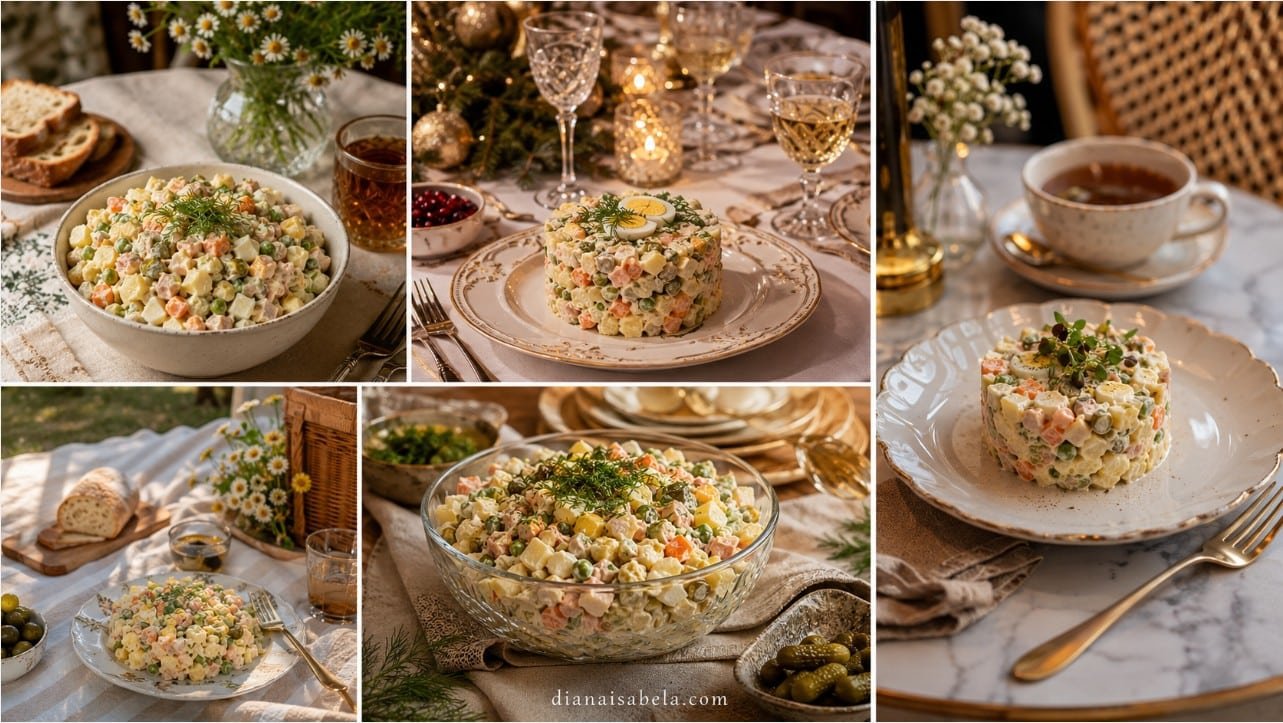
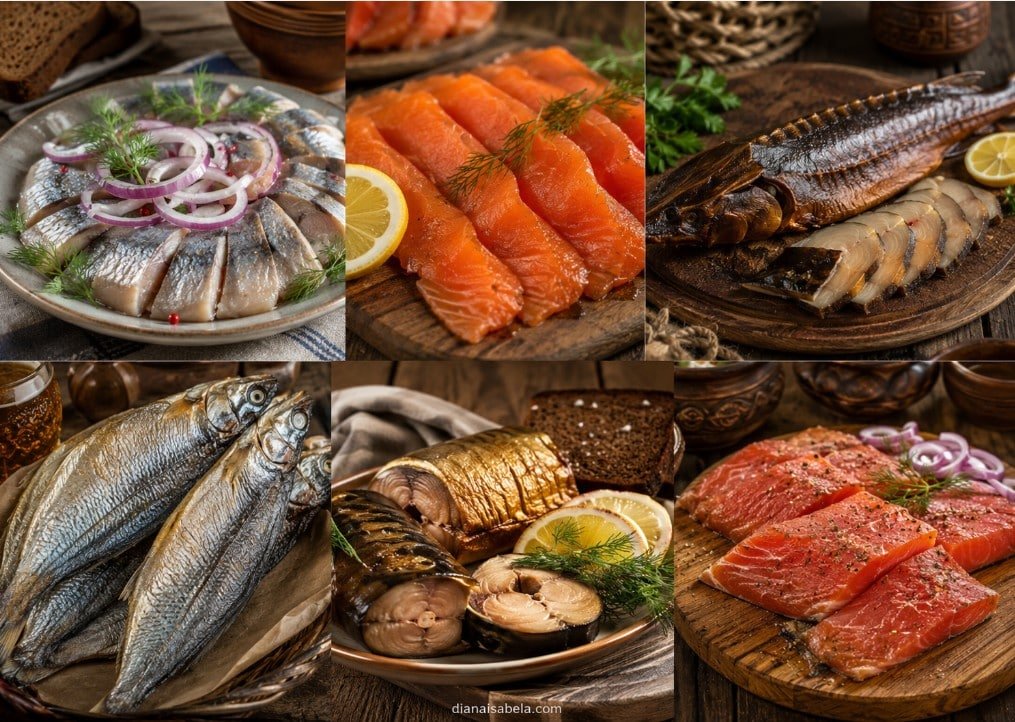
Use your eyes. Deli food should look fresh, moist where it should be moist, tidy, and actively purchased. If a counter looks untouched and tired, choose packaged groceries instead. Romance is lovely; food safety is lovelier.
The tea, sweets, and preserves shelf is where restraint goes to die
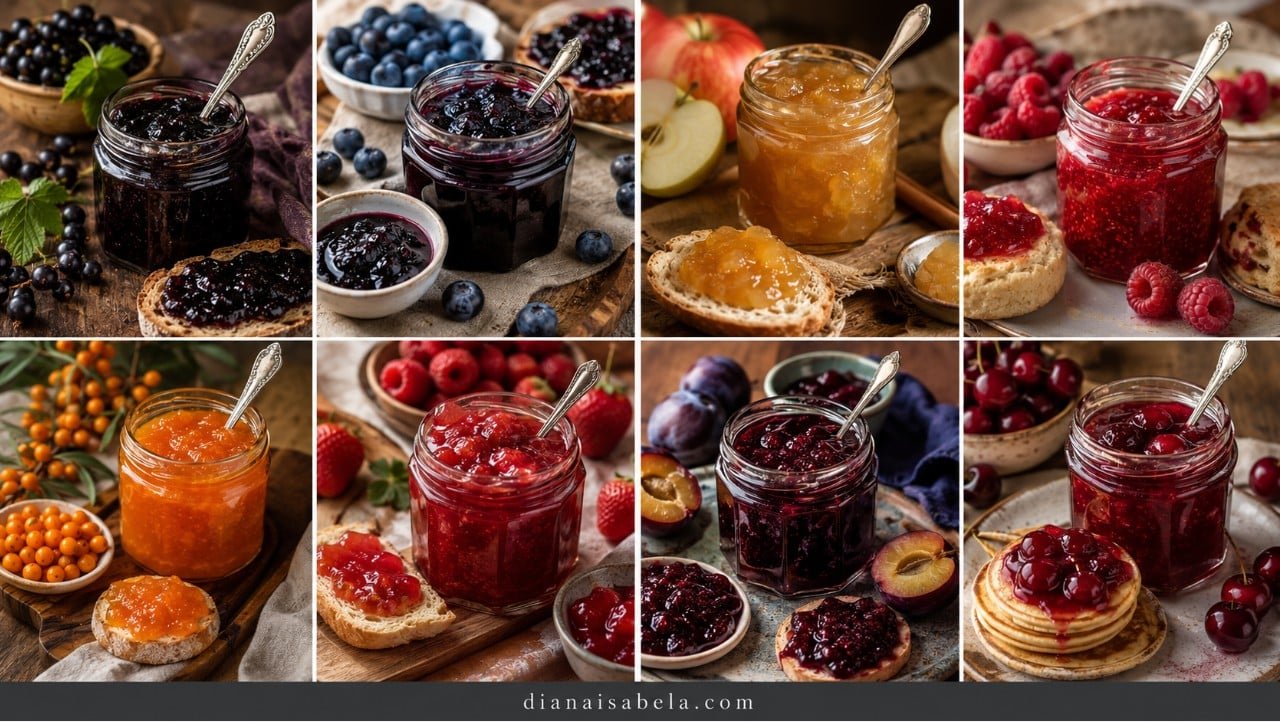
Every Russian or Eastern European store has at least one shelf that makes me forget my practical list. Tea tins. Wafers. Chocolate. Gingerbread. Fruit preserves. Condensed milk. Honey. Poppy seed sweets. Sour cherry jam. Black currant preserves. Little candies with wrappers that look like they belong in someone’s childhood.
This section is not just dessert. It is hospitality. It is what you put out when someone comes over. It is what turns a normal Tuesday into tea at the table instead of scrolling on the couch with a sad snack. Buy one tea and one sweet thing. That is enough for the first trip.
Preserves are especially useful because they work in many directions. Spoon them into tea. Serve with syrniki. Put them on pancakes. Add to yogurt. Use with toast. Pair with farmer cheese. They are beautiful, practical, and a little nostalgic even if you did not grow up with them.
My first-trip basket, if you want dinner and not chaos
When a store is new to you, do not buy everything. A chaotic basket looks fun until you get home and realize you purchased six unrelated products and no actual meal. I like a basket that has one dinner base, one creamy element, one sharp side, one pantry item, and one sweet finish.
| Basket part | What to buy | Why it works |
|---|---|---|
| Dinner base | Pelmeni, vareniki, frozen blini, prepared kotleti, or pirozhki | This gives the trip a purpose. You can actually eat from the basket tonight instead of just admiring labels. |
| Creamy element | Sour cream, kefir, tvorog, farmer cheese, or butter | Many Russian and Eastern European dishes need something creamy to feel complete, especially dumplings and pancakes. |
| Sharp side | Pickles, cabbage salad, marinated mushrooms, beet salad, cucumber-dill salad | Acid and crunch make rich food taste balanced. This is the little detail people skip, then wonder why the plate feels heavy. |
| Pantry anchor | Buckwheat, tea, preserves, mustard, horseradish, canned fish, or dried mushrooms | One shelf-stable item gives you value beyond one meal and helps you learn the store slowly. |
| Sweet finish | Wafers, chocolate, gingerbread, honey cake, jam, or a cake slice | Tea needs a companion. I do not make the rules; I only respect them. |
If you want to go slightly more generous, add bread. Bread makes the table feel real. Bread also forgives many dinner shortcuts, which is why I respect it deeply.
How to read reviews like a person with a plan
Reviews for specialty grocery stores can be messy. Some shoppers are judging nostalgia. Some want cheap prices. Some want imported brands from one specific country. Some are furious because the store did not carry the exact candy they remembered from 1998. So I do not read reviews for emotion first. I read them for details.
Useful reviews mention specific sections: fresh bread, good pelmeni selection, clean deli case, helpful staff, strong tea shelf, reliable cakes, fresh dairy, or clear pricing. Photos matter too. Look for freezer cases, bread shelves, deli counters, and product variety. A star rating without photos tells you less than one clear photo of a busy prepared-food counter.
Repeated complaints matter more than one dramatic review. If several recent customers mention expired products, confusing labels, stale bread, or bad deli turnover, be careful. If one person complains because the cashier did not smile like a Disney employee, I keep scrolling. Eastern European grocery shopping is not always a customer-service musical.
I use a similar method for restaurant searches. The article on reading reviews when you want comfort food that actually tastes cozy goes deeper into that review language — but the grocery version is simple: look for concrete clues, not vague praise.
Russian store, Russian deli, Eastern European market: choose the right stop
These places overlap, but the difference matters when you are hungry.
A Russian store is usually best for groceries: freezer items, dairy, bread, tea, sweets, pantry staples, drinks, jars, and packaged goods. A Russian deli is better when you want ready-to-eat salads, fish, meats, cooked dishes, cakes, and things sold by weight. An Eastern European market may be broader and carry Russian-style products alongside Ukrainian, Polish, Baltic, Balkan, Caucasus, or Central Asian foods.
None of these categories are perfectly neat. A tiny deli can have an excellent freezer. A larger market can have a bakery. A “European food store” may have the exact Russian rye bread you were trying to find. That is why I search broadly and judge by the shelves.
Go to a grocery store when you want pelmeni, sour cream, rye bread, tea, preserves, buckwheat, sweets, or ingredients to cook at home.
Go to a deli when you want prepared salads, smoked fish, cooked cutlets, cold cuts, cakes, or a no-cooking dinner assembled from the counter.
Search Eastern European market when you want a wider mix of dumplings, pickles, breads, sauces, cheeses, sweets, and regional foods.
Search restaurant or takeout when you want soup, kotleti, blini, or comfort food without shopping and cooking afterward.
If you are planning to eat out instead of shop, my first-timer’s guide to ordering Russian food without overthinking the menu will be more useful than a grocery checklist.
Pantry staples that make the store worth returning to
A Russian grocery becomes useful when you stop treating it like a novelty trip and start building a small pantry. Not a huge pantry. Not a survival bunker. Just a few ingredients that make cozy food easier.
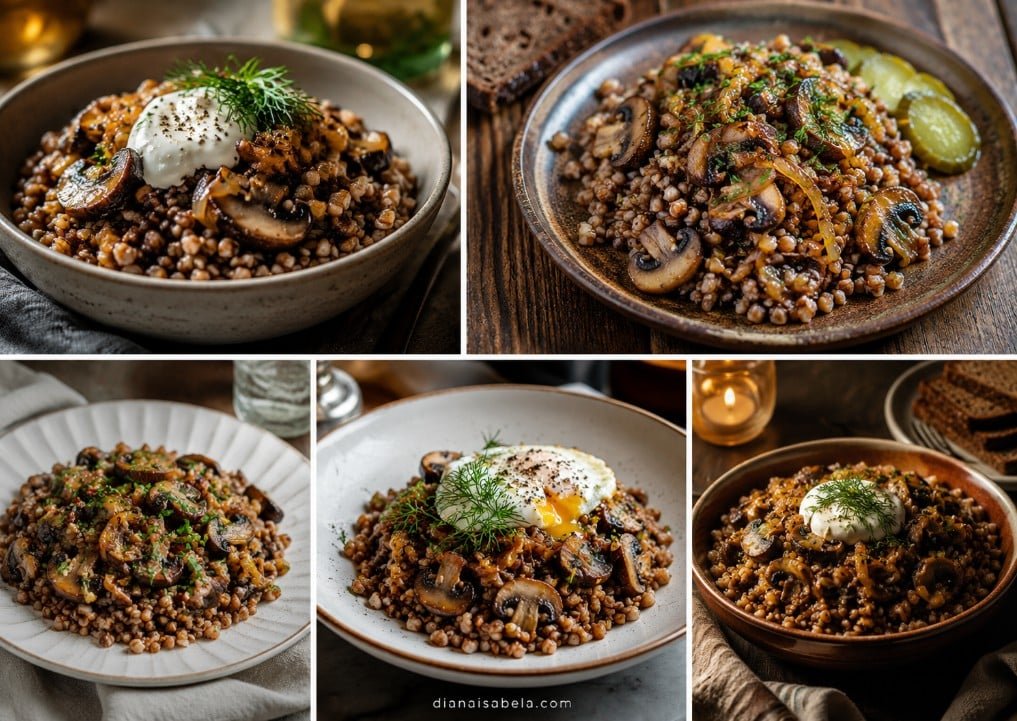
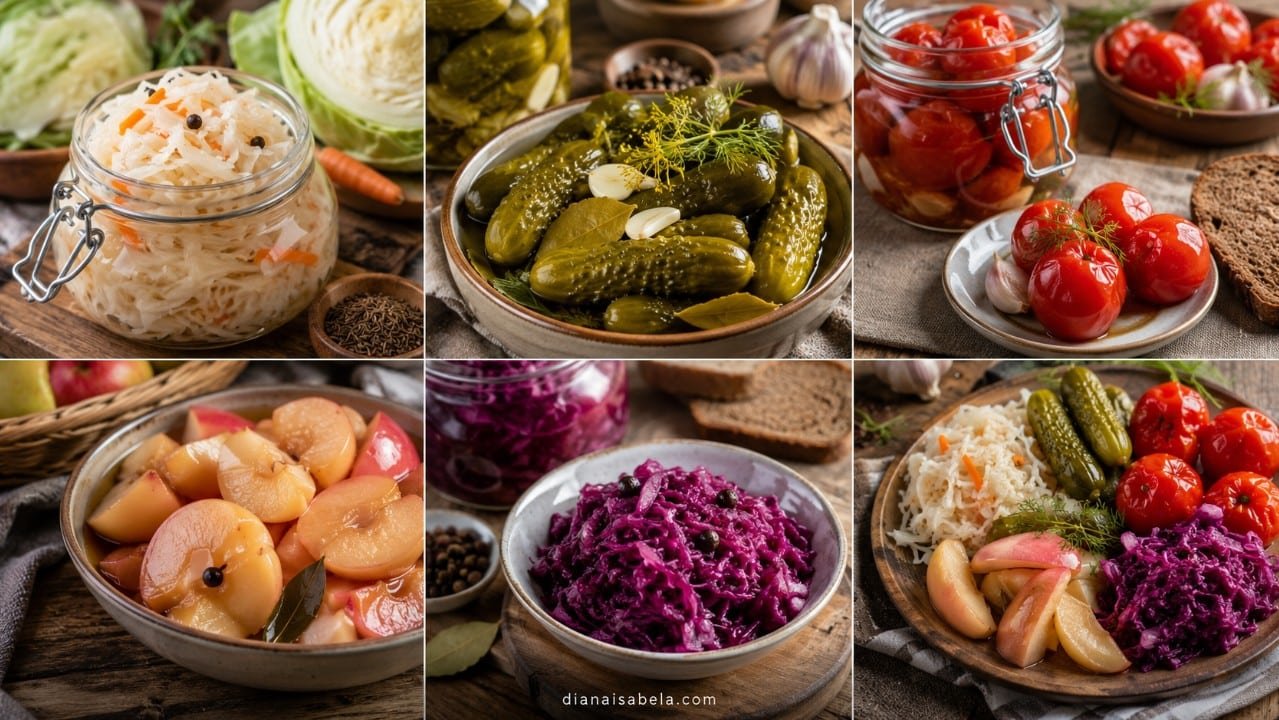
Buckwheat is one of the best first pantry staples. It cooks into a nutty, filling side dish and works beautifully with mushrooms, onions, eggs, cutlets, roasted vegetables, or butter. Pickles are not just snacks; they balance rich foods. Mustard and horseradish wake up meats and sandwiches. Canned fish can turn bread and tea into a very old-school little meal. Dried mushrooms bring depth to soups, sauces, and buckwheat.
Tea and preserves are the softer side of the pantry. They make your kitchen feel cared for. I love practical groceries that also improve the emotional lighting of a day.
What I would buy for four different moods
Sometimes you do not need a grocery list by category. You need a grocery list by mood. That is how real people shop: tired, curious, hosting, homesick, hungry, or trying to make Wednesday feel less like Wednesday.
The tired-but-fed dinner: pelmeni, sour cream, dill, pickles, black tea, and one chocolate bar. Boil, drain, butter, serve. No performance required.
The little hosting table: rye bread, smoked fish, beet salad, marinated mushrooms, pickles, tea, preserves, and a cake slice or two. It looks generous without making you cook all day.
The weekend cooking mood: buckwheat, dried mushrooms, tvorog, sour cream, herbs, cabbage, and good bread. This is the basket for someone who wants to actually make things.
The sweet tea evening: tea, jam, wafers, gingerbread, condensed milk, syrniki ingredients, or a honey-cake slice. Add candles and pretend your inbox does not exist.
For styling the food at home — because yes, comfort food can be beautiful — I like the mood in this piece about making comfort food feel chic without making it fussy. The secret is not perfection. It is a real table, warm light, and food that looks like someone cared.
What to avoid on the first visit
I am not here to make you timid. I love a curious basket. But the first visit is not the time to buy giant jars, four kinds of fish, three unfamiliar dairy products, and a frozen bag the size of a pillow.
Buy small. Learn the store. Try one new thing per section. If you discover you love it, go back. This is how you build taste without building a fridge full of guilt.
Skip for now: very large jars, unfamiliar fermented items, strong fish, bulk frozen foods, or deli items that do not look fresh.
Safer first buys: pelmeni, potato vareniki, sour cream, bread, pickles, tea, preserves, packaged sweets, buckwheat, and fresh-looking salads.
If something looks interesting but you do not know how to use it, take a photo of the label and research it later. The store will still exist next week. You do not have to make every food decision like it is a limited-edition fashion drop.
What to ask in the store so you do not feel awkward
Specialty stores can feel intimidating when you do not know the products or the language on the labels. The easiest way through is to ask practical questions. Not grand questions. Not “What is the most authentic item in this store?” That is how you accidentally invite a cultural dissertation when all you needed was dinner.
Ask what sells quickly. Ask what came in fresh. Ask which dumplings are popular. Ask which sour cream goes with them. Ask whether the bread arrived today. These questions are simple and useful.
The best grocery question is not “What should I buy?” It is “What would you serve with this?” That one question can turn a random product into an actual meal.
If staff are busy, keep it short and polite. If they are helpful, you may discover the good products much faster than by reading every label alone. I have learned many excellent food things from people who answered in three words and pointed with great authority.
When the nearest store is far away
Not everyone has a Russian store nearby. If the closest one is in another city, treat the trip like a small stock-up mission. Make a list before you go, bring an insulated bag if you plan to buy frozen foods or dairy, and think in categories: freezer, dairy, bread, pantry, sweets, deli for tonight.
Frozen dumplings, dairy, and prepared foods are usually better purchased locally because shipping can be expensive and quality depends on temperature. Shelf-stable products are easier to buy online: tea, sweets, dry grains, preserves, mustard, canned fish, packaged cookies, and some sauces.
If your local supermarket has a small international aisle, check it too. You may find buckwheat, pickles, tea, sprats, or imported sweets even without a dedicated store. It may not satisfy the full craving, but it can hold you over until the next proper grocery adventure.
Make the grocery trip feel like a tiny lifestyle ritual
This is still Dianaisabela.com, so yes, I care about the feeling of the errand. Food shopping can be boring, or it can be a small field trip. A Russian grocery with tea tins, flowers, fruit, bread, dumplings, and cake has enough atmosphere to count as a mood.
Bring a tote. Wear comfortable shoes. Take a photo of labels you want to remember. Buy one thing for dinner and one thing for tea. Do not rush the sweets shelf. Choose bread like it matters, because it does.
If you are going after work or before a casual dinner, dress like a person who might run into someone interesting but is not trying too hard: clean sneakers, soft knit, good coat, hair clipped back, one little detail. This is not about dressing up for groceries. It is about not letting an errand steal your main-character rights.
And if the grocery run turns into dinner with friends, a simple outfit can still feel intentional. The same instinct that helps you style a table also helps you style a look: texture, balance, one special detail, nothing too forced. Food and fashion keep meeting on this site because they ask the same question: does this feel like you, but a little better?
The store is worth saving if it gives you a real table
Here is my final test. Can this store help you make a real table?
Not an elaborate table. Not a holiday feast. A real table. Dumplings with sour cream and pickles. Rye bread with butter and smoked fish. Buckwheat with mushrooms. Tea with jam. Beet salad beside cutlets. Cake slices after dinner. A basket that comes home and turns into something warm, specific, and satisfying.
If the answer is yes, save the store. Take photos of products you liked. Keep notes. Go back when you need freezer food, tea, pantry staples, or a dinner that feels like comfort instead of compromise.
A good Russian store near you is not just a search result. It is a little door into a different kind of grocery rhythm: slower, cozier, more layered, more generous. And if you leave with bread, dumplings, sour cream, pickles, tea, and one unnecessary sweet thing, I would say you understood the assignment beautifully.
FAQ: Russian Store Near Me
What should I search if I cannot find a Russian store near me?
Try broader names, not only “Russian store.” Search for Eastern European market, Slavic grocery store, European deli, Russian deli, Ukrainian grocery, Polish market, international food store, or pelmeni near me. Many good stores use a broader name because they carry food from several Eastern European countries.
What should I buy first at a Russian grocery store?
Start with a basket you can actually turn into dinner: pelmeni or vareniki, sour cream, rye bread, pickles, tea, and one sweet item. That gives you a real meal instead of a random pile of interesting packages.
Is a Russian deli the same as a Russian grocery store?
Not exactly. A Russian grocery store usually focuses on freezer foods, pantry staples, dairy, bread, tea, sweets, drinks, and packaged products. A Russian deli is better when you want prepared salads, smoked fish, cooked dishes, cold cuts, cakes, and ready-to-eat food. Some places combine both, which is ideal.
How do I know if the freezer section is good?
Look for organized shelves, clear labels, several types of dumplings, and packages that look properly frozen. If the freezer is messy, frosty, half-empty, or full of products with unclear dates, I would be careful and choose shelf-stable groceries instead.
What is the difference between pelmeni and vareniki?
Pelmeni are usually smaller dumplings with meat filling. Vareniki are often larger and may be filled with potato, farmer cheese, cabbage, mushrooms, cherries, or sweet cheese. Both are common in Russian and Eastern European grocery freezer sections.
What dairy products are worth buying at a Russian store?
Sour cream is the easiest first buy because it works with dumplings, potatoes, soups, pancakes, and cutlets. Tvorog is useful for syrniki, pastry fillings, and breakfast bowls. Kefir and ryazhenka are good choices if you like tangy drinkable dairy.
Can I find Russian foods at an Eastern European market?
Often, yes. Many Eastern European markets carry Russian-style, Ukrainian, Polish, Baltic, Balkan, Caucasus, and Central Asian products together. You may still find pelmeni, rye bread, sour cream, pickles, tea, sweets, smoked fish, and deli salads even if the store is not labeled as Russian.
What should I avoid buying on my first visit?
Avoid huge jars, bulk frozen bags, very strong unfamiliar fish, and deli foods that do not look fresh. Buy smaller, easy-to-use products first. Once you know what you actually like, you can come back for the more adventurous shelf.
Are Russian grocery stores good for quick dinners?
Yes, especially if the freezer and deli sections are strong. Dumplings, sour cream, pickles, prepared salads, rye bread, smoked fish, and cake can turn one short shopping trip into a complete low-effort dinner.
What makes a Russian store worth returning to?
A good store has fresh bread, clean shelves, a reliable freezer, clear dates, helpful staff, and enough variety to build a real meal. The best sign is simple: you leave with food you actually want to cook, serve, and buy again.