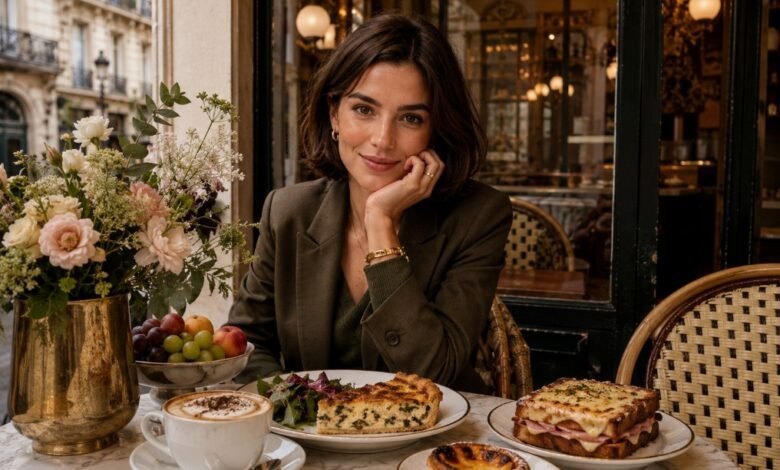
There is a very specific sadness in ordering only coffee when your body clearly requested lunch.
You sit in a beautiful café. The lighting is soft. The table is tiny in a charming European way, which means your bag, coat, phone and emotional baggage are all fighting for real estate. The pastry case is glowing. Someone nearby has ordered something warm. Your cappuccino arrives looking perfect.
And then your stomach says, with the calm authority of a woman who has waited long enough: cute, but where is the food?
This is the moment when you need to stop pretending coffee is a meal.
Coffee is wonderful. Coffee is perfume for the nervous system. Coffee is the little black dress of beverages. But coffee cannot be expected to carry an entire afternoon, a city walk, three errands, one emotional text message and a shopping decision involving shoes.
Sometimes the café order needs substance.
European café food is not just pastry and espresso. It can be lunch, comfort, travel mood, people-watching fuel and a very elegant way to admit you are hungry.
The café test: are you here for atmosphere or survival?
Before you order, ask yourself one honest question: am I here for a cute moment, or do I need to function after this?
Because those are different orders.
A cute moment can be a cappuccino and a pastry. A survival order needs protein, bread, egg, cheese, soup, a savory tart, a sandwich, a small plate, something warm, something that tells your blood sugar to stop acting like a haunted elevator.
This is where European café food gets interesting. Depending on the country, the city and the kind of café, the menu might give you a whole little world: French quiche, croque monsieur, Italian arancini, Spanish tortilla, Portuguese codfish cakes, Austrian strudel, Greek spanakopita, Polish zapiekanka, Czech open-faced sandwiches, Balkan burek, Scandinavian open sandwiches, German cakes, Hungarian pastries, and tiny plates that look modest until they quietly save your day.
A café is not always a snack stop.
Sometimes it is a soft landing with cutlery.
Order coffee, a pastry, fruit tart, madeleine, pastel de nata, mini cake, or something sweet that matches your mood and does not need to hold the whole day together.
Look for quiche, croque monsieur, tortilla española, arancini, savory pie, soup, toast with egg, open sandwich, burek, or a plate with cheese, bread and vegetables.
Choose soup, goulash-style stew, baked cheese, hot sandwich, potato dish, savory pastry, or anything that arrives warm enough to change your posture.
Pick the local thing, not the safest thing. The cake with a name you need help pronouncing may become the whole reason you remember the street.
French café food: elegant, but not always tiny
French café food can look deceptively simple.
That is part of the trick.
A croque monsieur is not “just a ham and cheese sandwich.” It is toasted, creamy, golden, salty, structured, and very aware of its own charm. Add an egg and it becomes croque madame, which is the same idea with better lighting. Quiche can be silky, savory and satisfying without making lunch feel heavy. A galette, especially a buckwheat one with egg, cheese, ham or mushrooms, feels rustic but chic, like a linen dress with boots.
Then there are tartines, omelets, onion soup, pâté with bread, Niçoise-style plates, little salads that actually support the meal instead of pretending to be the whole story, and pastries that deserve more respect than being inhaled while standing.
The French café move is balance: something savory, something crisp, something creamy, something small enough to feel elegant but real enough to count.
If you want lunch: croque monsieur, quiche, galette, omelet, onion soup or a tartine will do more for you than coffee and vibes.
If you want sweet: tarte aux fruits, mille-feuille, madeleine, éclair or a simple butter pastry can be enough if you are not truly hungry.
If you want both: order savory first. Dessert tastes better when it is not doing unpaid labor as lunch.
Italian café food has more range than a cornetto
An Italian café can absolutely be an espresso-and-cornetto moment.
Beautiful. Quick. Iconic. No notes.
But if you need food, look beyond the sweet pastry case. Depending on the place, you might find tramezzini, focaccia, panini, arancini, supplì, pizzette, savory tarts, little vegetable plates, aperitivo snacks, or a counter full of things that make “just coffee” feel like a missed opportunity.
Arancini are especially useful when hunger has become specific. Rice balls with ragù, cheese, peas, mushrooms or other fillings, fried until golden, are not a casual suggestion. They are a commitment to the afternoon improving.
Focaccia is another hero. Plain with olive oil, filled, topped with tomatoes, rosemary, onions, cheese, vegetables, cured meats — it can be snack, lunch, or emergency happiness.
Italian café food is often about timing. Breakfast might be sweet and fast. Lunch might be savory and practical. Aperitivo might turn one drink into a small edible event where olives, chips, crostini, cheeses, cured meats or little bites arrive like gossip with napkins.
Spanish café food understands the small-plate life
Spain knows how to make café food feel social.
Tortilla española is one of the best examples: potato, egg, onion depending on the version and the household controversy, served in slices that look simple and then immediately make sense. Pan con tomate is bread, tomato, olive oil and salt behaving better than many complicated dishes. Croquetas are little golden emotional support objects. Bocadillos can be simple, satisfying sandwiches. Pintxos or tapas-style bites can turn a short stop into a small meal.
Spanish café logic is often not “one huge plate.” It is a few things that talk to each other.
Coffee. Tortilla. A little sandwich. Something salty. Maybe a sweet bite later. A table outside if life is kind. Sunglasses, if the mood requires evidence.
Café truth: the best small plates are not small because they are shy. They are small because they know friends are coming.
Portuguese café food is dangerous around pastry people
Portugal is a country where pastry can quietly ruin your plan to “just walk around.”
Pastel de nata is the famous one, of course: creamy custard, crisp pastry, cinnamon if you are wise, and a high probability of ordering another while pretending it is for research. But Portuguese cafés can also bring savory comfort: bifana sandwiches, prego sandwiches, codfish cakes, savory pastries, soups, toasts, small plates and the kind of bakery case that makes decision-making feel like a personality test.
The trick is not to reduce Portuguese café food to one custard tart, even if she is very persuasive.
If you need food, get something savory first. A sandwich, soup, codfish cake or toast. Then let the pastry do what pastry does best: make the afternoon look better than it was five minutes ago.
Austrian and Central European cafés: cake, but also lunch
A grand café can be intimidating if you treat it like a museum.
Do not.
Yes, Austrian café culture has legendary cakes: Sachertorte, apple strudel, cream cakes, layered pastries, things that look like they require posture. But cafés can also offer soups, sausages, schnitzel-style plates, open sandwiches, goulash, potato salad, egg dishes and simple lunches that make the room feel less like a dessert temple and more like a very civilized refuge.
Czech and Hungarian café food can also move beautifully between savory and sweet: chlebíčky, open-faced sandwiches with toppings; goulash; soups; koláče; fruit dumplings; Dobos torte; kürtőskalács; poppy seed pastries; walnut desserts.
This is the café as a full-day institution.
Morning coffee, lunch plate, afternoon cake, evening glass of something. A place where people sit, read, talk, flirt, recover, and occasionally make dessert look like a legitimate appointment.
Greek café food is where snack becomes sunshine
Greek café food has a different mood: brighter, saltier, warmer, often more Mediterranean in color and rhythm.
Spanakopita is the obvious star — spinach and feta in flaky pastry, good enough to make you respect leaves again because they finally came with cheese and architecture. Tiropita, cheese pie, is another café hero. Greek salads can actually function as food when tomatoes, feta, olives and olive oil show up properly. Add a little bread, soup, yogurt with honey, loukoumades, or a mezze plate and suddenly the café stop has become a soft lunch.
This is not the same comfort as sour rye soup or potato pancakes.
It is lighter, but not empty. Sunny, but not silly. A Greek café lunch can be satisfying without making the rest of the day feel like a nap with sandals.
Balkan café food does not have time for your tiny appetite performance
In Balkan cafés and bakeries, savory pastry is often the move.
Burek with cheese, meat, spinach or potato. Pita-style pastries. Yogurt drinks. Grilled snacks. Ajvar. Kajmak. Flatbreads. Little cakes soaked, layered, nutty or honeyed. A bakery window that makes you understand why lunch does not need to be precious to be memorable.
Burek especially has main-character energy. It is flaky, warm, filling and practical. It does not ask you to think too hard. It asks you to eat while it is still good.
That is a valid philosophy.
Sometimes café food should not be delicate. Sometimes it should be hot, savory and folded into pastry like a secret that smells incredible.
Polish café food is not only pączki
We already had a whole Polish food conversation, but it belongs here too because Poland has excellent café and casual food range.
Pączki are famous, yes. Sernik, makowiec and szarlotka also deserve attention. But a Polish café or casual spot may also give you zapiekanka, open-faced sandwiches, soups, pierogi in a lunch setting, placki ziemniaczane, pastries, tea, coffee and the kind of dessert case that makes “I am just looking” sound unserious.
Zapiekanka is especially perfect for this article: a long open-faced baguette with toppings like mushrooms, cheese and sauces, street-food casual but deeply useful when the day is long and the outfit still wants to be seen.
For a deeper Polish comparison, I already wrote this guide to Polish food versus Ukrainian and Russian cuisine. Here, the café lesson is simple: Polish food can be bakery, street food, lunch plate or dessert appointment — not just one predictable dish.
How to order when the menu is half coffee, half mystery
First, do not panic-order the prettiest pastry if you are actually hungry.
That is how you end up twenty minutes later, holding a beautiful plate and still wondering whether you could eat the napkin.
Look for anchors. Eggs. Cheese. Ham. Mushrooms. Fish. Beans. Potatoes. Soup. Savory pastry. Sandwich. Tart. Bread with something real on it. If the menu has a local specialty, ask if it is sweet or savory, light or filling, hot or cold.
Then decide if you need a meal or a mood.
For a light lunch: quiche, spanakopita, tortilla española, soup, open sandwich, toast with egg, or a savory tart.
For a proper hunger: croque monsieur, arancini, burek, goulash, zapiekanka, focaccia sandwich, codfish cakes with soup, or a plate with bread, cheese and vegetables.
For a sweet café stop: pastel de nata, strudel, sernik, pączki, makowiec, fruit tart, éclair, madeleine, loukoumades, koláče or apple cake.
For the girl who wants everything: split the savory and the sweet with a friend. This is not weakness. This is strategy with lipstick.
The pastry case is beautiful, but it has an agenda
A pastry case knows exactly what it is doing.
It stands there shining. Layers, custard, glaze, fruit, sugar, cream, chocolate, poppy seed, apple, cheese filling, powdered sugar, little signs written in a language you only half understand. It wants you emotional. It wants you impulsive. It wants you to forget lunch.
I support being seduced by pastry.
I do not support being tricked by pastry into thinking it is protein.
Order the cake if you want the cake. Just do not ask the cake to do the job of a sandwich, soup or savory tart. It will try, but by 4 p.m. you will be writing messages you should not send.
My rule: if you are truly hungry, order savory first. Dessert is much more glamorous when it is not carrying the entire economy of your blood sugar.
What makes café food feel chic instead of random?
It is not the price.
It is not whether the table has marble, though I am not opposed to marble behaving nicely.
Chic café food has a point of view. A good croque monsieur knows it is toasted comfort. A pastel de nata knows it is small but powerful. A Spanish tortilla knows potatoes and eggs can become architecture. A Greek spanakopita knows spinach needed feta and flaky pastry to reach its destiny. A Polish zapiekanka knows melted cheese can rescue a walk. An Austrian strudel knows apples deserve structure. A Balkan burek knows pastry can be lunch without asking permission.
The best café food is not random. It belongs to the place.
That is what you are looking for.
What to wear for a café meal that may become a whole afternoon
Café dressing should be comfortable but not careless.
You might sit. Walk. Order again. Move to an outside table. Take a photo. Read. People-watch. Accidentally stay two hours. The outfit needs to survive all of that without looking like you dressed for a couch emergency.
A soft blouse with jeans. A cardigan with a satin skirt. A knit dress and loafers. A trench over a simple top. A structured coat in winter. Sunglasses if the café has an outdoor table and you are prepared to behave mysteriously for no reason.
If the café is more city-cool than romantic, the Acubi fashion guide is actually a useful styling reference: clean lines, layered basics, relaxed confidence, a little “I know the good café but I am not making a speech about it.”
If the mood is softer and feminine, a pretty volume top or gentle babydoll shape can work beautifully with denim or a narrow skirt. The babydoll tops guide fits that café styling lane better than it would fit a heavy restaurant dinner.
The best café order depends on the hour
Time changes the menu.
Morning can be pastry, yogurt, eggs, bread, coffee, something small and charming. Late morning wants a better plan: toast, quiche, savory pastry, sandwich. Lunch wants structure. Afternoon wants either cake or a second lunch pretending to be a snack. Early evening becomes aperitivo, small plates, wine, tea, soup, a sandwich, something you did not plan but now absolutely need.
The hour matters because hunger becomes more dramatic when ignored.
At 10 a.m., a croissant can be perfect. At 2:30 p.m., a croissant may be a beautiful mistake unless it has backup.
Before 10 a.m.: pastry and coffee may be enough if the day is gentle.
Late morning: add eggs, cheese, toast, yogurt, savory pastry or something with more structure.
Lunch: order real food. Quiche, sandwich, soup, tortilla, arancini, burek, croque, focaccia, tart, plate, anything with a spine.
Afternoon: cake is allowed. But if you skipped lunch, cake needs a savory friend.
The final sip, with crumbs
European café food is not one thing.
It is a buttery French croque on a rainy corner. Italian arancini eaten too hot because patience left the building. Spanish tortilla at a little table where nobody is rushing. Portuguese custard tart with cinnamon on your fingers. Austrian strudel in a room that makes cake feel formal. Greek spanakopita that proves spinach can be persuasive. Balkan burek doing the work of an entire lunch. Polish zapiekanka after a long walk. Czech chlebíčky. Hungarian goulash. A pastry you chose because the woman in front of you ordered it and looked correct.
This is why café food belongs in Diana’s Food Diary.
It is not just what you eat. It is where you sit, what you wear, what the weather is doing, whether the table is by the window, whether you ordered enough, whether the cake was worth it, whether the whole afternoon suddenly felt less like errands and more like a life.
Coffee is lovely.
But sometimes the girl needs food.
Order accordingly.
Read next: For a stronger dinner mood, go to Eastern European Comfort Food for Girls Who Are Done Pretending Salad Is Dinner. For country-specific flavor, read the Polish food comparison guide.
For the whole food diary philosophy, start with Comfort Food, But Make It Chic. For café outfit direction, browse Acubi fashion or babydoll tops, depending on whether the café mood is cool-girl or soft romantic.

FAQ
What is European café food?
European café food can include pastries, sandwiches, soups, savory tarts, quiche, croque monsieur, arancini, tortilla española, spanakopita, burek, strudel, cakes, open sandwiches, small plates and local snacks. It depends on the country and the kind of café.
What should I order at a European café if I am actually hungry?
Choose a savory anchor first: quiche, croque monsieur, tortilla española, arancini, burek, focaccia, soup, open sandwich, toast with egg, savory pastry or a small plate with bread, cheese and vegetables. Add dessert after if you still want it.
Is coffee and pastry enough for lunch?
Sometimes, but not always. If you only want a cute café moment, coffee and pastry can be perfect. If you need to walk, shop, work or function for hours, add something savory with protein, cheese, egg, bread, soup or vegetables.
What French café food is good for lunch?
Croque monsieur, croque madame, quiche, galettes, omelets, onion soup and tartines are good French café lunch options. They feel stylish but still satisfying.
What Italian café food should I try besides pastries?
Try tramezzini, focaccia, panini, arancini, supplì, pizzette, savory tarts or aperitivo snacks. Italian café food changes by region and time of day, so look beyond the sweet breakfast pastry.
What are good European café foods for a cozy cold day?
Soup, goulash, hot sandwiches, baked cheese dishes, burek, savory pies, potato dishes, strudel, warm pastries and tea or coffee all work well when you want something cozy and filling.
How do I make a café order feel balanced?
Pair one savory item with one drink, then add something sweet only if you still want it. For example: quiche and coffee, tortilla and tea, burek and yogurt, or soup with bread followed by a small pastry.
What should I wear to a European café?
Wear something comfortable but styled: a blouse with jeans, a cardigan with a skirt, a knit dress, loafers, boots, a trench coat or a structured jacket. The outfit should work for sitting, walking and possibly staying longer than planned.
What European café desserts are worth trying?
Pastel de nata, apple strudel, Sachertorte, sernik, pączki, makowiec, fruit tarts, éclairs, madeleines, loukoumades, koláče and apple cake are all worth trying depending on the country and café.
Can café food be a real meal?
Yes. A café meal can be very real if it has enough structure: bread, egg, cheese, soup, savory pastry, sandwich, tart, small plate or warm dish. The trick is not asking one small sweet pastry to do the work of lunch.