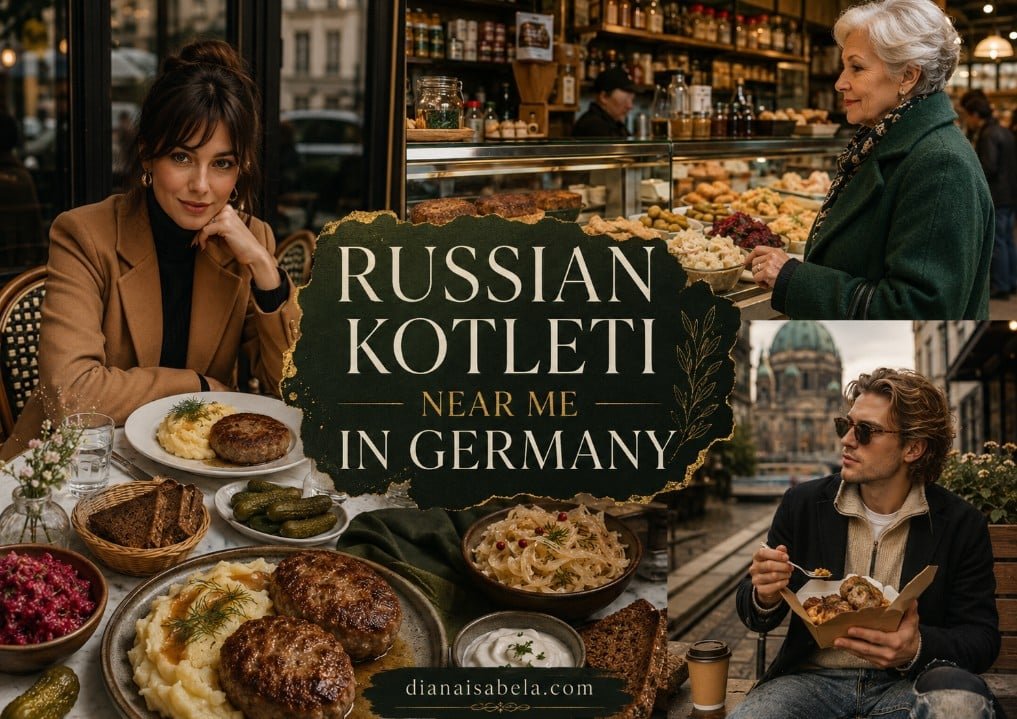
Russian Kotleti Near Me in Germany: Where to Find Cozy Eastern European Cutlets

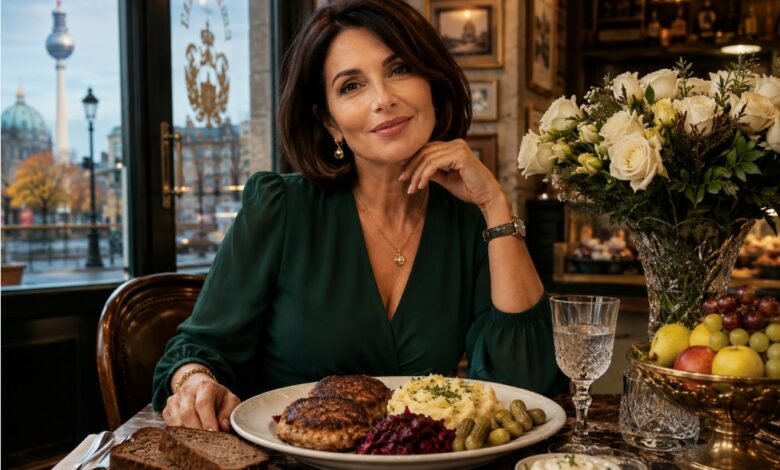
Searching for Russian kotleti near me in Germany is a delicious little language puzzle. Germany already has its own family of pan-fried minced meat patties: Frikadellen, Buletten, Fleischpflanzerl, depending on region and mood. So if you type “kotleti” and get nothing, or type “cutlets” and suddenly see something very German, you are not failing. You are standing in the middle of a comfort-food translation problem.
And honestly, I respect the drama.
Russian kotleti are soft, home-style Eastern European cutlets, usually made from minced meat and served with real dinner companions: mashed potatoes, boiled potatoes, creamy mushroom sauce, cabbage salad, beet salad, pickles, rye bread, maybe sour cream, maybe a cucumber-dill salad if the place has taste and a functioning soul. In Germany, you may find them in Russian restaurants, Ukrainian cafés, Polish shops, Eastern European grocery stores, delis, prepared-food counters, frozen sections and small family-run food spots that do not always write perfect menu descriptions online.
This guide is not about pretending every German meat patty is kotleti. It is about knowing the difference, widening the search without losing the craving, and finding the kind of plate that actually feels like Eastern European comfort food in Berlin, Munich, Hamburg, Frankfurt, Düsseldorf, Cologne and beyond.
Germany makes the kotleti search both easier and more confusing
Germany is easier than some countries because Eastern European food routes are often realistic: Russian-speaking grocery stores, Ukrainian food, Polish shops, Balkan and Eastern European markets, frozen dumplings, prepared salads, rye bread, pickles and plenty of small shops that understand the category of “real dinner.”
But Germany is also more confusing because the country already has familiar local versions of minced meat patties. If you search for “cutlets,” “meat patties,” or even just walk into a casual food place, you may find Frikadellen or Buletten. They can be delicious. They can absolutely save lunch. But they are not automatically Russian kotleti.
The difference is not only nationality. It is texture, seasoning, serving style and the plate around it. Russian kotleti usually feel softer and more home-table. The sides matter. The dish belongs with potatoes, salads, pickles, bread and sauce, not just as a snack grabbed from a counter. A German Frikadelle can be eaten cold, in a roll, with mustard, with potato salad or as part of a different food rhythm. Again: delicious. Just not the same dinner.
Diana’s Germany rule: do not let the word “Frikadelle” automatically satisfy a kotleti craving. Use it as a clue, not as the answer. If you want Russian kotleti, look for Eastern European context: Russian, Ukrainian, Polish, Baltic, Slavic grocery, prepared food, dumplings, borscht, pickles, rye bread and salads.
For the main dish and general local-search strategy, start with my Russian kotleti dinner search guide. This Germany page is the translation layer: what to search when the map gives you Frikadellen, what menu words matter, and how to find the more Eastern European version of the plate.
The words I would search in Germany before giving up
In Germany, I would search in English, German and dish-family language. One spelling will not do the whole job. The best result may be a grocery store, not a restaurant; a Ukrainian counter, not a Russian menu; a Polish shop, not a glossy food guide.
- Russian kotleti near me Germany
- Russische Kotlety in der Nähe
- Russische Frikadellen
- Osteuropäische Lebensmittel in der Nähe
- Russischer Laden warme Speisen
- Ukrainisches Restaurant Kotlety
- Polnischer Laden fertige Speisen
- Eastern European deli Germany
- Russische Küche Berlin Kotleti
- Ukrainische Küche München Kotlety
- Kotlety mielone Germany
- Hausgemachte Frikadellen osteuropäisch
Then add the city or neighbourhood. “Russian kotleti Berlin” will not show the same results as “Russischer Laden Berlin warme Speisen.” “Polish shop Düsseldorf prepared food” may be more useful than “Russian restaurant Düsseldorf.” Search is not a moral test. Use every doorway that gets you closer to dinner.
Kotleti, Frikadellen, Buletten: the difference that saves the plate
Let’s decode the plate before we chase it around Germany.
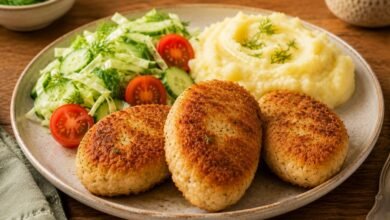
Russian kotleti are usually part of a home-style Eastern European meal. The cutlet is soft inside, browned outside, often made with minced meat, onion, bread or breadcrumbs, egg and seasoning. It is served as a main dish, often with mashed potatoes, boiled potatoes, roasted potatoes, cabbage salad, beet salad, pickles, rye bread, sour cream, gravy or mushroom sauce.
Frikadellen are German minced meat patties. In Berlin they may be called Buletten. In Bavaria and parts of southern Germany, you may see Fleischpflanzerl. They can be eaten hot or cold, with mustard, bread, potato salad or as a snack. They are not “wrong.” They are just not automatically the Eastern European kotleti plate you may be craving.
Look for Russian, Ukrainian or Eastern European menu context, soft cutlets served as dinner, sides like mashed potatoes, beet salad, pickles, rye bread, sour cream or mushroom sauce.
German minced meat patties that may be served with mustard, potato salad, bread or as a snack. They can be delicious, but the seasoning and serving tradition are different.
Close comfort-food relatives: minced meat cutlets often served with potatoes, beetroot, cucumber salad, cabbage or pickles. Useful when Russian kotleti are not nearby.
Often very close to the plate you want: homemade-style cutlets, potatoes or grains, salads, pickles and a warm family-table feeling.
If English menu language is what confuses the search, my Russian kotleti vs Russian cutlets article helps explain why the word “cutlet” can hide several different dishes. In Germany, that confusion gets another layer because the local minced-meat patty vocabulary is already strong.
Berlin: the best city for a layered kotleti search
Berlin is the most obvious German starting point because it has size, international food, Russian-speaking communities, Ukrainian food, Polish shops, Eastern European groceries and enough neighbourhood variety to make the search interesting instead of hopeless.
But Berlin also has a very specific trap: Buletten. You can find them easily. That does not mean you found Russian kotleti. If you want the Eastern European version, search more specifically: Russian restaurant, Ukrainian café, Eastern European grocery, Russian supermarket, Polish prepared food, Slavic deli, frozen pelmeni, borscht, vareniki, salads and pickles.
I would look beyond polished restaurant pages. In Berlin, a grocery store with a prepared-food counter may be just as useful as a sit-down restaurant. Check photos of deli cases, salads, hot trays, frozen dumplings, rye bread and jars of pickles. If the place sells pelmeni, vareniki, borscht, Olivier salad, herring, pickled vegetables and cakes, it may also understand kotleti even if the website does not shout about them.
Berlin is also a good city for a two-stop dinner. Cutlets from one place, salad and bread from another, tea or dessert from a bakery. That is not inconvenient. That is a food itinerary with main-character energy.
Munich, Hamburg and Frankfurt: restaurants may not be the whole answer
Munich, Hamburg and Frankfurt can all be useful, but I would not search them the same way. In Munich, widen the language because Fleischpflanzerl may appear everywhere while Eastern European kotlety require a more specific route. In Hamburg, check Russian and Eastern European grocery shops as well as restaurants. In Frankfurt, international grocery and prepared-food searches may be surprisingly practical because the region is so connected and mobile.
The key is to search by food ecosystem, not only dish name. Restaurants are one path. Delis and groceries are another. Polish shops are another. Ukrainian cafés and community food are another. A frozen-food section can be another, especially if you are trying to build a cozy dinner at home rather than sit out for a full meal.
When a menu looks promising, check whether the surrounding dishes make sense. Borscht, pelmeni, vareniki, pierogi, cabbage rolls, Olivier salad, potato dishes, pickles and rye bread all tell you more than one lonely “cutlet” line.
| German city | Best search angle | What I would check first |
|---|---|---|
| Berlin | Russian restaurants, Ukrainian cafés, Eastern European groceries, Polish shops, Slavic delis | Prepared-food counters, menu photos, pelmeni, borscht, salads, pickles, rye bread |
| Munich | Russian grocery, Ukrainian food, Polish shops, Eastern European prepared meals | Whether results are actually kotleti or local Fleischpflanzerl |
| Hamburg | Eastern European grocery stores, Russian food shops, prepared meals, deli counters | Frozen cutlets, hot-food options, salads, dumplings and recent reviews |
| Frankfurt | International groceries, Russian restaurants, Ukrainian delis, Polish prepared food | Takeaway options, side dishes and customer plate photos |
| Düsseldorf / Cologne | Russian-speaking shops, Polish delis, Eastern European markets, community recommendations | Prepared-food signs, social posts, daily specials and grocery counters |
Do not let one city search decide the whole country. Germany is very regional, and dish names can shift. You may need to search by the nearest large city, local district, grocery type or related food instead of only “kotleti.”
The grocery-store route in Germany can be excellent
Germany is one of those places where the grocery route can be genuinely strong. Russian-speaking shops, Polish stores, Ukrainian food spots and Eastern European markets may carry not only frozen dumplings and pickles, but also prepared salads, cakes, breads, smoked fish, spreads, ready-made meals and sometimes chilled or frozen cutlets.
This matters because kotleti are not always a restaurant dish online. They may be something people buy from a counter, reheat at home, and serve with proper sides. That is not a lesser dinner. That is a very practical dinner with a coat still on the chair and a table that knows what it is doing.
In the fridge: check for prepared cutlets, salads, pickled vegetables, beet salad, cabbage salad, sour cream, spreads and ready-made sides.
In the freezer: look for kotleti, pelmeni, vareniki, pierogi, cabbage rolls and other Eastern European prepared foods that can build the same cozy table.
At the bread shelf: rye bread, dark bread or seeded bread can make the plate feel much more complete than a random white roll.
At the counter: ask what is made in-house, what came in fresh, and whether the cutlets are pork, beef, chicken or mixed meat.
If your search keeps leading you toward delis and prepared food, my Russian deli near me guide is a useful companion. The country changes, but the counter logic is similar: look for the sides, ask about freshness, and do not judge the food only by the website.
Polish and Ukrainian searches are not detours
If you are in Germany and cannot find Russian kotleti exactly, Polish and Ukrainian food routes are not random detours. They are sensible routes through the same comfort-food neighbourhood.
Polish kotlety mielone are minced meat cutlets, often served with potatoes, beetroot, cucumber salad, cabbage or pickles. Ukrainian kotlety can be very close to the plate you imagined when you searched for kotleti. The seasoning and tradition may differ, but the comfort structure is familiar: warm cutlet, proper side, salad, something pickled, maybe sour cream or sauce, maybe bread.
In Germany, Polish shops can be easier to find in some areas than Russian restaurants. Ukrainian food spots may show up through community pages, bakeries, cafés or grocery stores. A search for “Polnischer Laden fertige Speisen” or “ukrainisches Essen in der Nähe” may produce better results than one narrow phrase in English.
The only thing I would not do is pretend every similar cutlet is the same. It is better to be honest: this is not always Russian kotleti, but it may be the closest good dinner nearby. Food can be precise and practical at the same time.
How I would build the Germany kotleti plate
Because Germany already has excellent potato culture, I would not force the same side dish every time. The plate can be classic Eastern European or gently Germany-aware without losing the point.
- Choose the cutlet carefully. If it is Russian or Ukrainian kotleti, go for the full Eastern European plate. If it is Frikadellen, enjoy it, but do not pretend the search is identical.
- Use potatoes well. Mashed potatoes, boiled potatoes, roasted potatoes or a simple potato salad can all work. The side should support the cutlet, not bury it.
- Add the sharp thing. Pickles, sauerkraut, cabbage salad, cucumber-dill salad or beet salad keep the plate bright.
- Bring in sauce only if it helps. Mushroom sauce, sour cream, gravy or creamy dill sauce can make lean cutlets feel warmer and more complete.
- Do not forget bread. Rye bread, dark bread or seeded bread makes a grocery-store dinner feel much more intentional.
- Plate takeout like a person with taste. Warm food hot, cold salads cold, pickles separate, sauce not drowning everything. Very basic. Somehow still revolutionary.
For more pairing ideas, use my kotleti side-dish guide. It goes deeper into potatoes, salads, sauces and how to make the meal feel complete without repeating the same tired plate every time.
Takeaway in Germany: separate the sauce, respect the salad
Kotleti can be good takeaway. So can Frikadellen, if that is what you are getting. But the packaging matters. If hot cutlets sit on cold beet salad for twenty minutes, the salad becomes warm, the cutlet becomes damp, and dinner loses dignity. I am dramatic because I care.
Ask for sauce separately if possible. Choose sides that travel well: boiled potatoes, mashed potatoes, potato salad, cabbage salad, cucumber salad, pickles, rye bread. Beet salad is good, but keep it away from hot food until you are ready to eat. Sauerkraut can work if you want a German-leaning side with sharpness. Mushroom sauce is lovely when the cutlets are lean, but it should not arrive as a flood.
If you are buying from a grocery or deli, ask whether the cutlets are ready to eat, chilled or frozen. Reheat gently. Add fresh sides. Do not let a plastic container decide the emotional quality of your evening.
For the more detailed takeaway logic, my kotleti takeout guide covers what travels well, what to keep separate and how to avoid the sad-box problem.
Review photos matter more than beautiful restaurant lighting
Germany has plenty of restaurants and shops where the online presence may be modest. That is not a problem. Some of the best comfort food in the world has never met a marketing consultant, and honestly, it may be better that way.
When I check reviews, I look for proof of food, not proof of furniture. I want customer photos of cutlets, potatoes, salads, soups, dumplings, counters, jars, bread, cakes and actual portions. I want reviews that mention homemade food, fresh salads, good pickles, proper portions, friendly staff, Eastern European groceries, Ukrainian dishes, Polish prepared food or Russian home cooking.
Good signs
Recent plate photos, prepared-food counter images, mentions of kotleti or kotlety, dumplings, borscht, salads, pickles, rye bread, house-made food, and customers who describe the food as home-style.
Be careful when
The listing only shows interiors, drinks or generic meat patties with no Eastern European sides. It may still be good food, but it may not answer the kotleti craving.
Check timing
Delis and grocery counters change. A photo from three years ago is not as useful as a recent customer image or a current social post showing today’s prepared meals.
I use the same logic in my comfort-food review method. For cozy food, photos often tell the truth faster than stars.
When Germany gives you Frikadellen instead of kotleti
Sometimes the search will lead you to Frikadellen. That is not failure. It is just a different dinner.
If you are hungry and the Frikadellen look good, order them. Choose potato salad, pickles, mustard, cabbage or bread and enjoy the German version of comfort. But if the craving is specifically for Eastern European kotleti, keep searching through Russian, Ukrainian and Polish routes. The difference matters most when you want that softer cutlet with potatoes, salads, pickles, rye bread and sour cream or sauce.
There is a stylish kind of food honesty in this. Not everything has to be forced into the same category. A Frikadelle can be a beautiful lunch. A kotleta can be a beautiful dinner. A Polish kotlet mielony can be the right compromise. A Ukrainian kotleta can be exactly what you were trying to find all along. The point is to know what is on the plate before pretending the search is complete.
The Germany backup: if exact Russian kotleti are not nearby, choose the closest honest comfort dish and build the plate carefully. Potatoes, cabbage, pickles, sauce and dark bread can rescue a lot.
For the dinner-out version, dress like Berlin met a good deli
This is still Diana, so I am allowed one outfit paragraph. A kotleti search in Germany does not need a dramatic outfit. It needs the kind of style that can walk through a grocery aisle, sit in a small restaurant, carry a bag of pickles home and still look intentional.
For Berlin, I like a long coat, soft trousers, a fitted knit, loafers or clean boots, and a bag that can handle both lipstick and rye bread. For Munich, maybe a slightly neater coat, a simple dress with boots, or tailored trousers with a sweater. For Hamburg, practical shoes because the weather may have opinions. For a deli run, comfort wins. For a sit-down dinner, add earrings, a scarf, a better bag, and do not wear anything so tight that potatoes become a negotiation.
If your food plan turns into a full dinner with dumplings, cutlets and friends, the dumpling and kotleti dinner outfit guide has the more detailed styling side. I only link it here because the dinner table actually makes it relevant. I am not sending you to outfit content while you are just trying to buy frozen cutlets in peace.
Germany is a great kotleti country if you search with translation in mind
The best Russian kotleti search in Germany is not one straight line. It is a translation map.
You search kotleti. You search cutlets. You search Russian food. You search Ukrainian food. You search Polish prepared meals. You learn what Frikadellen, Buletten and Fleischpflanzerl are, then you decide whether they answer the craving or simply sit near it. You check grocery counters, not only restaurants. You look at photos, not only ratings. You ask what is made in-house. You buy the side dishes that make the meal feel complete.
The result may be Russian kotleti in Berlin, Ukrainian kotlety in Munich, Polish kotlety mielone in Cologne, a deli-counter dinner in Hamburg, or a grocery-store plate in Frankfurt that becomes excellent once you add potatoes, cabbage salad, pickles and rye bread.
That is not a failed search. That is how real food works when it travels.
And when you finally sit down with a warm cutlet, potatoes, something sharp, something creamy and a piece of dark bread, the exact route matters less than the feeling: dinner found you back.
FAQ: Russian kotleti in Germany
Can I find Russian kotleti in Germany?
Yes. Russian kotleti can often be found through Russian restaurants, Ukrainian cafés, Polish shops, Eastern European grocery stores, delis, prepared-food counters and frozen sections. In Germany, the dish may also appear as kotlety, cutlets or homemade-style meat patties.
Are Russian kotleti the same as German Frikadellen?
No, not exactly. Frikadellen are German minced meat patties, while Russian kotleti are Eastern European home-style cutlets with a different food tradition and often different sides. They can look similar, but the seasoning, texture and serving style may differ.
What should I search for besides Russian kotleti near me in Germany?
Try Russian cutlets, Russische Kotlety, russische Frikadellen, ukrainische Kotlety, polnische Kotlety, Eastern European deli, russischer Laden warme Speisen, polnischer Laden fertige Speisen and osteuropäische Lebensmittel with your city or neighbourhood.
Which German cities are best for finding kotleti?
Berlin is the easiest starting point because it has many international and Eastern European food routes. Munich, Hamburg, Frankfurt, Düsseldorf and Cologne can also be useful, especially if you search by Russian groceries, Ukrainian food, Polish shops and prepared-food counters.
Can I buy kotleti from a grocery store in Germany?
Often, yes. Russian, Ukrainian, Polish and Eastern European grocery stores in Germany may sell chilled, frozen or prepared cutlets. Ask whether they are made in-house, what meat is used and which sides are available.
What sides go best with kotleti in Germany?
Mashed potatoes, boiled potatoes, roasted potatoes, potato salad, cabbage salad, cucumber-dill salad, beet salad, pickles, rye bread, sour cream and mushroom sauce all work well. Sauerkraut can also work if you want a sharper German-leaning side.
Are Polish kotlety mielone a good alternative?
They can be. Polish kotlety mielone are minced meat cutlets and are close comfort-food relatives to Russian kotleti. They are not identical, but they can satisfy a similar craving when Russian kotleti are not available nearby.
Do kotleti work well for takeaway in Germany?
Kotleti usually work well for takeaway if they are packed properly. Keep sauce separate, choose sturdy sides like potatoes or cabbage salad, and avoid packing hot cutlets directly on cold salads or pickles.
How do I know if a German deli or grocery has good kotleti?
Look for recent customer photos, prepared-food counter images, house-made labels, and side dishes like potatoes, cabbage salad, beet salad, pickles, rye bread and sour cream. A shop that also sells dumplings, borscht, pierogi, vareniki or Eastern European salads is usually more promising.
What if there are no Russian restaurants near me in Germany?
Search Ukrainian cafés, Polish shops, Eastern European groceries, Russian-speaking stores, prepared-food counters and frozen sections. If exact Russian kotleti are not available, try Ukrainian kotlety, Polish kotlety mielone or a good Frikadelle with proper sides.