I did not expect Russian kotleti to become a personal quest.
Usually, my food cravings are more predictable. Coffee. Croissant. Something with cheese. A little cake I absolutely did not need but emotionally respected. But one evening, I wanted something different. Not cute. Not tiny. Not a “light bite” served on a plate large enough to host a diplomatic meeting.
I wanted dinner.
Real dinner. Warm dinner. The kind of dinner that enters the room wearing a wool coat and says, “Sit down, sweetheart, you look underfed and dramatic.”
And somehow, in the tiny boutique of my appetite, the item I suddenly needed was Russian kotleti.
Some girls search for rare handbags. I search for the dinner that understands my nervous system.
The craving arrived with no warning and excellent taste
The thing about a serious craving is that it does not politely knock. It arrives like a friend who already knows your apartment code.
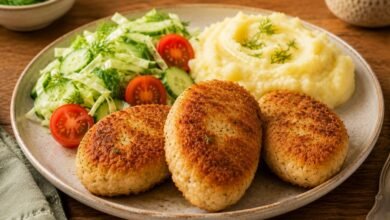
One minute you are normal. The next minute you are thinking about a plate you have not even eaten yet: soft, savory kotleti with golden edges, something creamy or potato-ish beside them, maybe pickles, maybe a little dill, maybe sour cream somewhere doing important cultural work.
I wanted food with a center of gravity.
Food that would not collapse emotionally after three bites. Food that did not require me to pretend a decorative smear of sauce was an experience. Food that looked at the current state of my day and said, “We can fix at least 38 percent of this.”
That is the exact category where kotleti live.
Food mood: hungry, slightly overdressed, very specific, and unwilling to be emotionally supported by a salad with three walnuts.
What are kotleti, emotionally speaking?
Technically, kotleti are Eastern European-style cutlets, often made with ground meat, shaped into tender patties and cooked until they become the kind of golden, homey thing that makes a table feel more serious.
Emotionally, they are a cardigan in dinner form.
Not the itchy cardigan. Not the sad one hiding in the back of the closet. I mean the good cardigan. The one that makes you feel instantly softer, warmer and slightly more capable of forgiving the day.
Kotleti are not trying to be shocking. They are not chasing a trend. They are not arriving with edible foam and a story about “deconstruction.” They know who they are.
That confidence is attractive.
Dear kotleti, thank you for not being mysterious. I already have enough mystery in my inbox, my skincare shelf and the lighting in fitting rooms.
The search was giving vintage bag energy
Looking for kotleti in a new city feels oddly similar to looking for a vintage bag.
You know the exact feeling you want, but the internet keeps showing you things that are almost right and spiritually wrong.
One restaurant has “cutlets,” but are they the cutlets? Another place has “meat patties,” which sounds suspiciously like someone translated comfort food during a fire drill. A deli has prepared food behind glass, but the photos are blurry and emotionally unavailable. A menu says “home-style,” which could mean grandmother-level excellence or something reheated with the confidence of a hotel lobby.
So you keep searching.
You open tabs. You zoom into photos. You read reviews written by people who either have no standards or extremely specific ones. You look for signs: dill, potatoes, soup, dumplings, sour cream, people mentioning “just like my mom made,” which is either the highest praise or a warning depending on the mom.
At some point, the craving becomes a small research project with accessories.
Vintage bag search: Is it real? Is it rare? Is it secretly perfect?
Kotleti search: Are they homemade? Are they tender? Do they come with potatoes?
Same energy: you know the good one when you see it, but first you must survive many questionable photos.
The menu translations were doing their best
I have a soft spot for translated menus.
They are brave. They are trying. They often carry the emotional weight of an entire cuisine with four English words and a dash.
But kotleti can be hard to spot because they do not always show up under the same name. Sometimes they are called Russian cutlets. Sometimes meat cutlets. Sometimes chicken cutlets. Sometimes homestyle patties. Sometimes “kotleta,” which sounds elegant and slightly formal, like it knows how to sit with good posture.
This is where a craving becomes detective work.
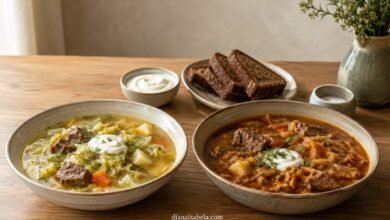
You learn to read between the lines. If the restaurant has borscht, pelmeni, mashed potatoes, pickled vegetables and a menu that uses dill without fear, you may be getting closer. If the photos show something golden and oval next to potatoes, your heart may begin making plans without consulting you.
The best comfort food is often hiding in plain sight under a translation that does not fully understand its own charisma.
I wanted the dinner version of a warm coat
There is a difference between being fed and being comforted.
You can be fed by almost anything. A protein bar. A smoothie. A rushed café sandwich that costs too much and tastes like printer paper in a blazer. These things perform a function. They keep the body from filing a complaint.
But comfort food does more.
It changes the room. It slows you down. It asks you to use a fork properly. It makes you sit. It makes you stop treating dinner like a calendar error.
That is what I wanted from kotleti. Not just meat. Not just potatoes. Not just a plate. I wanted that quiet little feeling of being taken care of by food that does not need to explain itself.
There are meals you eat because you are hungry, and meals you remember because they met you at the exact emotional temperature of the day.
The correct kotleti setting matters
I believe some foods have preferred lighting.
Kotleti do not belong under aggressive white ceiling lights next to a chair that squeaks every time someone breathes. They deserve warm light. A real plate. Something cozy nearby. Maybe a window. Maybe a little candle. Maybe the kind of restaurant where the table is not trying too hard, but the kitchen clearly knows what it is doing.
This does not mean fancy.
Actually, kotleti become suspicious when the setting is too fancy. If the plate arrives with one lonely microgreen and an architectural sauce dot, I start asking legal questions. Kotleti should feel cared for, not redesigned by someone who fears appetite.
The dream version is simple: a cozy table, warm food, something pickled, something creamy, maybe bread, maybe potatoes, and the deep satisfaction of ordering correctly.
The outfit for this mission should not be fragile
A kotleti dinner is not the time for clothing that cannot emotionally handle gravy, soup steam or enthusiastic fork movement.
You need something pretty, yes. But also something with dignity and range.
A soft sweater with gold earrings. A little black dress with a cardigan. A silky blouse that says “I have taste” but not “I fear sauce.” Boots that can walk to the restaurant and back. A coat with main-character structure. Lipstick, if you believe in bravery.
The outfit should say: I am stylish, but I came here to eat.
Best vibe: cozy but intentional.
Best fabric mood: knit, satin, wool, soft cotton, anything that forgives dinner.
Best accessory: gold earrings and an appetite.
Worst idea: a top so delicate it makes you negotiate with your own plate.
Then I found the kind of guide I actually needed
When a craving becomes oddly specific, I do not want a website that makes me feel like I am reading a refrigerator manual.
I want practical help. Where to look. What names to search. What the dish might be called. Whether I should try a restaurant, deli, store or home-style option. Basically, I want someone to hand me a map and say, “Here, go be fed properly.”
That is why I liked this Russian kotleti near me guide. It feels useful when your dinner craving has become specific enough to require strategy, but you still want the whole thing to stay delicious and human.
Because yes, sometimes food discovery is romantic. And sometimes it is you, in your kitchen, typing “kotleti” like it is a password to a warmer life.
Why kotleti feel so personal
Some foods feel public. They are made for restaurants, photos, menus, trends, group orders, dramatic entrances.
Kotleti feel more private.
Even when you eat them at a restaurant, they carry the energy of someone’s kitchen. Someone’s family table. Someone’s practical wisdom about how to stretch flavor, warmth and care into a meal that actually satisfies people.
They are humble, but not boring. Simple, but not empty. Cozy, but not childish. The kind of food that proves “uncomplicated” and “forgettable” are not the same thing.
That is why I think they are secretly stylish.
Not runway stylish. Not red-carpet stylish. More like old coat, good boots, clean hair, warm kitchen, no nonsense, quietly excellent stylish.
The first bite test
Here is how you know the craving was real: the first bite makes the room quieter.
Not because everyone is being dramatic. Because good comfort food reduces unnecessary conversation.
You take a bite. The outside has that golden, savory little edge. The inside is tender. There is warmth, seasoning, softness, maybe onion, maybe garlic, maybe the kind of flavor that does not shout because it knows you are listening.
Then the side matters. Potatoes, obviously, understand the assignment. Mashed potatoes make it soft. Roasted potatoes make it cheerful. Fried potatoes make it dangerous in the best possible way. Pickles cut through everything like a stylish friend with excellent boundaries.
And suddenly the craving makes sense.
You were not just looking for food. You were looking for a particular kind of reassurance.
If dinner can make you feel like your day has been gently edited, that is not just a meal. That is culinary styling.
The problem with cute food culture
I love cute food. I do.
A little pastry? Beautiful. A tiny tart? Gorgeous. A pastel drink with foam? Fine, she can stay.
But sometimes cute food culture forgets that people are hungry. It gets so busy looking delicate that it loses the plot. The plate arrives, everyone takes a photo, and then five minutes later the table starts discussing where to get actual dinner.
Kotleti are the opposite of that.
They are not asking to be adored from a distance. They are not floating above appetite. They are not pretending that a human body can be emotionally maintained on vibes and one radish.
They are food with follow-through.
Honestly, that is chic.
What I learned from looking for kotleti
I learned that a good food craving has taste, memory and a little bit of theatre.
I learned that menus hide treasures behind deeply unglamorous translations.
I learned that comfort food is not the enemy of style. It just has different priorities. It cares less about being impressive and more about being remembered.
I learned that potatoes are loyal. This was not new information, but it was reaffirmed.
And I learned that the best meals are often the ones that make you feel like someone thought about your comfort before your aesthetics — which, ironically, is one of the most beautiful aesthetics of all.
Search lesson: look for home-style clues, not perfect photos.
Menu lesson: cutlets, kotleti and patties may be speaking the same delicious language.
Style lesson: the chicest dinner is the one you actually want to eat.
Life lesson: never underestimate a golden edge.
The final bite
I went looking for Russian kotleti like they were a rare vintage bag because, in a way, they were.
Not rare because nobody makes them. Rare because the right version of any comfort food feels personal when you find it. It has to match the mood. The day. The hunger. The little emotional weather system you brought with you to dinner.
A good plate of kotleti is not trying to change your life. That would be too much pressure for one cutlet.
But it can improve the evening.
It can make the table warmer. It can make the outfit feel like it had a destination. It can make your appetite feel respected. It can remind you that dinner is not just something to get through before tomorrow starts making demands.
Sometimes dinner is the point.
And sometimes the most stylish thing a girl can do is stop pretending she wants “something light” and order the kotleti.

FAQ
What are Russian kotleti?
Russian kotleti are tender, savory cutlets often made from ground meat and cooked until golden. They are commonly served with potatoes, pickles, sour cream, salad or other cozy side dishes.
Why are kotleti considered comfort food?
Kotleti feel comforting because they are warm, filling, familiar and home-style. They are the kind of meal that feels simple but satisfying, especially when served with potatoes, bread, soup or pickled vegetables.
What should I wear to a kotleti dinner?
A cozy but stylish outfit works best: a soft sweater, silky blouse, cardigan, simple dress, boots, gold jewelry or anything that feels pretty but comfortable enough for a real dinner.
Is this article a recipe?
No. This is a Diana Isabela food diary article about craving, finding and enjoying Russian kotleti as a stylish comfort food experience. It focuses on food mood, city cravings and dinner culture rather than step-by-step cooking.
What makes kotleti different from regular cutlets?
Kotleti usually have a soft, home-style texture and are often connected with Eastern European cooking traditions. They feel less like fast food and more like a warm dinner made to be eaten with comforting sides.