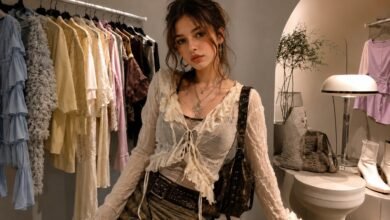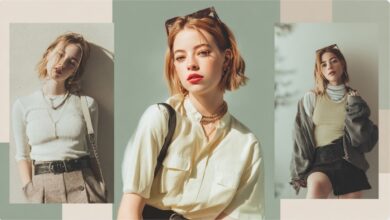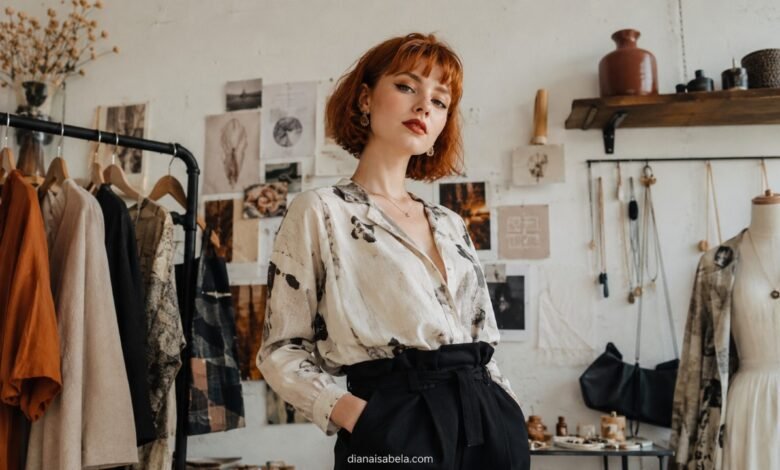
Tiny brands have a very specific kind of magic. Not the loud billboard kind. Not the “everyone at the mall owns this exact top in three colors” kind. I mean the little-label, small-batch, slightly strange, “where did you get that?” kind of magic. The kind that makes an outfit look like it has a secret life.
A great indie brand does not always look perfect in the polished corporate way. Sometimes that is the whole charm. The sleeve is oddly dramatic. The skirt has a weird little hem. The bag looks like it was designed by someone who read fairy tales, studied architecture, and then got personally offended by boring rectangles. Excellent. We support fabric with a personality disorder.
This is not a list of “top indie brands” because lists get old, sold out, copied, and then suddenly your rare little discovery becomes a TikTok uniform by next Tuesday. This is Diana’s field guide to finding tiny brands with main-character energy: handmade details, strange silhouettes, small-batch charm, TikTok discovery, and the sacred skill of spotting something special before everyone else turns it into a template.
The best tiny brands do not make you look like you bought an outfit. They make you look like you discovered a clue.
Not every “indie” label is automatically special. Some are just dropshipping in a cute font. The font is not the revolution, darling.
What makes a brand feel indie, not just small?
An indie brand is usually independent, smaller-scale, more personal, and less controlled by mass-market trend machinery. But the feeling matters as much as the business size. A brand can be tiny and still boring. A brand can have twelve followers, a cute logo, and clothes that look like they were designed by a beige algorithm drinking oat milk.
The best indie labels have a point of view. You can sense a human brain behind them. Maybe the designer is obsessed with Victorian sleeves. Maybe every bag looks like it belongs to a girl who haunts art museums. Maybe the tops are made from deadstock fabric. Maybe the silhouettes look like ballet, cyberpunk, thrifted romance, office siren, fairy grunge, or a dream someone had after reading too much poetry.
Indie does not mean messy. It means intentional. It means the piece was not designed to disappear into the sale rack of sameness. It has a little opinion. Sometimes a very loud little opinion.
If you remove the logo, does the piece still feel recognizable? If yes, the brand may have an actual identity. If no, it may just have branding.
Main-character energy is not about being loud
Main-character energy gets misunderstood. People think it means sparkles, drama, giant sunglasses, and entering rooms like you own a castle. Cute, but incomplete. A tiny brand can have main-character energy through quiet strangeness too.
A cream cardigan with hand-stitched flowers can be main-character. A black skirt with an impossible hem can be main-character. A tiny handmade bag shaped like a moon, tomato, cloud, book, beetle, or emotional support croissant can be main-character. The point is not volume. The point is narrative.
Mass-market pieces often say, “I am on trend.” Tiny-brand pieces can say, “I have lore.” That is the difference. One is an outfit. The other is a chapter.
Handmade details are the tiny-brand love language
Handmade details make a piece feel alive. Embroidery, crochet trims, hand-dyed fabric, visible stitching, ceramic buttons, beaded straps, uneven textures, screen-printed graphics, patched panels, ribbons sewn in unusual places — these are the little fingerprints that mass-market clothing often sands away.
Of course, handmade does not always mean high quality. Sometimes handmade means beautiful. Sometimes it means “someone’s glue gun had a panic attack.” This is why you inspect. Look at seams, fabric, finish, care instructions, product photos, customer reviews, and whether the brand explains its materials. Mystery is romantic in novels. It is less romantic when your top dissolves after one wash.
Still, a handmade detail can make an outfit feel intimate. Like someone touched the garment with a real idea, not just a trend forecast. In a world full of identical tops, that tiny imperfection can be the thing that makes it memorable.
Weird silhouettes are where tiny brands become dangerous
Mass-market fashion usually wants to be easy to sell. That means safer shapes, familiar cuts, predictable lengths, and pieces that look decent on a hanger under fluorescent lights. Tiny brands can afford to be stranger. Thank heavens. Someone has to save us from the tyranny of the average tank top.
Look for silhouettes that make you pause. A skirt that dips lower on one side. A jacket with exaggerated cuffs. A top with a curved neckline. A dress with a waistline that does not obey boring geometry. A sleeve that looks like it has read Gothic literature. A bag with the proportions of a tiny sculpture.
The secret is balance. One weird silhouette at a time usually looks stylish. Five weird silhouettes together can look like your closet is holding a faculty meeting in another dimension. Unless that is your exact goal. Then proceed with scholarship and confidence.
If the silhouette is strange, keep something else grounded: simple hair, clean shoes, calm color, or one normal basic that lets the weird piece breathe.
A tiny-brand piece should not look like a costume unless you asked for theater
There is a fine line between main-character and “why are you dressed like an escaped concept?” I respect both, but they are different decisions. A dramatic indie piece should still connect to your real life, unless you are styling a photoshoot, a party, or a personal aesthetic emergency.
This is why I like building around one strange piece. If the indie skirt is dramatic, let the top be easy. If the handmade corset top is doing poetry and tax fraud, let the jeans be calm. If the bag looks like it was stolen from a fairy queen’s intern, maybe skip the seven other statement accessories.
For birthday plans, party photos, or a main-character dinner where the outfit is supposed to have a little extra plot, the Birthday Dress guide is a useful styling cousin: it is about choosing the look that feels special without making you feel like you are being worn by your clothes.
Small-batch charm: sold out, slightly annoying, very seductive
Small-batch fashion has a special kind of tension. You see the piece. You fall in love. You hesitate for financial and spiritual reasons. You return two hours later and it is sold out. You stare at the screen like a tragic widow in a period drama. The internet has no mercy.
Small-batch charm works because it feels less mass-produced. The piece may be made in limited quantities because the brand has a tiny team, limited fabric, handmade production, pre-orders, deadstock materials, or a slower design process. That can make the clothing feel more personal and less everywhere.
But small-batch should not pressure you into bad shopping. “Limited” is not a moral command. A tiny brand can still use urgency to make you panic-buy something you do not need. Do not let scarcity turn your brain into a glittery squirrel.
| Small-batch sign | Good version | Be careful if… |
|---|---|---|
| Limited quantities | The brand explains production honestly. | Every drop is “rare” but somehow always restocks mysteriously. |
| Pre-order | Timelines are clear and realistic. | No production updates, vague shipping dates, chaotic comments. |
| Handmade | Details, materials, care, and process are shown. | The word handmade is used like fairy dust with no proof. |
| Deadstock fabric | The limited fabric explains the small run. | The sustainability language feels copy-pasted and empty. |
TikTok discovery is useful, but the algorithm is not your stylist
TikTok is amazing for finding tiny brands because one video can introduce you to a label that would never appear in a normal search. You might see a designer packing orders on their bedroom floor, a small studio showing a new drop, a girl styling a weird skirt, or a creator explaining why a handmade top is worth the price.
But TikTok also turns discovery into a stampede. A small brand can go viral overnight, sell out, get copied, get overwhelmed, or become the new thing everyone suddenly claims they found first. The algorithm is a treasure map, yes, but it is also a loud raccoon.
Use TikTok to discover. Do not use it to obey. Save brands. Watch how they style pieces. Check comments for quality clues. Search the brand outside TikTok. Look at tagged photos, customer videos, return policies, and whether the brand has an actual point of view beyond “viral corset top, please clap.”
If you want more examples of small labels that already had TikTok momentum, start with TikTok-famous small fashion brands. For the broader trend machine around viral outfits, the guide to TikTok fashion trends is the map of how styles become everywhere before your group chat has even finished debating them.
How to avoid “mass-market but with indie lighting”
Some brands know how to look indie without actually being interesting. They use grainy photos, handwritten fonts, dreamy captions, and one model standing near a brick wall. Cute atmosphere, but atmosphere is not design. A foggy photo of a basic tank top is still a basic tank top in witness protection.
Look past the styling. Ask what the garment itself is doing. Is the cut unusual? Is the fabric special? Are the details thoughtful? Does the brand have a consistent design language? Would the piece still feel interesting on a plain hanger, without the cool model, apartment mirror, and moody playlist?
Mass-market energy is not always about size. It is about sameness. If the brand looks like it is chasing every microtrend at once — balletcore today, coquette tomorrow, office siren by Thursday, fairy grunge when sales drop — it may not be indie style. It may be trend karaoke.
The materials whisper the truth
Indie labels can be brilliant with materials because they are not always trapped by giant production systems. You may find deadstock satin, vintage lace, hand-dyed cotton, recycled nylon, soft mesh, textured knits, upcycled denim, crochet panels, or fabric combinations that look slightly wrong in the most right way.
But tiny brands can also be vague. If every product description says “premium fabric” and nothing else, I become suspicious. Premium what? Premium polyester? Premium mystery? Premium emotional manipulation?
Look for material percentages, close-up photos, stretch notes, lining information, care instructions, and honest language about texture. A good small brand does not need to sound like a luxury perfume commercial. It just needs to tell you what you are buying.
- Good sign: fabric content is listed clearly.
- Good sign: close-up shots show stitching, texture, lining, hardware, or print quality.
- Good sign: the brand explains whether the piece is handmade, made-to-order, deadstock, or small batch.
- Red flag: dreamy photos, vague descriptions, no size info, no return policy, and comments asking “when will this ship?” like a Greek chorus.
Where to find tiny brands without falling into the same five viral shops
The best tiny-brand discovery usually happens when you follow the trail sideways instead of searching the obvious phrase. Search by detail, not by category. Instead of “cute top,” try “handmade ribbon top,” “asymmetric mesh skirt,” “deadstock satin dress,” “ceramic button cardigan,” “small batch knitwear,” “upcycled denim bag,” or “indie label ruched top.”
Use TikTok, Instagram, Pinterest, Depop, Etsy, local markets, fashion school graduate pages, stylist tags, outfit credits, small boutique accounts, and comment sections where stylish people ask the sacred question: “Where is this from?” The replies are often better than the post.
Also inspect who a tiny brand follows and who styles their pieces. Indie fashion is a web. One small label leads to another designer, then a photographer, then a boutique, then a girl in Copenhagen wearing a skirt so weird you need to sit down. This is research. This is scholarship. This is also why your screen time report judges you.
The tiny-brand price question: when is it worth it?
Indie brands can be more expensive than mass-market because small production is expensive. Fabric costs more in low quantities. Handmade work takes time. Ethical production is not cheap. A one-person studio cannot price like a giant machine that produces thousands of units before breakfast.
But expensive does not automatically mean worth it. A tiny brand still has to earn the price through design, materials, fit, finish, story, production transparency, or emotional usefulness. Yes, emotional usefulness. If a piece makes ten outfits feel sharper and you wear it constantly, that matters. If it looks magical online but belongs nowhere in your real life, it may become closet sculpture.
Ask: would I wear this at least five different ways? Does it work with my existing closet? Is the fabric good? Is the construction decent? Is the design unique enough that I cannot find a similar version everywhere? Do I want it because it is beautiful, or because it might sell out and I fear being spiritually late?
Diana’s tiny-brand shopping checklist
Before you buy from an indie label, do a small investigation. Not because you are cynical. Because you are stylish and financially alive.
| Check | What to look for | Why it matters |
|---|---|---|
| Design identity | A clear aesthetic, not random trend hopping. | You want a point of view, not a mood board accident. |
| Materials | Fabric content, lining, stretch, care details. | Pretty photos cannot tell you if the fabric feels tragic. |
| Construction | Seams, hems, hardware, close-ups, customer photos. | Tiny-brand charm should not mean falling apart in public. |
| Fit info | Measurements, model size, reviews, adjustable details. | Small brands may have limited returns, so fit matters. |
| Production style | Ready-to-ship, made-to-order, pre-order, small batch. | You need to know if it ships now or after your next personality change. |
| Brand transparency | Clear policies, contact info, production updates. | Mystery is for novels, not shipping timelines. |
How to style indie pieces without looking like the algorithm dressed you
The biggest styling mistake with tiny brands is over-proving the aesthetic. You buy one unusual piece and suddenly you feel pressure to turn the whole outfit into a themed exhibit. Resist. Let the piece speak. Do not make it scream over twelve backup dancers.
If you buy a handmade ribbon top, style it with worn jeans, simple boots, or a clean skirt. If you buy a weird sculptural bag, wear it with a calm dress. If you buy a dramatic mesh skirt, pair it with a basic tank or oversized knit. If you buy an upcycled jacket, let the rest of the outfit breathe.
Indie style looks best when it feels discovered inside your real wardrobe, not pasted onto you from a trend folder. The goal is not “I am wearing an indie brand.” The goal is “my outfit has a secret and it is cooler than yours.” Politely, of course.
Do not confuse rare with personal
A rare piece is not automatically your piece. This is the trap. Something can be limited, handmade, viral, expensive, sold out, and still wrong for you. Fashion people sometimes forget this because rarity makes the brain dramatic. Suddenly a dress becomes precious because only thirty exist. But what if all thirty are awkward?
Personal style is not just collecting unusual items. It is choosing the unusual items that make sense with your body, life, taste, and emotional weather. You do not need every tiny brand discovery. You need the ones that make your closet feel more like you.
The best indie piece should unlock outfits, not demand a new identity. It should make your style more specific, not more confused. Main-character energy is not owning the rarest thing. It is knowing what belongs in your story.
Signs a tiny brand is actually worth following
A follow costs nothing, but attention is still a currency. Do not hand it to every brand with a cute logo and one moody campaign photo. Follow the labels that keep teaching your eye something.
The tiny-brand fantasy closet: how to build it slowly
You do not need to replace your whole wardrobe with indie labels. That would be expensive, exhausting, and probably lead to you owning eleven statement tops and no normal socks. A tiny-brand closet works better when it is built slowly.
Start with one category you actually wear. If you are a skirt girl, look for a small-batch skirt with a strange hem or print. If you love bags, find one sculptural tiny-brand bag. If you wear basics every day, search for a top with unusual seams or handmade trim. If you love dresses, choose one shape that feels special but still wearable.
Then style it with what you already own. A tiny-brand piece becomes more powerful when it changes your existing clothes, not when it demands an entirely new wardrobe kingdom. Even a plain outfit can become memorable with one indie detail doing the emotional heavy lifting.
Tiny brands are for people who want their clothes to have evidence of a soul
Indie labels are not magic just because they are small. Some are brilliant. Some are chaotic. Some are overpriced. Some are quietly making the most interesting pieces on the internet while giant brands are busy producing another “elevated basic” that looks spiritually exhausted.
The real art is learning to see. Look for design identity, handmade details, strange silhouettes, thoughtful materials, small-batch honesty, and styling that feels specific instead of mass-produced. Use TikTok as a doorway, not a dictator. Let curiosity lead, but let taste decide.
A tiny brand with main-character energy does not need to shout. It just needs to make the outfit feel like it belongs to someone with a point of view. And that, honestly, is the whole point. Clothes should not only cover you. They should leave a little evidence that you were never planning to be basic.
FAQ
What are indie fashion brands?
Indie fashion brands are independent labels that usually have smaller production, a clearer personal design point of view, and less mass-market trend pressure. They often focus on unique silhouettes, handmade details, small batches, or niche aesthetics.
How do I find good indie brands?
Search by specific details instead of broad terms. Try phrases like handmade top, deadstock dress, asymmetric skirt, small-batch knitwear, upcycled denim bag, or indie label. TikTok, Instagram tags, Pinterest, local markets, small boutiques, and customer outfit photos are also useful.
How can I tell if an indie brand is good quality?
Look for clear material information, close-up photos, stitching details, size measurements, customer reviews, production explanations, return policies, and real customer styling. Avoid brands with vague descriptions, no policies, or too many unclear shipping complaints.
Are small-batch clothes worth buying?
Small-batch clothes can be worth buying if the design is unique, the materials are good, the construction is solid, and the piece fits your real wardrobe. Do not buy only because something is limited or about to sell out.
How do I style indie brand pieces?
Style one unusual indie piece with simpler items you already own. Pair a dramatic skirt with a basic top, a handmade ribbon top with jeans, or a sculptural bag with a clean dress. Let the special piece stand out without making the whole outfit too busy.