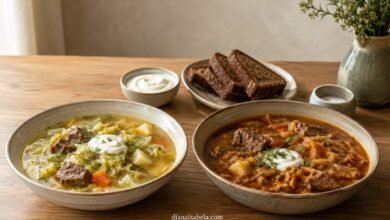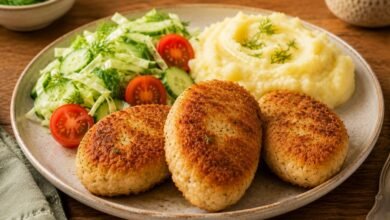
French bistro food has lipstick energy.
Not because it is always glamorous in the obvious way. A bowl of onion soup is not exactly wearing diamonds. Steak frites does not need a publicist. Duck confit is not trying to look effortless; it knows it took time. But French bistro food has that particular kind of confidence where nothing is apologizing for being rich, buttery, salty, crisp, saucy, warm or very much dinner.
It is food with a red banquette behind it.
A tiny table.
A candle that makes everyone look like they have better bone structure.
A menu that says you may have salad, but you are absolutely allowed to have fries.
This is not the “just something light” dinner. This is the dinner where you order like a woman who understands pleasure has a seat at the table and, frankly, she is wearing a better coat than everyone else.
French bistro food is cozy, elegant and practical at the same time: onion soup, steak frites, duck confit, quiche, croque madame, ratatouille, salade niçoise, crème brûlée and the kind of dinner that makes a simple outfit look intentional.
The bistro is not a restaurant category. It is a mood with fries.
A bistro is where food feels dressed but not stiff.
It is not the grand tasting menu with twelve courses and a server explaining foam as if you are receiving a diplomatic briefing. It is also not a café stop where coffee does most of the emotional labor. A bistro sits somewhere warmer: intimate, familiar, a little noisy, a little romantic, sometimes rushed in the best city way, sometimes slow enough that dessert becomes unavoidable.
The menu usually has classics because classics are the whole point. French onion soup. Steak frites. Croque monsieur or croque madame. Quiche. Duck confit. Mussels. Ratatouille. Salade niçoise. Escargots. Pâté. Terrine. Tartare. Roast chicken. Crème brûlée. Tarte tatin.
Some dishes sound elegant. Some sound deeply old-school. Some are secretly simple until you taste how much technique hides inside them.
That is the charm.
The bistro does not ask you to understand everything. It asks you to sit down, look at the menu, choose your appetite, and stop pretending the bread basket is decorative.
French bistro food works because it lets dinner feel both dressed up and deeply human. You can wear lipstick, order fries, share dessert, complain about your shoes, and still feel like the evening has style.
That is a rare and useful talent.
Start with soup if the room feels cold or your soul is being dramatic
French onion soup is not just soup.
It is an edible mood board: caramelized onions, deep broth, bread, melted cheese, heat, salt, comfort, a bowl that arrives looking like it survived winter and came back more interesting.
Order it when the weather is rude, when you are underdressed for the evening, when you need something that feels like a coat but tastes better, or when the rest of the menu is making you indecisive. Onion soup gives the table a beginning. It says, we are not nibbling tonight. We are entering dinner properly.
It is also a very good test of a bistro. If the onion soup tastes thin, rushed or shy, I become suspicious. A good one should have depth. Sweetness from the onions. Salt. Broth that does not taste like water wearing perfume. Cheese that pulls just enough to make you feel mildly ridiculous and very happy.
That said, onion soup is not for a delicate white blouse unless you have the courage of a woman who has accepted consequences.
Best order when: it is cold, raining, late, romantic, or you want dinner to begin with something that feels like a velvet curtain opening.
Do not rush it. Hot cheese punishes arrogance.
Steak frites is the bistro answer when you cannot play games tonight
Some dishes are decisions.
Steak frites is one of them.
It does not pretend to be complicated. Steak. Fries. Sauce if the room has manners. Maybe a little green salad so everyone can say balance happened. But a good steak frites has exactly the kind of direct confidence that makes it a bistro icon.
You order it when you are hungry in a clear, adult way. Not snack hungry. Not “maybe I will just pick at something” hungry. Real dinner hungry. The kind of hungry where a tiny appetizer would only make you resent the table.
The fries matter.
Of course they do. French fries in a bistro are not side decoration. They are part of the emotional contract. They should be crisp, salted, hot and abundant enough that the table has to negotiate. If someone says they do not want fries and then starts taking yours, that person has revealed character.
Protect yourself.
Duck confit is for the evening that wants a little drama
Duck confit does not arrive trying to be casual.
It has history. It has texture. It has crisp skin and tender meat and that beautiful French ability to make preservation methods feel like romance. Usually it comes with potatoes, greens, beans or something sturdy enough to sit beside it without panicking.
This is not the dish I order when I want to look like I am “just having a bite.”
This is the dish I order when the room is warm, the lighting is flattering, my dress has enough forgiveness, and I want dinner to have a little weight. Duck confit is rich, yes, but rich is not a crime. Rich is a category. Sometimes it is exactly the category.
If steak frites is confident and direct, duck confit is deeper. More candlelit. More “I may have opinions about coats and old hotels.”
It is a good dish for colder months, date nights, serious conversations, or evenings where the menu has already convinced you that a salad will not be the main character.
Quiche and croque madame are not just lunch pretending
French casual food is often underestimated because it looks so simple.
That is a mistake.
A good quiche has pastry, custard, eggs, cream, cheese, vegetables, bacon, herbs, depending on the version. It can be light enough for lunch and satisfying enough for dinner if paired properly. Quiche Lorraine, especially, has that salty, creamy, old-school charm that makes you understand why certain dishes never leave the room.
Croque monsieur and croque madame are also more than “sandwiches.”
They are toasted, saucy, cheesy, crisp-edged, creamy-centered proof that bread and cheese will always find a way to become culture. Add an egg and the whole thing becomes croque madame, which feels more like a small event than a quick meal.
These are excellent choices when you want French bistro energy without committing to a heavy main. They also suit earlier dinners, lunch dates, café-bistro hybrids, or those evenings where you want comfort but still plan to walk afterwards and pretend the walk was your idea all along.
You want something savory, soft, classic and not too heavy. Add salad, soup or a glass of something crisp if the dinner needs more structure.
You want comfort with a little Paris café attitude: bread, cheese, ham, sauce and egg behaving like they have a reservation.
Escargots are less scary than their reputation
Escargots are one of those menu items people treat like a personality test.
They are snails, yes.
Now that the dramatic part is over, let us be practical: most people like escargots because of garlic butter, parsley, texture and bread. The snail itself is not usually the loudest part of the experience. The butter is doing a lot of the styling. The bread is doing the important follow-up work. The little special dish makes everything feel more theatrical than it actually tastes.
If you are curious, try them in a place that does them well. Do not force yourself if you are already tense. Food bravery should not look like suffering.
But if you love garlic butter, bread, and a small edible adventure that makes the table more interesting, escargots may surprise you.
Also, they are an excellent conversation reset when a date starts explaining something too long. “Should we order escargots?” will move the evening forward immediately.
Pâté and terrine are for people who respect bread
A bistro table often knows how to begin with something spreadable.
Pâté, terrine, rillettes — these dishes can feel intimidating if you did not grow up seeing them, but the basic pleasure is simple: rich savory spread, bread, cornichons, mustard, maybe onion jam or a little salad. Fat, salt, acid, crunch. The fashion equivalent of a good leather jacket over a slip dress.
This is not a starter for everyone, and that is fine. But when it is good, it makes the table feel grounded. Less pretty-girl nibble. More grown woman ordering.
If you are sharing, order it with something fresh nearby. Pickles, greens, radishes, salad, something crisp. Otherwise the table can get heavy too quickly, and then everyone starts making vague comments about walking after dinner.
Best balance: pâté or terrine with bread, pickles, mustard and a fresh salad or vegetable side.
Too heavy: rich starter, rich main, rich dessert, no acid, no greens, no one admitting they made choices.
Best table move: one rich starter for sharing, one crisp salad or vegetable dish, then mains that do not all repeat the same mood.
Salade niçoise is the salad that did not come to be ignored
I am suspicious of salads that arrive looking like punishment.
Salade niçoise is not that.
At its best, it has substance: tuna, eggs, olives, tomatoes, green beans, potatoes or other vegetables depending on the version, anchovies sometimes, dressing, salt, color, enough going on that you do not finish and immediately begin stalking the dessert menu for survival.
This is the salad for a bistro lunch, a warm evening, a lighter dinner that still respects appetite, or a day when you want French food but not a cream-and-butter commitment.
It also photographs beautifully if the kitchen has any sense. Reds, greens, yellow egg, dark olives, clean plate, table glass, maybe a striped shirt in the background if life is feeling generous.
But please do not order it because you think you are “supposed” to be light.
Order it because you want that salty, bright, Riviera-ish, structured plate. There is a difference.
Ratatouille is vegetable comfort, not a side character
Ratatouille is one of those dishes that can be magnificent or completely forgettable depending on care.
Eggplant, zucchini, peppers, tomatoes, onions, garlic, herbs, olive oil. It sounds simple because it is built from ingredients everyone recognizes. But when those vegetables are cooked well, softened properly, seasoned with patience, and allowed to become something together, ratatouille feels like warm color on a plate.
It is not the dish for someone who wants crunch or drama.
It is the dish for someone who wants softness, vegetables, warmth, herbs and a little Provençal sunshine in the middle of a bistro menu that might otherwise be leaning butter-heavy.
Pair it with fish, chicken, eggs, bread, or something grilled if you want a more complete meal. Or order it as part of a table that needs color and vegetables before everyone starts pretending fries count as produce.
Mussels are for girls who understand dinner can be messy and chic
Moules frites are a beautiful contradiction.
A bowl of mussels. Broth. Shells. Fries. Steam. Bread. Lemon. Maybe white wine, cream, garlic, herbs, depending on the preparation. It is elegant because it is French and casual because you have to use your hands and there is no dignified way to manage shells forever.
I like food that ruins the illusion a little.
Mussels are perfect for people who are comfortable actually eating. Not posing near food. Eating. They make the table more alive. They give you broth to chase with bread. They make fries feel necessary. They are also great when you want something lighter than steak but more exciting than a polite fish fillet.
Wear sleeves with discipline.
That is my only warning.
Some French bistro dishes require appetite and a napkin. This is not a flaw. This is dinner having a personality.
Crème brûlée is the dessert for people who like a little violence with their sugar
There is a reason crème brûlée survives every trend.
It has drama built in. The spoon cracks the caramel top. The custard underneath is smooth, cool, creamy, vanilla-rich. It is sweet but not silly. Elegant but not fragile. Familiar but still satisfying.
It is also the perfect bistro dessert when you want to share but do not want to lose control. Everyone gets a spoon. Everyone cracks a little sugar. Everyone pretends this is communal until someone takes the best bite from the center and the table briefly learns the truth about friendship.
Tarte tatin is another beautiful ending: caramelized apples, pastry, warmth, sometimes cream or ice cream. It feels more rustic, more autumnal, more “I wore the good coat and now dessert is happening.”
Profiteroles, chocolate mousse, lemon tart, floating island, clafoutis depending on the place — French bistro desserts know how to end an evening without turning it into a circus.
They do not need glitter.
They have butter.
How to build a French bistro order without making the table too heavy
French bistro menus can tempt you into ordering only rich things.
I understand. The butter is persuasive.
But the best bistro table has contrast. Something warm, something crisp, something rich, something acidic, something green, something sweet at the end if the evening deserves it. You do not need to turn dinner into a spreadsheet. Just avoid stacking heavy on heavy on heavy until everyone is silent by dessert.
Rainy date-night order: onion soup, duck confit, a green salad or vegetables, then crème brûlée.
Classic hungry order: pâté or escargots to share, steak frites, maybe salade verte, then chocolate mousse or tarte tatin.
Lighter bistro order: salade niçoise, ratatouille, mussels or roast fish, then a small dessert if the room is too charming to leave.
Pretty lunch order: quiche, croque madame or onion soup with salad, then coffee and something sweet if you are not in a hurry.
The outfit should match the bistro, not fight the plate
A French bistro outfit should look like you can sit, eat, laugh, lean toward the table, walk home, and still look like the evening meant something.
Not too stiff. Not too casual. Not so precious that a fry feels dangerous.
Black dress. Red lip. Soft cardigan. Blazer over a silk top. Dark jeans with a beautiful blouse. Satin skirt with boots. Trench coat. Ballet flats if the evening is more Paris walk than high-heel performance. Loafers if you want polish without pain. Gold hoops. A small bag that does not occupy the whole table.
If the bistro is date-night romantic, go softer: draped neckline, slip skirt, low bun, berry lipstick, perfume that stays close. If it is city-cool and a little sharper, the cooler Acubi styling approach can work beautifully: clean lines, simple pieces, understated confidence.
If you are going romantic but not formal, a pretty top can help; the soft feminine top ideas are useful when you choose the grown-up version and pair it with sleeker bottoms.
Just remember: steak frites does not respect a waistband that lies.
French bistro food is perfect for the girl who wants dinner to feel like a scene
Not fake scene.
Real scene.
The kind where the table is small and slightly inconvenient. The bread arrives before you have decided anything. The menu is charming but also bossy. Someone beside you is eating fries with the confidence of a person who has never apologized for pleasure. The waiter is moving too fast but somehow knows exactly when to appear. Your lipstick survives the first course better than expected. The candle is doing flattering work. The room is noisy enough that nobody is performing perfection.
That is why French bistro food belongs in this Food Diary.
It is food and mood together. It is not just “what are French dishes?” It is what to order when the evening has candlelight, when you want dinner with personality, when you want to dress a little better but still eat properly, when you want something classic but not boring.
For a lighter daytime version of European food, I would send you to the café food piece for girls who need more than coffee. For the Italian pre-dinner cousin of this mood, read the Italian aperitivo food story. And if you want the broader “eat beautifully, but actually eat” philosophy, start with the comfort food essay that opened the diary.
The last bite before you ask for the check
French bistro food is not delicate in the way people imagine French food to be delicate.
It is elegant, yes. But it is also salty, buttery, crisp, warm, saucy, rich, practical, nostalgic, and sometimes messy.
Onion soup stretches cheese across your spoon. Steak frites gives you fries and expects you to behave honestly. Duck confit arrives with old-school confidence. Quiche makes eggs and cream feel like architecture. Croque madame proves a sandwich can have better posture than most people. Ratatouille turns vegetables soft and serious. Mussels make you use your hands. Crème brûlée gives dessert a cracking sound, which is always helpful.
This is dinner with lipstick energy because it does not ask you to shrink your appetite to look chic.
It lets you be stylish and hungry.
My favorite combination.
Read next: For another European evening ritual, read Italian Aperitivo Food That Feels Like a Stylish Little Dinner. For cozy daytime ordering, try Cozy European Café Food for Girls Who Need More Than Coffee.
For outfit mood, use sleek city-cool styling if the bistro feels modern, or romantic top inspiration if the dinner is softer, candlelit and a little flirty.
French bistro food FAQ
What is French bistro food?
French bistro food is classic, casual French restaurant food served in a relaxed but stylish setting. Common dishes include French onion soup, steak frites, duck confit, quiche, croque monsieur, croque madame, ratatouille, mussels, salade niçoise and crème brûlée.
What should I order at a French bistro for the first time?
Start with onion soup, escargots, pâté or a simple salad, then choose a classic main like steak frites, duck confit, mussels or croque madame. For dessert, crème brûlée is the easiest beautiful ending.
Is steak frites a good bistro dinner?
Absolutely. Steak frites is one of the most classic French bistro orders because it is simple, satisfying and very dinner-friendly. The steak matters, but the fries matter too.
What French bistro dishes are good if I do not want something too heavy?
Try salade niçoise, ratatouille, mussels, roast fish, quiche with salad, or a vegetable-forward plate. You can still get the bistro mood without ordering the richest dish on the menu.
What is the difference between croque monsieur and croque madame?
Croque monsieur is a toasted French ham and cheese sandwich, usually with a creamy sauce or melted cheese. Croque madame is similar but served with an egg on top, which makes it feel a little more like a full meal.
Are escargots worth trying?
They can be, especially if you like garlic butter, parsley and bread. The flavor is usually less shocking than people imagine; the butter and seasoning do a lot of the work. Try them at a good bistro, not somewhere careless.
What dessert should I order at a French bistro?
Crème brûlée is the classic choice: creamy custard, crisp caramelized sugar, simple and elegant. Tarte tatin, chocolate mousse, profiteroles, lemon tart and clafoutis are also beautiful options depending on the menu.
What should I wear to a French bistro dinner?
Wear something polished but comfortable enough for real dinner: a black dress, satin skirt, silk blouse, blazer, dark jeans with a chic top, loafers, boots, ballet flats or low heels. Add lipstick or jewelry if the room feels candlelit and romantic.
Can French bistro food be vegetarian-friendly?
Sometimes. Look for ratatouille, salads, vegetable tarts, quiche without meat, cheese plates, mushroom dishes, lentils, soups, fries, omelets or seasonal vegetable plates. Menus vary, so check before assuming there will be several choices.
Is French bistro food fancy?
It can feel elegant, but it is not usually stiff. The best bistro food feels classic, warm and confident rather than overly formal. Think candlelight, good bread, fries, soup, sauces, wine glasses, close tables and dishes that have been loved for a reason.
What is a good French bistro order for a date night?
Share a starter like escargots, onion soup or pâté, then order steak frites, duck confit, mussels or a beautiful fish dish. Add a green salad or vegetable side, then share crème brûlée or tarte tatin. It feels romantic without becoming too complicated.
What if I only want a small French bistro meal?
Order quiche with salad, croque madame, onion soup, a cheese plate, salade niçoise or mussels. That gives you the bistro feeling without turning dinner into a heavy multi-course evening.