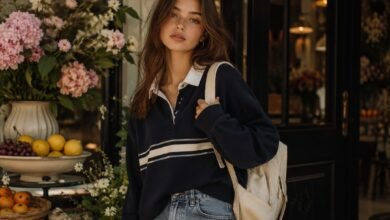
Style Squad Files: What Everyone’s Wearing Before Anyone Admits It’s a Trend

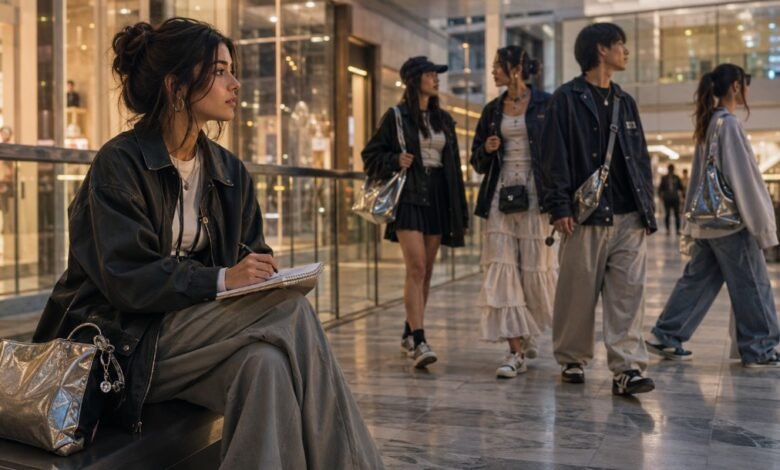
Every trend has a secret life before the internet gives it a name.
I have a theory, and yes, it comes from extremely serious academic research conducted in school hallways, mall mirrors, café windows, birthday-party bathrooms, bus stops, and the sacred anthropology lab known as the sleepover floor.
Before a trend becomes a trend, it becomes a rumor. A repeated shoe. A suspiciously similar bag. A hair clip appearing in three unrelated friend groups. One girl wearing silver ballet flats on Monday, another wearing them on Thursday, and by next week everyone is pretending they “just always liked them.” Darling, I have notes.
The notebook opens
This is not a clean trend forecast written by someone in a glass office who has never stood outside a classroom pretending not to look at someone’s outfit. This is the Style Squad file: messy, observant, slightly dramatic, and probably more accurate because real trends do not arrive polished.
They arrive half-zipped, reworked, borrowed, thrifted, copied, softened, and worn with the confidence of a girl who says, “I don’t know, I just threw it on,” while clearly having made seven excellent decisions.
If you want the wider universe of real teen styling, Diana’s school style diaries already collect the kind of outfits that do not look like a brand campaign, which is exactly why they matter.
The first sign is always shoes
In the hallway, trends reveal themselves at ankle level. You can learn more from five minutes by the lockers than from a full runway recap if you know where to look. The current evidence: flat shoes with personality, slightly awkward sneakers, soft boots, and the return of “I could run to class but I would prefer to look cinematic.”
The bigger move is not one exact shoe. It is the feeling: practical but styled, casual but not careless. The girls are tired of looking over-produced at 8:10 a.m. They want outfits that survive stairs, weather, and emotional plot twists near the vending machine.
The fitting-room trend is controlled chaos
The mall mirror is where girls try on their future selves under lighting that should honestly be investigated by the United Nations. Still, even under fluorescent hostility, patterns appear.
The biggest one: outfits are becoming more layered and less obedient. A lace cami under a sporty zip-up. A long-sleeve top under a tiny tee. A skirt over pants, but only if the wearer has the spiritual strength to ignore strangers. The “cute outfit” is becoming less about one perfect item and more about composition.
The café girls are soft-launching polished weird
Cafés are dangerous because everyone pretends they are there for iced matcha, when in reality half the room is silently studying everyone else’s jacket. The emerging look is polished weird: clean base, strange detail.
Think a simple black skirt with an asymmetrical top. A plain tank with an oversized blazer that looks stolen from a fashionable uncle. A delicate cardigan with hardware-heavy jewelry. One oddly shaped bag sitting beside a laptop like a tiny sculpture with secrets.
This is where the cool-girl silhouette starts to matter. If the outfit is minimal, the shape has to speak. That is why Diana’s guide to cool-girl Acubi styling fits perfectly into this file: it explains why proportion can make a quiet outfit feel expensive, even when nothing is shouting.
The birthday outfit is where trends stop pretending to be casual
At a birthday party, everyone suddenly admits they own dramatic clothing. The hallway girl in sneakers arrives in a rosette choker. The café minimalist wears metallic. Someone’s “simple dress” has a back detail that causes three people to ask for the link. Birthday style is the fashion courtroom where trends reveal their most theatrical evidence.
What everyone is reaching for right now: soft shine, corset-ish shapes without actual costume energy, ribbon details, little black dresses with a twist, and shoes that look cute in photos but still allow basic survival. The party trend is not maximalism. It is controlled sparkle.
For the actual dress hunt, Diana’s birthday dress guide is the better closet map, because party outfits need a different logic from everyday looks. A birthday outfit is not just clothing. It is a small public statement with cake nearby.
Weather exposes fake trends immediately
The bus stop is where fashion fantasy meets wind. If a trend cannot survive waiting outside with a backpack, lip gloss, and mild existential dread, it is not real yet.
The strongest bus-stop look is the practical statement layer: oversized leather jackets, zip hoodies under coats, scarves worn like personality, big headphones, cargos, wide-leg denim, and bags that actually hold things. There is a reason these looks keep spreading. They let someone look styled without requiring a private car and perfect weather.
The sleepover is where trends confess
At the sleepover, after the snacks are open and someone is pretending not to text back too fast, the truth comes out. Everyone admits what they want to buy. Everyone opens saved folders. Everyone says, “Is this ugly or genius?” which is one of the most important fashion questions in modern civilization.
The sleepover file shows the emotional side of trends: girls are craving clothes that feel personal, not just approved. Initial necklaces, charm bracelets, pajama pants styled outside, boxer shorts, lace-trim tops, old-school bags, thrifted cardigans, tiny bows worn in non-babyish ways. The mood is private-life clothing sneaking into public.
Diana’s trend radar: what becomes official next
The funny thing about trends is that nobody wants to be the first person to name them. Naming a trend makes everyone suddenly suspicious, like you have invited a tax inspector to brunch. But the evidence is stacking up.
- Odd flats: not ballet flats only, but any low shoe with a little strange elegance.
- Practical statement layers: jackets, hoodies, scarves, and bags that make real life look styled.
- Soft metallics: especially silver skirts, shiny bags, and small flash details that do not scream disco.
- Bedroom-to-outside pieces: camis, boxer shorts, cozy cardigans, lace trims, and sentimental jewelry.
- Shape-first dressing: outfits where the silhouette does most of the talking.
The influencer file: who makes a trend feel wearable
Trends become real when people can imagine them in their own lives. That is why teen creators matter so much: they translate fashion from campaign fantasy into hallway reality, bedroom mirror reality, “I have twelve minutes before leaving” reality.
It is one thing to see a runway look. It is another to see a girl style the same feeling with thrifted jeans, a school bag, lip gloss, and a jacket she definitely borrowed and may never return. Diana’s list of teen fashion creators changing the style conversation is useful here because the best creators do not just wear trends; they make them feel possible.
How to wear the trend before it becomes embarrassing
The trick is to avoid the costume phase. When something is about to become a trend, people often overdo it because they want the signal to be understood. Suddenly everyone has the exact shoe, exact bow, exact skirt, exact pose, exact caption. Very tragic. Very algorithmic. Very “we need a group intervention.”
Start with one clue
Wear the flat shoe, not the entire “flat shoe girl” uniform. Try the metallic bag, not a full disco spreadsheet. Trends look fresher when they are treated like seasoning, not soup.
Keep your old self visible
If your outfit suddenly looks like a stranger stole your closet, remove one trend piece. Personal style should evolve, not enter witness protection.
Let function stay cute
The bus-stop test matters. If the outfit fails the real-life test, it is probably content, not style.
Trust repeated sightings
One outfit is a moment. Three unrelated sightings are evidence. Five sightings and a group chat debate? Darling, that is a trend putting on lip gloss.
Closing the file
By the time everyone admits something is a trend, the most interesting girls have already worn it, changed it, softened it, made it weirder, and moved on to the next small signal. That is why watching real style is more useful than waiting for permission.
So here is the official-unofficial Diana verdict: the next wave is not about one item. It is about clothes that look lived-in, slightly personal, practical enough for real life, and strange enough to make someone look twice. The trend is not coming from the announcement. It is already in the hallway.
FAQ
What is the article “Style Squad Files” about?
It is a Diana Isabela style report about the outfits and details people start wearing before they officially become trends, observed in places like school hallways, malls, cafés, birthday parties, bus stops, and sleepovers.
How can you spot a fashion trend before it becomes popular?
Look for repeated details across different people and settings, such as similar shoes, bags, layers, silhouettes, colors, or accessories appearing naturally before anyone labels them as a trend.
What teen fashion trends are becoming popular right now?
Current early signals include odd flat shoes, practical statement layers, soft metallic details, personal jewelry, boxer shorts, lace camis, oversized jackets, and shape-focused outfits.
How do I try a new trend without looking like I copied everyone?
Start with one trend detail and mix it with pieces that already feel like you. The goal is to make the trend part of your personal style, not wear it like a costume.
Why do real teen outfits matter for fashion trends?
Real teen outfits show how trends work in everyday life, not just in campaigns or runway images. Hallway, café, mall, and party looks reveal what people actually wear, repeat, and adapt.