Russian Kotleti Near Me in Canada: Where to Find Cozy Eastern European Comfort Food


There is a very specific kind of hunger that appears in Canada when the weather has opinions. It is not a “maybe I’ll have a salad” hunger. It is not a tiny café pastry hunger. It is a proper dinner hunger: warm plate, real side dish, something pickled, something creamy, tea nearby, coat still hanging on the chair because you are not emotionally ready to go back outside.
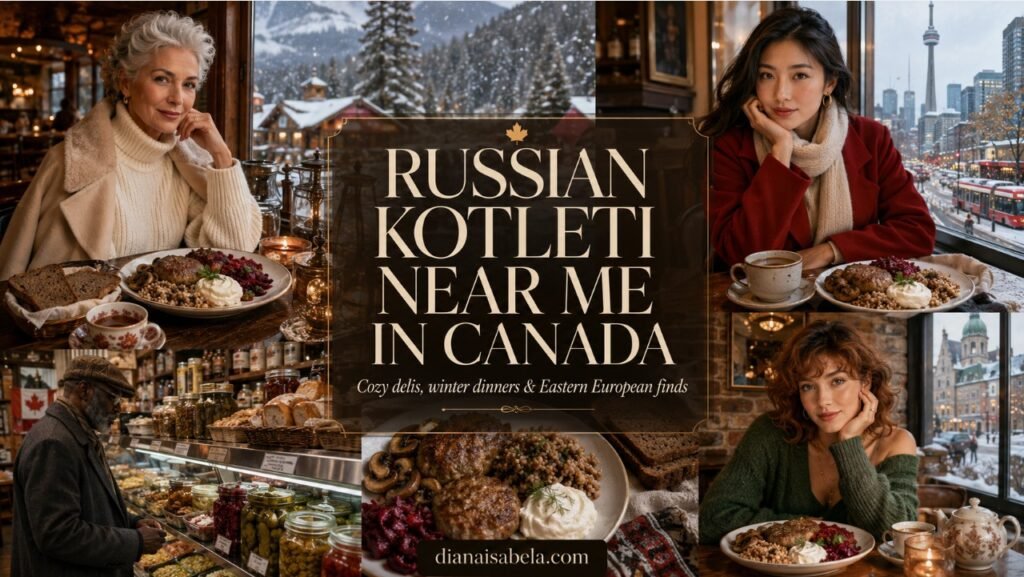
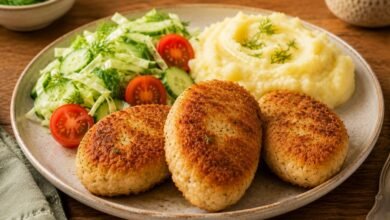
That is exactly where Russian kotleti make sense. Soft, pan-fried Eastern European cutlets with mashed potatoes or buckwheat, beet salad, cabbage salad, pickles, rye bread and maybe a little sour cream or mushroom sauce. Not glamorous in the loud way. Glamorous in the “this plate actually knows what winter means” way.
If you are searching for Russian kotleti near me in Canada, the answer may not be one perfect restaurant result. In Toronto, Vancouver, Montreal, Calgary, Ottawa, Winnipeg and smaller Canadian cities, kotleti can appear in Russian restaurants, Ukrainian delis, Polish food shops, Eastern European grocery stores, prepared-food counters, frozen sections, community cafés and family-run places that are much better at feeding people than at naming menu items for search engines.
This is my Canada route: where to look, what to search, how to read the menu, when to trust a deli counter, what sides to order, how to handle takeout, and how to turn a found plate of kotleti into the kind of cozy dinner that feels planned even if you discovered it through three searches and mild emotional persistence.
Start with the craving, not the perfect keyword
The first mistake is thinking the dish has to appear online exactly as “Russian kotleti.” Sometimes it does. Lovely. We love a menu that tells the truth. But in Canada, especially outside the largest cities, the same dinner may be hiding under “cutlets,” “homemade cutlets,” “meat patties,” “kotlety,” “kotlety mielone,” “chicken cutlets,” or simply sitting in a prepared-food case with no drama at all.
Kotleti are not burgers, even though they can look like patties to someone who did not grow up with them. They are usually softer, more home-style, often made with minced meat, onion, bread or breadcrumbs, egg, seasoning and a pan-fried crust. They belong on a plate with potatoes, buckwheat, salad, pickles and tea, not necessarily inside a bun. That distinction matters when you are searching because English-language menus can flatten several different foods into the same word: cutlet.
So the Canadian strategy is not “search once and accept defeat.” It is more like getting dressed for real weather: one layer is not enough. Search Russian. Search Ukrainian. Search Polish. Search Eastern European. Search deli. Search grocery. Search prepared food. Search your city. Search your neighbourhood.
Diana’s Canada rule: if “kotleti” does not show up, widen the language before you widen the craving. You may be closer to a good plate than the search result wants you to believe.
For the main dish explanation and broader search logic, keep my cozy Russian kotleti search guide as the center. This Canada page is the local version: how that craving behaves when the map includes Toronto plazas, Vancouver delis, Montreal neighbourhood shops, Prairie winters and the eternal Canadian question of whether dinner is worth leaving the house for.
The Canadian places I would check before I call it impossible
In Canada, kotleti are often less about one famous restaurant and more about food communities. The best result may be a restaurant, but it may also be a grocery store with a serious prepared-food counter. It may be a Ukrainian deli with chilled mains. It may be a Polish shop where the closest dish is kotlety mielone. It may be a small Eastern European café where the menu looks plain but the plate arrives like someone’s aunt has been waiting for you.
That is why I would never judge the search by glossy restaurant websites alone. Gloss can be useful. It can also be very distracting. A place with perfect branding may have ordinary food; a place with a slightly chaotic menu photo may have the exact comfort dinner you wanted.
- Russian restaurants: look for kotleti, pelmeni, borscht, Olivier salad, blini, stroganoff, cabbage rolls and home-style mains.
- Ukrainian delis: search for borscht, varenyky, holubtsi, kotlety, prepared meals, frozen dumplings and community food counters.
- Polish shops: check for kotlety mielone, pierogi, gołąbki, beet salad, cabbage salad, potato dishes and hot-food sections.
- Eastern European groceries: do not ignore frozen cases, deli fridges, salads by weight, rye bread, pickles and ready-made mains.
- Family cafés: small menus can be good signs when the dishes are actually cooked rather than assembled.
- Takeout counters: kotleti travel well when packed with the right sides and sauce kept separate.
For a wider food map beyond one dish, my Eastern European food near me guide is useful when you are searching for the whole dinner world: dumplings, soups, cabbage, potatoes, pickles, salads and the kind of meal that does not apologize for being filling.
The search route I would use in Canada
I would not start with one search phrase. I would build a route, because Canada is large, food communities are spread out, and the best result may depend on whether you are in a dense city, a suburb, a smaller town or a neighbourhood with international groceries.
- Search the exact craving first: “Russian kotleti near me,” “Russian kotleti Canada,” “kotleti Toronto,” “kotleti Vancouver,” or your local city name.
- Switch to English menu language: “Russian cutlets near me,” “homemade cutlets,” “Eastern European cutlets,” “meat cutlets,” “chicken cutlets Eastern European.”
- Search by business type: “Russian deli,” “Ukrainian deli,” “Polish grocery prepared food,” “Eastern European grocery store,” “Russian grocery hot food.”
- Search by related dishes: borscht, pelmeni, varenyky, pierogi, cabbage rolls, Olivier salad, buckwheat, beet salad, rye bread.
- Check photos before reviews: a plate photo can tell you more than a star rating, especially for comfort food.
- Call or message delis: prepared food changes, and some counters do not update websites daily.
Toronto: the most obvious Canadian starting point
Toronto is usually the easiest Canadian city for this search because the food landscape is large, layered and international. You have Russian-speaking communities, Ukrainian food, Polish shops, Jewish delis, Eastern European groceries, prepared-food counters and neighbourhoods where comfort food can show up in more than one cultural language.
But Toronto also has the classic big-city problem: too many results that are not equally useful. A restaurant may be beautiful but not especially home-style. A grocery store may look ordinary online but have excellent prepared food. A deli may have the best cutlets on a weekday and almost nothing left by the time you arrive late. Toronto rewards checking details.
Search “Russian kotleti Toronto,” then “Russian cutlets Toronto,” then “Ukrainian deli Toronto,” “Polish prepared food Toronto,” “Eastern European grocery Toronto,” and neighbourhood-specific versions. Look especially at photos of counters, plates and side dishes. If you see mashed potatoes, buckwheat, beet salad, cabbage salad, rye bread, pickles and dumplings, stay interested.
Toronto is also a city where takeout can be very practical. If you are commuting, cold, tired or simply not in the mood to perform dinner, prepared kotleti plus sides can be one of the best low-effort meals to bring home. The key is choosing sides that do not collapse: buckwheat, potatoes, salads, pickles, bread. Ask for sauce separately if possible. Your future self will be grateful, and frankly she deserves support.
Vancouver: look beyond the restaurant search
Vancouver has a different rhythm. The city is international, beautiful and expensive enough to make a person develop opinions about takeout pricing. For kotleti, I would not only search restaurants. I would search grocery stores, delis and prepared food. Vancouver and nearby areas can have strong pockets of Eastern European grocery shopping, and those counters may be more useful than a formal sit-down dinner if you want kotleti specifically.
Search terms should include “Russian deli Vancouver,” “Eastern European grocery Vancouver,” “Ukrainian food Vancouver,” “Polish deli Vancouver,” “Russian cutlets Vancouver,” and “prepared food Eastern European Vancouver.” Also search surrounding areas if you are willing to drive or take transit. In Canada, “near me” can be cruelly literal; sometimes the better plate is not the closest pin.
What I would look for in Vancouver photos: frozen pelmeni and vareniki, jars of pickles, rye bread, cakes, salads, hot food counters, handwritten signs, prepared meals and actual customer plate photos. A polished website is nice, but a deli fridge full of real food is often more revealing.
If you find kotleti or similar cutlets from a grocery counter, turn them into dinner at home with one fresh side. Beet salad or cucumber-tomato salad works. Cabbage salad works. Pickles absolutely work. Add tea, a good plate, maybe a candle if you are feeling dramatic. Suddenly it is not “I bought food.” It is a table.
Montreal: comfort food with a different accent
Montreal is interesting because the city already understands layered food culture. There are Eastern European traces, Jewish deli traditions, Ukrainian and Polish food routes, bakeries, grocery stores and neighbourhood shops where comfort food does not need to be explained with a PowerPoint.
For Russian kotleti, I would search across languages and cuisines: “Russian restaurant Montreal,” “Russian cutlets Montreal,” “Ukrainian deli Montreal,” “Polish grocery Montreal,” “Eastern European food Montreal,” and dish names like borscht, pierogi, varenyky, pelmeni and cabbage rolls. The exact kotleti result may appear through the dish family rather than the word itself.
Montreal is also a city where the side dishes matter. I would be very happy with kotleti and potatoes, but I would be even happier if the plate came with beet salad, pickles, cabbage, rye bread or something creamy. The difference between “meat and starch” and “proper comfort plate” is not small. It is the difference between dinner and a missed opportunity.
If you cannot find Russian kotleti exactly, look for Ukrainian kotlety, Polish kotlety mielone or homemade cutlets at Eastern European counters. Keep the search flexible but the dinner standard high.
Calgary, Ottawa and Winnipeg: do not underestimate the deli counter
In Calgary, Ottawa and Winnipeg, I would be especially serious about Ukrainian and Eastern European grocery routes. These cities may not always show a neat list of Russian restaurants with kotleti on the menu, but they can still have excellent comfort-food options through delis, community food, frozen sections and prepared meals.
Ottawa is a good place to search broadly because the region has international communities and enough restaurant variety to make “Eastern European food” a useful phrase. Calgary can reward grocery and deli searches. Winnipeg has deep Ukrainian and Eastern European food relevance, so if you search only “Russian restaurant,” you may miss a better path through Ukrainian food, Polish food, perogies, cabbage rolls and prepared mains.
| Canadian city | Search angle | What I would check first |
|---|---|---|
| Toronto | Russian restaurants, Ukrainian delis, Polish shops, Eastern European groceries | Recent plate photos, prepared-food counters, sides, delivery menu details |
| Vancouver | Russian delis, Eastern European grocery stores, prepared meals, frozen foods | Counter photos, frozen kotleti or cutlets, salads, pickles, rye bread |
| Montreal | Russian, Ukrainian, Polish and broader Eastern European food searches | Menu variety, comfort dishes, dumplings, cabbage rolls, beet salads |
| Calgary | Ukrainian delis, Polish shops, Eastern European groceries, takeout counters | Prepared food availability and whether hot meals change by day |
| Ottawa | Eastern European restaurants, grocery counters, Ukrainian food, Polish cafés | Reviews that mention homemade food, portions and side dishes |
| Winnipeg | Ukrainian food, perogy spots, Polish food, community food, prepared meals | Cabbage rolls, perogies, kotlety, frozen counters and local recommendations |
For cities with stronger Ukrainian or Polish food visibility than Russian restaurant visibility, do not treat that as a failure. Treat it as a clue. The dish name may shift, but the dinner mood is still close: warm cutlets, potatoes or buckwheat, salad, pickles, bread, tea, and zero interest in pretending hunger is a personality flaw.
How to recognize a promising Canadian menu
A good kotleti search is not only about finding the word. It is about reading the menu like a person who understands the table. If a restaurant or deli has only one random “Russian-style” item, I am cautious. If it has borscht, pelmeni, varenyky, cabbage rolls, Olivier salad, cutlets, potatoes, buckwheat, pickles and cakes, I become much more interested.
Look for home-style language. “Homemade” can be overused, but in this category it still matters when supported by photos. “Daily specials” matters. “Prepared food” matters. “Hot table” matters. “Frozen homemade dumplings” matters. “By weight” sometimes matters because it suggests a deli counter, not just a restaurant plate.
Kotleti, kotlety, cutlets, homemade meat patties, chicken cutlets, pork cutlets, mashed potatoes, buckwheat, beet salad, cabbage salad, pickles, sour cream, mushroom sauce, rye bread.
Actual plates, counter trays, deli fridges, cooked cutlets, side salads, soups, dumplings and customer photos taken in normal light. A real plate is more useful than a moody dining room with no food.
“Are the cutlets made in-house?” “What meat is used?” “Are they hot, chilled or frozen?” “What sides go with them?” “Do you have buckwheat, mashed potatoes, beet salad or pickles today?”
If English menu wording gets confusing, my Russian kotleti vs Russian cutlets breakdown can help. It explains why “cutlet” is not always specific enough and why the dish can be missed when menus translate it too casually.
The grocery-store route is not second best
Some of the best Canadian kotleti dinners may begin in a grocery store. I know that sounds less romantic than a candlelit restaurant, but food people know the truth: a good deli counter can rescue a weeknight better than a restaurant with velvet chairs and no soul.
Search Russian grocery, Ukrainian grocery, Polish deli, Eastern European store, European market, prepared food, hot table and frozen dumplings. Once you are there, look beyond the obvious. Frozen pelmeni and vareniki may be easy to spot, but prepared kotleti can be in a fridge, a hot counter, a freezer or a daily special tray. Ask. People who work there often know exactly what came in fresh, what sells quickly and what reheats well.
This route is especially useful in Canada because distances can be annoying, weather can be rude and not every city has a sit-down Russian restaurant nearby. Buying kotleti, sides and bread from a grocery store can be the smarter dinner. It also lets you build the plate the way you want it.
My ideal grocery-store kotleti dinner: two cutlets, buckwheat or mashed potatoes, beet salad, cabbage salad or pickles, rye bread, sour cream or mushroom sauce, black tea. If there is honey cake, medovik or another proper dessert, I am not telling you to be strong. Life is short and winter is long.
Build the Canadian kotleti plate so it feels like dinner
Finding kotleti is only half the victory. The plate still needs balance. A cutlet by itself can be delicious, but the whole meal is what makes the comfort land correctly.
Choose the soft anchor: mashed potatoes if you want classic comfort, buckwheat if you want something earthier and more Eastern European, rice only if the menu gives you no better option.
Add the sharp side: pickles, cabbage salad, beet salad or cucumber salad keep the plate from feeling heavy.
Check the sauce: mushroom sauce, sour cream, gravy or a creamy dill sauce can help if the kotleti are lean or reheated.
Do not forget bread: rye bread or dark bread makes the meal feel more complete, especially with pickles, tea and salads.
Make it home-worthy: even takeout deserves a plate. Put it out properly. Dinner tastes better when it is not eaten like an apology.
For a full side-dish route, use my kotleti dinner pairing guide. That is where I go deeper into potatoes, buckwheat, salads, soups, sauces and the tiny decisions that make the plate feel intentional.
Takeout in Canada: the cold-weather test
Kotleti are surprisingly good takeout food, especially compared with fragile fried dishes that become tragic five minutes after leaving the kitchen. A good kotleta can handle a container. It can handle reheating. It can handle the emotional atmosphere of a weeknight when you have already had enough of the outside world.
But the sides matter. Mashed potatoes travel well if packed properly. Buckwheat travels beautifully. Pickles and salads should stay separate from hot food. Sauce should be separate when possible. If you order everything in one damp box, you are asking too much of gravity and steam.
Delivery app photos are useful here. Look for packaging, portion size and whether sides arrive neatly. Reviews that mention “still warm,” “good portions,” “homemade,” “not dry,” or “reheats well” matter more than vague praise. If a place has good soups, dumplings and salads, there is a better chance it understands takeout comfort food as a system, not just a container.
For more takeout-specific advice, especially if you are deciding between restaurant delivery, deli food and grocery-store prepared meals, my Russian kotleti takeout notes will help you avoid the soggy-box mistake.
Review photos: the Canadian shortcut I trust most
When I am searching for comfort food, I do not worship star ratings. I respect them, but I do not hand them the keys to dinner. A restaurant can have high ratings because the service is sweet, the interior is pretty or the portions are huge. That does not automatically mean the kotleti are good.
I want photos. Real customer photos. Plates in normal lighting. Deli trays. Cutlets sliced open. Salads that look fresh. Potatoes that look creamy, not tired. Buckwheat that looks like someone actually seasoned it. Pickles that appear by choice, not as decoration.
For Canadian searches, I would check Google reviews first, then delivery apps, then social media pages, then community groups if the result is still thin. Delis and small grocery counters sometimes update Facebook or Instagram more reliably than their websites. It is not elegant. It is useful.
If you see repeated mentions of homemade food, Eastern European comfort food, Ukrainian dishes, Polish hot food, Russian groceries, dumplings, soups, salads and generous portions, the place is worth investigating. If every photo is only cake, coffee or décor, keep looking unless you were secretly searching for dessert, in which case I support your journey.
I have a full method for this in my review-reading guide for real comfort food, because honestly, choosing dinner from online photos is its own little detective hobby.
If you cannot find Russian kotleti exactly, choose the closest comfort cousin
Canada is huge. Not everyone lives near a Russian restaurant, and not every town has a deli counter with kotleti ready at 5 p.m. That does not mean you are doomed to a disappointing dinner. It means you move through the dish family.
Look for Ukrainian kotlety. Look for Polish kotlety mielone. Look for homemade cutlets at an Eastern European shop. Look for chicken cutlets if they are served with proper sides. Look for cabbage rolls, pierogi, varenyky, pelmeni, borscht and potato dishes if the cutlet search fails completely. You may not get the exact plate, but you can still get the same cozy table logic.
This is where people get too rigid. Food search is not a museum label. It is a practical act of feeding yourself well. If the exact dish is unavailable, choose the closest honest comfort food and build the plate around warmth, texture and balance.
The fallback plate: one warm main, one soft side, one pickled or fresh side, one creamy element, one bread or dumpling option. That structure can rescue dinner even when the exact kotleti search does not.
For the dinner out version, dress like you plan to eat
This is a food article, but I am still Diana, which means I cannot ignore the outfit completely. A cozy Eastern European dinner in Canada does not need fashion-week theatre. It needs warmth, ease and a little polish.
For a deli run, I love a good coat, clean sneakers or boots, denim or soft trousers, a knit that looks intentional and a tote that can handle jars of pickles without ruining your whole personality. For a sit-down restaurant, go warmer and prettier: knit dress, long skirt and sweater, tailored trousers, soft blouse, low boots, small earrings, maybe a lip colour that says “I came for dinner and I am not ashamed.”
If the meal turns into a bigger evening — a family dinner, celebration, restaurant party or winter date — you can borrow ideas from my dumpling and kotleti dinner outfit guide. Use it only when the plan is actually about eating at a table, not when you are simply buying frozen cutlets after work. Style should support the dinner, not make it exhausting.
The Canadian kotleti mood is practical, warm and a little nostalgic
The best kotleti search in Canada is not always glamorous. It may involve a snowy sidewalk, a plaza grocery store, a deli counter, a phone call, a slightly confusing menu and a bag that smells like dinner before you even get home.
That is part of the charm.
Russian kotleti belong to a kind of food that does not need to be reinvented to be stylish. A proper plate already has its own beauty: browned cutlets, soft potatoes or buckwheat, red beet salad, green pickles, dark bread, tea, warm light, a table that says sit down for a minute. In Canada, where distance and weather can make every food search feel like a small expedition, that kind of dinner feels especially satisfying.
So search widely. Read photos carefully. Respect the deli counter. Do not dismiss Polish or Ukrainian routes. Ask what is made in-house. Choose sides with intention. Plate your takeout like you care. And when you finally find kotleti near you, do not treat it like a random meal. Treat it like a tiny winter victory.
FAQ: Russian kotleti in Canada
Can I find Russian kotleti in Canada?
Yes. Russian kotleti can be found in Canada through Russian restaurants, Ukrainian delis, Polish shops, Eastern European grocery stores, prepared-food counters and sometimes frozen or chilled ready-made sections. The dish may also appear as cutlets, kotlety or homemade meat patties.
What should I search for besides “Russian kotleti near me”?
Try “Russian cutlets near me,” “Eastern European deli,” “Ukrainian deli,” “Polish grocery prepared food,” “homemade cutlets,” “kotlety,” “kotlety mielone,” “Russian grocery prepared meals,” or “Eastern European food near me” with your city name.
Which Canadian cities are best for finding kotleti?
Toronto, Vancouver, Montreal, Calgary, Ottawa and Winnipeg are strong places to start because they have more international food options, Eastern European grocery stores, Ukrainian food routes, Polish shops or prepared-food counters. Smaller cities may still have options, but you may need to search by deli, grocery or related dishes instead of only by “Russian restaurant.”
Are Polish kotlety mielone close to Russian kotleti?
They are close comfort-food relatives, not identical dishes. Polish kotlety mielone are minced meat cutlets and can satisfy a similar craving if Russian kotleti are not available nearby. The seasoning, texture and serving style may differ.
Can I buy kotleti from a grocery store in Canada?
Often, yes. Eastern European grocery stores, Russian groceries, Ukrainian delis and Polish shops may sell prepared, chilled or frozen cutlets. Ask whether they are made in-house and what sides are available that day.
What sides should I order with Russian kotleti?
Mashed potatoes and buckwheat are the best classic sides. Beet salad, cabbage salad, pickles, cucumber salad, mushroom sauce, sour cream and rye bread make the plate feel more complete.
Do kotleti work well for takeout?
Kotleti usually work well for takeout because they are sturdy and easy to reheat. For the best meal, keep sauce separate, choose sides that travel well and avoid packing hot cutlets directly on top of fresh salads or pickles.
How do I know if a Canadian deli has good kotleti?
Look for recent customer photos, prepared-food counter images, reviews mentioning homemade food, and sides like buckwheat, mashed potatoes, beet salad, cabbage salad and pickles. If the deli also sells dumplings, borscht, cabbage rolls and rye bread, it may understand the whole comfort-food plate better than a place with only one random cutlet item.
What if there are no Russian restaurants near me in Canada?
Search Ukrainian delis, Polish shops, Eastern European grocery stores, prepared-food counters and frozen food sections. You may find kotleti under another name or choose a close comfort dish like kotlety mielone, homemade cutlets, cabbage rolls, pierogi, varenyky or pelmeni.