Russian Kotleti Near Me in South Korea: Where to Find Cozy Eastern European Comfort Food

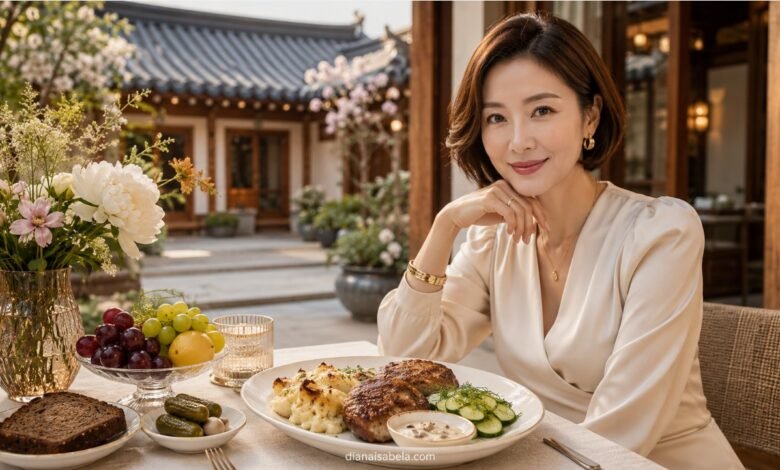
Searching for Russian kotleti near me in South Korea is one of those food missions where the map may look confident while quietly misunderstanding your entire personality. You type “cutlet,” and South Korea may offer donkkaseu, pork cutlet, cheese cutlet, hamburger steak, fried patties, café lunch sets, convenience-store meals and tidy little plates that are perfectly good — but not necessarily the Eastern European dinner you wanted.
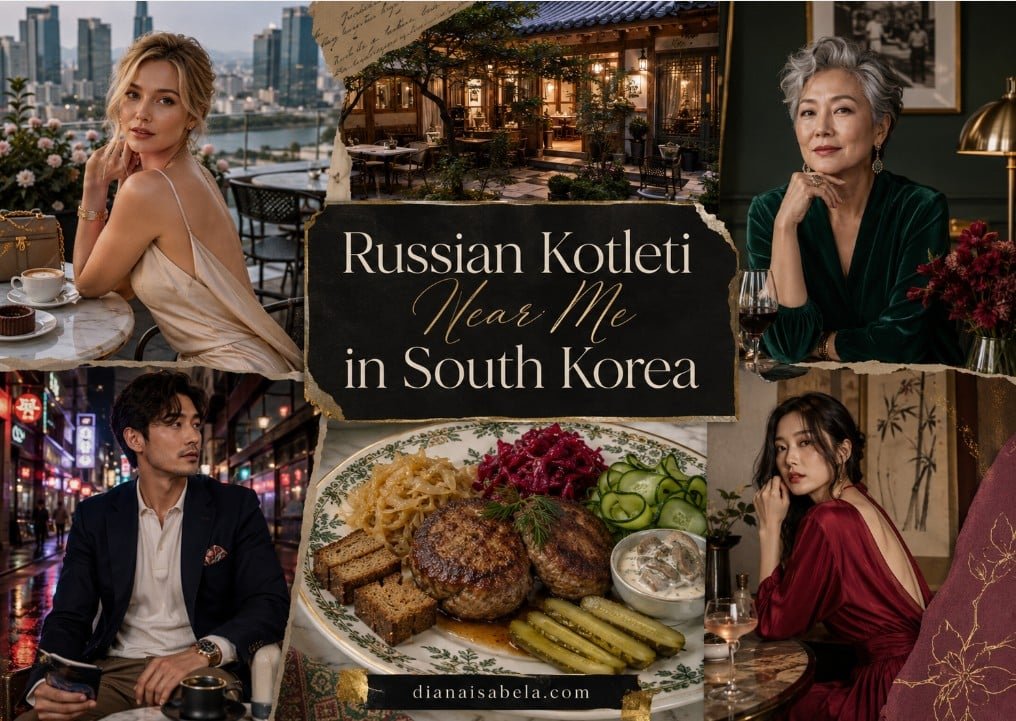
Russian kotleti are not just “a cutlet.” They are softer, warmer, more home-table than snack-table. They usually mean minced meat shaped into tender patties, browned in a pan, served with a comforting side and something sharp or creamy to balance the richness. Potatoes, cabbage salad, cucumber-dill salad, beet salad, pickles, sour cream, mushroom sauce, rye bread, tea. The whole plate has that “sit down, you have been walking too much” feeling.
South Korea has incredible food culture already. That is the fun and the problem. You are not trying to replace Korean food, and you are not pretending a Russian kotleti craving is the same as wanting donkkaseu or tteokgalbi. You are trying to find a very specific kind of Eastern European comfort food inside a country where restaurants, cafés, food courts, expat neighborhoods, foreign groceries and delivery apps all use overlapping words for meat, patties and cutlets.
This is my South Korea guide for Seoul, Busan, Incheon, Daegu, Daejeon, Gwangju, Jeju and anywhere else you might be searching from a hotel room, apartment, subway platform, neighborhood café or late-night delivery app. We are going to decode the terms, choose better searches, look at the right neighborhoods, understand grocery and frozen-food routes, avoid the wrong cutlet, and build a kotleti dinner that feels cozy without pretending South Korea is Eastern Europe with neon signs.
The first Korean search trap is thinking every cutlet is your cutlet
South Korea is not short on cutlet-like food. Donkkaseu is everywhere compared with Russian kotleti. You may also see hamburger steak, meat patties, pork cutlet sets, cheese cutlet, tonkatsu-style restaurants, bakery patties, lunchbox meals and casual café plates. Those can be delicious. Some are beautifully crispy, saucy, comforting, nostalgic, exactly right for another kind of day.
But a Russian kotleti craving is not the same craving.
The plate tells the truth. If the dish is breaded, deep-fried, sliced, served with shredded cabbage, rice, brown sauce and a Korean or Japanese-style set meal, you may be in donkkaseu territory. If it is grilled and sweet-savory, maybe you are closer to tteokgalbi or hamburger steak. If it is a soft pan-fried minced meat cutlet with potatoes, pickles, cabbage or beet salad, sour cream or mushroom sauce, then you are getting closer to kotleti.
That difference matters because “near me” search can be lazy. It sees cutlet. It gives cutlet. It does not ask whether your soul wanted Eastern European comfort or a crispy pork lunch set. Search engines, tragically, do not always understand dinner feelings.
Diana’s South Korea rule: search for the cuisine context, not only the meat shape. Russian, Eastern European, Ukrainian, Polish, international grocery, pelmeni, borscht, pickles, sour cream and prepared food will help more than “cutlet” by itself.
For the broader dish and local-search logic, start with my guide to finding kotleti near you. This South Korea article is the country-specific crosswalk: what to search when local cutlet culture is strong, what to ignore, and where Eastern European food is more likely to show up.
The searches I would try before letting donkkaseu steal the evening
In South Korea, one search phrase is not enough. I would search by dish name, cuisine, neighborhood, grocery type and related foods. The goal is to move away from generic “cutlet” and toward the places that actually understand Eastern European dinner.
- Russian kotleti near me South Korea
- Russian cutlets Seoul
- Russian restaurant Seoul kotleti
- Eastern European food Seoul
- Russian grocery Seoul
- Ukrainian food South Korea
- Polish food Seoul kotlety
- International grocery Russian food Korea
- Frozen Russian cutlets Korea
- Pelmeni borscht Seoul
- Russian café Busan
- Eastern European restaurant Incheon
- Russian food Itaewon
- Foreign food market Seoul
Then add a neighborhood or district. In Seoul, that might mean Itaewon, Hongdae, Gangnam, Dongdaemun-area searches, foreign food markets or international grocery routes depending on where you are. In Busan, search by Russian restaurant, international food, port-city neighborhoods, foreign grocery and delivery zones. In Incheon, the airport and international-city angle may matter more than a romantic restaurant search.
Do not be embarrassed to search like a detective. Food people do this. We are not “overthinking dinner.” We are protecting the evening from becoming a random pork cutlet situation when the craving was clearly for something else.
Kotleti, donkkaseu, hamburger steak and tteokgalbi: how I separate them
Before you choose a restaurant, read the plate like a stylist reads fabric. Texture. Shape. Supporting pieces. Occasion. A satin slip dress and a cotton sundress are both dresses, but nobody should treat them as the same outfit. Same with cutlets.
Russian kotleti are usually soft minced meat patties, pan-fried, juicy inside, served as a main dish with gentle sides. They are not usually heavily breaded like a pork cutlet. They are not usually sweet-glazed like some Korean grilled patties. They are not a burger patty waiting for a bun. They are dinner in the old-fashioned sense: warm, grounding, a little nostalgic, practical but not boring.
Soft Eastern European minced meat cutlets served with potatoes, cabbage salad, beet salad, cucumber salad, pickles, sour cream, mushroom sauce, rye bread or another cozy side.
A Korean-style pork cutlet meal, often breaded and fried, commonly served with rice, shredded cabbage and sauce. Lovely when you want that meal, but not the same as kotleti.
A patty-style dish that can look closer in shape, but the seasoning, sauce and serving style usually belong to a different comfort-food language.
A Korean minced or chopped meat patty with its own sweet-savory identity. It can be wonderful, but it is not a shortcut to Russian kotleti.
Much closer relatives. If you find Ukrainian kotlety or Polish kotlety mielone in South Korea, they may satisfy the same craving better than any generic local cutlet.
If the word “cutlet” keeps causing confusion, my Russian kotleti vs Russian cutlets article explains why English menu language can be slippery. In South Korea, that slipperiness becomes even stronger because several local dishes can look similar from a distance but belong to totally different dinners.
Seoul: begin with international neighborhoods, then check the grocery trail
Seoul is the strongest place to begin because it has the density: international restaurants, foreign grocery shops, expat-friendly cafés, delivery options, global food neighborhoods and enough search variety to make a careful kotleti hunt realistic. But it also has so much food that you can lose the plot quickly. One minute you are searching for Russian kotleti; ten minutes later you are reading a menu for donkkaseu, dumplings, fried chicken and a dessert café. Beautiful city. Dangerous for focus.
I would start with Russian restaurant Seoul, Eastern European food Seoul, Russian café Seoul, Russian grocery Seoul, pelmeni Seoul, borscht Seoul, Ukrainian food Seoul and Polish food Seoul. Then I would search specific neighborhoods. Itaewon and other international food areas are obvious starting points, but I would also look at foreign grocery listings, delivery apps and social posts from small restaurants that may not rank well in general search.
What makes a Seoul result promising? The surrounding menu. If you see pelmeni, borscht, Olivier salad, cabbage rolls, pickles, sour cream, rye bread, potato dishes, beet salad or Slavic-style soups, stay interested. If you only see pork cutlet sets, rice, cabbage and brown sauce, that may be donkkaseu. Again: delicious, but a different story.
Seoul also has a “small table at home” advantage. If you find frozen pelmeni, pickles, rye bread, sour cream-style products or prepared cutlets at an international grocery, you can build the dinner yourself. This is very Dianaisabela: a little practical, a little styled, a little “I refuse to eat sadly from plastic when a plate exists.”
For the wider food map beyond one dish, my Eastern European food near me guide helps when the exact kotleti result is hiding but the cuisine route is still promising.
Busan: port-city searching and seaside comfort logic
Busan needs a slightly different mood. It is a port city, a travel city, a seafood city, a city with international movement — but that does not mean Russian kotleti will be neatly labeled on the first page of search results. You may need to search Russian food, Eastern European food, international restaurants, foreign groceries, delivery apps and social media posts more broadly.
In Busan, I would search “Russian restaurant Busan,” “Russian café Busan,” “Eastern European food Busan,” “Russian grocery Busan,” “pelmeni Busan,” and “international grocery Busan.” If the restaurant search is thin, I would move quickly toward groceries and frozen-food possibilities. A perfect restaurant plate is nice, but a good grocery-built dinner can still answer the craving.
The Busan version of kotleti does not need to feel heavy. It can be cutlets with boiled potatoes, cucumber salad, cabbage salad, pickles, a light sour cream-style sauce and bread. If you are near the coast, maybe the whole thing becomes a relaxed apartment dinner after a long walk. Not every Eastern European plate has to look like winter. Some can look like comfort found in a city that smells like sea air and coffee.
Review photos matter here. If a place has only interiors, cocktails or generic meat dishes, keep looking. If you see actual plates, deli shelves, frozen dumplings, pickles, salads or customer comments about Russian home food, open the listing properly.
Incheon, Daegu, Daejeon, Gwangju and Jeju: widen the search before you call it impossible
Outside Seoul and Busan, I would be very careful about assuming “no obvious result” means “no option.” South Korea has many international pockets, but not every restaurant or grocery has perfect English-language search visibility. You may need Korean-language search terms, delivery apps, foreign grocery listings, expat groups, hotel-area food options or broader international grocery searches.
Incheon can be interesting because of its international movement, airport connection and global-city food logic. Daegu and Daejeon may require more grocery and delivery searching. Gwangju might be thinner for Russian-specific food but still worth checking for international grocery and foreign food communities. Jeju is a travel island, so seasonal or expat-friendly cafés may matter more than formal Eastern European restaurants.
| South Korean city | Best search angle | What I would check first |
|---|---|---|
| Seoul | Russian restaurants, international neighborhoods, Eastern European food, foreign groceries, delivery apps | Menus with pelmeni, borscht, pickles, sour cream, potato sides and real customer food photos |
| Busan | Russian cafés, international restaurants, port-city food routes, foreign grocery and frozen food | Social posts, delivery photos, frozen dumplings, prepared meals and side dishes |
| Incheon | International city searches, airport-area food, foreign groceries, delivery options | Whether the result is Eastern European food or simply a generic cutlet set |
| Daegu / Daejeon | International grocery, Russian food searches, delivery apps, expat recommendations | Product labels, recent photos, menu translations and frozen-food availability |
| Gwangju / Jeju | Travel cafés, foreign food shops, social media specials, broader comfort-food searches | Seasonal menus, small café posts, international groceries and prepared-food options |
The important thing is to search by category, not just by dish. Russian kotleti may be invisible as a phrase but visible through the food world around it: pelmeni, borscht, pickles, sour cream, rye bread, Eastern European grocery, Russian food, Ukrainian food, Polish food, prepared meals.
The grocery route in South Korea may be the quiet winner
Because South Korea’s restaurant search can be crowded with local cutlet meals, the grocery route deserves serious attention. A foreign grocery, Russian shop, international market, frozen-food seller or specialty import store may be more useful than a restaurant with one vague “cutlet” item on the menu.
This is especially true if you want an Eastern European dinner at home. Frozen or prepared kotleti, pelmeni, rye bread, pickles, sour cream-style products, cabbage, beets, potatoes, dill, mushrooms and simple salads can create a plate that feels much closer to the craving than a random pork cutlet set from a lunch restaurant.
Frozen section: look for kotleti, Russian cutlets, pelmeni, vareniki, pierogi-style dumplings, cabbage rolls or Eastern European prepared foods.
Chilled shelves: check for sour cream-style products, pickles, salads, smoked foods, spreads and prepared side dishes that can complete the plate.
Produce shortcut: potatoes, cucumbers, cabbage, mushrooms, carrots, dill or parsley can turn a frozen cutlet into a real dinner instead of a lonely reheated thing.
Ask before buying: check what meat is used, whether the cutlets are raw or cooked, how to reheat them, and whether they are meant as a main dish or snack.
If you end up following this deli or grocery direction, the Russian deli search guide gives a useful framework for prepared food, frozen counters and what to ask before buying. The country changes, but the practical questions stay very similar.
How I would build a kotleti plate that fits South Korea
I would not force the exact same heavy plate everywhere. South Korea has its own rhythm: fast lunches, café meals, convenience food, late dinners, delivery culture, beautiful small plates, sharp pickles, rice as a familiar anchor, and an incredible sense of balance in everyday eating. A kotleti plate in South Korea can respect the Eastern European idea without becoming a costume.
For a classic version, I would choose kotleti with mashed potatoes or boiled potatoes, cucumber salad, pickles, mushroom sauce or sour cream and dark bread if available. For a lighter apartment version, I would use boiled potatoes with herbs, cabbage salad, cucumber-dill salad and pickles. If bread is hard to find, potatoes can carry the plate. If sour cream is hard to find, a plain yogurt-herb sauce can help. If beet salad is not available, cucumber and cabbage can still keep the meal bright.
I would be careful with rice. Rice can work if that is what you have, but it changes the feeling of the plate. If you want the meal to stay Eastern European, potatoes or bread usually keep the identity stronger. That said, if you are in a hotel room with limited options and rice is what dinner gives you, I am not going to be dramatic. I save drama for soggy takeout.
- Classic restaurant plate: kotleti, mashed potatoes, cucumber salad, pickles, mushroom sauce and rye bread or dark bread if available.
- Seoul grocery plate: frozen kotleti, boiled potatoes, cabbage salad, pickles and a yogurt-dill or sour cream-style sauce.
- Busan lighter version: kotleti, cucumber-tomato salad, roasted potatoes, pickles and tea after a long seaside walk.
- Hotel-room rescue: prepared cutlets, convenience-store salad, boiled eggs or potatoes if available, pickles from a foreign grocery and a real plate if you can manage it.
- Avoid the wrong identity: if the plate becomes breaded pork cutlet, rice, shredded cabbage and brown sauce, enjoy it as donkkaseu, not as Russian kotleti.
For more pairing ideas, my kotleti dinner pairing guide goes deeper into sides, sauces, salads and how to make the plate feel complete without repeating the same tired garnish every time.
Takeout in South Korea: delivery is easy, accuracy is the hard part
South Korea is brilliant for delivery culture. The problem is not finding food. The problem is finding the food you meant. A delivery app can give you cutlets quickly, but it may not give you Russian kotleti unless you search with the right context and check the menu carefully.
Before ordering, ask yourself: is this a Russian or Eastern European restaurant? Does the menu include pelmeni, borscht, Olivier salad, sour cream, pickles or potato sides? Are the cutlets pan-fried or breaded? Is the dish listed as a main dinner or a snack? Does the photo show potatoes, cabbage, beet salad, pickles or mushroom sauce — or does it show rice, shredded cabbage and donkkaseu sauce?
Packaging matters too. Keep sauce separate if possible. Keep cold salads away from hot cutlets. If the dish arrives with potatoes, do not let everything steam together in one closed container for too long. A good kotleta can survive delivery; a badly packed dinner can make even good food look tired.
If you are buying frozen or prepared cutlets from a grocery, read reheating instructions carefully. Some may be raw, some cooked, some partially cooked. Heat them properly, then plate them with fresh sides. This is not just about looking pretty. It keeps the texture better.
For a more detailed version of this takeout logic, use my Russian kotleti takeout notes. South Korea makes takeout tempting, so the separation of sauce, salad and hot food matters even more.
Review photos are how you avoid ordering the wrong comfort food
In South Korea, reviews can be generous, fast and photo-heavy, which is good news. Use that. Do not rely only on the star rating. A five-star donkkaseu restaurant may be excellent and still not answer the kotleti craving. A tiny foreign grocery with less polished photos may be more useful for the dinner you actually want.
I want to see the food. Not only the sign. Not only the room. Not only the menu cover. The plate.
Look for Eastern European clues
Pelmeni, borscht, Olivier salad, pickles, sour cream, potatoes, dark bread, cabbage, beet salad, dill, mushroom sauce and plate photos that look like home-style dinner rather than a cutlet lunch set.
Be careful with generic cutlet photos
Breaded pork cutlet, rice, shredded cabbage, brown sauce, cheese filling or tonkatsu-style plating usually means donkkaseu territory. It may be delicious, but it is not automatically kotleti.
Check current posts
Small restaurants, cafés and foreign groceries may update social media more often than websites. Recent photos and delivery-app images are more useful than old listings.
This is exactly why I like a structured review ritual. My comfort-food review method is built for these moments: when a craving is specific, the menu translation is imperfect, and one blurry customer photo might be more honest than the entire official description.
If exact Russian kotleti do not appear, choose the closest honest dinner
Some nights South Korea may not give you exact Russian kotleti nearby. That does not mean dinner is ruined. It means you choose honestly.
First, try Ukrainian kotlety, Polish kotlety mielone, Eastern European meat patties, Russian homemade cutlets, pelmeni, vareniki, borscht, cabbage rolls or an international grocery dinner. Those are close enough in the same comfort-food universe. Second, if those fail, decide whether you want a different local comfort meal: donkkaseu, tteokgalbi, mandu, soup, stew, rice bowl, grilled meat, whatever actually sounds good. There is no shame in letting the craving change.
The only thing I would not do is pretend a completely different dish is the same thing. Food is more enjoyable when you stop lying to yourself. Donkkaseu can be perfect. Kotleti can be perfect. They do not have to be the same.
The South Korea backup: if exact kotleti are not nearby, search for Eastern European dumplings, Ukrainian or Polish cutlet-style dishes, or build a grocery plate with cutlets, potatoes, cucumber salad, cabbage, pickles and a creamy herb sauce.
For the dinner-out version, dress like Seoul understands effort
This is still Diana, so the outfit is invited. South Korea is a beautiful place for polished casual style: clean lines, good coats, neat shoes, sharp bags, soft knits, intentional hair, nothing too loud unless the whole look can carry it. A kotleti search does not need a runway outfit, but it does deserve an outfit that can handle a café, a foreign grocery, a small restaurant and maybe one extra dessert stop.
For Seoul, I like wide-leg trousers, a fitted knit, a cropped jacket or trench, low boots or clean sneakers, and a small structured bag. For Busan, something softer: relaxed linen or cotton in warmer weather, a cardigan, low sandals or ballet flats. For Jeju, a dress with a cardigan and practical shoes because food missions often become walks. For winter, coat first, outfit second, but still choose the coat like it may be photographed. It probably will.
If your dinner becomes a real dumpling-and-cutlet evening with friends, my dumpling and kotleti dinner outfit ideas are useful. The point is not to dress uncomfortably. The point is to look like you planned to enjoy dinner, not merely survive it.
South Korea will give you many excellent cutlets; kotleti need a sharper search
South Korea is a dream country for food, but that does not make every craving easy. Sometimes abundance creates its own confusion. There are too many cutlet-adjacent meals, too many translations, too many beautiful restaurants, too many fast delivery choices, too many ways for the search result to say “close enough” when it is not close enough at all.
So the answer is not to search harder in the same wrong way. Search smarter.
Add Russian. Add Eastern European. Add Ukrainian. Add Polish. Add pelmeni, borscht, pickles, sour cream, potatoes, dark bread, grocery, frozen food, prepared meals, Seoul, Busan, Incheon, neighborhood names, delivery photos, recent reviews. Look at the sides. Look at the sauce. Look at whether the dish is breaded or pan-fried. Look at whether it appears as a snack, a lunch set or a real dinner plate.
The result might be a Russian restaurant in Seoul, a foreign grocery dinner in Incheon, a small international café in Busan, a frozen-food find in Daegu, or a Jeju apartment plate built from cutlets, potatoes, cucumber salad and pickles after a long day outside. All of those can work if the meal answers the actual craving.
And if the search ends with donkkaseu instead? Fine. Eat it proudly. Just call it donkkaseu. Some nights are exact. Some nights are cousins. Some nights are stylish detours. The pleasure is in knowing the difference — and choosing dinner with your eyes open.
FAQ: Russian kotleti in South Korea
Can I find Russian kotleti in South Korea?
Yes, but they may not be easy to find through the word “cutlet” alone. Search for Russian restaurants, Eastern European food, foreign groceries, international markets, pelmeni, borscht, Ukrainian food, Polish food and frozen Russian-style cutlets, especially in Seoul, Busan and Incheon.
Are Russian kotleti the same as donkkaseu?
No. Donkkaseu is usually a Korean-style breaded pork cutlet meal, while Russian kotleti are softer Eastern European minced meat cutlets served with potatoes, salads, pickles, sour cream, mushroom sauce or bread. Both can be comforting, but they are different dishes.
What should I search for besides Russian kotleti near me in South Korea?
Try Russian cutlets Seoul, Russian restaurant Seoul, Eastern European food Seoul, Russian grocery Korea, Ukrainian food South Korea, Polish food Seoul, frozen Russian cutlets Korea, pelmeni Seoul, borscht Seoul and Russian café Busan.
Which South Korean cities are best for finding kotleti?
Seoul is the strongest starting point because it has more international neighborhoods, foreign groceries and global food options. Busan and Incheon are also worth checking. Daegu, Daejeon, Gwangju and Jeju may require broader searches through groceries, delivery apps, social posts and expat recommendations.
Can I buy kotleti from a foreign grocery in South Korea?
Sometimes. Foreign groceries or specialty import shops may carry frozen Russian-style cutlets, pelmeni, pickles, sour cream-style products, dark bread or other Eastern European foods. Always check whether the cutlets are raw or cooked and how they should be reheated.
What sides go best with kotleti in South Korea?
Mashed potatoes, boiled potatoes, cucumber salad, cabbage salad, pickles, mushroom sauce, sour cream-style sauce and dark bread all work well. Rice can work in a practical meal, but potatoes or bread usually keep the plate closer to the Eastern European style.
How do I know if a menu is showing kotleti or a Korean cutlet meal?
Look at the texture and sides. Breaded pork cutlet with rice, shredded cabbage and brown sauce is probably donkkaseu. Soft minced meat cutlets with potatoes, pickles, cabbage salad, sour cream or mushroom sauce are much closer to Russian kotleti.
Do kotleti work well for delivery in South Korea?
They can work well if packed properly. Keep sauce separate, keep cold salads away from hot cutlets and check photos before ordering. Delivery is easy in South Korea, but finding the right kind of cutlet is the real challenge.
Are Ukrainian kotlety or Polish kotlety mielone good alternatives?
Yes. Ukrainian kotlety and Polish kotlety mielone are much closer to Russian kotleti than many generic cutlet meals. If you find them through a restaurant, café or grocery route, they can satisfy a very similar comfort-food craving.
What if there are no Russian restaurants near me in South Korea?
Search foreign groceries, international markets, frozen-food sellers, Ukrainian or Polish food, pelmeni, borscht, delivery apps and expat recommendations. If exact kotleti are not nearby, build a close dinner with cutlets, potatoes, cucumber salad, cabbage, pickles and a creamy herb sauce.