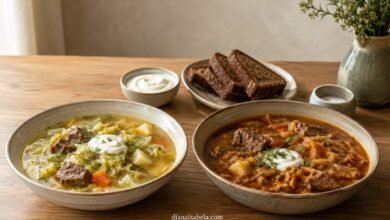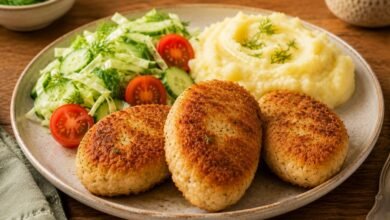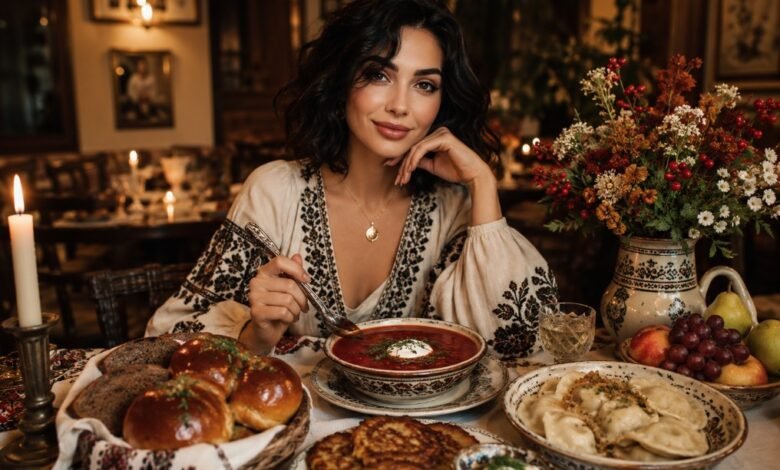
Ukrainian dishes have a way of making dinner feel less like a task and more like someone quietly decided you deserved warmth.
Not the dramatic restaurant kind of warmth where everything arrives under a silver lid and everyone behaves like they are auditioning for good posture. I mean real warmth. Steam from a bowl. Bread on the table. Dill where it belongs. Sour cream waiting calmly. Dumplings that look soft but have strong opinions. A soup so red it could have its own lipstick shade.
Ukrainian food is generous, but not careless. Cozy, but not boring. Practical, but often unexpectedly beautiful. It is the kind of food that understands winter, family tables, long conversations, celebrations, busy kitchens, and the emotional importance of potatoes.
And if you are trying it for the first time, please do not treat it like “just another Eastern European dinner.” Ukrainian dishes have their own rhythm.
Think of Ukrainian food as a table that says: sit down, eat properly, try the thing with sour cream, and stop pretending bread is not part of the plan.
First, Ukrainian food is not one dish and one soup
People often hear “Ukrainian food” and immediately think of borscht.
Fair. Borscht is iconic. Borscht has earned her reputation. Borscht walks into the room wearing beet-red confidence and does not need anyone’s permission.
But Ukrainian cuisine is much wider than one beautiful bowl. It has varenyky, holubtsi, deruny, syrnyky, pampushky, nalysnyky, banosh, kutia, uzvar, breads, pickles, festive dishes, everyday dishes, village food, city café food, grandmother food, holiday food, and the kind of simple meal that becomes unforgettable because someone made it with patience instead of performance.
This article is not a recipe collection. It is a stylish first table map — what to know, what to order, what the food feels like, and why Ukrainian dishes deserve attention as their own delicious world.
The Ukrainian table has a different kind of elegance
Not cold elegance.
Not “I am too perfect to touch my own dinner” elegance.
Ukrainian food has the elegance of abundance with purpose. A bowl placed in the center. A plate passed across the table. A dish that tastes better because it was not rushed. A meal that does not confuse smallness with taste.
There is color: beet red, golden potato, pale dumpling dough, green dill, dark bread, white sour cream, purple berries, amber uzvar. There is texture: soft, crisp, creamy, chewy, tangy, fresh, fried, tender. There is contrast: rich food brightened by pickles, sour cream, herbs, fermented flavors, onions, garlic, tart fruit, and bread that quietly fixes everything.
It is not minimal.
Neither are feelings.
Deep reds, golden browns, fresh greens, creamy whites, old plates, warm bowls, linen, flowers, bread, steam, and food that looks like it has a reason to exist.
Comfortable but not lazy, generous but not chaotic, nostalgic but still useful for the girl who wants real food after a very modern, very annoying day.
Borscht is famous for a reason
Borscht is not just soup. Borscht is atmosphere.
It can be bright, earthy, meaty, vegetarian, tangy, rich, light, cabbage-heavy, beet-forward, garlicky, herby, served hot, sometimes cold in other traditions, but always carrying that unmistakable sense that the bowl has a story.
Ukrainian borscht often feels like the kind of dish that has lived many lives: family lunch, holiday table, weekday rescue, restaurant classic, cultural symbol, comfort object, argument starter, pride point. Everyone has a version. Everyone has an opinion. Someone will tell you their mother’s was better. This is normal. Let them have the moment.
The best borscht has balance. Sweetness from beets, acidity from tomato or vinegar or fermented brightness, depth from vegetables or meat, softness from cabbage or potatoes, freshness from herbs, and that final white cloud of sour cream that makes the whole bowl feel more rounded.
Eat it with bread if offered.
Actually, do not be mysterious. Eat it with bread.
Varenyky are little pockets of emotional strategy
Varenyky are Ukrainian dumplings, and they deserve respect before the first bite.
They can be filled with potato, cheese, cabbage, mushrooms, meat, cherries, sweet cheese, berries, or other fillings depending on the region, season, family, restaurant, and occasion. Some are savory and cozy. Some are sweet and soft. Some arrive with fried onions. Some with sour cream. Some with butter. Some with a fruit sauce that makes dessert feel like it had a childhood.
They are not flashy food.
They are better than flashy. They are food that knows how to be wanted.
A perfect plate of varenyky does not need to shout. It simply arrives warm, soft, glossy with butter or onions, and suddenly everyone at the table starts paying attention.
A tiny Ukrainian dish decoder
Here is the beginner-friendly version. Not every restaurant serves all of these, and every family may make them differently, but this will help you recognize the mood of the menu before panic orders a sad salad.
Holubtsi are patience wrapped in cabbage
I love foods that look modest and then reveal the amount of work hiding inside them.
Holubtsi are cabbage rolls, often filled with rice and meat, though versions vary. They can be tender, saucy, comforting, slightly sweet from cabbage, savory from filling, and deeply satisfying in the way only rolled food can be. Rolled food always feels like someone made a decision on your behalf: we are not rushing tonight.
They are not dramatic on the surface.
But that is the point.
Some dishes are stylish because they are sleek. Holubtsi are stylish because they are composed. Literally. Folded, filled, arranged, sauced, served. A small edible lesson in structure.
Deruny are what happens when potatoes get ambitious
Deruny are potato pancakes, and I will not pretend to be neutral.
They are crisp at the edges, tender inside, usually served with sour cream, and deeply persuasive. They do not look complicated, which is exactly how they get you. One minute you think, cute, potato pancake. The next minute you are planning your personality around them.
Good deruny have contrast. Crunch and softness. Salt and cream. Heat and cool sour cream. A plate that says, “I may be simple, but I have excellent timing.”
If you see them on a menu, consider ordering them for the table.
Or do not share. I am not your conscience.
Diana’s honesty check: Deruny are the kind of dish people call “just a side” right before they become emotionally attached.
Order enough. This is not a place for false modesty.
Syrnyky are breakfast, dessert and soft power
Syrnyky are cheese pancakes, usually made with a fresh cheese similar to farmer’s cheese. They can be breakfast, brunch, dessert, snack, café order, childhood memory, or the reason someone suddenly becomes very quiet after the first bite.
They are soft but not weak. Sweet but not silly. Best with sour cream, jam, berries, honey, condensed milk, fruit, or whatever the table believes in.
A good syrnyk has a delicate crust outside and tenderness inside. It should not taste like a regular pancake pretending to be cultured. It should taste like cheese, warmth, and the kind of sweetness that does not need glitter.
If you are new to Ukrainian food and nervous about savory dishes, syrnyky are an easy door in.
A very delicious door.
Pampushky make borscht feel complete
There are breads that sit on the table because someone had to put something there.
Pampushky are not that.
Especially when served with garlic, they feel like borscht’s best friend — soft, fragrant, a little dangerous if you planned on being mysterious later. They turn soup into a fuller meal. They are made for dipping, tearing, passing, reaching, and pretending you are only having one.
This is the thing about Ukrainian food: bread is rarely just background. It participates.
Banosh, nalysnyky and the dishes that deserve more attention
Some Ukrainian dishes are famous internationally. Others are quietly waiting for people to catch up.
Banosh, often associated with the Carpathian region, is a cornmeal dish that can be creamy, rich and served with additions like cheese, mushrooms or pork cracklings depending on style. It is mountain comfort food, not in the “cute cabin aesthetic” way, but in the “someone understood weather and hunger” way.
Nalysnyky are thin crepes that can be filled with sweet cheese, meat, mushrooms or other fillings. They feel elegant without being cold, like a dish that could sit at a holiday table and still be useful the next day.
Kutia, often connected with Christmas traditions, is made with wheat berries, poppy seeds, honey, nuts and other additions depending on family and region. It is not just “something sweet.” It has ritual and memory in it.
Uzvar is a drink made from dried fruits, often served during holidays or traditional meals. It tastes like fruit, patience and winter light.
Banosh: creamy, regional, mountain-hearted, very good when you want food that feels grounded.
Nalysnyky: soft crepes with sweet or savory fillings, elegant enough for guests but comforting enough for real life.
Kutia: symbolic, festive, sweet, textured, and connected to Ukrainian Christmas traditions.
Uzvar: dried-fruit drink with a nostalgic, holiday-table feeling.
Ukrainian food knows how to use contrast
People who call this food “heavy” are often missing the architecture.
Yes, there are potatoes. Yes, there is sour cream. Yes, dumplings exist and they are not pretending to be air. But Ukrainian dishes also use acidity, herbs, fermented foods, pickles, garlic, fresh vegetables, tart fruits, broths, onions, cabbage and greens to keep the table awake.
That is why the food works.
Borscht has brightness. Pickles cut richness. Dill freshens potatoes. Sour cream cools and rounds out flavors. Garlic gives bread a reason to be memorable. Fruit turns cheese pancakes into something soft and alive.
Comfort does not mean flat.
Comfort means balanced enough that you want the next bite.
What to order for your first Ukrainian dinner
If it is your first time, build the table like a small story.
Start with borscht if it is on the menu. Add pampushky or bread if offered. Choose varenyky with one savory filling — potato and cheese is a friendly beginning, mushrooms if you want earthiness, cabbage if you like tang and softness. Add deruny for crisp potato drama. If you want a heartier plate, choose holubtsi or a cutlet-style dish if the restaurant offers one.
Then finish with syrnyky if you have room.
If you do not have room, make room emotionally and ask for them anyway. I cannot legally advise this, but I support dessert ambition.
First-table formula: borscht + bread or pampushky + varenyky + one potato dish + one cozy main + syrnyky if dessert is possible.
If you are sharing, this becomes easier. If you are not sharing, choose the dish you would regret missing.
How to read a Ukrainian restaurant menu without overthinking
Look for the dishes that sound like they belong to a table, not just a trend.
Soups, dumplings, cabbage rolls, potato pancakes, cheese pancakes, breads, stews, pickled vegetables, salads, pastries. If the menu gives you regional notes, even better. If the restaurant explains fillings, sauces and sides clearly, trust that they want you to understand the food.
Do not order only the dish you already recognize.
That is how people eat the same three safe foods forever and then claim they “tried the cuisine.” Try one familiar dish and one slightly new thing. If you love dumplings, try varenyky. If you love pancakes, try syrnyky or deruny. If you love soup, start with borscht. If you love stuffed things, holubtsi are waiting with quiet confidence.
Why Ukrainian dishes feel so stylish on a table
Because the color story is already there.
Deep red borscht. White sour cream. Green dill. Golden deruny. Pale varenyky. Dark bread. Burgundy fruit. Blue-and-white plates if you are lucky. Embroidered linens. Flowers that look like they know family secrets. Candlelight, if the restaurant has taste.
You do not need to over-style Ukrainian food to make it beautiful.
You just need to let it be itself.
Actually, that is good fashion advice too.
What to wear to a Ukrainian dinner
You do not need a costume. Please do not dress like a themed restaurant happened to you.
Wear something cozy, warm and real. A knit dress. A soft blouse with dark trousers. A cardigan with a clean neckline. A satin skirt with boots. A structured coat. Gold jewelry. A deep color that looks good near candlelight: burgundy, navy, forest green, chocolate, cream, black, soft blue, warm gray.
The outfit should allow eating. This matters. Ukrainian food is not a decorative mist. It is dinner.
If you want more styling help for comfort-food nights, I would pair this with the dumpling and kotleti dinner outfit guide, because the same rule applies: look chic, but do not dress like your waistband has legal authority over your evening.
The cultural note that matters
Ukrainian food deserves to be named as Ukrainian.
This may sound obvious, but it matters. Many Ukrainian dishes have been flattened into broad labels, misnamed, or casually grouped under other cuisines because people did not know better or did not bother to learn. If you are writing about the food, ordering it, posting it, or talking about it, use the correct name when you can.
Curiosity is stylish.
Respect is even better.
You do not need to pronounce every word perfectly. You do need to care enough to try.
How Ukrainian food fits Diana’s Food Diary
This food belongs here because it has mood.
It has dinner energy. It has texture. It has color. It has the kind of comfort that does not erase style but gives it somewhere warmer to sit. It connects food with clothing, memory, travel, identity, tables, appetite and the little rituals that make ordinary evenings feel less flat.
That is the whole point of this food diary.
Not perfect food. Not tiny food. Not food that makes you feel corrected.
Food that makes you curious. Food that makes you hungry. Food that gives the outfit a reason to leave the house.
If you want the wider regional context, read the Eastern European comfort food guide. If you want the overall philosophy, start with Comfort Food, But Make It Chic.
The final spoon, the final dumpling, the final little truth
Ukrainian dishes are not trying to be trendy.
That is part of their charm.
They are not built around shock. They do not need edible smoke. They do not need a twenty-seven-word menu description to justify themselves. They are built from hunger, season, family, region, patience, memory, and the very practical belief that people should eat something warm and good.
A bowl of borscht can be elegant. Varenyky can be tender. Holubtsi can be graceful. Deruny can be dangerous in the best way. Syrnyky can turn a morning softer. Pampushky can make soup feel complete.
And the table — the real Ukrainian table — is never just about what is on the plate.
It is about being welcomed. Fed. Understood without needing to explain the entire day.
That is why these dishes matter.
Not because they are fashionable.
Because they make comfort feel beautiful.
Read next: For the broader regional mood, visit The Stylish Girl’s Guide to Eastern European Comfort Food. For Diana’s food philosophy, read Comfort Food, But Make It Chic.
For the outfit side of cozy dinner culture, use this comfort-food dinner styling guide. I would not force a birthday, wedding guest, Acubi or babydoll link here because this article is about Ukrainian food first, and the links should feel natural.

FAQ
What are the most popular Ukrainian dishes to try first?
Start with borscht, varenyky, holubtsi, deruny, syrnyky and pampushky. That gives you soup, dumplings, cabbage rolls, potato pancakes, cheese pancakes and bread — a good first look at Ukrainian comfort food.
Is borscht Ukrainian?
Borscht is strongly connected with Ukrainian cuisine and cultural identity, although beet-based soups and related versions exist across different regions and neighboring food traditions. In a Ukrainian food context, borscht is one of the most iconic dishes to know.
What are varenyky?
Varenyky are Ukrainian dumplings with savory or sweet fillings. Potato and cheese, cabbage, mushrooms, meat, cherries and sweet cheese are common examples. They are often served with sour cream, butter, fried onions or fruit toppings, depending on the filling.
Are Ukrainian dishes heavy?
Some are hearty, but that is not the same as boring or unbalanced. Ukrainian food often uses sour cream, dill, pickles, cabbage, garlic, tart fruit, broths and fresh herbs to balance richer dishes.
What Ukrainian food is good for beginners?
Varenyky are very beginner-friendly because you can choose familiar fillings like potato and cheese. Borscht is also a great first dish if you like soup. For something crisp and easy to love, order deruny with sour cream.
What is the difference between varenyky and pierogi?
They are closely related dumpling dishes from different food traditions and languages. Varenyky is the Ukrainian name; pierogi is commonly associated with Polish cuisine. Fillings and serving styles can overlap, but the cultural context and naming matter.
What should I wear to a Ukrainian restaurant?
Wear something polished but comfortable: a knit dress, soft blouse, relaxed trousers, cardigan, satin skirt, boots or a warm coat. Ukrainian food is real dinner, so choose an outfit that looks good but still lets you sit, eat and enjoy the meal.
Are syrnyky dessert or breakfast?
They can be both. Syrnyky often appear at breakfast or brunch, but they can also feel like dessert when served with berries, jam, honey, sour cream or fruit. They are one of the easiest Ukrainian dishes to love quickly.
Why is sour cream used so much in Ukrainian food?
Sour cream adds coolness, richness and balance. It works with borscht, varenyky, deruny, syrnyky and many other dishes because it softens, brightens and rounds out the flavors.
How should I order Ukrainian food for the first time?
Order one soup, one dumpling dish, one potato dish and one sweet dish if possible. For example: borscht, varenyky, deruny and syrnyky. If you are sharing with friends, add holubtsi or pampushky to make the table feel fuller.