What Shoes to Wear to an Outdoor Wedding: Stylish Options That Won’t Ruin Your Night

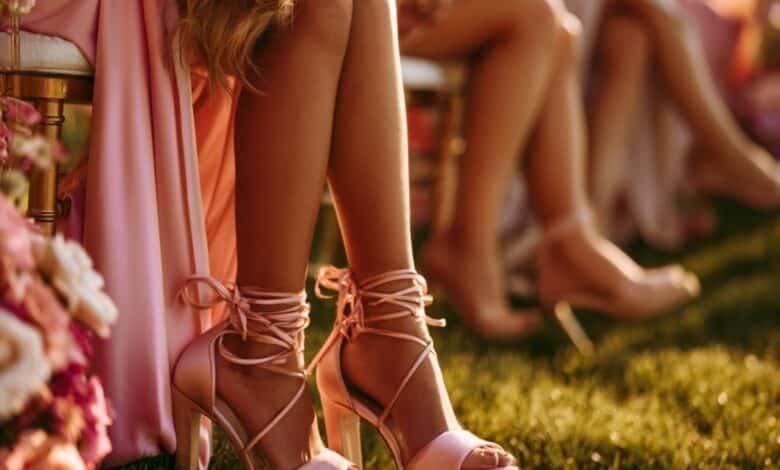
Outdoor weddings are beautiful until your heel disappears into grass like it has been personally invited underground. The dress can be perfect, the hair can be soft and expensive-looking, the sunset can be doing cinematic things — and then one wrong shoe turns the whole outfit into a survival sport.
So, what shoes should you wear to an outdoor wedding? The best pair looks polished enough for the dress code but practical enough for the actual ground: grass, gravel, stone paths, sand, damp lawns, barn floors, garden steps, vineyard slopes, and all the charming little surfaces that hate stilettos.
Diana’s outdoor shoe rule: choose the shoe for the ground first, then make it beautiful. A pretty shoe that cannot walk to the ceremony is not fashion. It is a decorative threat.
If you are planning the whole look, start with the full guest outfit starting point, then come back here for the shoe decision. Outdoor weddings need a different strategy because the venue is not just a backdrop — it is part of the outfit.
The ground is the dress code nobody prints on the invitation
Most invitations tell you the formality. Very few tell you that the ceremony is on soft grass, the cocktail hour is on gravel, the reception is under a tent, and the restroom path involves old stone steps with personality.
This is why outdoor wedding shoes need two jobs. They have to look right with your outfit, and they have to behave in the venue. If one of those jobs fails, you will feel it quickly.
The outdoor shoe decision in one glance
For grass, choose block heels, wedges, platforms, dressy flats, or heel protectors. For sand, choose flat sandals, low wedges, espadrilles, or barefoot-friendly shoes if the couple makes that clear. For gravel and stone, avoid thin stilettos and choose shoes with stability.
The goal is not “practical but sad.” The goal is shoes that let you walk, stand, dance, and look like you meant it.
Block-heel sandals. They work for grass, gardens, terraces, vineyards, and many semi-formal outdoor weddings.
Dressy flats, flat metallic sandals, low espadrilles, or elegant barefoot-friendly sandals.
Thin stilettos on grass or gravel. Beautiful in photos, dramatic in the wrong way when walking.
The outdoor wedding shoe lab
Here is the honest shoe breakdown — not from a fantasy boutique floor, but from the real wedding route: parking area, ceremony aisle, cocktail hour, reception, bathroom trip, dance floor, and the walk back when your feet are no longer pretending to be polite.
The reliable fashion friend. They give height without sinking too easily and look polished with midi dresses, satin dresses, florals, and tailored guest outfits.
Excellent for lawns, beaches, and garden paths. Choose refined shapes, not heavy cork platforms that look like they wandered in from a resort sale rack.
Surprisingly useful when the platform is stable. They give height, reduce foot angle, and can work for cocktail or evening outdoor receptions.
Not a downgrade. Satin flats, metallic flats, embellished flats, pointed flats, and ballet-inspired styles can look chic when the rest of the outfit is intentional.
Elegant for terraces, courtyards, and paved outdoor venues. Choose a wider heel if there will be grass.
Fine for paved patios, hotel terraces, and indoor-outdoor venues with firm flooring. Dangerous for lawns, gravel, sand, and soft ground.
Best shoes for grass weddings
Grass is the classic outdoor wedding trap. It looks romantic, soft, green, and harmless. Then the ceremony starts, and every thin heel becomes a tiny garden tool.
For grass, block heels are usually the best option. Wedges are also strong, especially for daytime weddings. Dressy flats can be elegant if your dress has enough shape and the shoes feel occasion-ready. If you insist on stilettos, use heel protectors — not glamorous, but neither is being slowly swallowed by the lawn.
Shoes by outdoor venue
The right shoe depends less on the word “outdoor” and more on the exact surface under your feet.
Block heels, low wedges, dressy flats, and platform sandals are usually safest. For outfit context, pair this with garden ceremony dress ideas.
Flat sandals, metallic flats, low espadrilles, or delicate barefoot-style sandals work best. Thin heels and sand are not enemies; they are a disaster collaboration. Use beach venue outfit notes if the whole look needs to feel lighter.
Backyards can be grass, patio, deck, or all three. Choose shoes you can stand in for hours, not just pose in for seven minutes. For relaxed dress styling, see backyard celebration styling.
Think gravel, dirt paths, wood floors, and uneven ground. Block heels, boots, low heels, and sturdy sandals are safer than delicate stilettos. For the full venue mood, use rustic venue outfit ideas.
Vineyards often include gravel, grass, slopes, stone, and outdoor dining. Block heels, wedges, or stable platforms are the elegant practical choice.
Paved courtyards allow more freedom: slingbacks, kitten heels, block heels, and even stilettos can work if the stone is even enough.
Dress code still matters
Outdoor does not automatically mean casual. A black tie garden wedding still needs elegant shoes. A beach formal ceremony still needs more polish than flip-flops. A backyard wedding may be relaxed, but your shoes should still look like you understood it was a wedding, not a grocery run with florals.
Dressy flats, refined sandals, low block heels, or soft espadrilles can work. Keep the material elevated: leather, satin, metallic, woven raffia with polish, or embellished details.
Block-heel sandals, slingbacks, pointed block heels, platforms, or polished mules work well. This is the sweet spot for shoes that are stylish but not ridiculous.
Choose refined block heels, metallic sandals, elegant platforms, or sleek slingbacks. The shoe can be practical, but it should not look daytime casual.
Go elevated: satin sandals, metallic block heels, elegant platforms, embellished flats, or formal slingbacks. If the ground is grass, sacrifice the thin heel before you sacrifice your dignity.
Weather changes the shoe answer
Outdoor weddings are little weather negotiations. Shoes should match the forecast as much as the dress.
Avoid suede, pale satin, delicate leather soles, and anything that stains easily. Choose darker shoes, sturdier heels, or closed-toe options if the ground may be wet.
Feet swell. That is not dramatic; that is biology. Avoid painfully tight straps and choose shoes that still feel wearable after several hours.
Wind affects long dresses and loose hems. Choose shoes that let you walk steadily while managing fabric, stairs, and outdoor paths.
Closed-toe heels, sleek boots, velvet shoes, and darker metallics can look elegant for fall and winter outdoor weddings.
Can you wear flats to an outdoor wedding?
Yes, and sometimes flats are the smartest choice in the entire outfit. The trick is choosing flats that look styled, not apologetic. A pointed metallic flat, satin ballet flat, embellished flat, pearl detail flat, or elegant ankle-strap flat can look beautiful with a midi dress, slip dress, long sleeve dress, or floral guest dress.
Flats need intention. Add earrings, a good bag, neat hair, and a dress with shape. Then it reads chic. Without those details, it can read “I gave up at the shoe part.”
My favorite outdoor wedding shoe formula: stable heel, elegant material, guest-safe color, and enough comfort to survive cocktail hour. The shoe should disappear into the outfit in the best way — polished, flattering, and not causing a personal crisis near the hydrangeas.
Best shoe colors for outdoor weddings
Neutrals are easiest: nude, champagne, taupe, soft gold, silver, espresso, black, pearl, bronze, and blush. Metallics are especially useful because they feel dressy without fighting the outfit.
Outdoor weddings often have softer light and natural textures, so overly harsh shoes can feel heavy. But that does not mean everything must be beige. A burgundy shoe with a navy dress, a bronze sandal with chocolate satin, or a silver slingback with a cool-toned floral can look fantastic.
Beautiful with warm florals, champagne, brown, olive, coral, rust, emerald, and many jewel tones.
Strong with navy, lavender, blue, black, plum, sage, gray, and cooler pastel dresses.
Easy with printed dresses and softer daytime looks. Choose a shade that feels elegant with your skin tone and dress color.
Best for evening, city, formal, or darker outfits. For a breezy garden or beach wedding, black can sometimes feel too heavy.
Use caution. White shoes can look fresh with color, but avoid anything that makes the whole outfit feel bridal. When in doubt, check the guest etiquette checklist.
Outdoor wedding shoe mistakes that ruin good outfits
The dress is usually not the problem. The shoe is where outdoor outfits quietly fall apart.
A stiletto on grass, sand, gravel, or soft dirt is not brave. It is scheduling a problem.
Break them in. Even expensive shoes can behave like villains if they meet your feet for the first time at the ceremony.
Heavy wedges with delicate silk, casual flats with a formal gown, or harsh black shoes with a soft garden look can throw everything off.
You may need to cross grass, steps, gravel, a hill, or a long garden path. The shoe should survive the journey, not just the mirror.
For long outdoor weddings, bring discreet blister patches, heel protectors, or a second pair for dancing. Glamour loves preparation.
So, what shoes should you wear to an outdoor wedding?
For most outdoor weddings, the best shoes are block heels, wedges, dressy flats, stable platforms, slingbacks with wider heels, or refined sandals. Choose based on the venue surface first, then match the shoe to the dress code and outfit.
Grass needs stability. Sand needs flats or low wedges. Gravel needs a thicker heel. Stone paths need grip. Formal outdoor weddings need polished materials. Casual outdoor weddings still need shoes that look intentional.
The last shoe check before you leave
Can you stand, walk, cross the venue, and dance without thinking about your feet every thirty seconds?
If yes, perfect. If not, change the shoes. The prettiest pair in your closet is not always the smartest pair for a wedding under the sky.
FAQ
What shoes should you wear to an outdoor wedding?
The best shoes for an outdoor wedding are block heels, wedges, dressy flats, stable platforms, slingbacks with wider heels, or refined sandals. Choose the shoe based on the venue surface first, then match it to the dress code.
Can you wear stilettos to an outdoor wedding?
Only if the ground is firm, paved, or indoors for most of the event. Stilettos are risky on grass, gravel, sand, dirt paths, and soft lawns because they can sink or feel unstable.
What shoes are best for a wedding on grass?
Block heels are usually the safest elegant choice for grass. Wedges, dressy flats, stable platforms, and heel protectors can also work well.
Can I wear flats to an outdoor wedding?
Yes. Dressy flats can look chic for outdoor weddings when they feel intentional. Look for satin, metallic, embellished, pointed, pearl-detail, or elegant ankle-strap flats.
What shoes should I wear to a beach wedding?
Flat sandals, metallic flats, low espadrille wedges, or refined barefoot-style sandals usually work best for beach weddings. Avoid thin heels in sand.
Are wedges okay for an outdoor wedding?
Wedges are often a very good choice for outdoor weddings, especially on lawns, gardens, beach venues, and uneven ground. Choose a refined wedge shape so the outfit still feels polished.
What color shoes are best for an outdoor wedding guest outfit?
Gold, silver, nude, taupe, bronze, champagne, black, espresso, pearl, and blush are all useful options. Metallic shoes are especially versatile because they feel dressy without overpowering the outfit.
What shoes should I avoid at an outdoor wedding?
Avoid thin stilettos on grass or gravel, slippery soles on stone, delicate suede in rain, very casual flip-flops, and shoes you have never worn before.
Can I wear boots to an outdoor wedding?
Sometimes. Sleek ankle boots can work for barn, fall, winter, or rustic outdoor weddings if they match the dress and dress code. Avoid heavy casual boots unless the event is very relaxed.
Should I bring backup shoes to an outdoor wedding?
For long outdoor weddings, yes. A discreet second pair for dancing, heel protectors, blister patches, or more comfortable flats can save the night without ruining the outfit.