Why More Fashion Brands Are Building Permanent Collections Instead of Chasing Every Trend

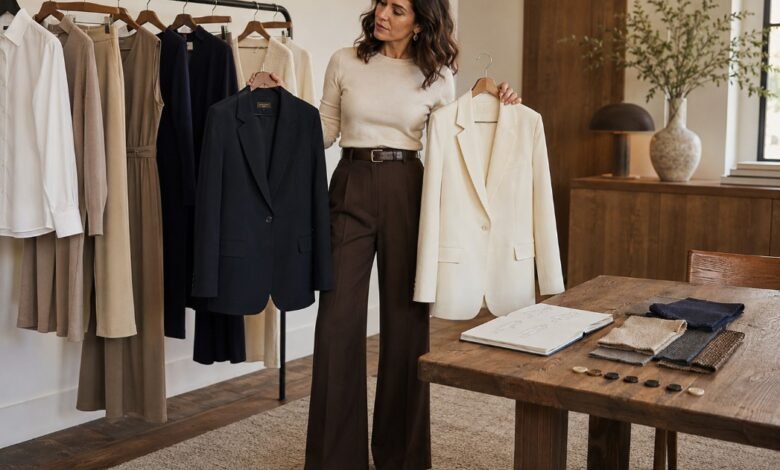
Fashion has trained us to expect a new beginning every few weeks.
A spring drop. A pre-summer edit. A high-summer capsule. A transitional collection for the emotionally complicated period between sandals and boots. Then autumn arrives, followed by holiday, resort, pre-spring and several limited editions apparently created because the calendar contained an empty Thursday.
Newness can be exciting. It gives brands a reason to speak and shoppers a reason to look again.
But a quieter model has been growing beside the endless drop cycle: the permanent collection.
Instead of disappearing after one season, selected garments remain available for years. The brand may adjust the fabric, improve the fit, introduce new colors or restock sizes, but the central design stays recognizable.
It might be a linen shirt, a properly cut trouser, a simple wool coat, a cotton dress, a dependable knit or a bag that has become part of the company’s visual language.
These pieces are not necessarily boring basics. Some have unusual proportions, distinctive closures or highly recognizable silhouettes. Their defining quality is continuity.
The brand is not asking one design to create attention for six weeks and then disappear. It is allowing the design enough time to earn trust.
For shoppers, this changes the relationship with a product. A woman can read long-term reviews, wait for the correct size, replace a heavily worn piece or return to the same silhouette in another fabric.
For a brand, however, keeping something permanent is more complicated than leaving the product page online.
The garment has to continue selling. The materials must remain available. The factory needs to reproduce the construction consistently. The fit must survive changing expectations. The price has to remain understandable even when production costs move.
A permanent collection is not simply fashion without trends.
It is a promise that certain ideas deserve more than one season to prove themselves.
A permanent fashion collection is a group of core garments that a brand continues producing beyond one seasonal cycle. Unlike temporary trend drops, permanent pieces are restocked, refined and often released in recurring colors or fabrics. The model can help brands build customer trust, collect meaningful fit feedback, reduce dependence on constant novelty and plan production around established demand.
A permanent collection remains available after the campaign has moved on
Fashion terminology is often flexible enough to accommodate whatever a marketing department needs before lunch.
Permanent collection, core collection, continuity line, signature collection and essentials edit can describe similar ideas, but they are not always identical.
A genuine permanent collection usually contains designs the brand intends to reproduce for more than one season. The exact fabric or color may change, yet the recognizably same garment returns.
A continuity line is often planned specifically for regular replenishment. Retailers can reorder it because the design is not limited to one delivery window.
A signature piece may remain central to the brand even when it is not continuously stocked. It might return annually or in selected editions.
An essentials edit may simply group together current-season basics. The word essentials does not guarantee that the products will exist six months later.
The product appears within one collection and may not return after selling out.
The recognizable design reappears, though fabrics, colors or details may change.
The garment remains part of the brand and is restocked according to continuing demand.
The important distinction is whether the brand treats the garment as an ongoing product or merely describes it as classic during one season.
Continuity requires operational commitment. Patterns must be stored correctly. fabric suppliers must remain reliable. Measurements need consistency. The company must decide whether small changes improve the product or make previous versions impossible to compare.
For the customer, permanence means there is a reasonable expectation of return.
The exact cream trouser may disappear temporarily, but the silhouette remains part of the brand rather than becoming fashion archaeology by next month.
A core garment does not have to be visually anonymous
The phrase permanent collection often produces an image of white shirts, black trousers and beige knitwear standing politely beside one another.
Those pieces can certainly belong to a core line. But permanence does not require the elimination of design.
A signature dress may have a recognizable gathered waist. A shirt may use an unusual collar or generous cuff. A trouser may have a specific curved leg. A coat may be known for one sculptural shoulder or dramatic closure.
The garment becomes core because it expresses the brand clearly and continues solving a customer need.
| Type of product | What makes it useful | What makes it recognizable |
|---|---|---|
| White shirt | Works across seasons, settings and wardrobes. | Collar proportion, cuff, volume, hem or fabric texture. |
| Relaxed trouser | Combines comfort with professional styling. | Rise, pleat design, leg shape and waistband construction. |
| Summer dress | Provides an easy complete outfit. | Neckline, seam placement, volume and pocket treatment. |
| Knit | Layers easily and can be repeated frequently. | Gauge, neckline, sleeve shape and finishing. |
| Everyday bag | Carries daily essentials and works with repeated outfits. | Hardware, handle shape, closure and proportion. |
A generic basic can be replaced easily by another generic basic.
A successful core garment may be simple, but the customer notices when it is gone.
That distinction is valuable to a brand. The product becomes associated with a specific fit or feeling rather than only a category.
The permanent model becomes more attractive when constant newness becomes expensive
Every new style introduces uncertainty.
The brand must predict demand before customers have seen the product. It orders fabric, reserves factory time, chooses quantities and hopes the collection reaches the correct audience at the correct moment.
If demand is overestimated, stock remains. If it is underestimated, popular sizes disappear before the marketing campaign has finished.
Core garments do not remove uncertainty, but they create historical information.
The brand can see how many units sold, which sizes moved fastest, when customers purchased, which colors performed and how often products were returned.
That information makes future production less speculative.
Customers are more cautious
When prices rise or household budgets feel uncertain, shoppers may become less willing to experiment with unfamiliar shapes.
A product with established reviews, repeat customers and visible styling history can feel safer.
Inventory has become harder to ignore
Unsold clothing requires storage, discounting, resale, recycling, donation or another responsible route.
The cost exists even when the garment is no longer visible on the main website.
Brands need recognizability
Constantly changing every design can make a brand difficult to remember.
A few recurring products provide visual anchors.
Search and discovery favor continuity
A product that exists for several years can accumulate reviews, editorial references, customer photographs and long-term search visibility.
A six-week item may disappear just as shoppers begin finding it.
It is difficult to build loyalty around a perfect trouser when the brand retires it immediately and returns six months later with a “new improved fit” that appears to have been designed for an entirely different species.
One repeated garment can explain a brand more clearly than twenty campaigns
Brands often describe themselves using broad words: modern, conscious, effortless, elevated, feminine, bold, timeless or designed for real life.
A signature garment turns those words into something visible.
If a company claims to value comfort, the recurring trouser should remain comfortable after sitting. If it promotes natural materials, the core shirt should disclose its fabric and construction clearly. If it celebrates versatile dressing, the dress should work beyond one highly specific campaign setting.
The product becomes evidence of the brand’s values.
Recognition without a logo
A strong signature piece can be recognized through proportion, stitching, color or shape rather than visible branding.
Editorial continuity
The brand can photograph the same garment differently over time: at work, during travel, in winter layers or warm-weather styling.
Customer language becomes clearer
Instead of saying “I bought a shirt from that brand,” customers begin referring to the product by name.
The brand develops a point of view
Repeating a design requires confidence that it still represents the company after the trend cycle moves.
That confidence can be more persuasive than producing an entirely new identity every season.
Continuity lets customers learn what a brand actually does well
Buying from a new label often involves several unknowns at once.
How does the sizing run? Is the fabric thinner than it appears? Does the trouser waist relax? Do the colors match the photographs? How difficult is the return process?
A permanent product allows those questions to develop answers over time.
Reviews become more useful because they describe the same central design rather than several unrelated versions sharing one product name.
Customers also learn how the piece ages.
A shirt may soften after washing without losing structure. A knit may remain smooth. A bag may develop attractive wear. Alternatively, repeated complaints may reveal pilling, shrinking or weak closures.
Long-term visibility creates accountability.
A brand cannot rely only on launch excitement when the same product remains available long enough for customers to report what happened one year later.
Trust test: a permanent product should become easier to evaluate over time because the brand preserves reviews, explains updates and maintains recognizable measurements.
A garment should earn permanent status through evidence
Not every attractive design deserves to become core.
A brand needs to see whether the garment works beyond the launch image.
The first version does not need to be flawless. The important question is whether the brand treats customer experience as information.
A permanent product should become more resolved, not simply more advertised.
Repeated production gives brands the opportunity to improve fit carefully
Fit is one of the largest differences between a permanent garment and a disposable seasonal experiment.
When a product remains active, the brand can observe where returns concentrate.
Perhaps the waistband fits in one size but the hips do not. Perhaps the armhole is too deep. Perhaps petite customers love the shape but require another length. Perhaps the bust buttons pull even when the shoulders fit correctly.
Those patterns can support meaningful revisions.
Updates should be disclosed
If the rise, length, fabric or sizing changes, the product page should explain it.
Customers returning to replace a trusted garment should not discover silently that the same size now fits differently.
More sizes may become possible
A proven core item can justify investment in extended sizing, petite, tall or multiple lengths because demand is not limited to one delivery.
Fit consistency matters more than perfection
No garment fits every body.
A trustworthy brand provides measurements, explains intended ease and maintains consistency so shoppers can make informed choices.
Customer photographs become more valuable
Over time, the same design may be shown on many heights, sizes and body proportions.
That visibility is difficult to build around a product removed after a few weeks.
Permanent design depends on materials that may not remain permanent
A brand can preserve a pattern more easily than a fabric.
Mills discontinue textiles. Fiber prices change. Dye lots vary. Minimum order quantities increase. A supplier may no longer produce the original button or zipper.
This creates a difficult decision.
Should the brand replace the fabric while keeping the design name? Should it pause production? Should it raise the price? Should it reduce the material quality to preserve the previous retail price?
The answer reveals a great deal about the company.
The most consistent customer experience
This works when the supplier can reproduce the material reliably and the cost remains viable.
The risk is dependence on one source and limited flexibility when conditions change.
A practical form of evolution
The brand can improve breathability, durability or seasonal use while preserving the recognizable cut.
The new composition and behavioral differences should be explained clearly.
One shape, several functions
A trouser might appear in linen for summer, wool for winter and a washable blend for work.
The construction may require adjustment because fabrics do not behave identically.
Material changes are not automatically suspicious.
Silent downgrading is the problem.
If a customer returns to a trusted shirt, the brand should make it easy to understand whether she is purchasing the same experience or only the same name.
Permanent does not have to mean producing enormous quantities at once
A core product can support smaller and more frequent production runs.
The brand observes sales, then replenishes according to actual demand. This can reduce the pressure to predict an entire season before launch.
However, small-batch production has its own challenges.
Factories require minimum quantities
A small brand may not be able to reorder only twenty units of one color.
Customers expect restocks quickly
Responsible production still takes time. Fabric must be sourced, cut, sewn, inspected and transported.
Popular sizes sell unevenly
The brand may have remaining stock in some sizes while others are repeatedly unavailable.
Cash remains tied to inventory
Even a proven product requires money before every restock reaches customers.
The permanent model works best when the company communicates honestly.
A waiting list can estimate demand. Preorders may support production when timelines are clear. Restock notifications allow customers to wait without checking the page every morning as though monitoring an international emergency.
A permanent product may cost more because it is designed to remain supportable
Shoppers sometimes expect a core garment to become cheaper because it is no longer new.
In reality, permanent production involves continuing costs.
The brand must preserve patterns, manage materials, maintain quality control, store components, photograph updates, support restocks and handle ongoing customer service.
Small production runs may cost more per garment than one very large seasonal order.
Price should still be justified.
Construction should support repeated wear
Seams, closures, pockets and hems should match the product’s intended frequency.
Materials should be disclosed
Customers should understand what they are paying for.
Repairs and replacement parts add value
Spare buttons, repair guidance or paid repair services can extend the product’s life.
Stable pricing builds trust
Frequent artificial discounts make it difficult to understand the garment’s real price.
A permanent collection should not be protected from all sales. But it should not depend on permanent markdown theater to appear desirable.
Timeless is one of fashion’s most overworked words
A square-neck dress launched during a viral square-neck season may be described as timeless. So may a dramatic balloon trouser, a cropped jacket, a sculptural flat and a blouse with sleeves large enough to influence nearby weather.
Some of these pieces may remain beautiful for years.
But timelessness cannot be confirmed on launch day.
A more useful question is whether the product has design continuity.
Can it work with clothing outside the campaign? Does it solve a recurring need? Is the material suited to repeated use? Does the brand intend to support it after the initial attention disappears?
Fashion does not need to pretend that every garment exists outside time.
A permanent collection can still acknowledge the period in which it was designed.
The goal is not removing every trend signal. It is creating enough usefulness, quality and point of view that the garment remains wanted after that signal becomes quieter.
Permanent pieces can evolve without losing their identity
Keeping a design unchanged forever may preserve consistency, but it can also preserve weaknesses.
A responsible brand updates carefully.
Fit adjustments
The rise may be refined, the sleeve length corrected or the pocket construction improved.
Material improvements
A fabric may become softer, stronger, more breathable or easier to care for.
Expanded sizing
New size ranges, petite lengths or tall versions can make the same design useful to more customers.
Functional additions
A dress may receive deeper pockets. A coat may gain an interior closure. A shirt may be reinforced at high-stress seams.
Construction simplification
Some changes reduce unnecessary material or make repairs easier without lowering quality.
The brand should maintain a visible line between improvement and cost cutting.
If the new version is lighter, thinner or less finished, describing it only as updated may conceal more than it explains.
Seasonal color gives a permanent shape new energy
One advantage of a stable silhouette is that color can provide novelty without requiring the customer to relearn the fit.
A trusted shirt may return in white, pale blue, chocolate, olive or seasonal red.
A dress may remain available in black and navy while introducing one limited color each summer.
This allows cautious shoppers to choose the established neutral and more expressive customers to try something new.
Core colors support replacement
Black, navy, ivory, brown or another brand-specific neutral can remain available regularly.
Seasonal colors test demand
A successful limited color may later join the permanent line.
Fabric affects color
The same shade looks different in linen, silk, cotton poplin and wool.
Color continuity should be honest
If two products are designed to match, the brand should explain whether dye lots or fabric differences create variation.
The permanent shape becomes a reliable framework, while color keeps the collection from feeling frozen.
A permanent collection does not require a brand to stop enjoying fashion
Core products and trend pieces can support one another.
The permanent trouser gives a new blouse somewhere to go. The recurring dress can be styled with a seasonal shoe. A signature jacket can anchor a more experimental skirt.
The healthiest balance depends on the brand.
| Collection role | Main purpose | Customer value |
|---|---|---|
| Permanent core | Provide continuity and recognizable fit. | Reliable replacement, reviews and repeat purchasing. |
| Seasonal update | Respond to weather, color and changing needs. | Freshness without abandoning familiar products. |
| Experimental design | Test new shapes, materials or ideas. | Discovery and stronger creative identity. |
| Limited collaboration | Introduce another creative perspective. | Collectibility and temporary excitement. |
A brand made entirely of permanent basics may become predictable.
A brand made entirely of experiments may become difficult to trust.
The core provides memory. The seasonal collection provides movement.
A permanent collection can reduce waste, but permanence alone proves very little
Keeping designs available may support better forecasting, smaller restocks and longer customer relationships.
It can also reduce the pressure to create entirely new products simply to fill a calendar.
But the word permanent does not reveal how much the brand produces, where garments are made, what materials are used or what happens to unsold stock.
Potential advantages
Demand becomes easier to estimate. Unsold inventory may be carried into another season rather than immediately marked obsolete. Customers can replace or repurchase familiar garments.
Potential limitations
A brand can overproduce permanent products too. Poor-quality core pieces may still wear out quickly. Constant new colors can reproduce the same consumption pressure as constant new silhouettes.
Better questions to ask
Does the brand disclose production practices? Are products restocked according to demand? Are materials and care explained? Does the company offer repair, resale or take-back support?
Sustainability depends on the complete system.
Permanence is useful when it gives a garment a longer commercial and physical life—not when it becomes another attractive label placed beside the Add to Cart button.
How to decide whether a permanent piece deserves space in your wardrobe
A product remaining available for years does not mean every customer needs it.
The same wardrobe logic still applies.
A permanent collection should reduce urgency.
If the brand uses countdown timers and panic language around a product supposedly available forever, the strategy has become emotionally confused.
Signs that a brand is genuinely investing in its core products
The product has a visible history
Reviews remain available, previous versions are acknowledged and updates are explained.
Measurements are consistent
The brand provides garment dimensions and explains meaningful fit changes.
Restocks follow recognizable demand
Popular sizes and colors return rather than being replaced by unrelated products.
Material information is specific
Fiber percentages, lining, care and manufacturing details are easy to find.
The product appears in different contexts
The brand shows work, travel, seasonal layering and real-life styling rather than one campaign fantasy.
Customer feedback produces improvements
Pockets, lengths, closures or size options evolve in understandable ways.
Replacement and repair are considered
Spare buttons, care advice, repair services or replacement parts may be available.
The brand allows time
The product is not constantly presented as a final opportunity despite its permanent status.
When permanent collection is only a more elegant name for basics
The products change completely every season
If the fits, fabrics and names are constantly replaced, the collection lacks real continuity.
Reviews disappear during every update
Removing customer history prevents shoppers from understanding how the design has performed.
The word timeless replaces material information
Aesthetic language should not substitute for fiber composition, measurements and care.
The brand creates artificial scarcity around every restock
Limited quantities may be real, but permanent panic is not the same as thoughtful production.
Quality declines while the product name remains
A thinner fabric, weaker lining or simplified construction should not be hidden beneath continuity branding.
There is no way to distinguish versions
Customers cannot know whether reviews refer to the current garment.
Every product is called an icon immediately
Icon status usually requires time and recognition outside the launch announcement.
Core pieces remain unavailable in common sizes
Occasional sellouts are normal. Chronic gaps suggest the replenishment model is not yet serving customers reliably.
A permanent collection should make purchasing clearer, not more mysterious.
Permanent collections may change what fashion considers successful
The traditional success story focuses on the launch.
The collection receives attention, selected pieces sell quickly and the industry moves to the next season.
A permanent product asks different questions.
Does the garment still sell after the campaign ends? Do customers return for another color? Does it remain relevant at full price? Does the fit improve? Does the product create enough trust that a shopper begins exploring the rest of the brand?
This is slower evidence.
It may also be more meaningful.
Brands can use permanent products as stable foundations while reserving seasonal collections for experimentation. Customers gain reliable reference points. Designers can revisit and refine rather than abandoning every idea after one delivery.
The model will not replace trends, nor should it.
Fashion needs surprise, fantasy, cultural change and the occasional sleeve that makes no practical sense but looks magnificent while standing near architecture.
Yet a wardrobe cannot live entirely on surprise.
The permanent collection offers another kind of excitement: discovering a garment so well understood that the brand is willing to keep standing behind it.
The most convincing brand promise may be simply returning next season
Fashion often tells us that missing a product means missing the moment.
A permanent collection offers the opposite message.
Take time. Read the reviews. Check the fabric. See whether the garment still matters after the campaign images stop appearing.
That patience changes the relationship between brand and customer.
The company is no longer asking every product to succeed through urgency. It is allowing selected designs to succeed through repetition, evidence and familiarity.
The shopper does not have to rebuild her understanding of the brand with every collection. She can return to a known trouser, shirt or dress and decide whether a new color or fabric belongs in her life.
Permanent does not mean perfect.
Materials change. Bodies change. Production changes. A design that felt modern five years ago may eventually need revision or retirement.
But continuity gives everyone more information.
The brand learns what it truly does well. The customer learns what the product becomes after wear. The garment receives time to become more than a launch.
In an industry built around the next thing, choosing to keep one good thing may be one of the clearest forms of confidence.
Questions and answers
What is a permanent collection in fashion?
A permanent collection is a group of garments or accessories that a brand continues producing beyond one seasonal cycle. These core products may be restocked, refined or released in new colors while keeping the same recognizable design.
How is a permanent collection different from a seasonal collection?
A seasonal collection is designed for a specific delivery period and may disappear after selling out. A permanent collection is intended for continuing production and replenishment based on ongoing customer demand.
Are permanent fashion collections always made from basic clothing?
No. A permanent product can have a distinctive silhouette, unusual construction or recognizable design details. It becomes core because it represents the brand and continues serving a customer need, not because it is visually plain.
Why are fashion brands creating more core collections?
Core collections can provide more predictable demand, stronger customer recognition, longer review histories and less dependence on constant new product launches. They may also support smaller, evidence-based restocks.
Does a permanent collection reduce fashion waste?
It can help when brands produce according to proven demand and carry products across seasons rather than treating them as immediately obsolete. However, permanent products can still be overproduced, so the complete production and inventory system matters.
Can a permanent garment change over time?
Yes. Brands may refine fit, improve materials, expand sizing or add new functional details. Meaningful changes should be disclosed so returning customers understand how the current version differs.
Why do permanent collection prices sometimes increase?
Material, labor, transport and small-batch production costs can change. A responsible brand should explain major material or construction updates rather than lowering quality silently to preserve the original price.
How can I tell if a brand’s permanent collection is genuine?
Look for long-term product history, preserved reviews, recurring restocks, consistent measurements, disclosed updates and clear material information. Genuine continuity should make the garment easier to evaluate over time.
Should every item in a wardrobe come from a permanent collection?
No. Permanent pieces can provide dependable foundations, while seasonal and experimental designs add color, creativity and change. A useful wardrobe can include both recurring core garments and more expressive trend pieces.
Is timeless clothing the same as a permanent collection?
Not necessarily. Timeless describes an aesthetic claim, while permanent collection describes a production and replenishment strategy. A garment can look classic without being restocked, and a permanent piece can still reflect the era in which it was designed.