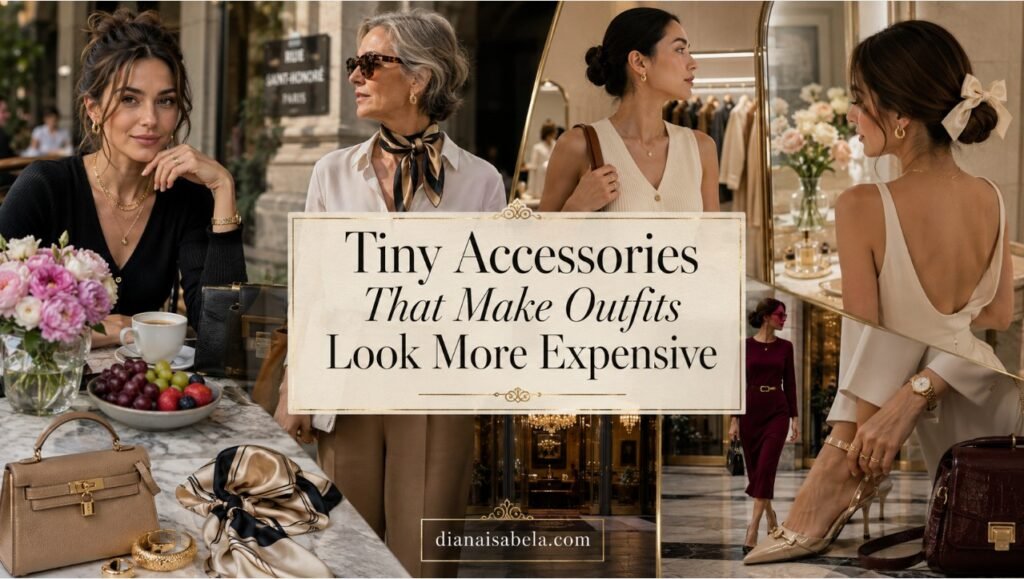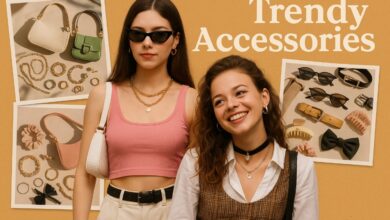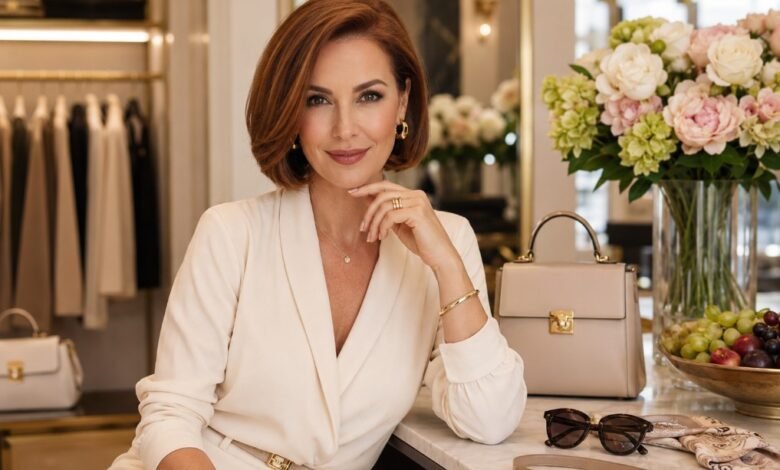
There is a very specific kind of outfit sadness that happens when every clothing piece is technically fine, but the whole look still feels unfinished. The jeans fit. The top is cute. The shoes are not committing a crime. And yet the mirror says, “Almost.”
Most of the time, the missing piece is not another top. It is not a completely new wardrobe. It is not a dramatic personal rebrand that requires deleting your old photos and becoming a girl who only wears linen.
It is usually a tiny accessory.
A better earring. A thinner belt. A hair bow placed with taste instead of panic. A bag that makes the outfit look chosen. A pair of sunglasses that says “I have an aesthetic” even if you were crying over math homework twenty minutes ago. Tiny accessories are small, but they can completely change the price tag your outfit seems to be wearing.
Accessories are the punctuation of an outfit
Clothes are the sentence. Accessories are the punctuation. A sentence without punctuation can still make sense, but it might ramble, confuse people, or sound like it was typed at 2:00 a.m. while emotionally attached to a hoodie.
That is how outfits work too. A simple white tank and jeans can look lazy, clean, French, sporty, expensive, or “I grabbed this from the chair” depending on the accessories around it. The base outfit may be the same. The story changes because the details change.
This is why accessories matter so much for teen style. You may not be buying designer coats or rebuilding your whole closet every season. You may be working with school outfits, weekend outfits, birthday plans, dress-code drama, weather, budget, and whatever is clean. Tiny accessories let you make the same clothes feel new without pretending you live inside a fashion campaign.
And the best part? The right accessory does not need to scream. In fact, the most expensive-looking details usually whisper.
Diana’s accessory truth: expensive-looking style is not about wearing more. It is about choosing the one detail that makes everything else look intentional.
The difference between decorated and styled
This is where many outfits go wrong. Adding accessories is easy. Styling accessories is different.
Decorated means you put things on because the outfit felt empty. A necklace, then earrings, then rings, then a belt, then a bow, then sunglasses, then a bag charm, then another charm because apparently the bag needed friends. The outfit may have more pieces, but it does not necessarily have more taste.
Styled means every accessory has a job. The belt defines the waist. The earring brings light to the face. The bag adds structure. The hair clip cleans up the silhouette. The sunglasses sharpen the mood. The shoe repeats the metal tone in the jewelry. Nothing is random. Nothing is begging.
Decorated outfits feel busy. Styled outfits feel finished.
The accessory shelf test
Before adding another detail, ask what the outfit actually needs: polish, shape, color, softness, edge, height, shine, or a clearer mood.
Do not accessorize from insecurity
If an outfit feels boring, pause before stacking everything you own. Sometimes the best fix is one sharp detail, not seven nervous ones. A small gold hoop, a clean belt, a glossy clip, or a structured mini bag can do more than a full jewelry avalanche.
Accessories should calm the outfit into place. If they make you feel more confused, remove one.
Start with the face: earrings, hair, and sunglasses
The face is where people look first, so tiny accessories near the face carry a lot of power. Earrings, hair accessories, sunglasses, and even a delicate necklace can make a basic outfit feel more polished before anyone notices the rest.
Small gold hoops are the easiest shortcut. They work with hoodies, tanks, dresses, button-downs, cardigans, and messy hair days that need a little dignity. Silver hoops can look cooler and sharper, especially with black, grey, navy, white, and Acubi-inspired outfits. Pearls soften the face. Sculptural earrings make a plain outfit look editorial. Tiny studs are not boring if the outfit is already doing something interesting.
Hair details matter too. A claw clip, ribbon, bow, sleek headband, silk scrunchie, or barrette can change the whole mood. But there is a thin line between “romantic detail” and “craft-store explosion.” Choose the hair accessory like you would choose a shoe: it needs to match the outfit’s energy.
And sunglasses? Sunglasses are dangerous in the best way. They can make leggings look like airport style, jeans look like street style, and a plain dress look like you have somewhere slightly mysterious to be. The trick is not to choose the loudest pair. Choose the pair that makes your face and outfit look cleaner.
If the outfit is soft
Try pearls, bows, cream hair clips, ballet-inspired ribbons, delicate gold, or a small pastel bag. Keep the shapes gentle so the look feels romantic, not costume-y.
If the outfit is cool-girl minimal
Try silver hoops, a black shoulder bag, narrow sunglasses, a clean belt, or a slick claw clip. This is where Acubi accessories that keep the look sharp can help without making the outfit loud.
The bag is not just storage, it is outfit architecture
A bag is one of the fastest ways to make an outfit look more expensive because it adds structure. Even if the rest of the outfit is simple, a good bag gives the eye somewhere to land.
This does not mean the bag has to be designer. Please do not let the internet convince you that style begins only when your wallet starts crying. Shape matters more than logos. A structured shoulder bag, small top-handle bag, clean crossbody, neat tote, or polished mini bag can make a basic outfit look styled because it creates a stronger silhouette.
Slouchy bags can be chic too, especially with relaxed denim, oversized layers, or casual school outfits. But if the outfit already feels loose or unfinished, a slouchy bag may add more softness than you need. That is when a cleaner shape helps.
Think of the bag as the outfit’s period at the end of the sentence. If the bag is messy, the sentence rambles.
Bag charms are cute when they look chosen
Bag charms, keychains, bows, plush details, scarf ties, and little chains are having a very real moment. They can make a bag feel personal and less serious, which I love. Fashion should have humor. A bag with no personality is sometimes just a small leather rectangle with opinions.
But again, the detail needs a reason. A charm should echo something: the color of your shoes, the softness of your outfit, the playful mood of your skirt, the coquette detail in your top, or the school-day chaos you are making adorable on purpose.
If you want more playful accessory direction, tiny bags and accessories with big energy is a natural next read. The key is to keep the charm from fighting the entire outfit for attention.
One charm can look stylish. Six charms can look like your bag is hosting a sleepover.
Belts are the tiny accessory people forget until the outfit fails
A belt is not only there to hold pants up. A belt tells the eye where the waist is. That matters with jeans, wide-leg pants, trousers, skirts, oversized shirts, sweater dresses, and even blazers.
A thin black belt can make jeans and a tee look styled. A brown belt softens white, cream, denim, olive, and warm neutrals. A metallic belt can make a simple dress look more intentional. A fabric belt or ribbon belt can make a soft outfit feel more romantic.
The biggest belt mistake is choosing one that is too bulky for the outfit. A heavy belt on a delicate look can feel like a door hinge. A tiny belt on a very oversized outfit can disappear completely. Match the belt weight to the clothing weight.
Also, please check the metal. If your belt buckle is gold and your bag hardware is silver and your earrings are rose gold and your shoe buckle is black, the outfit may still work, but it needs confidence. Beginners should keep metals mostly coordinated. Advanced chaos can come later.
Jewelry should frame you, not fight you
Jewelry is where outfits can become instantly more polished or instantly more confused. The same simple dress can look expensive with small gold hoops and a delicate bracelet, edgy with silver cuffs, sweet with pearls, or overdressed with too many sparkly pieces at once.
I like choosing jewelry by neckline. Crewneck tops often look good with hoops and no necklace, or a shorter necklace that sits above the fabric. V-necks like delicate chains, pendants, or layered necklaces. Strapless tops can handle a stronger earring or a clean necklace, but not always both. Collared shirts often look chic with earrings and rings instead of a necklace fighting the collar.
Rings are underrated. A few rings can make even a hoodie look more intentional when you are holding a coffee, phone, book, or bag. Bracelets are beautiful, but noisy stacks can get annoying at school or while typing. Style also has to survive the day.
The expensive-looking rule is simple: let one jewelry zone lead. Earrings, necklace, wrists, or rings. You can wear more than one, but one should be the main character.
The accessory order that saves messy outfits
- Choose the shoes first if the outfit feels awkward. Shoes decide the mood faster than almost anything else.
- Add the bag second. The bag should support the shoe mood, not start a separate conversation.
- Pick jewelry near the face. Earrings or necklace can add polish without crowding the outfit.
- Use the belt only if the waist needs help. Do not belt every outfit just because the belt exists.
- Finish with hair or sunglasses. These details should make the look feel sharper, softer, or more intentional.
Hair accessories can make simple clothes look styled
A ponytail with a ribbon, a claw clip with a clean part, a glossy barrette, or a headband can make a simple outfit feel like a look. This is especially useful on days when you are repeating clothes and want the outfit to feel different.
For school, I love practical hair accessories that survive movement. A bow that needs emotional support by second period is not the one. A claw clip that actually holds your hair is better than a decorative clip that gives up before lunch.
For dressier moments, hair accessories can replace extra jewelry. A sleek headband with small earrings can look more expensive than a necklace, bracelet, rings, bag charm, and a dramatic bow all fighting for custody of the outfit.
For soft outfits, try satin bows, cream clips, pearl pins, or tortoiseshell. For cooler outfits, try black clips, silver barrettes, thin headbands, or glossy minimal shapes. For colorful outfits, repeat one color from the clothes instead of adding a completely new color just because it looked cute in the drawer.
Socks and tights are not background characters
Socks can make or ruin the whole outfit. I know that sounds dramatic, but fashion is often dramatic about tiny things. White socks with loafers can look intentional. The wrong athletic sock with a delicate flat can look like you changed shoes in the dark. Lace socks can be adorable, but they need the right shoe and outfit mood. Sheer socks can make simple shoes feel more editorial.
Tights are even more powerful. Sheer black tights can make a mini skirt look polished. Opaque tights can make an outfit feel winter-ready. White tights are sweet but not always forgiving. Patterned tights can be amazing, but the rest of the outfit needs discipline.
If your outfit feels almost right, check the sock line. Sometimes the problem is not the skirt, the shoe, or your body. Sometimes the sock is simply giving confused energy.
Accessories for school should look cute and survive real life
School outfits need accessories that do not collapse under actual school conditions. You need things that work with backpacks, walking, sitting, writing, weather, crowded hallways, and the strange temperature difference between one classroom that feels like a freezer and another that feels like soup.
The best school accessories are small but useful: simple hoops, a hair clip that holds, a watch or bracelet that does not annoy you, a belt that makes jeans better, a bag charm that gives personality without getting caught on everything, and sunglasses for before or after school if your schedule allows it.
Do not underestimate a nice water bottle, clean phone case, keychain, or pencil pouch either. I know they are not traditional fashion accessories, but they still live in your visual world. If you carry something every day, it becomes part of your style whether you planned it or not.
The goal is not to look overdressed at school. The goal is to look like your outfit did not lose confidence on the way to the locker.
Accessories for Acubi, coquette, sporty, and classic outfits
Different aesthetics need different accessory language. This is where tiny details become very useful because you can shift the same base outfit into different moods.
For Acubi or cool-girl outfits, choose silver jewelry, black shoulder bags, narrow sunglasses, simple belts, headphones, clean sneakers, and minimal hair clips. The accessories should feel slightly quiet, slightly sharp, and not too sweet. If you are building this side of your closet, the cool-girl Acubi fashion guide gives a stronger foundation for that mood.
For coquette outfits, use bows, pearls, ballet flats, small pastel bags, lace socks, delicate rings, and soft hair details. But keep control. Coquette becomes more expensive-looking when it has restraint. Too many bows can start looking like the gift-wrapping department got involved.
For sporty outfits, accessories should sharpen the look. Try clean sunglasses, small hoops, a sleek ponytail, a structured bag, fresh socks, and good sneakers. Sporty style looks more expensive when the details are clean rather than random.
For classic outfits, lean into belts, simple jewelry, structured bags, polished flats, watches, and hair that looks intentional. Classic style does not need many accessories. It needs the right ones.
The event outfit accessory problem
Events are where people over-accessorize because they are nervous. A birthday dinner, school dance, wedding, family celebration, graduation party, or nice restaurant plan can make a normal girl start adding sparkle like she is decorating a cake.
For dressier events, accessories should support the outfit’s level of formality. A simple dress may need stronger earrings. A detailed dress may need quieter jewelry. A colorful outfit may need a neutral bag. A neutral outfit may need one beautiful shine moment.
If you are dressing for a wedding or a more polished event, the accessory rules matter even more because the outfit has to respect the setting. For that, wedding guest accessories when the outfit needs polish is the better next step. Wedding accessories need beauty, but also restraint. You want elegant, not “competing with the centerpiece.”
The expensive-looking color trick
One of the easiest ways to make accessories look expensive is to repeat color instead of adding random color.
If your shoes are black, a black bag can make the outfit feel grounded. If your top has cream in it, cream sunglasses or a cream bow can make the detail feel connected. If your dress has pink flowers, a blush bag or rose-toned lip can make the look feel intentional. If you are wearing denim and white, a brown belt or bag can make everything warmer.
This does not mean everything must match perfectly. Perfect matching can look stiff. But something should talk to something else. The bag can echo the shoe. The earrings can echo the belt buckle. The hair bow can echo the print. The phone case can echo the sneakers. Tiny repetitions make outfits look expensive because they make the eye believe there was a plan.
And honestly, sometimes the plan was made thirty seconds before leaving. That is fine. We respect fast glamour.
The metal-tone question: gold, silver, or mixed?
Gold tends to feel warmer, softer, and more classic. It looks beautiful with cream, brown, olive, blush, red, camel, ivory, warm denim, and many romantic outfits. Silver feels cooler, sharper, and more modern. It looks strong with black, white, grey, navy, icy pastels, sporty outfits, and Acubi-inspired looks.
Mixed metals can look chic, but they need intention. The easiest way is to choose one dominant metal and let the other appear once or twice. For example, mostly gold jewelry with a silver bag chain can work if the outfit has enough confidence. Mostly silver jewelry with one gold ring can also work if it feels deliberate.
If you are unsure, match the metal nearest your face to the mood of the outfit. Warm and soft? Gold. Clean and sharp? Silver. Romantic and vintage? Pearls with gold. Cool and minimal? Silver or black hardware.
Do not let metal tones become homework. They are tools, not laws.
The tiny accessory mistake that makes outfits look cheaper
The biggest mistake is not wearing affordable accessories. Affordable accessories can look beautiful. The mistake is wearing accessories that look careless.
A scratched plastic hair clip that does not match anything. A bag with peeling edges. Jewelry that has turned a suspicious color. Sunglasses with bent arms. A belt that is too worn in a not-cool way. A charm that looks dirty. Shoes that need cleaning. These tiny things quietly lower the whole outfit.
You do not need expensive accessories, but you do need clean ones. Wipe sunglasses. Store jewelry better. Remove charms that look tired. Retire the bag that has fought too many battles. Clean your shoes. Steam the scarf. Cut the loose thread.
Sometimes looking expensive is not about buying. It is about maintenance.
How many accessories are enough?
There is no universal number, because outfits have different appetites. A plain tank and jeans may need earrings, belt, bag, sunglasses, and a hair detail. A floral dress may only need earrings and a simple bag. A hoodie outfit may need hoops, clean sneakers, and a good tote. A party look may need one statement earring and nothing else screaming.
My favorite rule is the mirror pause. Put on the accessories you think you need. Then remove the one that feels least connected. If the outfit looks better, it was too much. If it looks empty, put it back.
Style is not about proving you own accessories. Style is about knowing which one gets to stay.
A tiny accessory capsule that works harder than it looks
You do not need a drawer full of random pieces. A small accessory capsule can do a lot if each item has a job.
I would start with small gold or silver hoops, one delicate necklace, one ring set, one clean belt, one structured bag, one casual everyday bag, one hair clip that actually holds, one soft hair detail like a ribbon or scrunchie, one pair of sunglasses, one pair of polished flats or sneakers, and one special accessory that feels very you.
That “very you” piece matters. It might be a charm, vintage scarf, bold earring, colorful bag, unusual sunglasses, heart necklace, pearl clip, or little bow. Expensive-looking style does not mean personality gets erased. It means the personality is edited.
The last detail before you leave
Before leaving, check the outfit from far away. Not just up close in the mirror where you can admire your earrings like a museum curator. Step back.
Does the outfit have a clear mood? Does one accessory pull it together? Is anything distracting in a bad way? Do the shoes and bag understand each other? Does the hair accessory make sense from the front and the side? Does the jewelry frame your face or clutter it?
Then check comfort. Can you walk? Can you carry what you need? Will the bag annoy you? Will the earrings hurt? Will the hair clip survive? Will the belt make you regret eating? Looking expensive is lovely. Being trapped in your accessories is not.
The best tiny accessory is the one that makes the outfit look intentional and lets you forget about it.
The outfit does not need more noise, it needs a finishing note
When an outfit looks almost good, resist the urge to buy something huge. Try the tiny things first. Earrings. Belt. Bag. Hair. Sunglasses. Socks. A cleaner shoe. A better metal tone. A small color repeat. One polished detail near the face.
Tiny accessories make outfits look more expensive because they show care. They make simple clothes look chosen. They make repeated outfits feel fresh. They make everyday style feel less accidental. And they do it without demanding that you become a completely different person by Monday.
That is the kind of fashion magic I trust most: small enough to use every day, strong enough to change the whole mood.
FAQ
What tiny accessories make outfits look more expensive?
Small gold or silver hoops, a clean belt, structured bag, polished sunglasses, delicate necklace, neat hair clip, simple rings, and well-chosen shoes can make an outfit look more expensive. The key is choosing accessories that make the outfit look intentional, not crowded.
How do I accessorize without looking overdone?
Let one accessory area lead. Choose either earrings, necklace, bag, hair detail, or belt as the main focus, then keep the other details quieter.
Do accessories have to match?
They do not need to match perfectly, but they should connect. Your bag can echo your shoes, your earrings can echo your belt buckle, or your hair bow can repeat a color from your outfit. Small connections make the look feel planned.
Are gold or silver accessories better for teen outfits?
Both work. Gold feels warmer and softer, while silver feels cooler and sharper. Gold often looks good with cream, brown, blush, and romantic outfits. Silver works beautifully with black, grey, white, denim, sporty looks, and Acubi-inspired style.
What accessories should I wear to school?
Choose accessories that survive real life: small hoops, a strong hair clip, a clean belt, a practical bag, simple rings, sunglasses for before or after school, and shoes that are comfortable enough for walking. Cute is good. Annoying by second period is not.
How can I make a basic outfit look less boring?
Add one detail with structure or shine. A belt, small hoops, sunglasses, a polished bag, or a hair accessory can make jeans and a tee feel styled. If the outfit still feels flat, check the shoes next.
Are bag charms still stylish?
Yes, when they look intentional. A bag charm can add personality, but it should connect to the outfit’s color, mood, or style. Too many charms can make the bag look cluttered instead of cute.
What accessories work with Acubi outfits?
Acubi outfits usually work well with silver hoops, narrow sunglasses, black shoulder bags, clean belts, minimal hair clips, simple rings, headphones, and sleek sneakers. The accessories should feel sharp and quiet rather than overly sweet.
How many accessories should I wear at once?
It depends on the outfit. A very simple outfit can handle more accessories, while a detailed outfit usually needs fewer. Put everything on, then remove the one piece that feels least connected. That quick edit often fixes the look.
Can cheap accessories look expensive?
Absolutely. Affordable accessories can look polished if they are clean, simple, well-shaped, and styled with intention. Peeling bags, scratched sunglasses, tarnished jewelry, and tired hair clips are what make accessories look cheap, not the price itself.