Bolivian Anticucho vs Peruvian Anticucho: What Actually Changes?

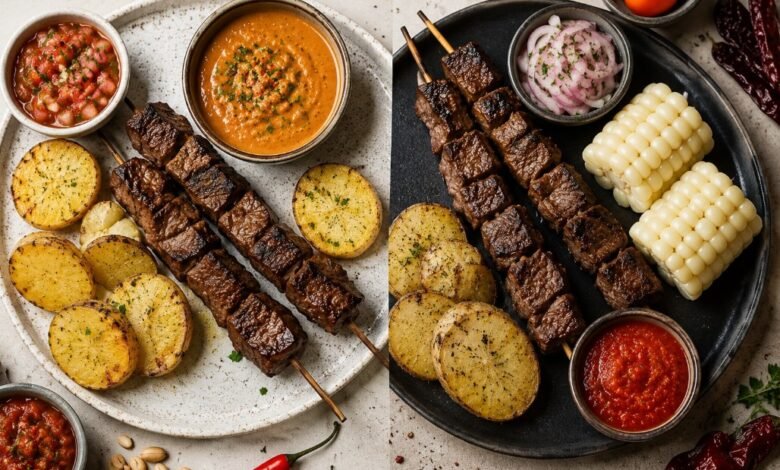
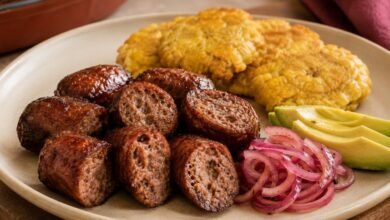
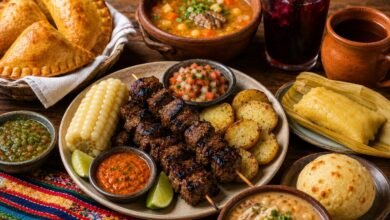
Bolivian and Peruvian anticuchos can look suspiciously similar from across the table: dark-edged beef heart, wooden skewers, potatoes, chile, smoke. Get closer, however, and the family resemblance begins revealing two rather different personalities.
Both belong to a much larger Andean food story. Both have strong traditions built around beef heart and charcoal. Neither cuisine invented the concept in the tidy way modern restaurant menus sometimes make food history sound. Centuries of Indigenous cooking, colonial change, migration, new livestock, African influence and regional adaptation sit behind the skewer we recognize today.
What interests me more than trying to award historical custody is what happened afterward. In La Paz, anticucho developed a particularly satisfying relationship with potato, red chile and peanut-based llajua. In Peru, especially in the Lima tradition, ají panca becomes one of the defining voices of the marinade, while choclo and rocoto often complete the plate.
The heart may be related. The accent is not.
If you are looking specifically for the Bolivian version in the United States rather than trying to decode another restaurant menu, start with my Best Anticucho Boliviano Near Me guide.
So what is the actual difference?
Classic versions from both countries commonly use beef heart cooked over high heat, but the flavor architecture often differs. A La Paz-style Bolivian anticucho commonly combines heart with potatoes and a spicy sauce that can include ground peanut. A classic Peruvian anticucho places much more emphasis on an ají panca marinade, often with vinegar, garlic, cumin and oregano, and commonly arrives with potato, choclo and chile sauce.
That is the useful distinction. Not “Bolivia uses heart and Peru does not.” Both do. Not “one has potatoes and the other does not.” Both can. The difference is how the chile, sauce, starch and marinade organize themselves around the meat.
Rich sauce around a fiercely grilled heart
Chile-driven marinade built into the meat
The ingredient lists tell the story better than flags do
I find ingredient lists much more persuasive than broad statements about authenticity. They show what the cook is actually asking the beef heart to taste like.
Bolivian anticucho ingredients associated with La Paz
Classic Peruvian anticucho ingredients
There is obvious overlap, which is precisely why simplistic comparisons fail. Garlic, cumin, vinegar, oregano, heart and potatoes do not belong exclusively to one country here. What changes is emphasis. Peru’s ají panca is deeply integrated into the marinade and even the grill baste, while the La Paz preparation becomes especially distinctive once red chile and peanut llajua join the grilled heart and potato.
The Bolivian plate makes sauce part of the architecture
The La Paz version has a wonderful practical logic. Beef heart gives you smoke, browned edges and an almost steak-like beefiness without much fat. Potato calms the palate and catches juices. Then spicy peanut llajua comes in with exactly what the heart lacks: richness, body and moisture.
Peanut with grilled beef may sound unusual if your mental reference point is an American steakhouse, but technically it makes tremendous sense. Lean meat benefits from fat. Chile benefits from something rounded and creamy around it. Potato is exceptionally cooperative with both.
That gives the Bolivian plate a rhythm I really like. One bite can be almost pure charred heart. Another catches sauce. The next drags potato through whatever is left. It is not a dish where every component needs to taste identical.
And then there is llajua itself. Like almost every beloved household sauce, it resists being reduced to one universally fixed formula. Chile varieties and preparations differ by household and region. The point here is narrower: in official La Paz anticucho material, cooked ground peanut llajua appears specifically as part of the dish, making it a useful clue when we compare the paceño style with the classic Peruvian one.
If you remember only one Bolivian clue: look for beef heart + potato + spicy peanut sauce in a La Paz-style presentation.
The Peruvian version lets ají panca do much of the talking
The classic Peruvian preparation approaches the same lean beef heart differently. Ají panca is not merely a sauce sitting beside the finished skewer; it goes into the marinade itself with vinegar, garlic, cumin, oregano and other seasoning. In the official Peru Travel recipe, dark beer also joins the marinade.
Then the chile gets another job. Ají panca is mixed with oil and brushed over the heart while it cooks. That means the flavor is being built in layers: first during marination, then again as fat, chile and heat interact on the grill.
The resulting profile can feel more immediately chile-driven than a Bolivian serving where a richer sauce transforms the bite at the table. Ají panca is generally appreciated more for its deep fruitiness, earthiness and color than for extreme heat, so the goal is not to punish anyone. This is dinner, not an audition for internet masculinity.
Potato appears again, but choclo gives the Peruvian plate another texture entirely. Those large kernels have a dense, slightly sweet starchiness that works beautifully between salty, smoky pieces of heart.
If you remember only one Peruvian clue: look for beef heart strongly seasoned with ají panca, often accompanied by potato and choclo.
Marinade: similar pantry, different center of gravity
This is why saying “they are basically the same because both use beef heart” is like saying two perfumes are the same because both contain alcohol. Technically informative, practically useless.
Sauce may be the easiest difference to remember
With the Bolivian version associated with La Paz, the spicy peanut component can completely change the way the heart eats. Beef heart has enormous flavor but little internal fat. Peanut sauce answers with richness; chile prevents that richness from becoming sleepy. The potato sits there looking innocent while quietly absorbing both.
Peruvian anticucho builds more of its chile character directly into the meat. Ají panca seasons the marinade and can appear again in the grill baste. Traditional presentations may add rocoto at the table, giving the finished plate another sharper chile note without needing a creamy peanut layer.
Neither system is objectively better. They simply distribute flavor differently.
One puts an especially memorable part of the transformation in the sauce. The other asks the marinade and grill baste to carry more of the identity from the beginning.
Potatoes belong to both; choclo gives Peru another texture
Anyone hoping to identify the nationality of an anticucho by the presence of potato alone is going to have a difficult evening. Potatoes make complete sense with both traditions and appear in official preparations from La Paz and Peru.
They are not decorative. A floury or creamy potato gives the palate relief from smoke and chile, carries sauce extremely well and creates a softer textural counterpoint to the firm heart.
The Peruvian plate frequently adds choclo. Large-kernel Andean corn is denser and less candy-sweet than the corn many American diners expect, and its texture holds its own beside grilled meat. With potato and choclo together, the plate has two very different starches doing two different jobs.
La Paz material also includes yuca in the preparation used for this comparison. That is another reminder that a real regional dish is usually more interesting than the three nouns somebody managed to squeeze into a restaurant menu description.
What do they actually taste like side by side?
The underlying heart should taste recognizably beefy in both. Good beef heart has concentration rather than fattiness: think stronger beef flavor, clean char and a firm bite rather than liver or pâté.
Bolivian flavor direction
The first impression can be grilled beef and smoke, followed by red chile and a richer nutty note once peanut llajua joins the bite. Potato softens the heat and catches sauce. The combination can feel rounded, hearty and almost comfort-food-like despite the lean meat.
Peruvian flavor direction
Ají panca, vinegar, garlic and cumin can make the seasoning announce itself sooner. The heart carries chile character from the marinade, then develops more intensity from basting and browning. Choclo adds a mild sweetness and rocoto can push the finish hotter and brighter.
The difference is therefore not simply “Bolivian is nutty, Peruvian is spicy.” That would be far too crude. Both can be spicy. Both can be garlicky and smoky. The more useful distinction is where richness and chile are concentrated and which accompaniments complete the plate.
And what should beef heart feel like?
This deserves its own answer because bad heart has probably frightened away more diners than the ingredient itself ever could.
Properly prepared beef heart should be firm and pleasantly chewy, but not rubbery. It contains very little intramuscular fat compared with familiar steak cuts, so trimming connective tissue, cutting sensibly and controlling the grill are essential. Thin pieces or modest chunks can brown quickly without spending enough time over heat to dry completely.
The exterior should have real color. Anticucho without browning is like toast without toasting: technically possible, emotionally disappointing.
If the meat is dry and exhausting to chew, do not assume you have discovered the authentic texture of beef heart. You may simply have discovered overcooking.
The grill is not background scenery
Both traditions rely on a deceptively simple cooking problem: produce browning quickly on a very lean piece of muscle. That means strong direct heat is an advantage.
In Peru’s classic method, the skewered heart is brushed with an ají panca-and-oil mixture as it grills. Besides adding seasoning, that small amount of surface fat helps with flavor development and protects a lean ingredient that has very little margin for boredom over the fire.
La Paz anticucho is likewise associated with charcoal cooking. The point is not merely smoke. Hot charcoal creates the contrast the dish depends on: deeply browned edges, hot meat, enough speed to preserve moisture.
You can make anticucho without an Instagram-worthy cloud of smoke. You cannot make a compelling one by being afraid of heat.
Why the anticuchera matters as much as the recipe
Some foods are carried through history less by restaurants than by repetitive, highly skilled everyday work. Anticucho is one of them.
La Paz continues to treat anticucho as part of its living popular food culture. Municipal events have brought together dozens of women vendors for evening anticucho fairs, with food sales running well into the night. It is not difficult to understand why the dish fits that environment: skewers cook quickly, charcoal smells irresistible from a distance, potato makes the portion more substantial and sauce gives each vendor room for personality.
Peruvian anticucho has its own equally powerful street identity. In Lima it is associated with carts, fairs, public celebrations and late-afternoon or evening eating as well as conventional restaurants.
I think this matters because the restaurant version can sometimes make us misread the food. Put three tiny pieces of heart on white porcelain and suddenly somebody writes “elevated offal experience” on the menu. The woman who has been grilling hundreds of skewers with perfect heat control every evening might reasonably find that description adorable.
The history is shared, complicated and much more interesting than “who invented it?”
The deeper anticucho story reaches into the pre-Columbian Andes and then changes dramatically during the colonial period. Cattle brought new cuts of meat into the region. Spanish ingredients changed marinades. Historical accounts of the Peruvian tradition emphasize the role of enslaved Africans who made use of beef offal that colonial elites discarded, helping shape the beef-heart anticucho that later became part of popular urban food culture.
Bolivian sources also place anticucho inside this larger historical world rather than describing it as an isolated national invention. That makes sense. Modern Bolivia and Peru did not exist in their present borders during the early centuries when the dish was changing.
What eventually developed were strong local traditions. Lima made anticucho unmistakably part of its popular food identity. La Paz did the same, with its own vendors, sauces, habits and accompaniments.
Food history becomes much more convincing once we allow people to share ancestry without demanding identical descendants.
How I identify the style on an American restaurant menu
In the United States, the word anticucho alone tells me less than I would like. So I read the description and then inspect the rest of the menu.
Look around the skewer
Different neighbors, different story
One clue proves nothing. A whole menu starts telling a story.
This also prevents a common mistake: assuming every beef-heart anticucho in America is Bolivian simply because Bolivia has a strong heart-skewer tradition. Peruvian restaurants are much more visible in many U.S. cities and routinely serve beef-heart anticuchos of their own.
Be careful with “anticuchero” — it does not always mean heart
Contemporary restaurant menus love extending successful flavor vocabularies, and anticucho is no exception. You may encounter chicken anticuchos, octopus anticuchero, anticuchera-marinated tenderloin or an anticuchero steak.
These can be excellent dishes. They are simply not automatically classic beef-heart anticuchos.
If the protein matters to you, look for anticuchos de corazón, corazón de res or an English description that explicitly says beef heart. If the menu only says anticuchero, read further.
This distinction becomes especially useful in mixed Peruvian–Bolivian restaurants, where the kitchen may use anticucho seasoning on several proteins.
A peanut sauce does not automatically make every skewer Bolivian either
Food travels far too easily for single-ingredient detective work. A Peruvian chef can use peanuts. A Bolivian cook can use ají panca. A family recipe can include an ingredient missing from an official tourism recipe. Restaurants can borrow. People marry people from other places, which remains one of history’s most successful methods of ruining neat culinary categories.
That is why I prefer a collection of clues: protein, marinade, sauce, sides, menu context and how the restaurant identifies its cooking.
The purpose is not to police authenticity. It is to understand what is actually on the plate.
Which one should you try first?
Try Bolivian anticucho if you love sauce
A La Paz-style version is especially tempting if smoky beef, potato, chile and a rich peanut accompaniment sound like your idea of a proper dinner. The sauce changes the bite dramatically rather than merely adding heat.
Try Peruvian anticucho if chile marinades are your weakness
If you enjoy ají panca, tangy marinades, grilled potato and choclo, the classic Peruvian direction is a beautiful introduction. Much of the seasoning is already embedded in the heart before the skewer reaches you.
Try whichever restaurant handles heart better
A national label cannot save badly cooked meat. If one local restaurant is known for a properly charred, juicy anticucho and the other keeps producing gray rubber, I am abandoning diplomacy and ordering the good one.
Better still, try both
If your city gives you access to both Bolivian and Peruvian kitchens, compare them on different nights. One restaurant should not have to perform the exhausting task of representing an entire national cuisine.
If I had both plates in front of me, this is what I would compare
First, the meat without sauce. I want to know whether the heart has been properly trimmed and whether the grill created browned edges without drying the center. Then I look for the marinade: how clearly do vinegar, garlic, cumin and chile come through?
Next comes the defining flavor. On the Bolivian plate, I would see how the peanut llajua changes the beef. Does it add richness without burying the smoke? On the Peruvian plate, I would pay attention to ají panca: is it earthy and aromatic, or has everything simply become salty and red?
Then the starches. Potato should not feel like something included because the plate had empty space. It should catch sauce and provide a softer counterpoint to the heart. Choclo on the Peruvian side should bring its own dense sweetness and texture.
After that I would stop taking notes, because food eventually deserves protection from food writers.
For a first-time heart eater, the difference matters less than good cooking
If you have never tried beef heart, please do not approach the skewer as though someone has persuaded you to eat a dare. Heart is a hardworking muscle. Its texture is firmer than a tender steak, but the flavor remains very recognizably beef.
What usually surprises first-timers is how ordinary the flavor feels compared with the drama of the word heart. The interesting part is the texture and what the marinade, char and sauce do around it.
For that first plate, I would prioritize a restaurant that actually sells enough anticucho to care about its grill technique. Then choose Bolivia or Peru according to the flavor profile that appeals to you.
If you are still suspicious of the ingredient, my guide to what Bolivian anticucho tastes like goes much deeper into flavor, texture and why properly cooked heart is nothing like liver.
The comparison becomes especially useful when searching in the U.S.
A search for anticuchos in an American city often produces many Peruvian restaurants and far fewer explicitly Bolivian ones. That does not mean the Peruvian restaurants are “wrong” results. It means the word anticucho belongs strongly to both traditions while the local restaurant landscape may favor one cuisine.
So when I am specifically looking for a Bolivian plate, I do not stop at `Anticuchos — beef heart`. I look for the restaurant identity, the sauces and the food surrounding it.
If the same menu gives me salteñas, silpancho, sopa de maní, pique macho and mocochinchi, I am standing in a very different culinary neighborhood from a menu built around ceviche, causa, lomo saltado, huancaína and chicha morada.
That context is often the fastest way to stop comparing the wrong things.
Two traditions, one excellent reason to order another skewer
The nicest thing about comparing Bolivian and Peruvian anticuchos is discovering how unnecessary a winner would be.
Bolivia gives me one of my favorite combinations for a lean grilled meat: smoke, chile, potato and the richness of peanut llajua. Peru gives the heart an assertive ají panca marinade, builds more flavor during grilling and brings potato, choclo and chile to the table in another beautifully coherent way.
They share enough history and technique to feel related. They differ enough to make ordering both entirely defensible.
That seems like the correct outcome for almost any culinary disagreement.
Have you found a version I should know about?
If your family makes anticuchos differently, or you know a Bolivian restaurant in the United States serving a regional version with an unusual marinade or sauce, I would love to hear about it. Restaurant name, city, current menu photo and the way the dish is served are especially useful.
Email: info@dianaisabela.com
The more anticuchos I look at, the less interested I become in pretending one recipe can explain all of them.
What is the main difference between Bolivian and Peruvian anticuchos?
Both classic traditions commonly use grilled beef heart. La Paz-style Bolivian anticucho is especially associated with potato, red chile and peanut-based llajua, while classic Peruvian anticucho commonly uses an ají panca marinade and is often served with potato, choclo and chile sauce.
Are Bolivian anticuchos made from beef heart?
Classic Bolivian anticuchos, particularly those associated with La Paz, are commonly made from beef heart. Modern restaurants can use other meats, so check the menu description when the protein matters.
Are Peruvian anticuchos also made from beef heart?
Yes. Beef heart is central to classic Peruvian anticuchos. Traditional preparations marinate pieces of heart with ingredients such as ají panca, vinegar, garlic, cumin and oregano before grilling them on skewers.
What sauce is traditionally served with Bolivian anticuchos?
Bolivian preparations vary by region and cook, but La Paz-style anticucho is notably associated with spicy llajua that can include cooked ground peanut. The sauce works especially well with the lean heart and potato.
What is in a Peruvian anticucho marinade?
A classic Peruvian marinade can include ají panca, vinegar, garlic, cumin, oregano, salt and pepper. The official Peru Travel preparation also includes dark beer and uses an ají panca and oil mixture to baste the heart during grilling.
Do Bolivian anticuchos come with potatoes?
Yes. Potatoes are a characteristic accompaniment in La Paz-style Bolivian anticucho preparations. Some preparation guidance from La Paz also includes cooked yuca.
Do Peruvian anticuchos come with potatoes and corn?
They commonly can. Classic Peruvian preparations often pair beef-heart skewers with potatoes and choclo, the large-kernel Andean corn frequently served with traditional Peruvian dishes.
Does anticuchero always mean beef heart?
No. Anticuchero or anticuchera can describe the seasoning or preparation style associated with anticuchos. Restaurants may use anticuchero flavors with tenderloin, steak, chicken, octopus or other proteins.
Does beef heart taste like liver?
No. Beef heart is muscle and generally tastes much more like concentrated beef than liver. It is lean and firmer than many steak cuts, so trimming and careful high-heat cooking are important for a pleasant texture.
How can I tell whether a restaurant’s anticucho is Bolivian or Peruvian?
Check the protein, marinade, sauce, sides and the rest of the menu. Bolivian menus may feature salteñas, silpancho, sopa de maní and pique macho, while Peruvian menus commonly include ceviche, causa, lomo saltado, huancaína and chicha morada. Mixed restaurants can serve elements of both traditions.