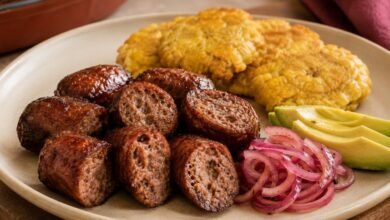
What to Eat with Bolivian Anticuchos: Build a Better Meal

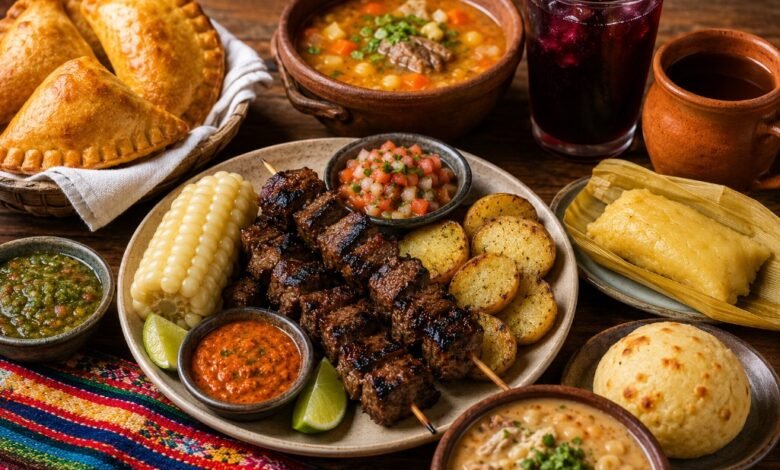
Bolivian anticuchos already arrive with a strong personality: smoky beef heart, dark edges from the grill, chile, sauce and usually enough potato to make you wonder whether ordering three more meat dishes was really the strategic decision you believed it was five minutes earlier.
So when someone asks me what to eat with anticuchos, I do not think in the usual restaurant language of “sides.” I think in contrasts. What would make the next bite softer? Juicier? Cooler? Warmer? Less smoky? More comforting? What introduces another part of Bolivian cooking without making the entire table taste like six versions of grilled beef?
That distinction matters because a good meal is not a collection of famous dishes assembled like celebrity guests at an awards show. Every plate does not need to be shouting at the same time.
If anticucho is the reason I came, I let it keep the microphone.
If you still need the anticuchos themselves, start with my Best Anticucho Boliviano Near Me guide for current places and state-by-state leads in the United States.
What goes best with Bolivian anticuchos?
The best foods to eat with Bolivian anticuchos are potatoes or yuca, llajua, a juicy salteña, a softer corn-based dish such as huminta, soup such as sopa de maní or chairo, and a refreshing Bolivian drink such as mocochinchi.
You do not need all of those at once. In fact, please don’t. The most satisfying meal usually combines the grilled heart with one soft or juicy dish, one starch or vegetable element and something refreshing to drink.
The point is balance. Heart is lean and firm. Char is intense. Chile can be hot. Peanut sauce can be rich. The rest of the table should give those characteristics somewhere to go instead of simply stacking more intensity on top.
My four-part anticucho dinner formula
Anticuchos supply smoke, browned beef, firm texture and concentrated savory flavor.
Potato, yuca, corn or soup changes the texture and gives your palate somewhere quieter to land.
Llajua, chile, acidity or a fresh accompaniment keeps beef and starch from becoming heavy.
Something refreshing or gently sweet resets the mouth after smoke, salt and chile.
That is already enough to make dinner coherent. Anything else should earn its place by bringing a genuinely new experience.
This is the same rule I use with clothes, incidentally. If the coat is dramatic, the earrings do not also need their own press conference.
First, do not underestimate the potato already on the plate
Potatoes are probably the least glamorous answer and one of the most correct ones. In La Paz-style anticucho, cooked potato belongs naturally beside the heart because it solves several problems at once.
The meat is lean and firm; potato is soft. The grill is smoky; potato is mild. Llajua is spicy and potentially rich; potato absorbs it beautifully. The heart demands chewing; potato gives your mouth a brief administrative holiday.
I would not eat all the anticucho first and save the potato for the depressing final minutes of dinner. Alternate. Heart, sauce, potato. Heart, potato, more sauce. The plate has a rhythm for a reason.
The simplest good anticucho meal already exists on one plate: grilled heart + potato + llajua. Everything else is an addition, not a rescue mission.
Yuca works for the same reason, but feels completely different
Some La Paz preparation guidance includes cooked white yuca as well as potatoes. Yuca brings another quiet starch, but its texture is denser, drier and slightly more fibrous than potato.
That can be particularly pleasant with a generous sauce because yuca is extremely good at accepting whatever you put near it. It has the culinary confidence of a white shirt: nearly everything interesting happens because of what you pair with it.
If a restaurant gives you both potato and yuca, I would absolutely use the opportunity to compare them with the same llajua. One sauce, two starches, surprisingly different bites.
Salteña is my favorite “we came hungry” addition
If anticucho gives you grilled, lean and smoky, salteña goes almost comically far in the opposite direction. A good salteña is baked pastry wrapped around a juicy filling of meat, potato, chile, seasonings and other ingredients. You bite into something enclosed, soft and almost soup-like after eating meat directly from a skewer.
This is why I would choose it before ordering a second grilled appetizer. Dinner suddenly has contrast.
Salteñas are also wonderfully shareable if you are exploring Bolivian food with somebody new. Split one before the anticuchos arrive, or order different fillings and turn the beginning of the meal into a small tasting.
The only tactical issue is juice. A salteña contains considerably more liquid than its innocent pastry exterior suggests. I would lean slightly forward while eating one unless the shirt I am wearing has already been designated as collateral damage.
Why salteña works
Juicy filling against dry grill heat, soft pastry against firm heart, and another chile-and-potato expression without repeating anticucho itself.
When I would skip it
If the plan already includes soup and a large main, adding salteñas can push the meal from “generous” into the early stages of catering.
Soup may be the smartest pairing nobody thinks of first
Anticucho and soup sound as though they belong to different weather forecasts, which is precisely why I like them together.
One is concentrated and grilled. The other is warm, spoonable and slow. If it is cold outside, that contrast becomes especially satisfying.
Sopa de maní
Peanut soup creates a small echo with peanut llajua without repeating its form. Instead of a concentrated spicy sauce clinging to heart, you get warmth, broth, vegetables and a much softer expression of peanut.
I would choose it when anticuchos are being shared as an appetizer rather than treated as the entire meal. A small bowl followed by skewers feels deliberate. A giant bowl plus anticuchos plus three mains feels like you accidentally invited a football team.
Chairo
Chairo takes the meal somewhere earthier. The paceño soup traditionally includes chuño along with meat, potato, grains or corn-related ingredients, vegetables and seasoning. It gives you a much broader sense of highland cooking than simply ordering another beef dish.
Texture is the attraction here. You move from concentrated grilled heart into a soup filled with starches and vegetables, then back to the skewer. Dinner feels like a landscape instead of a theme.
Huminta gives the table a softer corn mood
If you see huminta on the menu, it can be an excellent bridge between anticucho and the rest of a Bolivian meal. Huminta is built around ground fresh corn, producing something soft, gently sweet and substantially calmer than charred beef heart.
I particularly like corn beside chile because sweetness does not eliminate heat; it changes its shape. After a spicy bite of llajua, a corn-based dish can make the palate feel as though someone opened a window.
This is the pairing I would choose for someone who enjoys anticucho but does not want every plate at the table to involve another animal.
And visually, golden corn beside dark grilled heart is considerably prettier than a table containing five shades of brown meat, which is not the most important culinary concern but is not nothing either.
Cuñape is the little bread-like detour I would happily take
If a restaurant has cuñape, the yuca-and-cheese combination introduces yet another useful texture: chewy, cheesy and compact. It is not something I need with every anticucho meal, but it makes sense when several people are sharing snacks rather than ordering formal courses.
Cheese and starch also calm chile beautifully. The danger is that cuñape disappears from a table at suspicious speed and suddenly nobody remembers who ordered only one.
For two people, anticuchos plus cuñape plus another large dish can already be plenty depending on portion size. I say this as someone who routinely believes appetizers occupy a different section of the human stomach.
Plato paceño changes the dinner from “anticucho night” to “La Paz night”
If I wanted the table to tell a broader paceño story, this is one of the directions I would take.
Plato paceño brings together ingredients associated strongly with the city: choclo, broad beans, potato and cheese, with beef appearing in modern versions and llajua accompanying the plate. It gives you something very different from anticucho despite sharing a few ingredients.
The heart is grilled and concentrated. Plato paceño is broad, rustic and ingredient-driven. Choclo gives sweetness and dense corn texture; habas bring something greener; cheese adds richness; potato provides the familiar Andean starch connection.
If two people are eating, I would probably share one larger plato paceño rather than ordering a full one each after anticuchos. Your ambition at the menu stage should not become your digestive problem two hours later.
If you want another main, choose one that changes the conversation
This is where I become selective. An anticucho dinner can become exhausting if every additional plate is another mountain of beef, potatoes and chile arranged in a slightly different geometry.
I want the second major dish to reveal something new.
Silpancho if you want another beef texture
Silpancho works when the table genuinely wants a large main. Flattened or breaded beef, rice, potatoes, egg and fresh topping create a completely different textural world from heart on a skewer.
I would share it after anticuchos rather than automatically ordering one per person. This is less about culinary purity than possessing a realistic understanding of plate dimensions.
Falso conejo for sauce rather than smoke
Falso conejo takes beef away from the grill and toward a saucier preparation. That can be useful if you want to stay with meat while changing cooking method and moisture.
Pique macho only if everyone arrived seriously hungry
Pique macho is not the shy friend invited to balance the table. It is usually substantial, meaty and assertive. Ordering it after anticuchos makes sense for a group; for one person, it suggests extraordinary confidence.
Charque if texture exploration is the point
Dried meat gives you another historic way of handling beef entirely. If anticucho demonstrates what direct fire does to heart, charque shows how preservation changes meat in another direction.
And yes, more llajua — but taste it before declaring allegiance
Llajua belongs so naturally at a Bolivian table that I would always ask about it if none appeared. But sauces vary tremendously, and the sauce beside anticuchos may not behave exactly like the fresh table llajua served with another dish.
The paceño anticucho reference includes a cooked peanut-and-red-aj í sauce. Elsewhere, llajua may be fresher, greener, redder, thinner, hotter or built from different chiles and herbs.
That variety is an advantage. Put two sauces next to the same piece of grilled heart and suddenly you have a small lesson in how much condiment can control perception.
I would still reserve the first piece of anticucho for minimal sauce. After that, I support experimentation with the moral looseness of a person who has already decided dinner is going well.
What to drink with anticuchos
Drink pairing becomes fairly simple once you stop trying to impress anybody. You need something that works with smoke, salt, chile and potentially a rich peanut sauce.
Mocochinchi
This is probably the drink I would be happiest to see on a Bolivian menu. Made from dried peach with water, sugar and cinnamon, it brings fruit and sweetness without competing with the grilled meat.
Chicha morada
A purple-corn drink with warming spice and fruit can make a refreshing contrast to chile and charcoal. It belongs to a broader Andean world shared by Bolivia and Peru, so I would treat it as a regional rather than exclusively national pairing.
Cold beer
No genealogy required. Cold, lightly bitter beer and grilled salty meat have understood one another for an impressively long time. It also works when llajua begins making more confident decisions than you expected.
Would I drink api with anticuchos?
Not as my default pairing. Api is a traditional hot purple-corn drink and is more closely associated with breakfast or morning food. It is wonderful, but putting a steaming sweet drink beside smoky heart and chile is a very specific mood.
If you want to explore Bolivian flavors across the day, absolutely try it. If you just want the easiest dinner pairing, I would choose mocochinchi first.
What about salad?
A crisp acidic salad can work beautifully even if it is not the first traditional accompaniment that comes to mind. Raw onion, tomato, herbs or lightly dressed vegetables give the table freshness that grilled heart and peanut sauce do not naturally provide.
I would favor acidity over creaminess. The anticucho already has enough potential richness from sauce. What I want from a salad is brightness, crunch and maybe enough onion to ensure everybody at dinner has made the same commitment.
This is especially useful when your restaurant order already includes potatoes or another starch. You do not need to keep solving every culinary problem with carbohydrates, despite their admirable track record.
What I would not pile beside anticuchos
This is personal menu strategy rather than culinary law, but I think anticuchos suffer when the table becomes too repetitive.
Three more grilled meat dishes
Unless you are feeding a group, this makes every bite increasingly difficult to distinguish. Smoke is wonderful; an entire table where everything tastes like smoke eventually becomes a barbecue scented spreadsheet.
Too many potato-heavy dishes
Bolivian cuisine gives you many excellent reasons to eat potatoes, but if anticuchos already have them and your main has another large portion, consider introducing corn, soup, vegetables or pastry instead of collecting starches competitively.
Every spicy sauce at maximum volume
Chile is not the enemy. Lack of contrast is. If every plate is covered heavily with the hottest sauce available, you stop tasting differences between dishes and begin tasting your own confidence collapsing.
A giant main for every person after several appetizers
This is the most common menu optimism problem. Share first. Order more later. Restaurants generally remain willing to sell you additional food after your initial order; there is no need to secure the entire menu against future scarcity.
For a group, anticuchos are the ideal opening move
Skewers are naturally social food. One order can give several curious people a first bite without requiring every person to commit to a full portion of beef heart before knowing whether they enjoy the texture.
I would put anticuchos near the beginning of a shared dinner, after or beside small pastries, then let larger dishes arrive once everyone has opinions.
This also makes the conversation more interesting because people taste the same heart with different amounts of llajua. One person becomes devoted to peanut sauce immediately. Another wants the meat almost naked. Someone else has abandoned the heart entirely and is quietly eating all the potatoes.
Every table eventually reveals character.
For a first date, I have one warning about salteñas
I am putting this here because food advice should occasionally protect clothing.
Salteñas are juicy. Very juicy. If you pair one with anticuchos, eat it leaning slightly forward and do not squeeze the pastry as though it owes you money.
Otherwise, I actually think the combination is an excellent date order: small things to share, enough unfamiliar food to create conversation and considerably less ceremonial pressure than two enormous individual mains.
Anticucho itself is easy. The skewer may require a little grace, but at least it is honest about being dangerous. Salteña waits until you trust it.
If someone at the table will not eat beef heart
This does not need to become a referendum on adventurousness.
Order the anticuchos for whoever wants them and build the rest of the table around dishes everybody can share. Huminta, cuñape, soup, plato paceño depending on its preparation, salteñas in the preferred filling and other restaurant-specific options can keep one person’s hesitation from dictating the entire dinner.
And if the nervous diner wants to try one piece later, excellent. Anticucho is actually an approachable first encounter with offal because heart tastes much more like concentrated beef than liver.
If that is the main concern, send them to my What Does Bolivian Anticucho Taste Like? guide before somebody at the table gives a dramatic and scientifically useless description.
How I would pace the meal
I prefer anticuchos early enough that they are eaten hot. This matters more than a formal appetizer-main-dessert sequence because beef heart is lean and becomes noticeably firmer as it cools.
So if I am controlling the order, salteñas can arrive first or together with the skewers. Anticuchos are eaten immediately. Soup can arrive before or after depending on the restaurant. Large shared mains come once the grill plate has mostly disappeared.
I would not let anticuchos sit untouched while everybody photographs six other dishes. There is a small window in which char is crisp, the center is warm and the sauce has not soaked every surface.
The camera will forgive you. Beef heart is less patient.
The best pairing may still be the simplest one
After all these possibilities, I should defend the minimalist table.
A really good anticucho does not require a supporting cast of famous Bolivian dishes to prove its cultural importance. Properly grilled heart, warm potato, excellent llajua and a cold drink can be a complete and deeply satisfying small meal.
If the heart has dark char, the inside is still juicy, the sauce gives heat and richness and the potato has absorbed just enough of it, ordering more simply because the menu contains more would be missing the point.
Good food sometimes creates appetite. Great food occasionally creates contentment.
If you only remember five pairings, make them these
Those five choices cover the basic flavor problem elegantly: smoke needs softness, lean meat likes richness, chile appreciates sweetness and acidity, and a table full of meat desperately benefits from somebody inviting corn.
And if this is your very first Bolivian meal…
I would not try to maximize the number of dishes. I would maximize the number of different experiences.
Start with a salteña. Eat anticuchos while they are hot, first with minimal sauce and then with llajua. Use the potatoes rather than abandoning them. Share one larger dish that does not merely repeat the skewers. Drink something distinctly Bolivian if the restaurant offers it.
That meal already tells you about pastry, chile, grilled heart, potatoes, sauce, starch, street-food logic and the remarkable Bolivian talent for making supposedly humble ingredients behave like the most desirable things on the table.
For the actual mechanics of the skewer and sauce, see How to Eat Bolivian Anticuchos. And if you want to understand why a Peruvian anticucho plate can look similar while tasting quite different, I unpack that in Bolivian Anticucho vs Peruvian Anticucho.
The dinner I would choose
Give me one salteña to split while we wait, anticuchos hot from the grill with potato and enough peanut llajua to make the sauce an actual participant, not decoration. Then one shared dish — probably plato paceño if I want the evening to stay close to La Paz, or sopa de maní if the weather is being rude.
Add mocochinchi if the restaurant has it.
That is enough variety to make dinner feel like discovery without transforming the table into a culinary census.
And importantly, the anticucho remains memorable. Because if you built the evening around finding a good beef-heart skewer and then ordered eleven things that made you forget it, we may have misunderstood the assignment.
What do you eat with anticuchos at home?
I am especially interested in the combinations that never appear in generic restaurant guides. If your family serves anticuchos with a particular potato, yuca, salad, llajua, drink or side that you consider essential, tell me where the tradition comes from and how you eat it.
If you know a Bolivian restaurant in the United States doing a particularly good full anticucho meal rather than simply selling the skewers alone, send me the restaurant name, city and a current menu or plate photo if you have one.
Email: info@dianaisabela.com
The best food guides improve when real tables argue with them.
What should I eat with Bolivian anticuchos?
Good pairings include potatoes or yuca, llajua, salteñas, huminta, sopa de maní, chairo and a refreshing drink such as mocochinchi. You do not need all of them at once; choose foods that add softer textures and contrast to the smoky grilled beef heart.
Why are potatoes served with Bolivian anticuchos?
Potatoes provide a soft, mild starch that balances the firm beef heart, smoke and chile. They also absorb llajua particularly well, making them a functional part of the plate rather than simple garnish.
Do Bolivian anticuchos come with yuca?
Some La Paz-style preparation guidance includes cooked white yuca alongside potatoes. Restaurant presentations vary, so a plate may include potato, yuca, both or another accompaniment.
Are salteñas good with anticuchos?
Yes. Salteñas provide a juicy baked pastry contrast to the lean, smoky and firm texture of grilled beef-heart anticuchos. They work especially well when several people are sharing a Bolivian meal.
What soup goes well with anticuchos?
Sopa de maní and chairo are useful choices because their warm, spoonable textures contrast with charcoal-grilled heart. Exact availability depends on the restaurant.
What drink goes with Bolivian anticuchos?
Mocochinchi is a particularly useful Bolivian pairing because its dried-peach sweetness and cinnamon can contrast with smoke and chile. Chicha morada, cold beer and water can also work well depending on the meal.
Can I eat huminta with anticuchos?
Yes. Huminta offers a soft corn-based texture and gentle sweetness that can balance smoky beef heart and spicy llajua, making it useful when you want a non-meat contrast on the table.
What should I order for my first Bolivian meal?
A practical first meal is a salteña to start, an order of anticuchos with potato and llajua, and one larger Bolivian dish to share. Add a traditional drink such as mocochinchi if available.
Should anticuchos be an appetizer or a main dish?
They can work as either. A small order is easy to share as an appetizer, while a larger serving with potatoes, sauce and additional sides can form a satisfying meal. Portion sizes vary by restaurant.
What should I avoid ordering with anticuchos?
There is no forbidden pairing, but too many additional grilled meat dishes or several heavy potato-based plates can make the meal repetitive. Softer, fresher or juicier dishes usually create more useful contrast.