Museum Wedding Guest Dresses: What to Wear Without Looking Like Part of the Exhibit

A museum wedding invitation changes the outfit conversation immediately.
You are not dressing for a meadow, a beach or a ballroom designed to make every guest feel slightly royal. You may be walking through a marble atrium, drinking champagne beneath a suspended sculpture, eating dinner beside modern paintings or moving between galleries where the lighting was designed for art rather than photographs of your dress.
The venue already has visual authority.
Your outfit does not need to compete with it.
That does not mean arriving in something timid, beige and apologetic. Museum weddings can carry some of the most beautiful guest style because the surroundings reward clean silhouettes, intelligent color, interesting texture and details that look deliberate from every angle.
The challenge is balance.
You want to look special enough for the ceremony, polished enough for the architecture and comfortable enough to walk across stone floors without developing a personal grievance against your shoes before dinner.
A museum wedding guest dress should feel considered rather than costume-like. The most successful outfits borrow the venue’s sense of editing: one strong color, one sculptural shape, one intriguing detail—then restraint everywhere else.
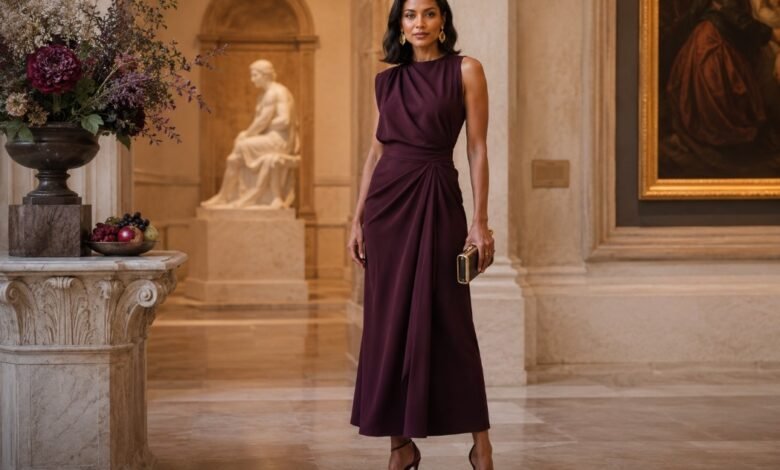
For a museum wedding, choose a polished dress or jumpsuit with a clean silhouette, refined fabric and enough movement for walking through galleries. Midi and full-length styles usually work beautifully. Avoid bridal whites, unstable stilettos, noisy accessories and outfits so theatrical that they appear to have escaped from an installation.
The building gives you more useful information than the word “museum”
Not all museum weddings have the same atmosphere.
A ceremony in a historic European-style gallery may involve gilded frames, classical columns, painted ceilings and formal dining rooms. A contemporary art museum may be bright, architectural and almost severe. A natural history museum might hold the reception beneath enormous fossils. A botanical museum or sculpture garden may move guests partly outdoors.
Before choosing an outfit, look at the venue website and the couple’s invitation.
Do not search only for wedding photographs. Look at the actual building.
What color are the floors? Are there large stairs? Is the architecture ornate or modern? Will guests move between indoor and outdoor spaces? Is dinner seated in one room or spread across several galleries?
The venue does not dictate your exact dress. It tells you how much visual weight the outfit can carry.
Think graceful, polished and slightly romantic
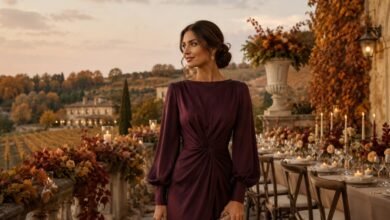
A fluid satin midi, softly structured column dress, velvet evening dress or elegant long-sleeve silhouette works naturally beside traditional architecture. Rich colors such as burgundy, dark green, ink blue and bronze feel luxurious without copying the décor.
Let the cut do more work than the decoration
Asymmetric necklines, clean draping, a sharp jumpsuit, an architectural midi or a minimalist dress in one strong color can look exceptional. Avoid adding experimental shoes, dramatic jewelry and a complicated bag all at once. The outfit needs one concept, not a full retrospective.
Elegant evening style can carry a little drama
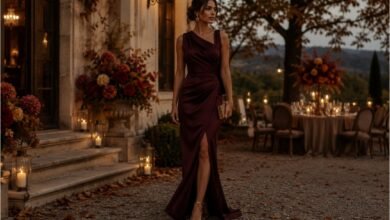
Deep colors, metallic details and longer silhouettes photograph beautifully beneath high ceilings and monumental displays. The surroundings are dramatic enough that a simple shape will not look boring.
Movement and shoes become part of the dress code
Choose breathable fabric, a hem that will not collect grass or dust and heels that can handle outdoor paths. A colorful midi, softly tailored jumpsuit or fluid maxi with block heels can bridge the gallery and the garden.
A museum does not automatically turn cocktail attire into black tie
The venue may look impressive, but the invitation remains the authority.
If the couple writes cocktail attire, you do not need a floor-length gown simply because the reception takes place beside Renaissance paintings. If the invitation says black tie optional, a casual floral sundress does not become formal because you added gold earrings.
Use the museum to refine the dress code—not replace it.
When the invitation wording feels confusing, the broader wedding guest dress etiquette guide can help you separate venue mood from actual dress-code expectations.
The best silhouette looks interesting while standing still
Museum weddings involve pauses.
You may stand during a gallery cocktail hour, wait on a staircase, listen to speeches beside an installation or appear in photographs where the background contains more straight architectural lines than a normal reception venue.
This is why clean silhouettes work so well.
The column dress
A softly fitted column follows the body without requiring a huge skirt. It looks elegant near sculpture and architecture because the line is uninterrupted. Choose enough room for sitting and walking; “column” should not mean “beautifully wrapped hostage.”
The asymmetric midi
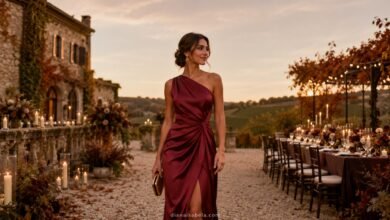
A one-shoulder neckline, folded drape or angled hem creates visual interest without needing heavy embellishment. Keep the shoes and jewelry calmer so the cut remains the focus.
The fluid long-sleeve dress
Especially useful for evening, colder seasons or conservative venues. A defined waist and moving skirt prevent long sleeves from feeling severe.
The sculptural A-line
A fuller midi with a crisp but not bridal fabric can look excellent in a modern gallery. Watch the volume. A museum wedding is not the moment for a white tea-length dress with enough structure to suggest an alternate ceremony.
The evening jumpsuit
A beautifully cut jumpsuit can be one of the strongest museum-wedding choices. Look for clean shoulders, a defined waist and trousers long enough to feel elegant but not so long that you polish the gallery floor yourself.
The slip dress with deliberate styling
A slip dress works when the fabric has enough weight and the rest of the outfit feels finished. Add a refined layer, intentional jewelry and shoes that move it away from lingerie or beachwear.
For more complete combinations beyond dresses, the wedding guest outfit ideas edit includes jumpsuits, separates and dress styling directions.
Gallery lighting is honest about fabric
Museums often use controlled indoor light: spotlights, uplighting, large windows, reflective stone or dim gallery rooms. These conditions can make good fabric look beautiful and cheap shine look unexpectedly aggressive.
Texture matters more than the price tag.
| Fabric | Why it works | What to check before wearing it |
|---|---|---|
| Crepe | Creates a smooth, refined line without excessive shine | Check that the fabric is substantial enough not to reveal every seam or undergarment edge |
| Satin | Reflects gallery light beautifully and feels appropriately celebratory | Steam carefully and test it under direct light because wrinkles and pulling become visible |
| Velvet | Looks rich in historic interiors and evening lighting | Best for cooler weather; make sure the silhouette is not overly heavy |
| Chiffon | Adds movement and softness to architectural surroundings | Choose a quality lining and avoid overly bridal pastel layers |
| Jacquard | Provides quiet texture without relying on sequins | Watch stiffness and volume, especially in lighter colors |
| Fine knit | Can work for an elegant minimalist midi or cool-season wedding | Check cling, undergarment lines and whether the fabric stretches while sitting |
| Sequins | Can suit evening and black-tie celebrations | Keep the shape clean and avoid competing statement accessories |
The fabric should look good from across the room and remain comfortable at the dinner table.
A dress that photographs beautifully but scratches your arms, traps heat or requires hourly adjustment is not secretly couture. It is an administrative burden.
Borrow the museum’s confidence, not its entire color palette
Museum spaces often contain stone, brass, wood, dramatic dark walls or expanses of white. Almost any thoughtful color can work, but some shades feel especially natural in these settings.
Oxblood and burgundy
Rich enough for evening, elegant near traditional art and easy to style with gold, bronze or dark accessories.
Bronze and deep caramel
Warm metallic or earthy tones look sophisticated under indoor lighting without becoming bridal champagne.
Forest and olive green
Strong against stone interiors and especially beautiful for fall, winter or botanical museum settings.
Dusty rose and clay
Romantic without feeling sugary, particularly in crepe, chiffon or satin.
Ink blue and midnight
A softer alternative to black that still feels polished for formal evening events.
Plum and muted violet
Artistic without looking themed, especially in velvet or softly draped fabric.
Black can work beautifully at a museum wedding, particularly for cocktail, formal or evening dress codes. Give it dimension through texture, an interesting neckline, metallic accessories or a rich lip color.
White, ivory and very pale cream remain risky because the building does not cancel normal wedding etiquette. A dramatic minimalist white dress may look extraordinary beside modern art—and still look bridal.
Neon is not automatically forbidden, but it becomes a major visual event inside a controlled gallery setting. Wear it only when the dress code, couple and personal style genuinely support that level of attention.
Your dress does not need to coordinate with the collection
A common styling trap is treating the museum theme too literally.
You do not need an abstract-print dress for a modern art museum. You do not need Grecian draping because the venue owns marble statues. You do not need stars, moons and galaxy sequins because dinner is beneath a planetarium dome.
A small reference can be charming.
A full costume concept is less reliable.
The venue should influence the level of polish and the mood of the outfit. It should not turn you into a walking gift-shop interpretation of the exhibition.
For an old-master gallery, a velvet dress or jewel tone may echo the richness of the space without copying it. For a contemporary museum, one asymmetric element can feel architectural. For a sculpture garden, a dress with movement may respond beautifully to the outdoor setting.
The connection should feel intuitive, not explained.
The floor may be more important than the dress
Museum floors are often marble, polished concrete, stone, wood or tile.
They are beautiful.
They are also unforgiving.
Very thin stilettos can feel unstable, create sharp noise and become painful during gallery movement. High platforms can look stylish but turn a grand staircase into an unwanted athletic challenge.
Block heels
One of the safest choices. They distribute weight, remain polished and handle longer periods of standing more comfortably.
Low sculptural heels
A curved or geometric heel can add interest to a simple dress without requiring extreme height.
Slingback pumps
Elegant and gallery-appropriate, especially with midi or column dresses. Make sure the strap stays in place while walking.
Refined flats
Pointed flats, embellished flats or sleek loafers can work for cocktail and dressy-casual museum weddings. The key is polish—not whether the sole is technically flat.
Dressy sandals
Suitable for warm weather, sculpture gardens and less formal events. Choose secure straps and avoid anything that resembles a pool shoe.
More detailed footwear decisions are covered in the wedding guest shoes and accessories guide.
Your bag should not need its own display pedestal
Museum weddings reward compact accessories because you may move between rooms, hold a drink and stand during the ceremony or cocktail hour.
A small top-handle bag, structured clutch, soft evening pouch or shoulder bag with a short strap usually works best.
Choose enough room for a phone, lipstick, cards, tissues and any practical essentials. A decorative object that holds only one key and an optimistic attitude is not automatically useful.
Jewelry should respond to the neckline
A clean one-shoulder dress may need only strong earrings. A high neckline may work better with a cuff or ring. A simple column dress can carry a more sculptural necklace if the neckline leaves space.
Metal does not need to match every object in the building
Gold feels warm and elegant. Silver works beautifully with cool modern colors. Mixed metals can look intentional when the pieces share a similar level of refinement.
Hair accessories need restraint
A sleek barrette, small comb or subtle ribbon can finish the look. Avoid anything resembling a veil, tiara or museum security concern.
For a more complete breakdown of finishing details, see the wedding guest accessories edit.
The galleries may be colder than the weather forecast
Climate control protects art, not bare shoulders.
A museum may feel cool even during a warm-weather wedding, especially after sunset or in rooms designed to preserve collections.
Bring a layer that looks like part of the outfit rather than an emergency item grabbed from the car.
A cropped evening jacket
Works well over fit-and-flare, column and midi dresses without hiding the waist.
A tailored longline blazer
Excellent with slip dresses and jumpsuits. The shoulder should complement the outfit rather than create officewear stiffness.
A refined wrap or stole
Easy to carry and useful during the ceremony or dinner. Choose a fabric with enough weight to stay in place.
A soft cardigan with a polished finish
Suitable for dressy-casual and some cocktail weddings, especially when the knit is fine and the buttons or cut feel intentional.
A velvet or brocade coat
Beautiful for winter or historic museum settings. Make sure the outerwear does not overwhelm the dress beneath it.
The layer must also work when you are holding it. A huge coat draped over one arm for four hours becomes part of every photograph whether you planned it or not.
Do the gallery test before trusting the fitting-room mirror
Museum weddings involve more movement than many guests expect.
You may walk from ceremony to cocktail hour, climb stairs, tour an exhibition, stand during speeches and cross multiple rooms before reaching dinner.
Listen to the shoes, check stability and notice whether the dress twists or the hem catches.
Make sure you can lift the hem safely while carrying a small bag.
Check waist comfort, fabric pulling, neckline movement and whether the skirt requires constant arrangement.
This reveals tight sleeves, shifting straps and dramatic cutouts with their own plans.
The jacket must fit over the actual sleeve and neckline, not only look good beside the dress on the bed.
A museum-worthy outfit should survive the museum.
Controlled lighting can make one detail dominate the whole photograph
Gallery photographs often include pale walls, dark rooms, spotlights, reflective floors or dramatic architectural backgrounds.
Before the wedding, photograph the outfit in several lighting conditions.
Use daylight, indoor overhead light and camera flash.
Satin may look smooth in one light and heavily wrinkled in another. Sheer panels can become more visible with flash. A very dark dress may lose all detail unless the fabric has texture. Pale colors can move closer to bridal white in bright galleries.
Check the back
Museum wedding photographs often capture guests walking through rooms or standing near artwork. Make sure bra straps, closures and undergarment lines remain intentional from behind.
Check the silhouette at a distance
The dress should still read clearly when the photograph includes a large wall, staircase or artwork.
Do not touch the artwork for the photo
This is not technically outfit advice, but it deserves inclusion. No dress becomes more elegant while a security guard is walking rapidly toward it.
The outfit goes wrong when the concept becomes louder than the wedding
Museum venues can tempt guests into overthinking.
You start with “elegant dress” and somehow end with architectural shoes, sculptural earrings, a metallic clutch, abstract eyeliner and a cape because the building has columns.
Edit.
Too bridal: white column dresses, ivory jacquard, pale champagne satin, bridal-style bows and structured tea-length silhouettes can look especially wedding-coded in grand interiors.
Too theatrical: giant sculptural volume, costume references and extreme avant-garde styling may suit a fashion event better than someone else’s ceremony.
Too casual: jersey day dresses, beach sandals, denim jackets and everyday tote bags can feel unfinished against a polished venue.
Too noisy: stacked bangles, loose metal bags and shoes that announce every step become noticeable in quiet gallery rooms.
Too fragile: unstable heels, dragging hems and delicate fabric that catches on every chair create practical problems throughout the evening.
The strongest outfit usually has one memorable quality.
Maybe it is the color. Maybe it is the neckline. Maybe it is a beautifully cut sleeve or an exceptional pair of earrings.
Once that quality is clear, the rest of the outfit should support it.
Museum style does not belong to one age or one aesthetic
A venue this elegant can support many personal styles.
For minimalist style
Choose a column midi, clean jumpsuit or draped dress in one strong shade. Add refined shoes and one sculptural accessory.
For romantic style
Look for soft sleeves, a defined waist, fluid chiffon, muted florals or velvet ribbon details. Keep the shape adult and the palette away from bridal pastels.
For dramatic style
A dark jewel tone, one-shoulder silhouette, cape sleeve or bold earring can carry the look. Do not stack every dramatic element together.
For classic style
A beautifully fitted midi, elegant pump, structured clutch and polished jewelry will look right in nearly any museum setting.
For guests who prefer more coverage
Long sleeves, higher necklines and longer hems can feel especially natural in formal galleries. Use waist definition, drape or rich color to keep the outfit from becoming visually heavy.
For guests who do not wear dresses
A tuxedo-inspired suit, wide-leg jumpsuit or refined trouser-and-top combination can look exceptional. Fabric and fit determine whether the look feels wedding-ready.
You do not need to dress “artsy” simply because the event takes place near art.
Daylight asks for softness; evening can hold more depth
Daytime museum wedding
Choose lighter fabrics, softened colors and details that look graceful in natural light. A rose, sage, blue, rust or floral midi may feel polished without becoming too formal.
Closed-toe flats, low heels and refined sandals can all work depending on the dress code.
Evening museum wedding
Deeper color, richer texture and stronger jewelry become easier to wear. Satin, velvet, crepe, metallic details and longer lengths suit the atmosphere.
A dark dress should still contain visual texture so it does not disappear in dim photographs.
Afternoon ceremony with evening reception
Choose a dress that works in both settings and allow accessories to deepen the look after sunset. A stronger lip, evening bag or jewelry change can shift the mood without requiring a second outfit.
You still have to travel through the real world to reach the gallery
The museum may be climate-controlled, but the entrance, transportation and photographs may not be.
Rain
Avoid trailing hems, suede shoes and fabrics that show every water mark. Bring an umbrella large enough to function but neutral enough not to appear in every arrival photo like a promotional object.
Heat
Choose breathable lining and avoid heavy synthetic fabrics. The gallery may be cool, but the walk from the parking area may not be.
Cold
Plan outerwear as part of the outfit. A beautiful dress under a random puffer coat may be practical, but a polished coat makes the entire arrival feel more intentional.
Wind
Secure wrap dresses, very light skirts and loose scarves before entering an outdoor sculpture area.
A sophisticated venue does not require a one-night dress
Museum wedding style is especially suitable for rewearing because the best pieces are often clean rather than heavily themed.
A satin midi can work later for an anniversary dinner. A jumpsuit can return for a formal work event. A velvet dress can appear at holiday celebrations. A sculptural midi can shift into cocktail territory with different shoes.
Before buying, imagine two future occasions.
Could the dress work without the evening jewelry? Could a different shoe make it less formal? Could a blazer change the mood? Can the hem and fabric survive repeated wear?
A dress becomes expensive when it is worn once—not simply when the price tag is high.
The outfit should belong to the wedding before it belongs to the venue
A museum wedding gives you a beautiful frame.
It offers architecture, history, light, texture and the unusual pleasure of celebrating beside objects people crossed cities or countries to see.
Your outfit can respond to that atmosphere.
It can be cleaner, richer, more sculptural or more thoughtfully colored than something you might wear to a casual venue.
But the dress still serves the same purpose as any good wedding guest outfit.
It should respect the couple, fit the invitation, survive the actual event and allow you to enjoy yourself without constantly checking a strap, hem or shoe.
The museum already contains enough objects that require careful preservation.
Your outfit should not be one of them.
Choose something beautiful enough to remember and comfortable enough to forget once the celebration begins.
For wider inspiration across seasons, venues and dress codes, visit the complete wedding guest dress collection.
Questions guests ask before a museum wedding
What should I wear to a museum wedding?
Choose a polished cocktail, formal or black-tie outfit that matches the invitation. Clean midi dresses, column gowns, elegant jumpsuits and softly structured silhouettes work especially well in museum settings because they complement the architecture without looking theatrical.
Can I wear black to a museum wedding?
Yes. Black looks sophisticated in both historic and modern museums, particularly for evening, cocktail and formal dress codes. Add texture, metallic accessories or an interesting neckline so the outfit does not disappear in dim gallery photographs.
Are high heels practical for a museum wedding?
They can be, but very thin or unstable stilettos may become uncomfortable on marble, tile or polished concrete. Block heels, secure slingbacks, low sculptural heels and refined flats are usually easier for walking through galleries and climbing stairs.
Can I wear an artistic or avant-garde dress?
A museum can support an unusual neckline, sculptural draping or a bold color. The outfit should still respect the wedding dress code and avoid becoming so conceptual that it distracts from the couple. One artistic feature is usually stronger than several competing ones.
What colors work best for a museum wedding guest dress?
Burgundy, forest green, ink blue, plum, bronze, rust, dusty rose and black photograph beautifully in museum interiors. The best shade also depends on the season, time of day and dress code. White, ivory and bridal-looking pale champagne remain risky.
Should I wear a long dress to a museum wedding?
Only when the dress code supports it. Floor-length dresses suit black tie and many formal museum weddings, while cocktail events usually call for a midi, elevated knee-length dress, jumpsuit or sleek ankle-length silhouette.
What kind of bag should I carry?
A compact clutch, small top-handle bag, evening pouch or short-strap shoulder bag is practical. You may be walking between galleries and holding a drink, so choose something light, secure and large enough for genuine essentials.
Will a museum be cold inside?
Many museums maintain cool indoor temperatures to protect collections. Bring a polished jacket, wrap, fine cardigan or blazer that coordinates with the outfit, even when the weather outside is warm.
Can I wear flats to a formal museum wedding?
Yes. Pointed-toe flats, embellished slingback flats or sleek dress loafers can look formal when the material and finish are refined. A floor-length hem can also conceal a lower shoe while making the evening more comfortable.
What should I avoid wearing to a museum wedding?
Avoid bridal whites, unstable shoes, dragging hems, noisy stacked accessories, beach-casual clothing and heavily themed outfits. Also test sheer fabric and satin under camera flash because museum lighting can reveal details that were not obvious at home.