What to Eat With Colombian Sancocho: Rice, Avocado, Ají & the Sides That Actually Work

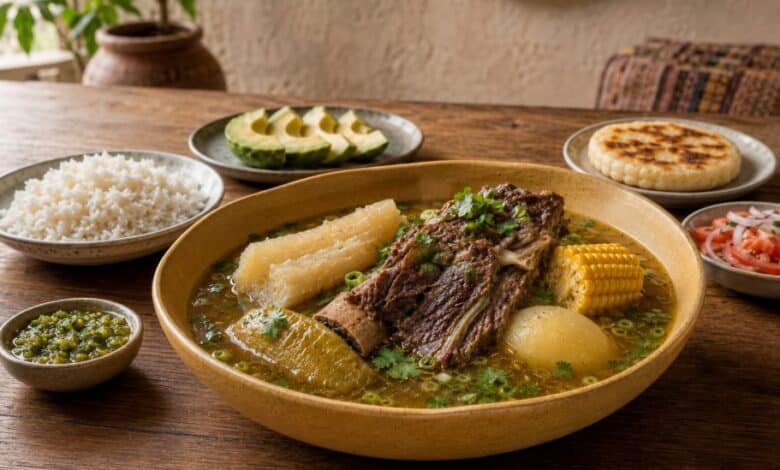
Colombian sancocho has a slightly funny relationship with side dishes because the soup is already doing the work of an entire table. There is meat, broth, yuca, plantain, potato and often corn before you have touched anything sitting beside the bowl. Adding three more starches simply because they are available can turn a beautiful lunch into the culinary equivalent of wearing every piece of jewelry you own at once.
The best accompaniments have jobs. Rice catches the broth. Avocado cools and softens rich meat flavors. Ají brings acidity, herbs and heat. Arepa gives you another texture and another way to carry broth. Something crisp or fresh can reset your palate. Once you think in those terms, building a meal around sancocho becomes much easier.
First, Accept That Sancocho Does Not Need Rescuing
A generous Colombian sancocho can contain more structural complexity than many main courses. Yuca is dense and starchy. Green plantain contributes another kind of starch. Potato may be present too. Corn adds sweetness and texture. Then there is the protein — perhaps beef rib, gallina, oxtail, fish or several meats — plus broth carrying everything that has happened in the pot.
That is why my instinct is subtraction rather than addition. I do not start with “what five sides should I serve?” I start with “what is missing from the experience?”
If you are still getting used to what the individual ingredients contribute, my guide to the flavor of Colombian sancocho explains why yuca, plantain, corn and different meats make the bowl feel so substantial before any sides appear.
Rice Is the Side I Understand Most Instinctively
A spoonful of white rice with hot sancocho broth is one of those combinations that requires very little marketing. Rice has a quiet flavor, so instead of competing with the soup it absorbs it. Suddenly the broth tastes more concentrated because there is less liquid diluting each bite.
The mistake, for me, is dumping the entire mound of rice into the bowl immediately. Sancocho already contains multiple starches. If you add a large amount of rice at once, the broth can disappear into a thick mixture before you have had a chance to appreciate what the cook made.
I prefer to keep the rice beside the soup. Take a little rice, spoon broth over it, eat some rib or gallina, then go back to the bowl. You preserve the contrast between fluffy rice and soft yuca instead of making them compete for the same square inch of spoon.
Avocado Is the Quiet Genius Beside a Hot Bowl
Avocado works because it does almost the opposite of sancocho. The soup is hot; avocado is cool. The broth can be salty and meaty; avocado is mild. Beef rib can be collagen-rich; avocado gives you creamy richness without tasting like more meat.
That contrast becomes especially useful with costilla and oxtail. A bite of hot beef followed by cool avocado resets your mouth without introducing an aggressive flavor. Lemon can brighten a dish. Ají can wake it up. Avocado simply gives it breathing room.
I also like that avocado does not need to be manipulated into a sauce. A few ripe slices are enough. No towers, no decorative fan that requires a geometry degree, no microgreens standing on top like they were invited by mistake.
With gallina, avocado has a slightly different role. Mature hen is less fatty than a collagen-rich beef cut, so avocado contributes more of the creamy part of the meal instead of merely balancing it.
Ají Is Where the Meal Can Suddenly Change Direction
Good ají can bring chile heat, acidity, herbs and freshness in one small spoonful. That makes it incredibly effective with sancocho — and incredibly capable of taking over the bowl if you use it like soup.
I always taste the broth first. Not because I am performing a ceremony, but because once you add something acidic and spicy you cannot reverse the decision. A well-made beef or gallina broth deserves at least one unedited spoonful.
Then I add ají gradually. A little beside the meat can make a rib taste brighter. A small amount with yuca wakes up a very mild starch. With rice, it can turn the side dish into something much more vivid.
The pleasure is control. Everybody at the table can decide whether they want the sancocho gentle, bright or properly lively.
Arepa Works Best When You Treat It as Bread, Not Another Main Character
An arepa beside sancocho makes perfect sense. Corn has a natural relationship with the dish already, and a relatively plain arepa gives you something warm and sturdy to dip, tear or eat between spoonfuls.
But this is where abundance can become slightly ridiculous. If your sancocho already contains yuca, potato, plantain and corn, and you have rice on the side, a large cheese-heavy arepa can take the meal from “comforting” to “I will be horizontal until Thursday.”
A small simple arepa is my preference. It carries broth beautifully and does not compete with the protein.
Regional context matters too. Arepas have enormous importance in Colombian food culture, but not every Colombian table serves the same arepa or the same sides with every sancocho. The country’s cuisines are too regional for that kind of universal rule.
Sometimes the Best Side Is the One With No Starch at All
If the bowl is especially rich, I start craving crunch, acidity or cold vegetables long before I start craving another carbohydrate.
A simple tomato and onion salad
This works beautifully when it stays simple. Fresh tomato, thin onion and a little acidity give the meal juiciness and sharpness without becoming a competing entrée.
I would keep the dressing restrained. Sancocho is not improved by a side salad dripping in sweet bottled vinaigrette.
Something lightly pickled
A small portion of pickled onion or another tart vegetable can be wonderful beside fatty beef. The point is a few crisp acidic bites, not covering the table with a pickle buffet.
This is particularly nice with costilla or oxtail, where acidity can make the next spoonful of broth feel fresh again.
Even a squeeze of lime, where it belongs with the particular regional style or restaurant presentation, can change the experience. Citrus lifts richness quickly. It can also flatten nuance if half a lime goes into a carefully seasoned bowl, so I treat it the same way as ají: taste first, adjust second.
What About Patacones?
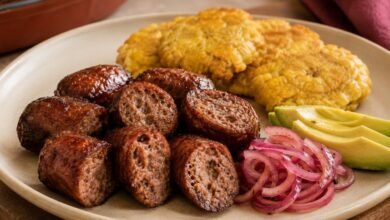
Patacones are delicious. That is not in dispute. The question is whether this particular meal needs them.
Fried green plantain gives you crunch and salt, which can be a fantastic contrast against soup. But sancocho may already contain green plantain inside the broth. Serving patacones beside it creates an interesting comparison — same ingredient, completely different texture — but it also increases the overall weight of the meal.
I would choose patacones when sancocho is part of a long shared lunch and several people are picking from the table. For one person eating a large bowl with rice and avocado, I would rarely add them unless I had skipped breakfast and made decisions accordingly.
The Protein Should Decide What Happens Beside the Bowl
This is the most useful way I know to stop a sancocho table from becoming random. Think about what the protein contributes, then add the thing it lacks.
If you are choosing between the two versions diners encounter most often, my gallina versus beef sancocho comparison explains why the same side can behave differently beside poultry and rib.
A Complete Sancocho Dinner Does Not Need a Second Heavy Main
This may be controversial in families where feeding someone means proving that six courses exist, but I would not routinely follow a full bowl of sancocho with another large meat entrée.
If the sancocho is a smaller first course, that is different. Restaurants sometimes serve soup as part of a larger lunch, and portions can vary enormously. But when the bowl contains a substantial rib, several pieces of yuca, plantain, potato, corn and rice on the side, the argument that you “still need protein” has become philosophical rather than nutritional.
For a home dinner, I would rather use the space around sancocho for contrast: avocado, salad, ají, perhaps arepa. If people remain hungry, there can always be more rice or more soup. The pot is literally right there.
How I Build the Order at a Colombian Restaurant
A restaurant menu can make this more confusing than cooking at home because everything sounds tempting at once. Empanadas! Chicharrón! Chorizo! Patacones! Arepas! Suddenly the table has become a Colombian tasting festival and the sancocho arrives wondering why nobody saved it a chair.
My ordering logic is much calmer.
Find out what comes with the sancocho
If rice and avocado are already included, I do not order separate versions automatically. If the bowl is sold alone, I decide what it needs.
Choose one texture the bowl does not have
This might be cool avocado, crisp salad, arepa or a small fried element. One contrast is usually enough.
Keep ají separate
I want to decide spoon by spoon how much heat and acidity the broth needs.
Only order an appetizer if the table is sharing
A few empanadas among four people before sancocho can be delightful. Three empanadas followed by a giant rib sancocho for one person is less lunch than endurance event.
If the real problem is finding the restaurant rather than choosing the sides, my best sancocho colombiano near me guide is where I keep the broader restaurant search and menu vocabulary.
What I Would Not Put Beside Every Bowl
There are many Colombian foods that taste wonderful and still do not need to accompany sancocho every time.
A mountain of fried food
Chicharrón, fried cheese, empanadas and patacones can all be delicious, but combined with a heavy beef sancocho they can make the meal feel monotonously rich. Pick one if you really want it.
A second giant starch plate
Sancocho already contains serious carbohydrate architecture. Rice makes sense because it absorbs broth. Rice plus fries plus yuca fries plus arepa is a different ambition entirely.
Very sweet sides
A little natural sweetness from corn or ripe fruit elsewhere in the meal can be pleasant. A sugary side sitting directly beside savory broth tends to distract more than complement.
Overdressed salad
Freshness is useful. A sweet, creamy or aggressively garlicky dressing can fight the broth. The salad should reset your palate, not replace it.
If I Were Hosting a Sancocho Lunch at Home
I would put the pot at the center of the meal and keep everything else almost suspiciously simple.
There would be white rice in one serving bowl, avocado sliced shortly before eating, a small bowl of ají and perhaps warm arepas wrapped so they stay soft. I might add a tomato-and-onion salad if the sancocho were beefy or especially rich.
Then I would stop.
That last step is surprisingly difficult when people are coming over. Hosting has a way of convincing us that love is measured in side dishes. But sancocho is already gathering food. Its generosity comes from the pot itself.
This is especially true when the soup has been cooking for hours. The broth should be the thing people talk about. If everyone is distracted by six appetizers and a platter of fried food, the cook has spent half a day building flavor for an audience that arrived full.
What Should You Drink With Sancocho?
Water is underrated here. A very cold glass of water beside a steaming bowl is genuinely good, especially if you are adding ají.
Fresh fruit drinks can also make sense in a Colombian meal, but I would avoid something so sugary that the broth tastes flat afterward. Citrus-forward drinks are easier with rich beef; gentler fruit flavors can work with gallina or fish.
If the sancocho is part of a long social lunch, the drink can become part of that occasion rather than something chosen through strict pairing theory. This is not Burgundy. Nobody needs to hold the glass against the light and discuss whether yuca prefers a 2018 vintage.
The Side Strategy Changes When Sancocho Becomes Tomorrow’s Lunch
Sancocho often tastes excellent the next day, but the starches continue absorbing liquid. Yuca, potato and plantain can make refrigerated soup noticeably thicker, which means yesterday’s perfect broth-to-solid ratio may no longer exist.
That is another reason I keep rice separate. Rice left inside the soup will absorb even more liquid and can turn the leftovers into something much heavier.
Store avocado separately too. Add it fresh after reheating. Ají belongs in its own container. Arepa is better reheated independently than left sitting in broth.
When reheating, use moderate heat and stir carefully. Yuca that was beautifully intact yesterday may be one enthusiastic stir away from becoming part of the broth today.
My Favorite Combination Depends on the Bowl
With sancocho de costilla, I want white rice, avocado and ají. That is my cleanest version of the meal: broth goes into rice, avocado cools the rib, ají wakes everything up when I want it.
With gallina, I am more tempted by a small arepa because the poultry broth feels less collagen-heavy and gives corn another place to enter the meal. With fish, I want freshness and acidity. With trifásico, I become almost minimalist because the pot has already invited half the farm.
And some days the answer is simply rice. Good broth has a way of making minimalism look very intelligent.
The Best Side Dish Is the One That Makes the Next Spoonful Better
That is the rule I keep coming back to. A side should not merely occupy empty table space. It should make you want to return to the soup.
Avocado makes the next spoonful of beef broth feel warmer and more savory. Ají makes mild yuca suddenly vivid. Rice lets you experience the broth without another vegetable competing for attention. A crisp fresh side gives your mouth a reset before a rich piece of rib.
When every accompaniment has a purpose, the table can look surprisingly restrained and still feel abundant.
That seems very Colombian to me in the best sense of the meal: generosity is not necessarily about adding more dishes. Sometimes it is about making sure there is enough of the good pot for everyone.
Tell Me What Lives Beside the Sancocho in Your Family
This is where family tables become much more interesting than neat lists. Maybe your sancocho always arrives with avocado and rice. Maybe arepa is non-negotiable. Maybe your family would be horrified by one of those choices and insists the only sensible companion is ají. I want those disagreements.
If you grew up eating sancocho in Colombia or in a Colombian family abroad, send me the region, protein, sides and the tiny table rule everyone assumes is obvious. If a restaurant serves a combination worth knowing, include the city, menu name and what actually arrives with the bowl.
You can write to me at info@dianaisabela.com. I am especially interested in the details people forget to put in recipes — the bowl of avocado always on the table, the specific arepa, the ají somebody makes differently, the rice technique nobody bothered to write down because “everyone knows.”
Questions About What to Eat With Colombian Sancocho
What is traditionally served with Colombian sancocho?
Common accompaniments can include white rice, avocado, arepa and ají, but Colombian sancocho varies by region, family and restaurant, so there is no single side-dish combination that accompanies every version.
Do you eat sancocho with rice?
Rice is a very practical accompaniment because it absorbs the flavorful broth without competing strongly with it. Many people prefer keeping the rice beside the bowl and spooning broth over small portions rather than mixing all the rice into the soup at once.
Does avocado go with sancocho?
Yes. Avocado works especially well because its cool, creamy texture contrasts with hot broth and rich meats such as beef rib or oxtail. It is also mild enough that it does not hide the flavor of the soup.
Can you eat arepa with sancocho?
Yes. A simple arepa can be eaten alongside sancocho or used to catch some of the broth. Since the soup may already contain yuca, plantain, potato and corn, a small arepa is often enough if rice is also being served.
Should I put ají in Colombian sancocho?
Ají can add heat, herbs and acidity, but it is best added according to personal taste. Try the broth first, then add a small amount so you can control how much the flavor changes.
What goes best with sancocho de costilla?
White rice, avocado and a small amount of ají make a balanced combination with beef-rib sancocho. Rice absorbs the broth, avocado provides cool contrast and ají can cut through the richness of the beef.
What should I serve with sancocho de gallina?
Rice, avocado and a small simple arepa can all work well with sancocho de gallina. Mature hen has a firmer texture and distinctive poultry flavor, so the sides do not need to be very rich.
Are patacones good with sancocho?
Patacones can provide a crunchy contrast, but they also add another substantial plantain-based starch to an already hearty meal. They make the most sense as a shared side rather than an automatic addition to every large bowl.
Is sancocho a full meal by itself?
A generous sancocho can absolutely function as a full meal because it often contains meat or fish along with substantial ingredients such as yuca, green plantain, potato and corn. Sides usually add contrast or help enjoy the broth rather than filling a nutritional gap.
What should I serve with leftover sancocho?
Keep leftover sancocho simple. Reheat the soup gently and serve fresh rice, avocado or ají separately. Avoid storing rice inside the soup because both the rice and the existing starches continue absorbing broth during refrigeration.