Can You Freeze Shchi? How to Keep the Soup Without Ruining the Bowl

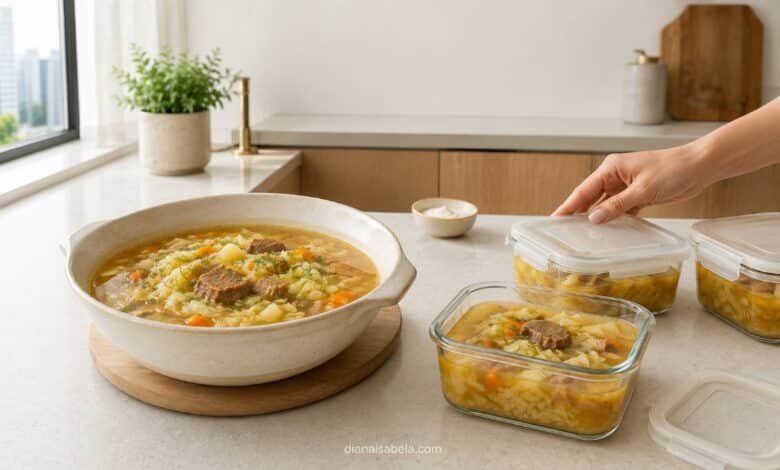
Yes, you can freeze shchi, and in many cases the soup comes back remarkably well. Cabbage, sauerkraut, beef and broth are all quite cooperative freezer companions. The part I worry about more is potato, which may return softer, grainier or slightly waterlogged, and sour cream, which is much happier joining the bowl after reheating than spending several weeks frozen inside it.
This is also one of those soups where freezing can be genuinely useful rather than merely technically possible. A pot large enough to make good shchi has a suspicious habit of producing more dinner than two people expected. Freezing half gives you a future meal without requiring four consecutive days of cabbage devotion.
The trick is to freeze the soup while it still tastes good, portion it sensibly, leave a little room in the container, and reheat it gently enough that the vegetables do not surrender their remaining dignity.
Shchi Is Actually a Very Good Soup to Freeze
The basic structure works in its favor. Broth freezes easily, cooked cabbage remains perfectly usable, sauerkraut is already a soft fermented vegetable, and cooked beef generally survives the process without turning the soup into something unrecognizable. Fresh-cabbage shchi, sour shchi and many meatless versions can therefore all be frozen.
What freezing does change is texture. Soup is full of water, and freezing that water into ice crystals can alter vegetables that were already cooked before they entered the freezer. The more delicate the ingredient, the more noticeable the change may be after thawing. Fortunately, shchi was never relying on crisp raw cabbage in the first place.
If you are new to the soup and wondering why fresh, sour and green versions behave differently, this introduction to the different ways a pot of shchi can be built gives the background before we send any of them into the freezer.
The Best Time to Freeze Shchi Is Before You Are Tired of Eating It
I would freeze extra shchi early rather than keeping the entire pot in the refrigerator until the end of its useful life and only then deciding the freezer should save it. If I know on day one that half the soup is for another week, I portion that half once the soup has been handled and cooled properly.
There is also a flavor advantage. You are freezing soup while it still tastes like dinner you want to eat, rather than leftovers you have been negotiating with for several days. A freezer preserves a moment; it does not perform culinary rehabilitation.
For refrigerated leftovers, the USDA advises using or freezing them within three to four days. Soups and stews are listed with a best-quality freezer window of roughly two to three months. Frozen food kept continuously at a safe freezer temperature can remain safe longer, but quality gradually declines. That distinction between safety and quality matters: “still frozen” and “still at its best” are not identical questions.
I Would Freeze It in Dinner-Sized Portions, Not One Frozen Cauldron
A huge container feels efficient until you want only one bowl and discover you have accidentally thawed Sunday dinner for six. Portioning before freezing makes reheating faster, avoids repeated handling and gives you the freedom to pull out exactly what you need.
1. Decide what you are keeping
Separate the amount you plan to eat soon from the amount destined for the freezer. There is no benefit in repeatedly warming, cooling and handling the entire batch every time someone wants one bowl.
2. Cool and store it promptly
Do not leave a large pot sitting on the counter for hours waiting to become refrigerator-cold. Divide leftovers into smaller, shallow covered containers so they cool more efficiently, then refrigerate or freeze promptly.
3. Use practical portions
One- or two-meal portions are far easier to manage than a single giant block. Leave some headspace because liquids expand when frozen, and use containers or freezer bags intended for freezing.
4. Label the soup
Write what it is and when it was frozen. Three mysterious brownish containers are charming only until everyone believes theirs contains beef stew and one turns out to be cabbage soup.
5. Freeze the sour cream separately — or better, not at all
If sour cream has not yet been stirred into the soup, keep it out. Add fresh sour cream after reheating for a cleaner texture and much prettier bowl.
What Happens to the Ingredients While Shchi Is Frozen?
The Potato Is the Ingredient Most Likely to Betray You
Potatoes contain plenty of water and starch, and freezing cooked potato can alter the texture noticeably. Depending on the potato and how long it was originally cooked, pieces may return softer, slightly grainy or a little watery. They are usually still edible; they simply may not have the lovely tender-but-intact texture they had on the first night.
If I were deliberately cooking a batch of shchi mainly for freezing, I would consider leaving potatoes out of the freezer portion and adding freshly cooked potato when reheating. That requires a little more work later, but it gives you much better control over texture.
If the shchi is already cooked with potato, I would still freeze it rather than waste a good pot of soup. I simply would not expect every potato cube to return from cryogenic travel exactly as it left.
Fresh-Cabbage Shchi and Sour Shchi Do Not Come Back Exactly the Same
Fresh cabbage tends to reveal the freezer more clearly because part of its appeal is the soft but still recognizable leafy texture. After freezing and reheating, it may become more yielding. That is not necessarily unpleasant, but a delicate fresh shchi may lose a little of its first-day freshness.
Sour-cabbage shchi is more forgiving. Sauerkraut has already been fermented and softened, so a slight additional loss of firmness is less dramatic. Its strong fermented character also survives reheating well, particularly when supported by beef broth.
If you are deciding which version to cook in a large freezer-friendly batch, the difference between them is explained in my closer comparison of fresh cabbage and fermented cabbage in the same soup family.
I Would Keep Sour Cream Out of the Freezer Portion
Shchi itself handles freezing more gracefully than its creamy garnish. Dairy can separate or become less smooth after freezing and reheating, particularly when it has already been mixed throughout the broth. You can sometimes bring the texture back together with careful stirring, but there is no compelling reason to create the problem in the first place.
If sour cream is normally served at the table, this is easy: freeze the soup without it and add a fresh spoonful after reheating. You get better texture, cleaner flavor and the satisfying white swirl that makes a dark sour shchi look considerably more glamorous than cabbage soup has any obligation to look.
The same logic applies to fresh dill. Freeze the actual soup; save the delicate finishing details for the moment you intend to eat it.
Can You Freeze Green Shchi?
You can, although I would expect a more noticeable change in the leafy ingredients than with sauerkraut shchi. Sorrel is already tender once cooked, so freezing and reheating can make it softer still. The flavor can remain appealing, but the green soup may lose some of the fresh character that makes it especially nice when newly made.
Egg deserves separate thought. If hard-boiled egg is being used as a garnish, I would rather add fresh egg after reheating than freeze pieces in every portion. The soup itself does not need the garnish present in order to freeze successfully.
If you are working with the sorrel version specifically, my explanation of what makes that green bowl different will help you decide which components are actually part of the soup and which are better treated as fresh finishing elements.
Can You Freeze Beef Shchi?
Yes. Beef-and-cabbage shchi is one of the versions I would feel quite comfortable freezing. Tender cooked meat surrounded by broth is protected from drying far better than a lonely slice of roast meat sitting by itself in a container.
The important thing is reheating. There is no reason to boil the soup furiously for twenty minutes after it is already hot. Once the soup has been safely reheated, prolonged aggressive cooking will only continue softening the vegetables and can make smaller meat pieces less pleasant.
If a fatty layer appears on the chilled soup before freezing, whether you remove some of it is a matter of the bowl you want later. Some fat carries flavor and body; an excessive layer may make reheated soup feel greasy. Moderation survives freezing rather well too.
Can You Freeze Vegetarian Shchi?
Very easily in principle. A broth made with cabbage, mushrooms, carrots, onion and other vegetables has no meat texture to worry about, and mushroom-rich versions can remain deeply savory after reheating.
Again, potato is the ingredient I would watch. If the soup is deliberately being batch-cooked for the freezer, leaving potato out and adding it later can improve the final texture. If potatoes are already present, freeze the soup anyway and accept that they may soften.
Mushrooms can become a little softer too, but in a long-cooked soup that usually feels less disruptive than it would in a dish where firm mushroom texture was the whole point.
Do You Need to Thaw Shchi Before Reheating?
No. Soup can be reheated directly from frozen, particularly in a saucepan, although beginning gently is useful so the exterior does not scorch while the center remains an iceberg. Add a splash of water or broth if needed, cover the pan initially and loosen the frozen portion gradually as it warms.
Thawing overnight in the refrigerator is convenient when you remember. It allows the soup to soften evenly and usually makes stovetop reheating faster the next day. What I would not do is leave a frozen container of meat soup on the kitchen counter all afternoon and call that a thawing strategy.
If you use a microwave, heat in a suitable covered container, stir during the process and make sure the center becomes properly hot rather than trusting the temperature of the outer edges.
Reheating Is Where You Can Either Restore the Soup or Finish Destroying the Vegetables
For me, the stovetop is the nicest method because I can see what is happening. Put the thawed or frozen soup into a saucepan, warm it gradually, stir occasionally and loosen it with a little broth or water if freezing has made the balance feel too concentrated.
For food safety, USDA guidance says leftovers should be reheated to 165°F, and soups, sauces and gravies should be brought to a rolling boil when reheated. Once that has happened, I would stop treating the pot as though it needs to be cooked from raw again. Long additional boiling is a texture problem, not a sign of commitment.
Add fresh dill after reheating. Add sour cream in the bowl. Taste for salt only at the end, particularly with sauerkraut shchi, because reducing liquid during reheating can concentrate seasoning.
What If the Frozen Soup Looks Separated?
Do not panic when the thawed broth looks slightly different before reheating. Fat can separate, solids settle and the liquid may look less unified when cold. Slow warming and stirring usually make the bowl look much more familiar.
If there is sour cream already mixed into the soup, separation can be more obvious. Gentle reheating and whisking may improve it, but this is exactly why I prefer freezing shchi before dairy enters the situation.
If the soup smells wrong, shows signs of spoilage or was handled unsafely before freezing, reheating is not a reset button. Freezing pauses microbial growth; it does not turn questionable leftovers back into fresh food.
The Freezer Takes a Little Freshness. Give Some Back at the End.
A frozen-and-reheated soup can be perfectly good and still taste slightly quieter than the first bowl. I would resist correcting that immediately with salt because what the soup may actually be missing is freshness rather than seasoning.
Fresh dill
A little newly chopped dill can restore aroma almost instantly. It is one of the simplest ways to make reheated shchi feel freshly served rather than merely warmed.
A fresh spoonful of sour cream
This restores cool richness and gives sour or green shchi contrast that freezing cannot preserve inside the container.
A little fresh broth
If reheating has made the soup too concentrated, a splash of good broth can restore the liquid-to-solid balance without washing away the flavor.
Fresh bread
This sounds almost embarrassingly obvious, but reheated soup beside fresh dark rye feels like a meal. Reheated soup beside the stale bread you also forgot about feels like an administrative consequence.
If you need ideas for turning that reheated bowl into dinner again, this is how I match different shchi styles with bread, potatoes, buckwheat, cutlets and fresher sides.
Freeze One Meal at a Time and Future You Will Be Much Happier
For one person, I would freeze individual bowl-sized portions. For a couple, two-serving containers make sense. For a family, freeze the amount you genuinely expect to heat at one meal rather than automatically storing everything in the largest container you own.
Smaller portions freeze and thaw more conveniently, and you avoid repeatedly dealing with leftovers from leftovers. The goal is to open the freezer on a cold Tuesday and discover dinner, not a logistical assignment.
I also leave enough space in the container for the soup to expand during freezing. Fill it sensibly, seal it properly and label it. Future freezer archaeology is rarely improved by mystery.
How Long Can Shchi Stay in the Freezer?
For best quality, I would plan to eat frozen shchi within roughly two to three months. That matches USDA storage guidance for soups and stews and, more importantly from a cooking perspective, keeps the soup within a period where flavor and texture are likely to remain enjoyable.
Food kept continuously frozen at 0°F (-18°C) or below can remain safe longer, but freezer storage is not suspended animation. Air exposure, freezer burn and repeated temperature fluctuations all work against quality. A soup stored beautifully for two months is a better plan than a forgotten container discovered behind frozen berries during the next presidential administration.
Date the container. It takes five seconds and prevents surprisingly philosophical conversations later.
Can You Refreeze Shchi?
If shchi was thawed safely in the refrigerator, USDA guidance allows previously frozen leftovers to be refrozen, although repeated freezing and thawing can reduce quality. If you reheated previously frozen leftovers properly, leftovers from that reheated food can also be refrozen safely according to USDA guidance.
Culinarily, however, I would rather avoid creating a freeze-thaw-freeze career path for cabbage and potatoes. Portioning the soup correctly the first time gives you better texture and fewer decisions.
This is another reason small containers win. Freeze what you intend to eat in one sitting and leave the rest frozen.
What About Takeout or Deli Shchi?
You can freeze takeout shchi too, provided it has been handled safely and you are still within a sensible leftover window. What you may not know is how long the soup had already been stored before you bought it, so I would not leave a deli container in my refrigerator for several days and then assume freezing has magically returned the clock to zero.
If I buy more shchi than I can eat and know immediately that part of it is headed for the freezer, I would portion that extra amount sooner rather than later. If the deli can tell you when the soup was made, even better.
For anyone finding shchi through prepared-food counters rather than making it at home, my approach to rotating deli kitchens explains why asking what was made today actually matters.
Does Frozen Shchi Taste as Good as Fresh?
Not perfectly identical. Fresh dill is fresher when it has never been frozen, potatoes are usually better before freezing, and delicate fresh cabbage retains a little more personality in a newly made bowl. That does not mean frozen shchi is disappointing.
Sour shchi in particular can be wonderfully freezer-friendly because its defining flavors are robust: fermented cabbage, rich broth, beef and vegetables were never relying on delicate crisp textures. Add fresh sour cream, dill and rye bread after reheating and the difference becomes much less important than the convenience of having real soup waiting in the freezer.
I would happily choose properly frozen homemade shchi over mediocre freshly opened canned soup on almost any cold evening. Freshness is valuable. So is having dinner already cooked.
Should You Freeze Shchi Before or After Adding Potatoes?
If you are intentionally batch-cooking and have the choice, before is better for texture. Make the soup base, freeze the portions, then add freshly cooked potato while reheating. This gives you firmer potatoes without changing the identity of the soup.
If the soup is already finished, do not pick every potato cube out with surgical tweezers. Freeze it as it is. The texture may be softer later, but it is still a far better outcome than wasting the pot.
Should You Freeze Shchi Before or After Adding Sour Cream?
Before. This one is much easier. Freeze the soup without sour cream whenever possible, then add fresh sour cream to each reheated bowl.
You get better dairy texture, more control over richness and a fresher-looking finish. It also means someone who does not want sour cream can eat the same frozen batch without negotiating with the container.
Is Freezing Worth It for a Small Amount?
If only one bowl remains and you know you will eat it tomorrow, refrigeration is simpler. Freezing makes more sense when you have enough soup that it will not realistically be eaten within the normal refrigerated-leftover window.
This is where batch cooking becomes genuinely pleasant. Instead of stretching one pot across several consecutive meals until everyone develops cabbage fatigue, freeze some immediately and rediscover it later when shchi sounds comforting again.
And if you are deciding whether the soup belongs in your regular meal rotation at all, my ingredient-by-ingredient look at what makes different bowls lighter or more substantial may help you choose the kind of batch you actually want to cook.
A Freezer Bowl Still Deserves a Proper Dinner
Once reheated, I treat frozen shchi like dinner rather than leftovers being punished for surviving. Fresh dill goes on top. Sour cream comes out of the refrigerator. Dark rye gets sliced. If the soup is light, perhaps there is a cutlet or buckwheat beside it; if the soup is rich with beef and sauerkraut, bread may be all I need.
The whole point of freezing food is to make a future meal easier, not sadder. A five-minute finishing ritual can make a two-month-old freezer portion feel far closer to the original pot.
If you are freezing shchi because you made far too much after finally finding a version you love, excellent. If you are still looking for somewhere to try it first, this is where I keep my broader search for places serving the soup.
I Want Your Freezer Tricks, Especially the Ones Someone’s Grandmother Would Defend in Court
Shchi feels like exactly the kind of soup families develop private storage rules around. Someone freezes it only without potatoes. Someone insists sour shchi is actually better after resting and reheating. Someone has a freezer containing six identical containers and somehow knows which one has beef without labels, which is a level of confidence I do not possess.
If your family batch-cooks shchi, tell me what survives freezing best, what you always add fresh afterward and whether you freeze fresh-cabbage, sour and green versions differently. I am especially interested in the practical details that make the reheated bowl genuinely good rather than merely edible.
And if you have discovered a particularly good deli or restaurant shchi that you regularly take home and freeze, send me the city, place and which version it is. Those small real-life habits are often more useful than another perfect photograph of soup that apparently never produces leftovers.
info@dianaisabela.comQuestions About Freezing Shchi
Can you freeze shchi?
Yes. Fresh-cabbage, sour-cabbage, beef and many vegetarian versions of shchi can be frozen successfully. Potatoes may become softer or grainier, and sour cream is usually better added fresh after reheating.
How long can you freeze shchi?
For best quality, soups and stews are generally used within about two to three months in the freezer. Keeping shchi well sealed and consistently frozen helps preserve its flavor and texture.
Can you freeze shchi with potatoes?
Yes, but cooked potatoes may become softer, grainier or slightly watery after freezing and thawing. If you are deliberately batch-cooking for the freezer, you can leave potatoes out and add freshly cooked ones during reheating.
Can you freeze shchi with sour cream?
It is better to freeze shchi before adding sour cream. Dairy may separate or lose its smooth texture after freezing and reheating. Add fresh sour cream to the hot bowl instead.
Can you freeze sauerkraut shchi?
Yes. Sour shchi made with sauerkraut freezes well because the fermented cabbage is already soft and its strong flavor holds up well to reheating. The cabbage may become slightly softer after thawing.
Can you freeze green shchi?
Yes, although sorrel and other leafy greens may become softer after freezing. If the soup is served with hard-boiled egg or fresh herbs, adding those components fresh after reheating usually gives a better result.
Do you have to thaw shchi before reheating it?
No. Shchi can be reheated from frozen in a saucepan or microwave, although thawing overnight in the refrigerator can make reheating faster and more even.
How should you reheat frozen shchi?
Warm it thoroughly, stirring so the soup heats evenly. USDA guidance says leftovers should reach 165°F, and soups should be brought to a rolling boil when reheated. Add fresh dill and sour cream after heating.
Can you refreeze shchi?
Previously frozen leftovers that were thawed safely in the refrigerator can be refrozen, although repeated freezing and thawing may reduce quality. Freezing shchi in meal-sized portions helps avoid the need to refreeze it.
Does frozen shchi taste as good as fresh shchi?
It can come very close, especially sour-cabbage or beef shchi. Fresh cabbage and potatoes may soften somewhat, so adding fresh dill, sour cream and bread after reheating helps restore the feeling of a freshly served bowl.