Best Sancocho Colombiano Near Me: Restaurants, Prices & What to Order

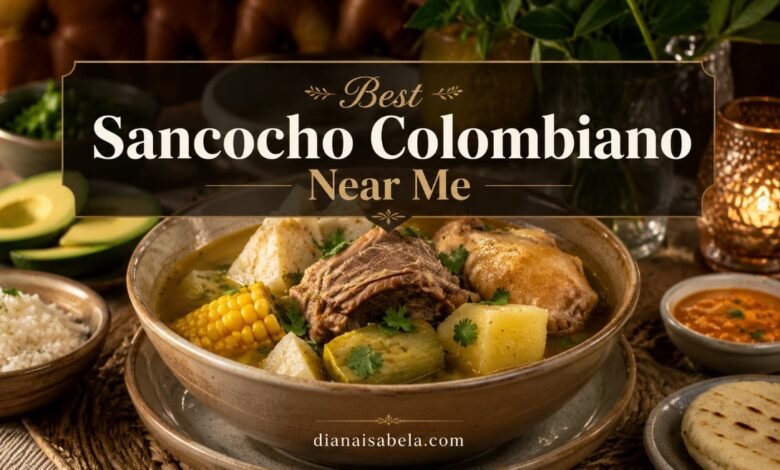
Searching for the best sancocho Colombiano near me should lead to more than the first delivery listing with the word “sancocho” in the title. Colombian sancocho can mean beef rib simmered with yuca and green plantain, a deeply savory hen version, oxtail, fish, or a multi-meat pot meant to feed a table rather than one person.
The useful question is not simply “who sells soup near me?” It is: which Colombian restaurant is actually serving the kind of sancocho I want today, what comes in the bowl, what sides are included, how much does it cost, and is it worth making a special trip?
This Diana Isabela field guide is built around that decision. I checked current restaurant menus, direct ordering pages and Colombian food sources, then organized the information the way I would want it before driving across town hungry.
Diana’s first sancocho rule: call before making a special trip. Sancocho is often a daily soup, weekend special or batch-cooked dish. A restaurant may serve beef one day, gallina another, or sell out before dinner.
Guide checked: August 8, 2026. Menu prices, serving days and restaurant availability can change.
Where to Find the Best Sancocho Colombiano Near You
The most reliable place to start is a Colombian restaurant with a real soup section, daily specials or a menu that names the protein. Search for more than the exact phrase “best sancocho Colombiano near me,” because many restaurants list the dish in Spanish without the word “Colombiano.”
Other useful searches include sancocho de cola near me, sancocho trifásico near me, Colombian soup near me, Colombian restaurant near me and even sopas colombianas.
Why? Because restaurants do not use one national menu vocabulary. One kitchen may write “Sancocho de Costilla de Res,” another simply “Sancocho,” and another may place it under “Soup of the Day.”
Search the menu, not only the restaurant name
A restaurant can be excellent at bandeja paisa and still treat sancocho as an occasional weekend dish. Conversely, a modest bakery-restaurant may cook a remarkably serious pot every Saturday because the clientele expects it.
Once you find a Colombian restaurant, search its menu for:
Sancocho de Res — beef sancocho.
Sancocho de Costilla — beef rib.
Sancocho de Gallina — hen.
Sancocho de Cola — oxtail.
Sancocho Trifásico — usually several meats in one pot.
Sopa del Día — soup of the day; ask whether today’s soup is sancocho.
Lunch is often a smarter search time than late dinner
Sancocho is batch food. That matters. A kitchen may make a large pot for lunch and sell through it. When a restaurant describes the soup as a daily or weekend special, arriving at 8:30 p.m. can be very different from arriving at 12:30 p.m.
If the dish is the entire reason for your trip, treat the phone call as part of the meal plan.
Best Documented Sancocho Options by What You Actually Want
Calling one restaurant “the best” for everyone would be fake precision. A more useful approach is to identify which currently documented restaurant is strongest for a particular type of order.
For a Miami sancocho-first mission
Sanpocho is unusually easy to understand because the restaurant itself puts sancocho at the center of its identity. Its current menu lists beef sancocho with potato, yuca, plantain, carrot and beef rib.
For choosing between two classic proteins in Chicago
Pueblito Viejo currently lists both Sancocho de Costilla de Res and Sancocho de Gallina, making it useful when two diners want to compare beef-rib richness with hen broth.
For a smaller soup option
Las Tablas currently offers Sancocho de Costilla in a $12 small size and a $24 large version with rice and avocado. That is particularly useful when you want to taste the soup without committing to a giant lunch.
For gallina versus oxtail in Los Angeles
Sabor Colombiano currently lists both Sancocho de Gallina and Sancocho de Cola at $17.99, served with rice, avocado and arepa.
For beef or hen in Houston
Parrilla Colombiana currently lists Sancocho de Gallina and Sancocho de Res at $18.40, giving you a straightforward protein choice without decoding an enormous soup menu.
For a Colombian chain-style option in New York
Noches de Colombia Bronx currently has a dedicated “Sancochos” category and lists sancocho at $21.17 on its direct ordering system.
These labels describe the clearest documented menu advantage, not a universal taste ranking. Broth quality, meat tenderness and freshness can change from one batch to another.
How Much Does Colombian Sancocho Cost?
Based on the current restaurant examples reviewed for this guide, a restaurant sancocho in the United States often lands around $18–$24 for a full-size order, although smaller bowls can be cheaper and premium oxtail or multi-meat versions may cost more.
Current menu examples
Las Tablas, Chicago: $12 small / $24 large.
Sabor Colombiano, Los Angeles: $17.99 for gallina; $17.99 for oxtail.
Parrilla Colombiana, Houston: $18.40 for gallina; $18.40 for beef.
Pueblito Viejo, Chicago: $19 gallina; $20 beef rib.
Noches de Colombia Bronx: $21.17 on the direct ordering menu reviewed.
Prices checked August 2026. Restaurant pricing can change, and third-party delivery apps may use different prices.
Why two bowls with similar prices may not be comparable
A $19 soup can mean the bowl alone, while a $20 version at another restaurant may arrive with rice, avocado and arepa. A large rib sancocho may include a substantial bone-in piece of beef; another may contain chopped meat dispersed through the broth.
Before deciding that one restaurant is “expensive,” check the entire plate.
Delivery changes the math
A $19 restaurant bowl can become a much more expensive meal after delivery markup, fees and tip. Sancocho travels better than fried food, but if the restaurant is close enough, pickup usually gives you better control over timing and price.
What Should Be in a Colombian Sancocho Bowl?
There is no single legally fixed recipe for Colombian sancocho. Regional and family versions differ. But the bowl usually makes sense through a recognizable architecture: broth + protein + starchy vegetables + aromatic seasoning + side plate.
It should taste like the ingredients have cooked together, not like hot water with bouillon added at the end. Meat, onion, herbs, tubers and plantain should contribute to the body.
Cassava gives the soup one of its most distinctive textures. Properly cooked yuca should be tender and starchy rather than fibrous and hard.
Green plantain contributes starch, body and a savory banana-like note very different from sweet maduros.
Potatoes absorb broth and help make the soup feel substantial. The type varies by region and kitchen.
Corn on the cob is common in many Colombian versions and gives the bowl sweetness and texture.
Beef rib, hen, chicken, oxtail, pork, fish or a mixture can define the style of the sancocho.
Cilantro, scallion, onion, garlic and other seasonings help keep the broth from tasting flat or purely starchy.
Why the starches are not “just filler”
Yuca, plantain and potato change the broth as they cook. They release starch, absorb seasoning and create a texture that makes sancocho different from a clear meat consommé.
A bowl without enough broth character tastes like separate boiled ingredients sharing a container. A good sancocho tastes integrated.
Where to Start: Current U.S. Sancocho Restaurant Guide
The restaurants below are not meant to pretend that six or seven kitchens define the entire United States. They are useful, currently documented starting points in major markets where Colombian food is established.
I prefer a shorter list with menus I can actually verify over fifty “best restaurants” copied from review sites.
Colombian Sancocho in Miami and Miami Beach
South Florida is one of the most natural places in the United States to look for Colombian comfort food. The challenge is abundance: there are many Colombian restaurants, but not every one serves the same soup every day.
Sanpocho — Miami
The name tells you what kind of restaurant this is. Sanpocho positions itself as Colombian home-style cooking and explicitly promotes its sancocho. The current menu also distinguishes a smaller weekday beef sancocho from the larger version.
If you are making a special trip, ask whether the full beef-rib version is available and whether the large order includes rice that day.
Restaurante Mi Tierra — Miami Beach
Mi Tierra describes its beef-rib sancocho as one of the restaurant’s customer favorites and emphasizes a home-style Colombian approach.
This is a useful option if you are staying closer to Miami Beach and do not want to cross the city for Calle Ocho. Still, call before traveling specifically for the soup because daily soup availability can change.
Miami tip: do not search only “Colombian soup.” Miami has Colombian, Dominican, Puerto Rican and other Caribbean/Latin American sancochos. If you specifically want the Colombian style, check the restaurant identity and the ingredients.
Colombian Sancocho in New York and Northern New Jersey
New York-area Colombian food is spread across Queens, the Bronx, Westchester and Bergenline Avenue in New Jersey. For a sancocho-specific trip, the best strategy is to search by neighborhood and then confirm the protein.
Noches de Colombia — Bronx
Noches de Colombia is useful because its current Bronx ordering menu gives sancocho its own category rather than hiding it inside a generic soup section.
The online listing is simply titled “Sancocho,” so if you care whether the current pot is beef, hen or another variation, ask the restaurant before ordering.
El Carretero / Colombian House — New Rochelle and North Jersey
El Carretero is notable because the restaurant itself describes sancocho as its specialty rather than a minor menu side note.
That makes these locations particularly interesting when your goal is specifically sancocho, but the current website does not publish enough detail to assume the same protein and price at every branch. Call the exact location you plan to visit.
What about Queens?
Queens remains one of the obvious areas to search for Colombian food, and current search results show active sancocho demand there. But individual menus change enough that I would rather have you call a real Colombian kitchen in Jackson Heights or Corona than follow a stale “Top 10” page that may still rank after a restaurant changes ownership.
Colombian Sancocho in Chicago
Chicago gives us some of the clearest current menu documentation in this guide. It is also useful because you can compare different serving styles rather than only restaurant names.
Pueblito Viejo — Chicago
Pueblito Viejo currently makes the decision unusually easy. The menu lists both Sancocho de Costilla de Res and Sancocho de Gallina.
Both versions include potatoes, cassava, green plantains and corn and are served with rice and arepa.
If you have never tried Colombian sancocho before, this is the kind of menu I like because the soup is not translated into a vague “beef soup.” You can see the Colombian structure before ordering.
Las Tablas — Chicago
Las Tablas describes its version as traditional Colombian beef-rib soup with bone-in Angus rib meat, vegetable broth and stewed starches.
The small/large format makes this one of the most useful menus for someone who is curious but does not want a huge bowl. If sancocho is part of a multi-course meal, the $12 small portion is particularly practical.
Colombian Sancocho in Los Angeles
Sabor Colombiano — Los Angeles
Sabor Colombiano gives Los Angeles diners a useful comparison between two very different bowls at the same price.
Gallina is the direction I would choose when I want a classic poultry-based comfort bowl with a lighter meat profile.
Cola means oxtail. Expect a deeper, richer meat character and gelatin-rich texture around the pieces of tail.
Because both are listed with rice, avocado and arepa, this is not a small starter soup. It is a full comfort-food meal.
Colombian Sancocho in Houston
Parrilla Colombiana — Houston
Parrilla Colombiana currently lists both hen and beef versions, which makes it another useful restaurant for choosing the protein rather than hoping the daily soup matches your preference.
The direct ordering system also shows optional accompaniments such as avocado, arepa, rice, salad, sweet plantain and tostones. Check which sides are currently included versus selectable extras before comparing the price with another restaurant.
Which Sancocho Should You Order: Beef, Gallina, Oxtail or Trifásico?
The protein changes much more than the meat sitting in the bowl. It changes the fat level, body, aroma and the way the starches taste.
Sancocho de Res
Beef sancocho is hearty, savory and usually the easiest entry point for a first-time diner. Beef chunks or ribs create a broth that feels familiar while yuca and plantain give it unmistakably Colombian character.
Sancocho de Costilla
Beef rib adds bone and connective tissue to the broth. Expect a deeper, meatier result and a substantial piece of rib rather than tidy cubes of lean beef.
Sancocho de Gallina
Gallina means hen rather than the soft supermarket chicken many American diners expect. Hen can be firmer and more intensely flavored, which is part of the point.
Sancocho de Cola
Oxtail produces a rich broth and gelatinous meat texture. It is often the choice for someone who wants the deepest meat character rather than the lightest soup.
Sancocho Trifásico
Trifásico combines several meats. Depending on the regional or restaurant version, that can mean combinations such as beef, pork and chicken. Ask rather than assuming the trio.
Sancocho de Pescado
Fish-based sancocho appears particularly in coastal Colombian food traditions. Coconut, plantain and local seafood can move the flavor far away from an inland beef bowl.
Colombian Sancocho Is Regional, Not One National Recipe
This is one of the most important things to understand before deciding whether a restaurant’s bowl is “authentic.” Colombia does not have one universal sancocho recipe that every region is expected to reproduce.
Valle del Cauca and sancocho valluno
Sancocho valluno is strongly associated with Valle del Cauca and with outdoor family gatherings. Plantain, yuca and potato are recurring elements, while gallina is one of the iconic proteins.
The emotional context matters too: sancocho is often gathering food. It is the kind of dish that can be cooked in a huge pot for family, friends or a weekend celebration rather than assembled one individual bowl at a time.
Pacific Colombian traditions
The Colombian Pacific introduces seafood, smoked meats, local herbs and ingredients that can create dramatically different sancochos. A fish or multi-meat Pacific version should not be judged by whether it resembles a Cali beef pot.
Caribbean Colombia
Coastal sancocho can involve fish and ingredients that reflect Caribbean agriculture and seafood traditions.
Interior beef and poultry versions
Restaurants outside Colombia often gravitate toward beef, beef rib and gallina because the ingredients are understandable to a broad audience and survive restaurant batch cooking well.
Authenticity is not sameness. A Colombian sancocho can be authentic without looking exactly like the bowl your Colombian friend remembers from another department.
How to Recognize a Really Good Sancocho
A beautiful giant bowl does not guarantee a good sancocho. The best indicators are in the broth, starches and meat.
The broth tastes cooked, not assembled
A good broth tastes like the meat, plantain, yuca, corn and aromatics spent time together. It should have depth before you add hot sauce or lime.
The yuca is tender
Yuca should yield easily to a fork. A hard fibrous center can ruin an otherwise good bowl.
The plantain has become part of the broth
Green plantain should not taste like a random boiled banana dropped in five minutes before service. It should feel integrated into the soup’s starchiness and aroma.
The meat fits the style
Beef rib should be tender enough to enjoy around the bone. Oxtail should have gelatinous richness. Hen can retain more chew than chicken, but it should not feel dried out.
The soup is substantial without becoming paste
Sancocho can be thick from starch, but it still needs enough broth to eat as soup.
The side plate has a job
Rice catches broth. Avocado adds cool creaminess. Arepa gives you something neutral to alternate between bites. The sides should make the meal better rather than simply inflate the plate.
You still want another spoonful after the first starch bomb
This is my favorite quality test. A bowl can look generous because it contains enormous chunks of potato and yuca. But generosity is not the same as balance.
What Should a First-Time Diner Order?
If you have never eaten Colombian sancocho, I would start with beef rib or gallina rather than immediately choosing the most complicated multi-meat version.
Choose beef rib if you like:
rich beef broth;
bone-in meats;
slow-cooked stews;
deep savory flavor;
a substantial lunch.
Choose gallina if you like:
poultry soups;
lighter meat than beef;
country-style chicken dishes;
broth where herbs and starches remain prominent.
Choose oxtail if you like:
gelatin-rich meat;
deep slow-cooked flavor;
bone-in cuts;
richer stews.
Choose trifásico when:
You already understand the basic dish and want the pot to be about abundance. A multi-meat sancocho can be excellent, but it is not necessarily the cleanest way to understand the flavor of the broth for a first tasting.
Diana’s first order: beef-rib sancocho + white rice + avocado + a little ají on the side. Taste the broth plain before adding anything.
Why Sancocho Comes With Rice, Avocado, Arepa and Ají
The side plate can confuse a first-time diner. Do you dump everything into the bowl? Eat it separately? Alternate bites?
There is no need to turn it into a ceremony.
Rice
You can spoon rice into the broth a little at a time or eat it beside the soup. Adding the entire mound immediately thickens the bowl and changes the balance.
Avocado
Avocado is a temperature and texture contrast. The cool richness is especially good after a spoonful of hot beef broth.
Arepa
An arepa acts as a neutral corn companion. Some restaurants include it automatically; others do not.
Ají
Colombian ají adds acidity, chile and herbal flavor. Try the broth first. If the kitchen did its job, the soup should not require hot sauce to become interesting.
Lime
A squeeze of citrus can sharpen a fatty bowl, but again, taste before modifying.
Is Sancocho Good for Takeout and Delivery?
Sancocho is generally a very good takeout dish because long-simmered soup does not depend on crispness. But packaging matters.
Best-case packaging
The restaurant packs soup, rice, avocado, arepa and ají separately. That prevents the rice from swelling in the broth and keeps avocado from turning into warm mush.
Ask for broth and sides separately
If you have a long drive, this one request can materially improve the meal.
Oxtail and rib travel well
Slow-cooked bone-in meats generally tolerate transport better than delicate fried foods.
What does not travel perfectly
Avocado warms quickly. Arepa can steam inside a sealed bag. Rice left inside hot soup for 40 minutes keeps absorbing liquid.
Delivery versus pickup
For a restaurant ten minutes away, delivery is fine. For a famous sancocho 45 minutes away, I would choose pickup and control the timing myself.
Is Colombian Sancocho Gluten-Free, Dairy-Free or Allergy-Friendly?
Many traditional sancocho ingredients—meat, yuca, plantain, potato, corn and vegetables—do not inherently require gluten or dairy. But that does not mean every restaurant bowl can automatically be labeled gluten-free or dairy-free.
Gluten
Ask whether bouillon, seasoning blends or kitchen cross-contact involve wheat. Also check the arepa and any packaged condiments.
Dairy
The soup itself may contain no dairy, but restaurant recipes vary. Ask if dairy avoidance is medical rather than a preference.
Vegetarian or vegan
Traditional Colombian sancocho is strongly associated with meat, poultry or fish broth. A vegetable soup inspired by sancocho can exist, but do not assume a restaurant vegetable soup uses a vegetarian stock.
Cilantro
Cilantro is common enough that people who strongly dislike it should ask whether it is incorporated into the broth or only added as garnish.
Allergies
Do not rely on a general “traditional recipe” description for a serious allergy. Restaurants can use commercial stock bases, shared prep surfaces and proprietary seasoning.
What to Ask Before Driving Across Town for Sancocho
You do not need a ten-minute interview with the restaurant. These questions solve almost everything.
“Do you have sancocho today?”
“Which kind — beef, beef rib, gallina, oxtail or mixed?”
“Is it available all day or only until it sells out?”
“How much is the current order?”
“Does it come with rice, avocado or arepa?”
“Do you have a small and large size?”
“Can I order it for pickup?”
“Can you pack the rice and avocado separately?”
The most important question is the first one
A website proves that a restaurant serves or has served sancocho. It cannot prove there is still a pot left at 7:45 tonight.
Call.
A Note From Diana
Sancocho is one of those foods that does not photograph as effortlessly as a perfect pastry or a glossy cocktail. It is brown broth, enormous vegetables, bones, herbs and a side plate that can look like somebody emptied half the kitchen onto the table.
And that is exactly why I like it.
A serious sancocho is not trying to be minimalist. The pleasure is in abundance: the piece of yuca that has absorbed the broth, the corn you have to turn with your fingers, the beef rib that refuses to behave like restaurant plating, the avocado cooling down the next spoonful.
I also do not think “authentic” should mean every Colombian restaurant must make the same bowl. Colombia is too regional for that. A Valle del Cauca family, a Pacific-coast cook and a Bogotá restaurant do not have to agree on one national pot.
What I care about is whether the bowl has logic.
Can you taste the broth before the salt? Is the yuca tender? Does the plantain belong there rather than feel decorative? Is the protein cooked with enough patience? Do the rice and avocado make the meal more satisfying?
And most importantly: if you drove 35 minutes because somebody told you this restaurant had excellent sancocho, did you call first?
Please call first. I am repeating it because I would rather be slightly annoying than send you across a city for an empty stockpot.
Best Sancocho Colombiano Near Me: What to Remember
Search more than one phrase: sancocho, sancocho de res, costilla, gallina, cola and trifásico.
Current restaurant examples reviewed: full-size U.S. bowls commonly land around $18–$24.
For a first tasting: beef rib or gallina is easier to understand than an overloaded multi-meat version.
Good sancocho: integrated broth, tender yuca, properly cooked plantain, flavorful protein and sides that make sense.
Do not confuse regional difference with poor authenticity: Colombian sancocho changes across the country.
For takeout: ask for rice, avocado and arepa separately.
Before a special trip: call the exact restaurant and confirm today’s pot.
Where can I find the best sancocho Colombiano near me?
Start with Colombian restaurants that list sancocho directly on their current menu, then search specific versions such as sancocho de res, sancocho de costilla, sancocho de gallina or sancocho de cola. Call before making a special trip because many restaurants prepare sancocho in batches, on weekends or as a daily soup.
How much does Colombian sancocho usually cost in the United States?
Among the current restaurant menus reviewed for this guide, smaller portions can start around $12, while many full-size bowls fall around $18 to $24. Oxtail, multi-meat versions, larger portions and delivery orders may cost more.
What is in Colombian sancocho?
Colombian sancocho commonly combines a seasoned broth with a protein such as beef rib, hen, chicken, oxtail, pork or fish and starchy ingredients such as yuca, green plantain and potatoes. Corn, herbs and vegetables are also common, but recipes vary substantially by region and family.
What is the difference between sancocho de res and sancocho de gallina?
Sancocho de res uses beef and usually has a deeper beefy broth. Sancocho de gallina uses hen, which can be firmer and more strongly flavored than ordinary young chicken. Both may contain yuca, green plantain, potato and corn depending on the regional or restaurant recipe.
What is sancocho de cola?
Sancocho de cola is an oxtail version of sancocho. Oxtail contributes rich beef flavor, bone and connective tissue, giving the broth and meat a particularly gelatinous, slow-cooked character.
What does sancocho trifásico mean?
Sancocho trifásico is a multi-meat sancocho, commonly built with three proteins. The exact combination is not universal, so ask the restaurant which meats are included rather than assuming every trifásico uses the same recipe.
Why is rice served with Colombian sancocho?
White rice gives diners a neutral starch to eat beside the soup or add a little at a time to the broth. Restaurants also commonly serve avocado, arepa, ají or other sides depending on the regional style and portion.
Is Colombian sancocho gluten-free?
Many basic sancocho ingredients such as meat, yuca, plantain, potato, corn and vegetables are naturally free of gluten, but restaurant broths, bouillon, seasoning blends and cross-contact can differ. Anyone avoiding gluten for medical reasons should confirm the exact preparation with the restaurant.
Is sancocho good for takeout?
Yes. Sancocho usually travels better than fried food because it is a slow-cooked soup. For a better takeout meal, ask the restaurant to pack rice, avocado, arepa and other sides separately so they do not soften or absorb too much broth during the trip.
Should I call a Colombian restaurant before going for sancocho?
Yes, especially if sancocho is the main reason for your visit. Some restaurants prepare it only on certain days or in limited batches, and the protein can change. A quick call can confirm the current type, price, portion size and availability.