Shchi Soup Near Me in Brazil: A Real Bowl in São Paulo and Where Else to Look
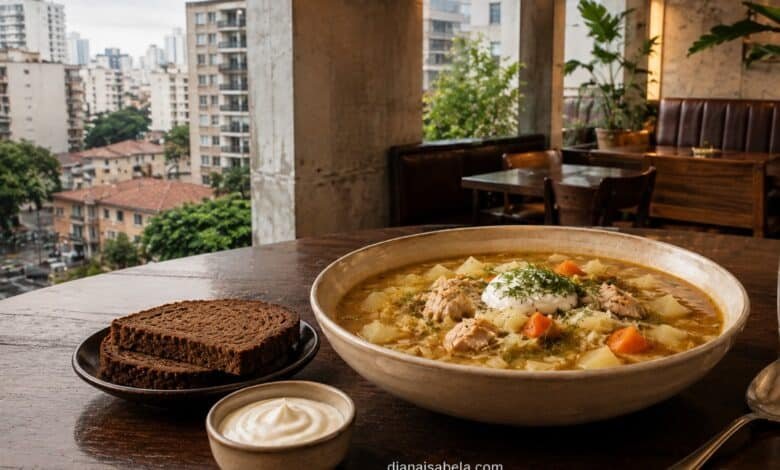
Brazil gives us something wonderfully concrete that several other countries in this search did not: an actual current restaurant menu with shchi on it. Or, more precisely, chtchi — because transliteration apparently decided that cabbage soup should also test our spelling skills.
In São Paulo, Barskiy Dom currently lists a traditional Russian chtchi made with chicken, sauerkraut, potato, carrot and onion. That immediately makes São Paulo the strongest starting point in Brazil if the goal is not simply Russian food but the specific cabbage soup we have been chasing.
Outside São Paulo, I would be more strategic. Brazil is enormous, Russian restaurant density is limited, and a search for sopa de repolho can lead to a dozen unrelated cabbage soups. The solution is to know the alternate spelling, know what should be in the bowl, and distinguish a real lead from a restaurant that happens to serve stroganoff.
São Paulo Has the Bowl: Barskiy Dom
Barskiy Dom currently lists Chtchi in its soup selection and describes it as a traditional Russian soup made with chicken, sauerkraut, potato, carrot and onion. The restaurant serves it with a slice of rye bread or rye toast, which is exactly the kind of quiet, practical pairing this soup likes.
This is particularly useful because the current version answers several questions before you even arrive. It is sour-cabbage shchi rather than a fresh-cabbage version. The protein is chicken rather than beef. Potato is part of the pot. And the menu spelling is chtchi, which explains why an English search for shchi São Paulo can miss a perfectly good bowl sitting under another transliteration.
If I were travelling specifically for the soup, I would still call first. Menus change, batches sell out and the phrase “I found it online” has never resurrected an empty soup pot.
What Kind of Shchi Are You Getting in São Paulo?
This is the sour direction. Sauerkraut gives the broth a fermented tang that fresh cabbage cannot reproduce, while chicken keeps the bowl lighter than the deeper beef versions many people associate with cold-weather shchi.
Potato softens the acidity, carrot and onion round out the broth, and rye bread makes sense because fermented cabbage wants something earthy beside it. I would taste the soup before deciding whether it needs more sour cream or any additional seasoning. A good sour broth has already done plenty of work.
If you have only seen photos of pale fresh-cabbage soup and wonder why this version tastes more forceful, this is where I compare what fresh cabbage and sauerkraut do to the entire personality of the bowl.
Chicken Shchi Is Not a Lesser Version
Beef gets a great deal of attention in discussions of hearty shchi because it creates a deep broth and handles sauerkraut beautifully. But chicken is an entirely sensible direction. It gives the broth substance without competing as aggressively with the fermented cabbage, and it can make the finished soup feel less heavy in warmer weather.
That is especially interesting in Brazil. A January lunch in São Paulo and a February lunch in Moscow are making rather different demands of the human body. I am perfectly happy for geography to influence which perfectly legitimate version of a traditional dish a restaurant chooses to cook.
The important thing is that the structure still makes sense: broth, cabbage or sauerkraut, vegetables and the savory base that binds them together. My broader introduction to the soup explains why the meat can change without erasing the dish.
In Brazil, Search for “Chtchi” as Well as “Shchi”
This is one of the most useful discoveries on the Brazilian trail. The restaurant that actually serves the soup uses the spelling chtchi. If you search only the English transliteration shchi, you are voluntarily making the hunt more difficult.
I would try several terms:
- shchi São Paulo
- chtchi São Paulo
- щи São Paulo
- sopa russa de repolho
- sopa de chucrute russa
- sopa russa de repolho azedo
The Portuguese descriptions are useful, but they also create noise. Brazil has many soups containing cabbage, and sopa de repolho alone does not prove the dish is shchi. Look for Russian culinary context and ask what provides the sourness.
Chucrute Is the Word That Can Unlock the Sour Version
For a Brazilian diner, chucrute may be a more useful menu clue than the word sauerkraut. It immediately tells you fermented cabbage is involved, although it still does not mean every chucrute soup is shchi.
The distinction matters because sour shchi is not simply ordinary cabbage soup with vinegar added at the end. Fermented cabbage changes the aroma, salt, texture and acidity of the broth from the beginning. That is why the São Paulo version is interesting even before we discuss the chicken.
If the restaurant description is vague, this is the line I draw between shchi and the much larger universe of soups that happen to contain cabbage.
Do Not Let Brazilian Stroganoff Send You on the Wrong Culinary Trail
Brazil’s love affair with stroganoff is real enough that the word “Russian” can produce an avalanche of creamy meat-and-rice results before you get anywhere near a soup pot. That is charming if you want stroganoff and completely useless if the craving is shchi.
So I would not use “Russian food Brazil” as the only search. Add soup, chtchi, chucrute or щи. Then look for restaurants that actually have a Russian soup section rather than places serving a Brazilian-style stroganoff under a broad international label.
The existence of borscht is a useful clue because a kitchen cooking one Eastern European soup may have a broader soup repertoire, but it is still not proof of shchi. Beetroot has excellent public relations. Cabbage is quieter.
Beyond São Paulo, I Would Search City by City Rather Than Pretend Brazil Is One Food Market
Brazil is too large for a useful “near me” strategy that treats Rio, Curitiba, Florianópolis and Recife as neighboring suburbs. Once you leave the confirmed São Paulo bowl, local searching matters more than national lists.
Rio de Janeiro
I would start with Eastern European, Russian and Ukrainian food businesses, then look at their soup offerings rather than assuming a nationality label means shchi. Search both shchi and chtchi, because transliteration can hide the dish before geography even becomes the problem.
Curitiba
Curitiba is particularly worth a careful Eastern European food search because southern Brazil has substantial Central and Eastern European culinary influences. But influence is not confirmation: Polish or Ukrainian cabbage dishes do not automatically become Russian shchi. Look for the dish name and ask about the broth.
Florianópolis and Porto Alegre
Cooler southern weather makes a bowl of sour cabbage soup feel immediately plausible, but climate does not create a restaurant menu by itself. I would search specialty food businesses, imported-food shops and home-style Eastern European kitchens before expecting a permanent shchi listing.
Brasília, Belo Horizonte and other large cities
Use delivery platforms and community kitchens in addition to ordinary restaurant searches. A domestic soup can appear through a small prepared-food business without ever becoming a famous restaurant dish.
São Paulo Has One More Advantage: You Can Build the Rest of the Meal Properly
Finding the soup is only half the pleasure. Rye bread beside sour shchi is already an excellent start. If the bowl is substantial with chicken and potato, I would not automatically add a huge second course. A little sour cream and something fresh may be enough.
If I were very hungry, then I would look toward pelmeni, vareniki or another savory dish rather than constructing a table where every carbohydrate in Eastern Europe has apparently received an invitation.
For shchi specifically, this is how I decide when the bowl needs only bread and when it makes sense to build a larger dinner around it.
If You See Borscht Beside It, Order by Mood Rather Than Fame
Borscht is immediately recognizable because beetroot gives it that dramatic red color. Shchi can look comparatively quiet, especially when the broth is golden and the cabbage pale. Appearance is not a reliable measure of personality.
Sour shchi has fermented cabbage acidity, while borscht brings the earthy sweetness of beetroot into the center of the soup. Both can contain potato, carrot, onion and sour cream, but once you taste them the resemblance becomes much less persuasive.
If you are standing in front of both and only want one bowl, my comparison starts with what each soup actually tastes like rather than how many vegetables their ingredient lists share.
And If Solyanka Appears, Prepare for a Much Louder Lunch
Sour shchi and solyanka can both satisfy someone who loves acidic, savory soup, but they get there by completely different roads. Shchi relies on cabbage, particularly fermented cabbage in the sour version. Solyanka leans toward pickled cucumber, meat, tomato richness and often other briny accents.
I think of sour shchi as fermented and earthy; solyanka as briny and theatrical. One invites rye bread. The other seems capable of inviting the entire pickle shelf.
If a Brazilian Russian restaurant eventually offers both, this is the taste map I would use before choosing between cabbage tang and pickle-driven intensity.
What I Would Ask Before Crossing São Paulo for Soup
If you find another Brazilian menu with only a vague description, these are the few questions I use to work out exactly which shchi is about to arrive.
Yes, Shchi Makes Sense in Brazil — Just Maybe Not at Noon on the Hottest Day of January
Traditional food does not need matching weather credentials to cross a border, but appetite is real. A steaming bowl of sauerkraut shchi is naturally attractive on a cold São Paulo evening, during southern Brazil’s winter, or on one of those rainy days when soup stops being a category and starts becoming a plan.
In hotter weather, the chicken version has an advantage because the broth can feel lighter than a very rich beef preparation. A smaller bowl also works beautifully as a first course instead of asking hot soup to carry an entire summer lunch.
And if the weather has no intention of cooperating, Russian cooking has cold soups too. Okroshka is proof that nobody owns a large northern country without eventually solving the problem of summer.
What Does the São Paulo Version Probably Taste Like?
Based on its listed ingredients, expect the sauerkraut to provide the main tang, chicken broth and meat to create the savory base, potato to soften the acidity, and carrot and onion to round everything out. It should be much less earthy than borscht and less aggressively briny than solyanka.
The cabbage itself should feel tender rather than crisp. Sauerkraut has already changed through fermentation before it reaches the soup pot, so the final texture is softer and more integrated than fresh raw cabbage would suggest.
If you want to understand that flavor before ordering, I break down the mild, fermented and green versions through acidity, broth and texture here.
What If You Want Fresh-Cabbage Shchi Instead?
The currently described São Paulo bowl is sauerkraut-based, so someone specifically craving mild fresh shchi should not assume it will taste like the version they have in mind.
I would ask whether a fresh-cabbage variation ever appears as a special. If not, making it at home is easy enough because Brazil does not pose any serious obstacle to cabbage, potatoes, carrot, onion or chicken. Dill may require a more deliberate shop depending on where you live, but this is hardly saffron collected under a full moon.
Fresh shchi is worth making precisely because it shows how little the soup needs to become satisfying. Good broth and properly cooked cabbage do most of the work.
Brazil Is Actually a Very Easy Place to Make Shchi at Home
The basic vegetables are ordinary market ingredients, and the Brazilian familiarity with chucrute makes sour shchi practical too. You do not need a suitcase of Russian groceries to produce a convincing pot.
Chicken is an obvious option if you want to reproduce the direction currently served in São Paulo. Beef gives you a darker, richer broth. Mushroom broth works for a meatless version. Fresh cabbage makes a gentler soup; sauerkraut takes you toward the fermented bowl.
If the nearest confirmed restaurant is hundreds of kilometers away, my recipe gives you the fresh-cabbage base first and then shows where to change the pot for sour shchi.
And a Brazilian-Sized Pot Does Not Have to Become a Week-Long Commitment
Make enough for tomorrow, because shchi generally benefits from resting. The flavors settle, the broth and cabbage feel more integrated, and reheating lunch is considerably easier than starting another soup from zero.
If the pot is genuinely enormous, freeze some before adding sour cream. Cabbage and broth handle freezing well, while potato may become a little softer after thawing.
For that second dinner, this is how I freeze and reheat shchi without turning the vegetables into a defeated memory of themselves.
For Once, the “Near Me” Search Has a Real Answer
If you are in São Paulo, Barskiy Dom is the clearest place I found because the current menu explicitly lists the soup rather than merely offering generic Russian cuisine. The spelling to remember is chtchi, and the current preparation uses chicken and sauerkraut.
If you are elsewhere in Brazil, search the dish under multiple spellings and Portuguese descriptions, then prioritize Russian and Eastern European kitchens with real soup menus. Do not treat ordinary Brazilian stroganoff as evidence that shchi is hiding nearby. They have travelled through culinary history on very different passports.
For searches outside Brazil, this is where I keep the wider hunt for an actual bowl rather than just a restaurant that sounds promising.
If You Find Another Brazilian Chtchi, Send Me Straight to the Soup Pot
São Paulo has given us one proper confirmed lead, which immediately makes me curious about what is hiding elsewhere. Maybe Curitiba has a home kitchen making sour shchi every Friday. Maybe Rio has a tiny Eastern European place that spells it in Cyrillic and therefore escapes every English-language search. Maybe someone in Porto Alegre has been making excellent cabbage soup for years while the internet remains busy discussing stroganoff.
If you find another Brazilian version, send me the city, place, exact menu spelling, current price if you have it, whether the cabbage is fresh or fermented, and what meat or broth is used. Photos of the actual bowl are particularly useful because cabbage soup has an impressive ability to reveal whether a menu description was being optimistic.
I would also love Brazilian home-cooking notes: which chucrute works particularly well, where you find good rye bread, whether chicken feels better in the local climate than beef, and what your family changes after the first pot. Those details are how a food search becomes a genuinely useful guide rather than a collection of restaurant names.
info@dianaisabela.comQuestions About Finding Shchi in Brazil
Can you find shchi in Brazil?
Yes. A current São Paulo Russian restaurant menu lists the soup under the spelling chtchi. Outside São Paulo, it may be harder to find, so search several spellings and check Russian or Eastern European soup menus directly.
Where can I find shchi in São Paulo?
Barskiy Dom in the Aclimação area currently lists Chtchi in its soup selection. The menu describes a version made with chicken, sauerkraut, potato, carrot and onion and served with rye bread or rye toast.
Why is shchi sometimes spelled chtchi in Brazil?
Russian names can be transliterated differently into English and Portuguese. The São Paulo restaurant currently serving the dish uses the spelling Chtchi, so searching both shchi and chtchi is useful.
What is Brazilian restaurant chtchi made with?
The currently listed São Paulo version uses chicken, sauerkraut, potato, carrot and onion. This makes it a sour-cabbage shchi rather than a mild fresh-cabbage version.
Is shchi the same as borscht?
No. Classic shchi is centred on cabbage, while familiar red borscht is driven by beetroot. Sour shchi can be tangy from sauerkraut without having the earthy sweetness or red color of beet soup.
What should I search for in Portuguese?
Try sopa russa de repolho, sopa de chucrute russa or sopa russa de repolho azedo, along with shchi, chtchi and the Cyrillic spelling щи. Always verify the dish because many cuisines have cabbage soups.
Is shchi always made with beef?
No. Shchi can use beef, chicken, other meats, mushrooms or vegetable broth. The currently listed São Paulo version is made with chicken.
What do you eat with shchi in Brazil?
Rye bread, sour cream and dill are natural companions. A substantial chicken-and-potato sour shchi may need little else, while a lighter fresh-cabbage version can be followed by another savory dish.
Can I make shchi at home in Brazil?
Yes. Cabbage, potatoes, carrots and onions are easy to source, and chucrute can be used for sour shchi. Chicken, beef, mushroom or vegetable broth can all be used depending on the version you want.
Can homemade shchi be frozen?
Yes. Shchi freezes well, especially broth-based and sour-cabbage versions. Potatoes may soften after thawing, while sour cream and fresh dill are best added after reheating.