Sancocho Colombiano in Chicago: Beef Rib, Gallina & Weekend Pots

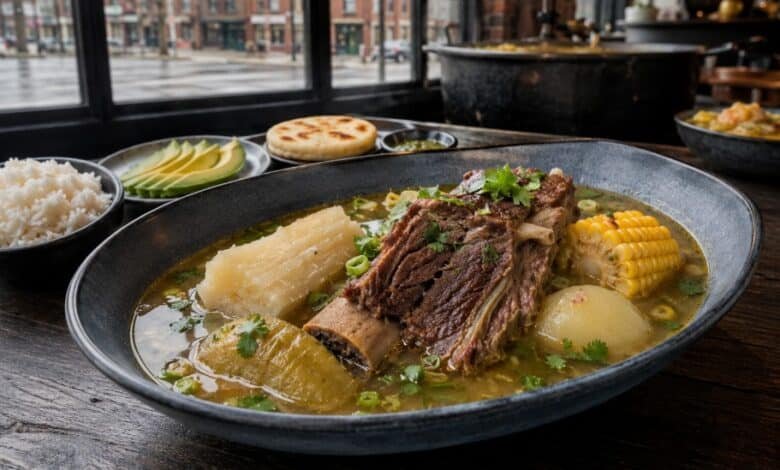
Chicago understands soup weather with almost suspicious enthusiasm. By the time the wind starts moving between buildings in January, a bowl containing beef rib, yuca, green plantain and corn stops sounding like a lunch suggestion and begins to feel like urban infrastructure.
Colombian sancocho here gets especially interesting when the weekend arrives. One kitchen cooks costilla and gallina over firewood. Another moves from beef at the end of the workweek to hen on Sunday. Elsewhere, a straightforward beef-rib bowl comes with rice and avocado and asks for no elaborate planning at all. So instead of pretending Chicago has one definitive bowl, I would decide first whether you want smoke, costilla, gallina or simply the nearest well-made pot.
Casa Mateo Has the Chicago Sancocho I Would Be Most Curious to Compare
Casa Mateo Fonda
Casa Mateo’s current weekend menu offers something more specific than simply “sancocho”: Sancocho de Costilla en Leña and Sancocho de Gallina en Leña. The costilla is currently $24 and the gallina $25, with smaller sizes also appearing on the ordering menu.
En leña is the detail that changes my order from practical to curious. Firewood cooking can contribute smoke, but good wood-fire flavor should never make soup taste as though the broth spent the afternoon inside a fireplace. I want the smoke sitting behind the meat, herbs and starches — noticeable, not theatrical.
And because the same kitchen currently offers both beef rib and hen, this becomes a particularly useful place for two people who are willing to share. Costilla should lean deeper and more gelatinous; gallina should give you firmer meat and a more distinctly poultry-driven broth.
Casa Mateo also has a restaurant location on Cicero Avenue, but the Western Avenue Fonda is the location whose current direct ordering menu clearly spells out both weekend firewood sancochos. That is the one I would target when those pots are specifically the reason for going.
On the North Side, the Choices Become Easier
You do not need an open-fire production every time you want soup. Chicago has several Colombian restaurants where the useful information is much simpler: here is the meat, here is the bowl size, here is what comes beside it.
Las Tablas — Portage Park
Las Tablas has been serving Colombian food in Chicago since 1993, and its current menu is wonderfully direct about the soup: traditional beef-rib sancocho made with bone-on Angus rib meat, vegetable broth and stewed starches.
The size choice is useful. A small is currently $12. The large is $24 and includes rice and avocado. That makes Las Tablas particularly sensible when the group is divided between people who want soup as lunch and people who think soup is merely the opening ceremony for steak.
The description also tells me what I want to know before ordering: bone-on rib. I do not have to translate a generic res listing and wonder which cut will arrive.
Sabor a Café — Peterson Avenue
Sabor a Café treats sancocho more like part of the weekly rhythm. Its current direct ordering menu shows beef sancocho in the Friday and Saturday rotation, while Sunday is reserved for Sancocho de Gallina.
The Sunday gallina is currently $19.99 and described with plantain, cassava, corn and potato. That ingredient list sounds simple because it is simple; the entire challenge is cooking each one long enough to belong in the broth without reducing everything to the same texture.
I would come Sunday if gallina is the point. Sabor a Café is also a Colombian steakhouse and live-music venue, so Saturday evening can be a rather different experience from quiet Sunday soup. Sometimes your sancocho comes with nightlife. Chicago contains multitudes.
Pueblito Viejo — Lincoln Avenue
Pueblito Viejo’s current Chicago menu includes both Sancocho de Costilla de Res and Sancocho de Gallina. Both are described with potatoes, cassava, green plantains and corn, served with rice and arepa.
That shared ingredient structure makes the protein comparison particularly interesting. With many of the vegetables held constant, the difference between beef rib and hen becomes much easier to notice in the broth.
Pueblito Viejo also operates on a distinctly weekend-heavy schedule — currently Friday through Sunday — so I would think of it as a planned outing rather than the emergency Tuesday-soup solution.
La Parrilla Latin Food — Edgewater
La Parrilla keeps the name broader with Sancocho de la Casa, currently listed at $18.50. The restaurant describes itself around Colombian-inspired Latin cooking, and the sancocho sits within a menu full of arepas, grilled meats, plantains and familiar Colombian dishes.
Because “house sancocho” does not tell me as much as costilla or gallina, this is where I would ask what protein is in the current version. That is not fussiness; it is the difference between ordering a dish by name and knowing what dinner will taste like.
Edgewater location matters too. If you live on the far North Side, proximity has culinary value. Soup does not improve while you spend an hour carrying it across Chicago.
Pueblito Viejo and Casa Mateo Offer Two Very Different Kinds of Night
This is something restaurant lists rarely mention: the setting changes what kind of sancocho outing you are planning.
Pueblito Viejo is colorful, lively and built as much around Colombian nightlife energy as dinner. Casa Mateo leans into a different kind of cultural identity, with its wood-fire cooking giving the soup itself a strong point of distinction. Sabor a Café adds another possibility through live music.
Las Tablas feels easier when I simply want a clear beef-rib order with a known small or large size. La Parrilla makes sense when Edgewater is home and convenience wins.
None of those things makes the broth objectively better. They determine whether the bowl belongs to a quiet lunch, a group dinner, a Sunday tradition or a night that may continue well after the last piece of yuca is gone.
Chicago Sancocho Has a Weekend Clock
If I were building a Chicago sancocho weekend, I would pay more attention to the calendar than to star ratings.
Sunday gallina makes particular cultural sense. Sancocho de gallina has long associations with communal meals and leisurely cooking in Colombia, especially in Valle del Cauca traditions. A big Sunday pot feels less like a restaurant marketing invention and more like a pattern that traveled remarkably well.
When the Menu Gives You Costilla and Gallina, I Would Not Flip a Coin
Choose Costilla
Beef rib gives you a broth with deeper meat flavor and, when the cut has enough connective tissue, a rounder mouthfeel from gelatin. Long cooking should soften the meat until it comes away from the bone without much resistance.
Costilla is the version I would choose for somebody eating Colombian sancocho for the first time. Beef is familiar enough that you can pay attention to the yuca, green plantain and corn instead of spending the entire meal decoding the protein.
Choose Gallina
Gallina is mature hen, not merely another name for ordinary chicken. The meat naturally has more structure and a stronger poultry character. A good gallina broth can feel deeply savory while still allowing herbs and vegetables to show through more clearly than in a rich beef pot.
I would choose gallina once you are curious about the differences within sancocho itself — or simply because it is Sunday and the kitchen clearly thinks you should.
If you want to understand the difference before ordering, my comparison of gallina and beef sancocho goes into the broth, meat texture and starches in much more detail.
Current Chicago Prices Tell Only Half the Story
At the menus I checked, sancocho currently ranges from a $12 small bowl at Las Tablas to mid-$20s for the larger or more specialized versions.
The useful comparison is not $12 versus $25. The useful comparison is what you receive. A small soup, a large bowl with rice and avocado, and a firewood-cooked weekend gallina are different restaurant orders.
Portion size matters. Sides matter. Meat cut matters. Even the ordering channel matters because third-party delivery pricing may be higher than a restaurant’s own menu.
Chicago Weather Gives Sancocho an Unfair Advantage
There are foods whose appeal barely changes with temperature. Sancocho is not one of them.
Beef broth, yuca, plantain, potato and corn feel substantially more persuasive when the pavement outside is gray and the wind has found three previously unknown openings in your coat. A full sancocho also gives you something that a delicate café soup rarely does: enough starch, meat and broth to make dinner feel handled.
This is where I would happily follow the search for best sancocho colombiano near me rather than pretend I want a salad because it photographed well in July.
Cold weather does introduce one danger, though: confusing heaviness with quality. The best beef sancocho can be rich without leaving an oily coating across your mouth. Comfort is broth with body, not half an inch of fat floating on top.
Four Things I Would Ask Before Crossing Chicago
“¿Qué sancocho tienen hoy?”
Which sancocho do you have today? The answer matters especially at restaurants with weekday and weekend rotations.
“¿Es de costilla o gallina?”
If the menu simply says sancocho, ask whether the current pot is beef rib, hen or another protein. The difference is large enough to change the entire meal.
“¿Viene con arroz y aguacate?”
Rice and avocado are included with some Chicago orders but not automatically with every size or restaurant. Ask before comparing prices.
“¿Todavía queda?”
Do you still have some? This is the sentence that can save a long trip late in the day when a weekend pot has already sold through.
The Best Chicago Bowl Is the One Where the Starches Still Have Personalities
Sancocho asks several ingredients with very different cooking behavior to coexist in the same pot. That sounds easy until the yuca is still fibrous, the potato has disappeared and the plantain feels like building material.
Yuca should give easily
Properly cooked yuca becomes soft and almost fluffy inside. It absorbs broth wonderfully, which means a good piece can deliver an unexpectedly concentrated taste of beef, chicken or herbs. If it fights the spoon, it needed more time.
Green plantain should taste savory, not sweet
Green plantain contributes starch and an earthy vegetal quality. It is completely different from ripe fried maduros. It should soften in the broth without dissolving into it.
The rib should justify the wait
Long cooking is supposed to be an advantage for costilla. I want meat that releases from the bone easily and enough collagen in the broth to give it body. A stubborn rib inside a long-simmered soup feels like somebody missed an appointment.
Gallina should not imitate supermarket chicken
Mature hen naturally keeps more structure. That firmness is part of its appeal. But there is a difference between pleasantly substantial meat and a dry piece that requires optimism.
The broth needs space
Restaurants love generosity, and I respect the impulse. But a bowl containing an enormous rib, corn, potato, yuca and plantain still needs enough actual broth to function as soup. Otherwise you have a very impressive ingredient storage system.
If you want to know what those ingredients should contribute when everything is working properly, my guide to the taste and texture of Colombian sancocho breaks the bowl down ingredient by ingredient.
Does Firewood Really Change the Soup?
Yes, potentially — but not in the cartoonish way the phrase “wood-fired” sometimes gets used on menus.
A firewood pot can pick up subtle smoke and a different cooking rhythm from a standard restaurant burner. Heat is less electronically obedient. Large traditional pots can simmer for a long time, and the surrounding cooking environment becomes part of the aroma.
What I do not want is aggressive smoke masking the broth. Sancocho still needs to taste of meat, yuca, plantain, corn and herbs. Wood fire is an accent and a technique, not a bottle of smoke flavor tipped into dinner.
This is why Casa Mateo intrigues me. The current menu specifically identifies both costilla and gallina as en leña, which gives you the possibility of comparing the impact of the cooking method across two different proteins rather than treating “wood-fired” as an abstract promise.
What I Would Eat With the Bowl
If rice and avocado arrive, I keep them outside the soup at first. I like spooning broth over a little rice rather than sending the entire mound into the bowl. Sancocho already contains yuca, plantain and often potato; it does not need an immediate starch merger.
Avocado is even more useful beside beef. Its cool creamy texture interrupts the heat and collagen-rich broth without adding a competing flavor. Arepa provides another neutral bite and is particularly good when there is more broth left than vegetables.
Ají is different. Taste before adding it. A bright, acidic, spicy ají can completely reshape the bowl, which is lovely if the broth needs that energy and slightly tragic if you have not yet tasted what the cook made.
Chicago Sancocho Is Excellent Food to Bring Home
A container of hot broth does not care whether your hair survived the weather outside. This already gives it an advantage over several dinner categories.
More seriously, sancocho travels well because the components are designed for moist cooking. Beef rib does not lose crispness it never needed. Yuca is already immersed in broth. Plantain is not waiting to become crunchy.
The main change happens over time: starch keeps absorbing liquid. A bowl that was brothy at the restaurant can become noticeably thicker after sitting in the refrigerator overnight.
If You Have Never Tried Colombian Sancocho in Chicago, Start Here
If I were choosing purely for clarity, I would start with Las Tablas. The current menu tells you exactly what the meat is, gives you small and large options, and specifies rice and avocado with the large. It is a clean introduction to costilla.
If I wanted something more distinctive, I would save Casa Mateo for the weekend and try the firewood pot. If I specifically wanted gallina, Sunday at Sabor a Café gives the day a clear purpose. Pueblito Viejo makes sense when dinner is supposed to turn into a livelier evening rather than end with the soup spoon.
And if I lived around Edgewater, I would first check La Parrilla before embarking on a citywide pilgrimage. The most satisfying sancocho is frequently the one that reaches your table while still steaming rather than the one you have mathematically determined should be 3.8 percent better on the other side of Chicago.
Chicago Is a Good City for Understanding Why Sancocho Is Not One Recipe
One city currently gives you beef rib, mature hen, house sancocho, firewood cooking, small bowls, complete meals and weekend-only rotations. That is already enough variation to dismantle the idea that Colombian sancocho should look and taste exactly one way.
The common logic is stronger than a rigid ingredient list: a substantial broth, protein, starchy vegetables and the sense that the pot is meant to feed people generously. Colombia’s regional traditions then pull that idea in different directions.
If you are new to those regional differences, this introduction to Colombian sancocho explains why gallina, beef, fish and other versions can all belong to the same food family without needing to become identical.
Chicago People, Tell Me What Is Actually in the Weekend Pot
This is exactly the kind of city where the best food information can hide inside a sentence that never makes it onto the permanent menu: “They make gallina on Sunday,” “ask for the larger costilla,” “the firewood pot sells out early,” or “go before the music starts if you actually want to talk over dinner.”
If you know a Chicago Colombian sancocho worth following, send me the restaurant, neighborhood, exact menu name, protein, current price, serving day and what arrives beside it. I am especially curious about wood-fire versions, weekend gallina, unusually good yuca and any regional style that deserves more explanation than a line on a menu.
You can write to me at info@dianaisabela.com. Photos and family cooking details are welcome too. I am always interested in the little decisions that make one pot taste unmistakably different from the next.
Questions About Colombian Sancocho in Chicago
Where can I find Colombian sancocho in Chicago?
Current Chicago options include Casa Mateo Fonda on South Western Avenue, Las Tablas on West Irving Park Road, Sabor a Café on West Peterson Avenue, Pueblito Viejo on North Lincoln Avenue and La Parrilla Latin Food on North Broadway. The style and serving schedule vary, so check the current pot before making a long trip.
Where can I find sancocho de gallina in Chicago?
Sabor a Café currently lists sancocho de gallina as a Sunday special. Casa Mateo Fonda lists firewood-cooked gallina among its weekend dishes, and Pueblito Viejo’s current Chicago menu also includes sancocho de gallina.
Where can I get sancocho de costilla in Chicago?
Las Tablas currently serves Sancocho de Costilla in small and large sizes. Casa Mateo Fonda lists Sancocho de Costilla en Leña on its weekend menu, while Pueblito Viejo currently lists Sancocho de Costilla de Res.
Is there wood-fired Colombian sancocho in Chicago?
Yes. Casa Mateo Fonda’s current weekend menu lists both Sancocho de Costilla en Leña and Sancocho de Gallina en Leña. En leña indicates cooking over firewood, which can add a subtle smoky character to the pot.
How much does Colombian sancocho cost in Chicago?
Current examples checked for this guide range from $12 for a small costilla at Las Tablas to around $24–$25 for larger or specialized versions such as Casa Mateo’s firewood costilla and gallina. Portion size, sides and ordering channel affect the comparison.
What day is best for sancocho de gallina in Chicago?
Sunday is particularly useful if gallina is your goal. Sabor a Café currently lists Sunday Sancocho de Gallina, while Casa Mateo’s gallina is part of its weekend menu. Serving schedules can change, so call before traveling specifically for the soup.
What comes with sancocho at Chicago Colombian restaurants?
It depends on the restaurant and portion. Las Tablas currently includes rice and avocado with its large Sancocho de Costilla, while Pueblito Viejo describes its costilla and gallina with rice and arepa. Ask what is included before comparing prices.
Which Colombian sancocho should I try first in Chicago?
Sancocho de costilla is an approachable first choice because beef rib provides a familiar savory flavor while introducing yuca, green plantain and the substantial broth texture. Gallina is an excellent next choice if you want firmer poultry and a different broth profile.
Does Colombian sancocho travel well for takeout in Chicago?
Yes. Sancocho generally travels well because the meat and starches are already cooked in broth. Keep rice, avocado and arepa separate when possible. Yuca, potato and plantain may continue absorbing broth as the soup sits, so leftovers can become thicker.
Should I call before going to a Chicago restaurant for sancocho?
It is a good idea when you want a particular weekend or day-specific version such as gallina or firewood sancocho. These soups are cooked in batches, and a current menu does not guarantee that portions remain late in the day.