Sancocho Colombiano in New Jersey: Bergenline, Elizabeth & More

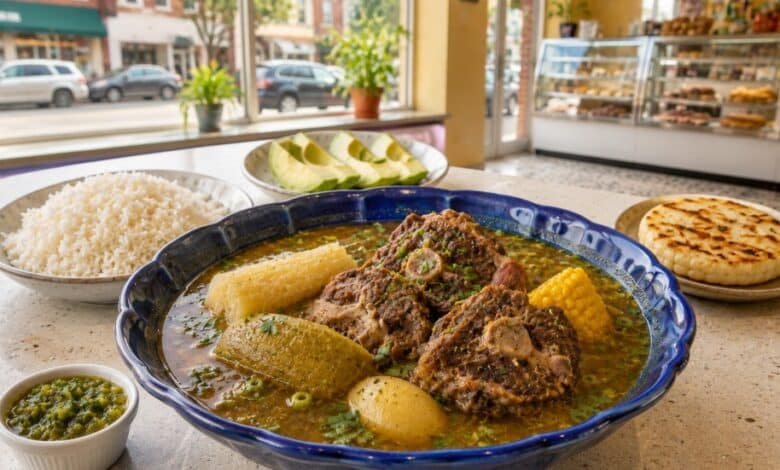
New Jersey may be the easiest place in the New York orbit to underestimate if you are looking for Colombian sancocho. Everyone instinctively points toward Queens, yet the New Jersey side has something Queens cannot quite reproduce: long stretches of Colombian neighborhood life where bakeries, lunch counters, restaurants and groceries sit close enough together that a bowl of sancocho feels less like a special expedition and more like lunch.
Bergenline Avenue is the obvious place to begin, especially around West New York and Union City. Elizabeth gives you another serious pocket of Colombian food, including a restaurant menu where beef, gallina, oxtail and pork-spine sancochos appear side by side. Then the map keeps going — Bayonne, Plainfield and even Metuchen have current bowls worth knowing about.
Bergenline Is Where the New Jersey Sancocho Search Gets Serious
Bergenline Avenue does not need to perform Colombian identity for visitors. The neighborhood has lived with Colombian bakeries, cafés and restaurants long enough that pandebono and bandeja paisa feel like normal parts of the commercial landscape rather than themed attractions.
That makes it exactly the kind of place I like for soup. Sancocho makes most sense where a kitchen can cook a real pot because there are enough people around who already know why they want it.
El Carretero — West New York
El Carretero is the restaurant that makes this New Jersey guide immediately interesting because its current menu treats sancocho as a category rather than one anonymous soup.
The regular Sancocho de Carne is currently listed at $14 and described with beef, yuca, corn and plantain, served with white rice. That alone would make it a useful Bergenline stop. The weekly schedule goes further.
This is exactly how I want to encounter Colombian sancocho in a neighborhood restaurant. Not as “Soup: $8,” but as a cooking rhythm. Tuesday beef. Wednesday hen. Saturday oxtail. Sunday gallina. The day becomes part of what you order.
If I lived nearby, Saturday would tempt me first. Oxtail can give broth an extraordinary silky body because of all the connective tissue around the bones. But Wednesday or Sunday gallina would be the more interesting choice if my previous experience had mostly been beef rib.
The current menu also makes a useful distinction between sancocho de carne and sancocho de cola. Both are beef-family flavors, but they should not eat the same. Oxtail is bonier, more gelatinous and often richer; straightforward beef can produce a cleaner pot.
Union City has many Colombian kitchens as well, but I am not filling this page with restaurants simply because they are Colombian. For example, Aromas currently has a broad traditional Colombian menu and daily specials, but its published menu does not give me enough current evidence to promise a specific sancocho. That makes it a place to ask about the day’s soup, not a place I would tell someone to cross town for a guaranteed bowl.
Elizabeth Is Where I Would Go to Compare the Meat, Not Just Find Soup
If Bergenline has the beautiful weekly rhythm, Elizabeth has one of the most useful menus for understanding how much the protein can change sancocho.
Mi Colombia Restaurant — Elmora Avenue
Mi Colombia currently has the menu I would hand to anyone who thinks “sancocho” tells you enough to know what is coming. Its soup section lists Sancocho de Res, Sancocho de Gallina, Sancocho de Cola and Sancocho de Espinazo.
That is four different conversations inside one word.
Res gives you the broad beef category. Gallina brings mature hen and firmer meat. Cola means oxtail, where gelatin and bone can make the broth feel especially luxurious. Espinazo uses spine/backbone, traditionally valued precisely because bone and meat together give the pot flavor that a lean boneless cut cannot.
The current direct ordering menu shows sancocho de res beginning at $7.50 and the other three beginning at $9.85, which appears to reflect portion choices rather than giant entrée pricing. That is why I would not compare those figures directly with a $20 full meal elsewhere without checking sizes and accompaniments.
Mi Colombia also lists separate portions of gallina, cooked yuca, avocado and rice, which tells you something about the larger meal structure. You can build around the soup instead of assuming every accompaniment has been placed inside it.
Sabor Colombiano Bakery & Restaurant — Elizabeth
Sabor Colombiano is the simpler Elizabeth choice. Its current menu lists Sancocho de Res at $12 alongside Colombian chicken soup.
There is something useful about that simplicity. Not every lunch needs to become a comparative tasting of four bones and three generations of poultry. If you want an affordable beef sancocho from a Colombian bakery-restaurant and you are already in Elizabeth, this is an uncomplicated lead.
The bakery side is also dangerous in the nicest possible way. A person can enter looking for soup and leave with pandebono, arepa de choclo and enough baked goods to turn a sensible lunch into an inventory problem.
The Pot Keeps Going After Bergenline and Elizabeth
One of New Jersey’s strengths is that Colombian food is not confined to one tiny district. The downside is obvious: “New Jersey” is a very large answer to the question “where should I eat lunch?” So these next restaurants make sense mainly when they are already on your side of the state.
La Casita Colombiana — Bayonne
La Casita Colombiana currently lists sancocho at $15.99 and, importantly, it is one of the restaurant’s most-ordered items online. The public listing does not identify the protein as precisely as I would like, so this is where I would call before traveling specifically for costilla or gallina.
If you are simply in Bayonne and want Colombian sancocho, the current listing is strong enough to make it a real option. If your afternoon depends on mature hen, ask what is in the pot first.
El Poblado — Plainfield
El Poblado is the clearest current gallina option I found farther west. Its current ordering menu lists Sancocho de Gallina at $19.99 among its popular Colombian dishes.
That makes it particularly useful if what you want is not merely sancocho but specifically hen. Gallina has a firmer texture and more developed poultry flavor than ordinary young chicken, which is why I never like seeing the menu term casually flattened into “chicken soup.”
If beef and gallina both sound good and you cannot decide, I have a separate look at how gallina and beef change the broth, meat and texture of sancocho.
Latin Port — Metuchen
Latin Port is interesting because its menu actually explains the bowl. The current direct listing describes a 24-ounce Colombian beef sancocho with potatoes, carrots, corn on the cob, yuca, green plantains and cilantro, served with rice on the side for $15.
The restaurant’s broader menu moves among several Latin American cuisines, so I would not use every dish there as evidence about Colombian tradition. But the sancocho itself is explicitly identified as Colombian and its ingredient description is unusually clear.
Twenty-four ounces is also useful information. Portion size is one of the things restaurant menus too often hide, even though it matters enormously when comparing a $15 soup with a $20 full sancocho plate.
In New Jersey, the Calendar Can Matter More Than the Rating
If I were planning this around a particular style rather than simply searching whatever is nearest, I would begin with the day.
This is why I dislike restaurant lists that erase the calendar. A place can be genuinely excellent at sancocho and still be the wrong destination on Thursday if the pot you want only exists Saturday.
New Jersey Might Be the Best Place in This Search to Learn the Meat Vocabulary
The restaurants here collectively expose a surprising amount of the sancocho family without requiring a flight to Colombia.
And that is before you even reach costilla, fish, trifásico and the other versions found across Colombian cooking. If all of those names are new, this introduction to Colombian sancocho explains why there is no single meat or ingredient formula that defines every pot.
What Current New Jersey Listings Suggest About Price
Prices here are especially difficult to compare because some menus offer smaller soup portions while others sell a full bowl or meal. The current numbers are still useful if you read them with that caveat.
$7.50+ — Sancocho de Res at Mi Colombia in Elizabeth.
$9.85+ — Gallina, cola and espinazo at Mi Colombia.
$12 — Sancocho de Res at Sabor Colombiano in Elizabeth.
$14 — Sancocho de Carne at El Carretero on Bergenline.
$15 — 24-ounce Colombian beef sancocho with rice at Latin Port in Metuchen.
$15.99 — Sancocho at La Casita Colombiana in Bayonne on the current online listing.
$19.99 — Sancocho de Gallina at El Poblado in Plainfield.
A nine-dollar soup can be excellent value and still contain far less food than a twenty-dollar entrée-size sancocho with meat, starches, rice and avocado. The number needs the portion beside it.
Third-party delivery pricing can also differ from direct restaurant pricing, so I would not drive an extra half hour to “save three dollars” based on two menus pulled from different ordering systems.
Should You Drive Across New Jersey for Sancocho?
For generic beef sancocho? Probably not. For a particular pot? Much more interesting.
I would make a Bergenline trip for Saturday oxtail if cola were the thing I wanted to try. I could justify Wednesday or Sunday for gallina if I wanted to compare it with beef. I would go to Mi Colombia in Elizabeth when the attraction was having several protein choices concentrated on one menu.
But if I lived near Plainfield and wanted gallina, El Poblado already solves the problem. If I were in Bayonne, La Casita is more logical than creating a Bergenline pilgrimage merely because somebody used the word “best” online.
New Jersey traffic is a persuasive culinary editor. It encourages focus.
Four Questions Before You Commit to the Drive
“¿Qué sancocho tienen hoy?”
This is the useful first question in a restaurant with rotating soups. You are asking what is actually in the pot today, not what appeared on a menu screenshot last month.
“¿Es res, gallina, cola o espinazo?”
If the restaurant simply says sancocho, ask the protein. New Jersey gives you enough variety that there is no reason to pretend those are equivalent bowls.
“¿Viene con arroz y aguacate?”
Sides matter both to the meal and the value. A $15 bowl with rice is not directly comparable with a $15 soup-only container.
“¿Todavía queda?”
Especially important late in the day. A current menu cannot tell you whether the last bowl left the kitchen twenty minutes ago.
If you are starting from scratch and want restaurant terminology before choosing a state or city, my broader guide to finding Colombian sancocho covers the major versions and what to ask before ordering.
The First Thing I Notice Is Whether the Broth and Meat Belong to Each Other
A sancocho can contain all the correct nouns and still taste oddly assembled. Yuca: yes. Plantain: yes. Corn: yes. Beef: yes. But do they taste as though they spent enough time in the same pot?
I want broth that carries the protein even when there is no meat on the spoon. With gallina, that means a clear but developed poultry savoriness. With oxtail, I expect more body. With beef or espinazo, bone and meat should give the broth depth rather than leaving it tasting like salted vegetable water.
Then comes yuca
Yuca is unforgiving. Properly cooked, it becomes tender, starchy and almost fluffy, carrying broth into its center. Undercooked yuca stays fibrous and resistant. Overworked yuca can dissolve until the pot loses textural contrast.
Plantain should taste savory, not sweet
Green plantain in sancocho is not maduro. It contributes a mild, earthy starchiness and should absorb the flavor around it. If it tastes like a bland boiled object inside a rich broth, the timing has not worked in its favor.
Oxtail deserves patience
When cola is cooked properly, the meat around those small bones becomes tender and the connective tissue enriches the broth. If it is difficult to pull away, I start questioning the cooking time.
Gallina is different
Mature hen naturally stays firmer than ordinary young chicken. That is part of its character. Firm is fine. Dry enough to require emotional resilience is not.
Do Not Confuse Caldo de Costilla With Sancocho de Costilla
This is a useful New Jersey menu distinction because Colombian restaurants may sell both kinds of soup.
Caldo de costilla is its own Colombian beef-rib soup, often simpler and strongly associated with breakfast or restorative eating. Sancocho de costilla belongs to the broader sancocho family and typically builds a more substantial meal around ingredients such as yuca, plantain, corn or other starches depending on the kitchen.
A restaurant menu listing caldo de costilla therefore does not automatically confirm that it currently has sancocho de costilla. Similar protein, different dish.
The same caution applies to ordinary beef soup, chicken soup and soup of the day. I want to see the word sancocho or get a clear answer from the restaurant before telling someone to make the trip.
Why Bergenline Feels Different From a Random Colombian Restaurant Stop
Food corridors are useful because they give you a second plan. If the sancocho sells out, lunch is not over. There is another bakery, another counter, another place for coffee, another window full of bread nearby.
That changes the emotional economics of traveling for food. Driving forty minutes to one isolated restaurant and discovering that gallina is gone feels tragic. Going to Bergenline and finding out the Saturday oxtail pot is finished still leaves you in a neighborhood full of Colombian food.
It also gives you the possibility of buying something for later, which is how a soup lunch becomes pandebono in the car and a box of bakery things at home even though nobody remembers authorizing this expansion.
Elizabeth Is Better When You Want Choice Without a Calendar
The attraction of Mi Colombia is almost the opposite. Instead of arranging the week around Tuesday beef or Saturday oxtail, the current menu lays several sancocho proteins out at once.
That makes Elizabeth a good option for groups. One person wants gallina, another wants beef, somebody reads “cola” and immediately changes plans. The restaurant does not require everyone to share the same definition of comfort food.
Sabor Colombiano nearby offers the simpler beef route. I like having both kinds of restaurants in one city: one menu for exploration, one for “please just give me a warm bowl and let me eat.”
If It Is Takeout, Protect the Broth
Sancocho travels better than almost anything fried, which makes it unusually compatible with New Jersey driving. But the starches keep absorbing liquid while the container sits.
If rice comes separately, leave it separate. Keep avocado out of the hot soup until you eat. Do not panic if tomorrow’s broth is thicker; yuca, plantain and potato have continued doing what starch does.
For reheating, add a splash of water or unsalted stock if necessary and heat gently until fully hot. Aggressive stirring can turn a perfectly tender chunk of yuca into an unplanned thickener.
Oxtail and beef-rib versions often reheat particularly well because gelatin returns to liquid as the soup warms. The cold container may look dramatically set in the refrigerator. That is not necessarily a problem; it can be evidence of the connective tissue that gave the hot broth its body.
If I Had to Choose Three New Jersey Sancocho Experiences
I would not choose them because I believe three restaurants can objectively conquer an entire state. I would choose them because each teaches you something different.
El Carretero on Bergenline for the weekly rhythm — especially Saturday cola or a gallina day.
Mi Colombia in Elizabeth for breadth: res, gallina, cola and espinazo on one current menu.
El Poblado in Plainfield when gallina itself is the destination and you are farther west.
Then I would let geography decide the rest. Bayonne has La Casita. Metuchen has a clearly described Colombian beef bowl. Elizabeth has another straightforward beef option at Sabor Colombiano.
The useful New Jersey answer is not one winner. It is knowing which pot is near you, which meat is inside it, and whether today is the day that particular kitchen cooks the one you actually want.
New Jersey, Tell Me Which Pot I Am Missing
The part of this state I like most for food is how often the good information is absurdly specific. Not “there is a Colombian restaurant in town,” but “go Wednesday for gallina,” “Saturday is the oxtail pot,” or “the smaller soup is enough if you are also ordering bakery things.” Those are the details that save somebody a drive and make a food guide feel alive.
If your neighborhood has a Colombian sancocho I should know about, send me the restaurant, town, exact menu name, protein, current price, serving day and what arrives with it. I am especially interested in costilla, gallina, cola, espinazo, trifásico and regional versions that do something genuinely different.
And if the important pot is at home rather than a restaurant, tell me that story too — which meat your family uses, whether corn is essential, what happens to the plantain and which side dish nobody at the table would ever consider optional.
You can reach me at info@dianaisabela.com. New Jersey has enough Colombian food that I suspect this map will get more interesting before it gets shorter.
Questions About Colombian Sancocho in New Jersey
Where can I find Colombian sancocho in New Jersey?
Current documented options include El Carretero on Bergenline Avenue in West New York, Mi Colombia and Sabor Colombiano in Elizabeth, La Casita Colombiana in Bayonne, El Poblado in Plainfield and Latin Port in Metuchen. The exact protein and serving schedule vary by restaurant.
Where can I find sancocho de gallina in New Jersey?
El Carretero in West New York currently lists gallina on Wednesday and Sunday in its weekly soup schedule. Mi Colombia in Elizabeth currently lists sancocho de gallina, and El Poblado in Plainfield has a current sancocho de gallina listing at $19.99.
Where can I get oxtail sancocho in New Jersey?
El Carretero on Bergenline Avenue currently identifies sancocho de cola as a Saturday offering. Mi Colombia in Elizabeth also lists sancocho de cola on its current direct ordering menu.
What is sancocho de espinazo?
Sancocho de espinazo is a version made with spine or backbone, a cut valued for the combination of bone, connective tissue and meat that can enrich a long-cooked broth. Mi Colombia in Elizabeth currently lists sancocho de espinazo.
How much does Colombian sancocho cost in New Jersey?
Current published examples vary from smaller portions beginning around $7.50 to larger bowls around $20. Examples include $12 beef sancocho at Sabor Colombiano, $14 sancocho de carne at El Carretero, $15 for a 24-ounce beef sancocho at Latin Port, $15.99 at La Casita Colombiana and $19.99 for gallina at El Poblado. Portion size and ordering platform matter when comparing prices.
Where can I find sancocho on Bergenline Avenue?
El Carretero at 5514 Bergenline Avenue in West New York currently has a dedicated sancocho and soup menu with beef plus day-specific gallina and oxtail offerings.
Where can I find Colombian sancocho in Elizabeth, New Jersey?
Mi Colombia at 140 Elmora Avenue currently lists several versions including beef, gallina, oxtail and espinazo. Sabor Colombiano Bakery & Restaurant on Madison Avenue currently lists sancocho de res.
Is sancocho available every day in New Jersey Colombian restaurants?
Not necessarily. Some restaurants offer a regular version while rotating other meats by day. El Carretero, for example, currently identifies different days for beef, gallina and oxtail. Call ahead when a particular protein is the reason for your trip.
Is caldo de costilla the same as sancocho de costilla?
No. Both can use beef rib, but caldo de costilla is its own Colombian soup and is typically simpler. Sancocho belongs to a broader family of substantial soups built around meat or fish with starchy ingredients such as yuca and plantain depending on the regional or family recipe.
Does Colombian sancocho travel well for takeout?
Yes. Sancocho generally handles takeout well, although yuca, plantain and potato continue absorbing broth as the soup sits. Keep rice and avocado separate when possible and reheat the soup gently if eating it later.