Best Longaniza Frita Near Me: Where to Find Dominican Fried Sausage in the USA
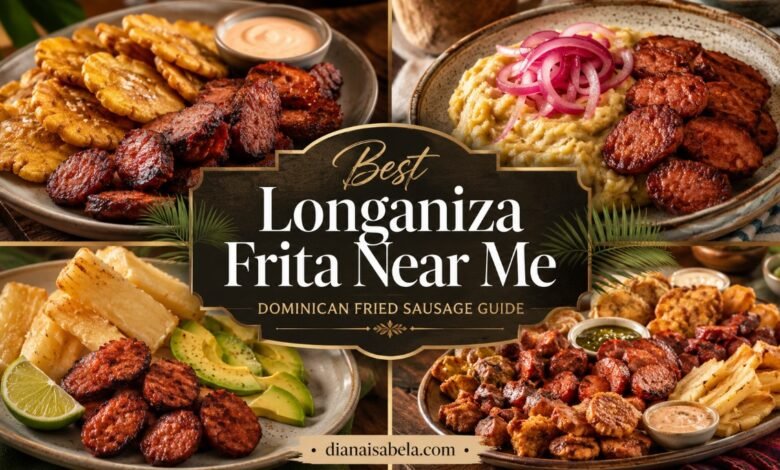
There are foods that make a discreet entrance, and then there is fried Dominican longaniza. A good plate arrives browned, fragrant with garlic and seasoning, salty in the way that makes a soft pile of mangú suddenly seem essential, and usually accompanied by something involving plantains, cassava or cheese that has also had a meaningful encounter with hot oil.
If you searched for longaniza frita near me, however, finding the right sausage is more complicated than it should be. American menus use longaniza for several different sausage traditions, and search results can cheerfully mix Dominican fried longaniza, Mexican longaniza, Spanish sausage, Puerto Rican preparations, Filipino longanisa and grocery-store packages as though they are all answers to exactly the same craving.
They are not.
This guide focuses on Dominican-style longaniza served in restaurants in the United States, especially when the sausage is explicitly fried. I looked for current restaurant menus, real menu prices, useful side dishes and places where ordering longaniza gives you something more helpful than seeing the word buried somewhere between twenty unrelated menu items.
And because a restaurant guide should help you do more than locate a building, we are going to answer the questions menus rarely answer well. Should your first plate come with mangú or tostones? How much food do two people actually need? Is a simple order better than a giant picadera for your first taste? What survives takeout? What should you order for children or a picky eater? Why is one sausage crisp and juicy while another seems to have absorbed the personality of a frying pan? And when is a place worth making a special detour for?
Current restaurant menus give particularly useful Dominican longaniza leads in New York, New Jersey, Florida, Pennsylvania, Massachusetts, Rhode Island, Connecticut and Maryland. Dominican neighborhoods, cafeterias, delis, fritura counters and family restaurants are usually more productive places to look than a broad search for “Latin sausage.”
Prices checked: August 2026. Restaurant, pickup and delivery prices can change, and third-party ordering prices may differ from direct restaurant prices.
What is longaniza frita?
Longaniza frita is fried longaniza sausage; in Dominican cooking, longaniza is commonly a highly seasoned sausage, often pork-based, with a savory, garlicky and herbal character. Recipes vary between producers, families and restaurants, which is why it makes more sense to think of Dominican longaniza as a sausage tradition rather than one rigid formula.
The frying matters because it changes the entire experience. Browning gives the exterior deeper flavor, the casing tightens and develops texture, and the fat inside begins to render while the meat heats. When those things happen in balance, the sausage can have crisp edges without becoming dry inside.
That sounds simple until you eat a bad one.
A poorly handled sausage can be pale and oily because it never browned properly, or deeply colored but strangely dry because it spent too long over heat. The casing can feel pleasantly snappy or unpleasantly leathery. Those differences explain why two restaurants can both list longaniza and still serve remarkably different plates.
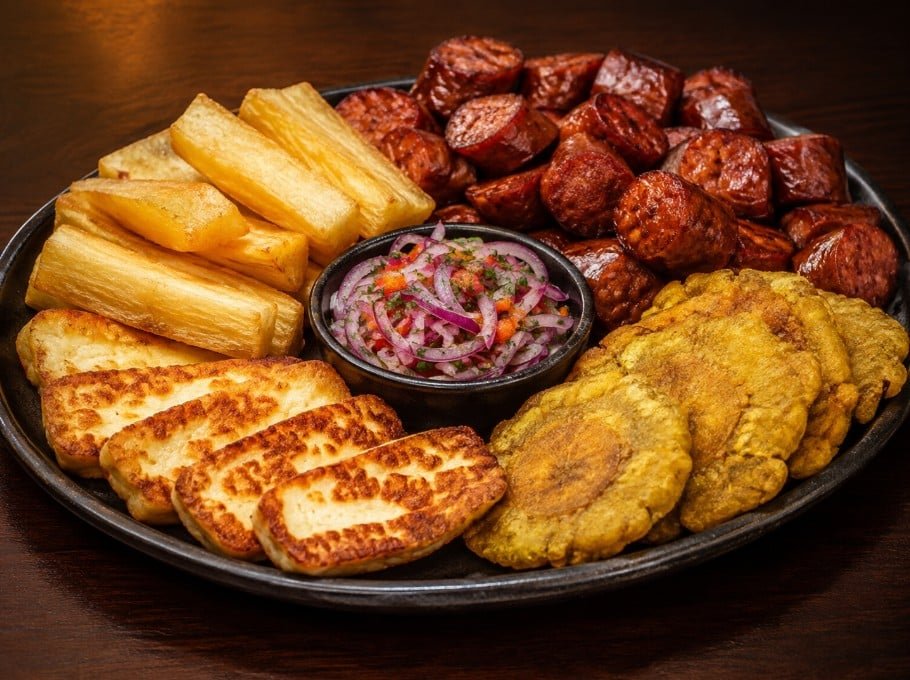
Dominican longaniza also belongs naturally in the world of fritura and picadera: foods built around frying, sharing and contrast. It may arrive beside tostones, yuca, fried cheese, salami, pork or chicken. But current Dominican restaurant menus also move it into breakfast combinations, mangú and mofongo, which makes it one of those foods that seems perfectly comfortable at breakfast, lunch, dinner or the mysterious meal that happens after someone says, “Let’s just order a few things for the table.”
For the ingredient, seasoning and cultural story rather than restaurant hunting, continue with my guide to what Dominican longaniza actually is.
Eight useful places to begin the search
A national food guide does not become smarter because it contains seventy restaurant names. I would rather give you one useful current example from a state and then send you to a deeper local guide than bury the places that matter beneath an impressive-looking directory nobody wants to finish reading.
The restaurants below are therefore starting points, not declarations that each is the only or unquestionably “best” place in its state. What makes them useful is simpler: their menus give us meaningful current evidence of Dominican longaniza, and several explicitly identify the sausage as fried.
Fritura El Fuerte
Address: 148 Post Ave, New York, NY 10034
Phone: (646) 423-1224
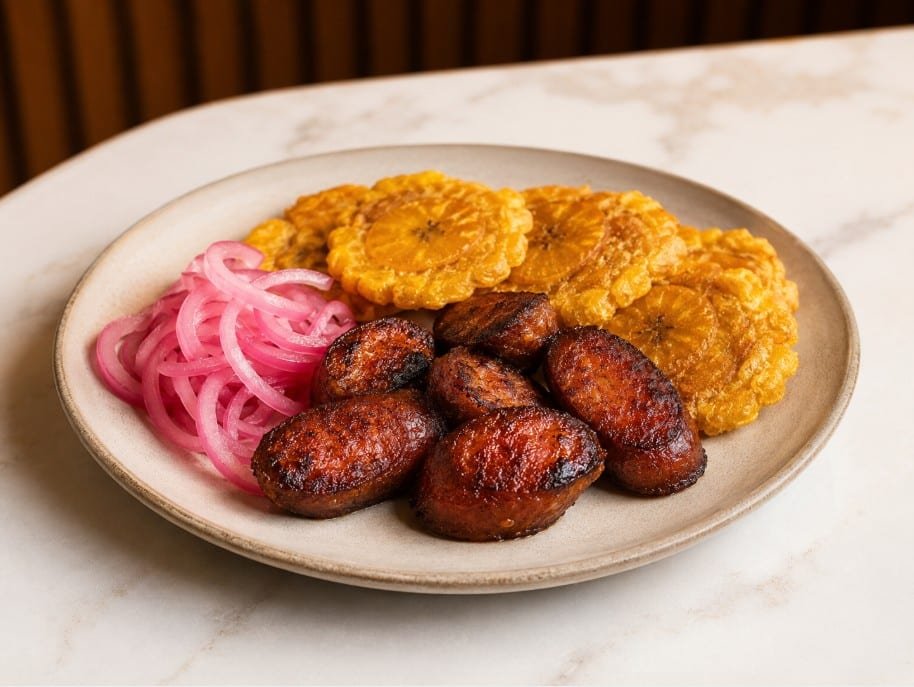
Menu find: Longaniza y tostones
Checked price: about $15
Diana’s order: start with longaniza and tostones before graduating to the giant mixed fritura. It lets the sausage introduce itself before eight other fried foods start talking over it.
El Merenguito
Address: 313 Washington Ave, Belleville, NJ 07109
Menu find: Dominican sausage and longaniza combinations
Useful context: Dominican breakfast and mofongo
Best for: seeing longaniza as part of a larger Dominican meal
Diana’s order: New Jersey is a good place to move beyond “sausage plus fried side.” If your table wants mangú, mofongo, cheese and longaniza in the same lunch conversation, this is the kind of menu that makes sense.
El Tiesto Cafe
Address: 2501 Biscayne Blvd, Miami, FL 33137
Menu context: Dominican-style longaniza and picadera
Useful order: longaniza with classic fried sides
Best for: a first tasting or sharing with friends
Diana’s order: Florida is especially good when you want to turn longaniza into a full Dominican sharing meal. Just bring actual people if you are moving into picadera territory. Confidence is not a serving-size category.
El Tipico Criollo
Address: 963 N 11th St, Reading, PA 19604
Phone: (610) 750-5567
Menu wording: Longaniza Frita / Fried Dominican Sausage
Checked price: about $13; larger combo about $27
Diana’s order: this is the kind of menu wording I love because nobody has to conduct sausage archaeology before lunch. If you specifically searched for frita, seeing the word in black and white is reassuring.
Güira & Tambora
Address: 4014 Washington St, Roslindale, MA 02131
Menu find: Longaniza con tostones
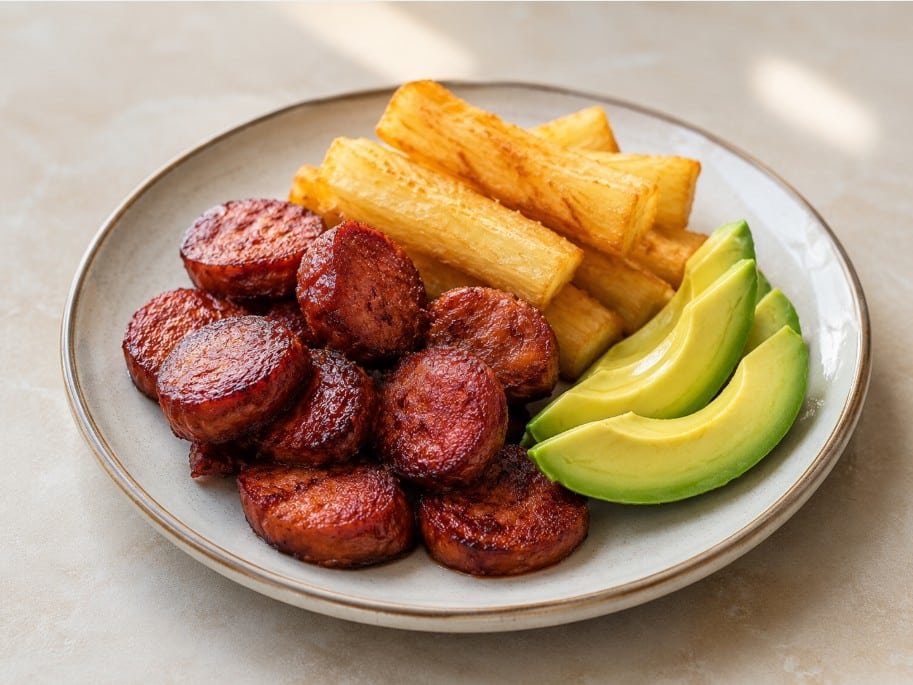
Also listed: Longaniza con yuca frita
Checked price: about $15 for either pairing
Diana’s order: if there are two of you, order one plate with tostones and one with yuca. Same sausage, different starch, instant comparative food research disguised as lunch.
Mi Sueño
Address: 1070 Broad St, Providence, RI
Menu wording: Fried Dominican Sausage
Checked price: about $18
Good context: Dominican breakfast and fried sides
Diana’s order: Rhode Island is a useful reminder that small geography can still produce a worthwhile guide. Providence does most of the talking here, and there is no need to pretend otherwise.
Quisqueya Deli & Market
Address: 216 White St, Danbury, CT 06810
Phone: (203) 731-2767
Menu find: Fried Dominican Sausage with Tostones
Checked price: about $14
Diana’s order: this is the beautifully uncomplicated route: fried sausage and fried green plantains. Save the complicated breakfast architecture for the morning when you have nowhere urgent to be afterward.
Cazabe Restaurant
Address: 8801 Washington Blvd, Jessup, MD 20794
Phone: (240) 456-0888
Menu context: Dominican longaniza and sharing platters
Best for: a group or family-style Dominican meal
Diana’s order: Maryland is where I would think in terms of a full Dominican table rather than one isolated sausage order. If several people are eating, let the menu work for you and order contrast rather than duplicates.
Where should you actually search inside a state?
Look for Dominican food corridors, not state lines. Longaniza frita is much more likely to cluster around Dominican neighborhoods and restaurant communities than to distribute evenly across an entire state.
This sounds obvious until you search “longaniza frita Florida” and imagine every part of Florida has equal odds. Miami has a different Caribbean and Dominican food landscape from a small town several hours away. Massachusetts gives us Roslindale. Rhode Island quickly becomes a Providence story. Connecticut has individual pockets rather than one uniform statewide scene.
New York is especially neighborhood-driven. Pennsylvania is interesting for almost the opposite reason: several different cities can contribute useful Dominican restaurant inventory. That is why a strong local guide should tell you where the food actually concentrates instead of pretending geography distributes itself neatly for our convenience.
A smarter local search: try combinations such as Dominican restaurant + city, fritura Dominicana + city, longaniza con tostones + city, mangú con longaniza + city or picadera Dominicana + city. The exact sausage often hides inside a menu that is described more broadly by cuisine than by one dish.
If a menu only says “longaniza,” call before making a long drive. Fried, grilled and mixed-dish versions are all legitimate food, but they are not identical answers when your craving is specifically for longaniza frita.
How much should longaniza frita cost?
Simple longaniza orders often sit in the low-teens range, while plates with tostones, yuca, mangú or mofongo usually move higher. Breakfast combinations and large picadera or fritura platters cost more because they contain substantially more food.
The useful question is not simply “How much is longaniza?” It is “What am I actually getting for that price?” A standalone sausage order, a plate with plantains, a Dominican breakfast and a platter meant for several people should not be compared as though they are four sizes of the same entrée.
| Order format | Useful ballpark | Usually right for | What you are really ordering |
|---|---|---|---|
| Simple longaniza order | About $10–$13+ | 1 tasting / 2 sharing | Mainly the sausage itself |
| Longaniza + tostones or yuca | About $14–$16 | 1 adult | Protein plus substantial starch |
| Longaniza + mangú | About $15–$18 | 1 | A fuller comfort-food meal |
| Dominican breakfast combination | Mid-teens to $20+ | 1 hungry adult / 2 lighter eaters | Several components, not just sausage |
| Mixed picadera or fritura | $25–$50+ | 2–6 depending on size | Variety and sharing |
How I decide whether the price actually makes sense
First, check what comes with the sausage. A $15 plate that already includes tostones may be more useful than a cheaper standalone order if you were going to add a separate side anyway. Second, look at whether the restaurant calls the item a side, appetizer, entrée, combination or platter.
Third, consider the format of the restaurant. A deli counter, neighborhood cafeteria and polished full-service restaurant will not necessarily use the same portion logic. Delivery platforms can also show different prices from direct pickup.
And finally, do not let a huge platter seduce you with theoretical cost efficiency if you are dining alone. The cheapest cost per ounce is not automatically the wisest lunch decision. Wholesale clubs have already taught us enough about that.
What tastes best with longaniza frita?
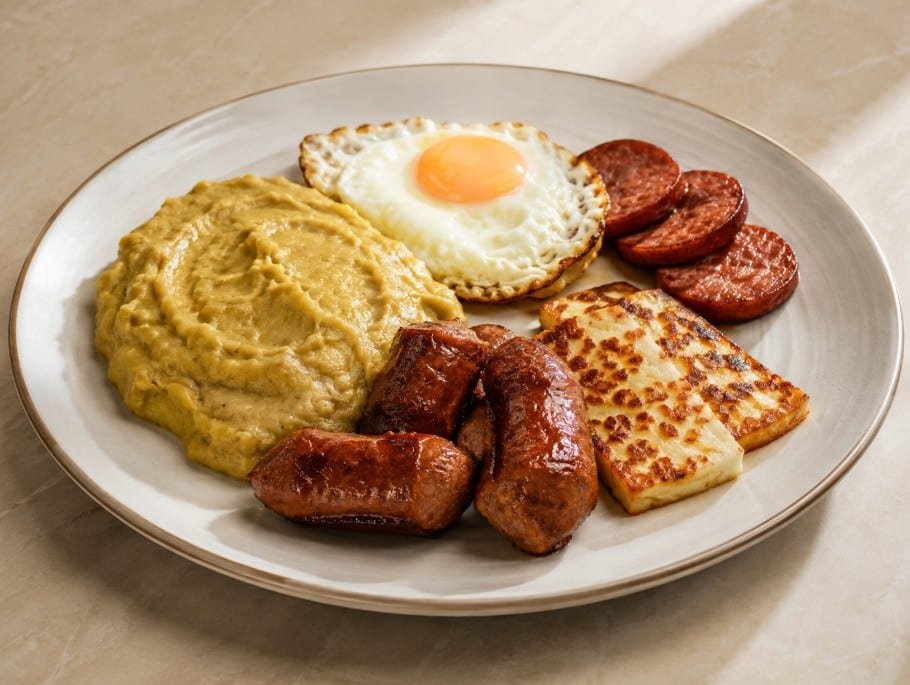
Mangú is the softest and most comforting pairing; tostones maximize crispness; yuca makes the meal denser and more substantial; avocado and onions bring freshness when the plate is already rich.
The smartest side dish does not merely “go with sausage.” It changes what the entire meal feels like. Longaniza already brings salt, seasoning, meat, fat and browned flavor. A good companion can absorb, contrast or refresh those qualities.
Mangú: when you want comfort rather than crunch
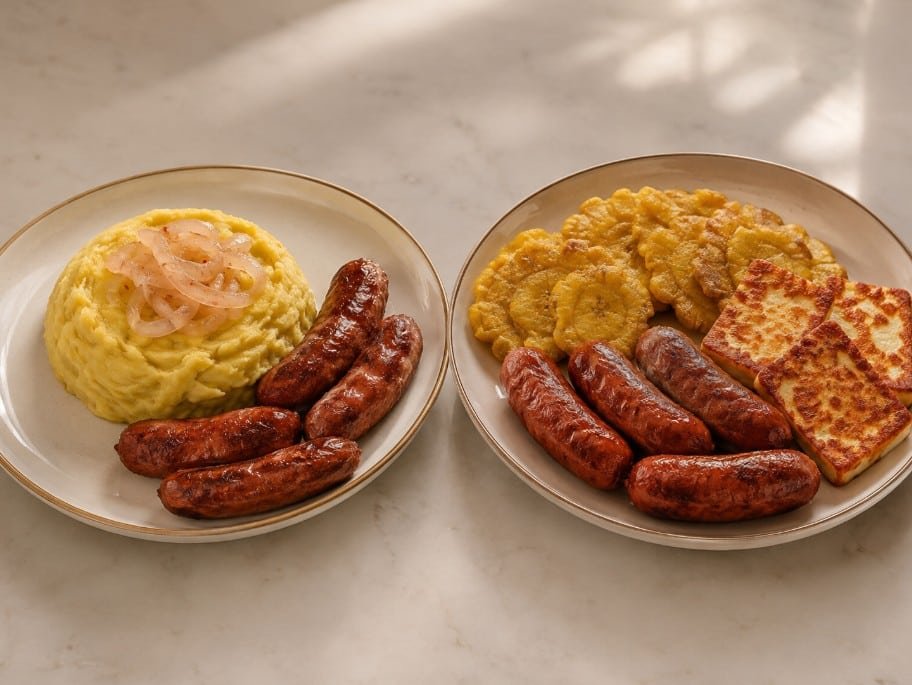
Mangú is mashed green plantain, and its mild, soft character is almost tailor-made for a strongly seasoned sausage. It creates contrast without competing. The plantain gives the sausage juices somewhere to go, while the sausage gives a relatively restrained starch much more personality.
If onions are part of the plate, do not treat them as decoration. Their sharpness and acidity can be exactly what prevents a rich breakfast from becoming monotonous.
This is my first choice for someone who generally loves mashed potatoes, polenta and soft comfort-food textures. If the same person will choose crisp fries over mash every single time without even looking at the menu, I would send them toward tostones.
Tostones: when you came to hear things crunch
Tostones are twice-fried green plantains, so longaniza with tostones is a much more textural plate. Crisp sausage meets crisp plantain. The pairing keeps both foods distinct and is particularly useful for someone trying longaniza for the first time.
The risk is obvious: fried plus fried plus fried can eventually flatten into one rich register. This is where onions, avocado or something bright become disproportionately important.
Yuca: when you want the plate to feel more like dinner
Cassava is denser than plantain and has a satisfying starchy interior. Fried yuca gives you a crisp shell; boiled yuca creates a calmer, heavier base.
For dinner, I often like the idea of yuca because it holds its own against sausage without automatically making the meal feel like breakfast. It also gives the table another texture if everyone else has already ordered plantains.
Mofongo: when you want the sausage integrated into the dish
Mofongo changes the relationship completely. Instead of sausage simply sitting beside a starch, mashed fried plantain becomes part of a composed dish. Garlic, plantain and longaniza begin sharing the same bites.
For a first-ever taste of longaniza, I still prefer a simpler plate because it lets you identify the sausage more clearly. For visit number two, mofongo is exactly the kind of escalation I support.
Queso frito: wonderful, but richness needs supervision
Fried white cheese and fried sausage are both salty, browned and substantial. Together they can be fantastic, especially inside a Dominican breakfast. They can also be the point where the person who ordered “just a few things to try” realizes the table has become a competitive eating event.
If both are coming, something sharp or fresh elsewhere on the table becomes even more useful.
Avocado: the very sensible friend
Avocado gives you cool creaminess without adding another fried surface. It is particularly useful beside longaniza, tostones and fried cheese because it changes both temperature and texture.
It may be the least dramatic item on the table. That is precisely why it works.
Rice and beans: less glamorous, very practical
Rice and beans move longaniza out of snack territory and into a familiar full-meal format. Rice absorbs juices; beans add moisture and their own seasoning. If what you want is lunch rather than a tasting exercise, this can make more practical sense than ordering three separate fried sides.
For the deeper pairing guide, continue with what to eat with longaniza frita and my separate guide to longaniza frita with mangú.
What should you order for the people actually sitting at the table?
Restaurant menus are excellent at telling us what exists and surprisingly poor at explaining whether we have just ordered lunch for one person, two people or a small wedding rehearsal.
Longaniza becomes especially confusing because it can appear as a standalone sausage order, a plate with plantains, part of breakfast or one component inside a huge sharing platter. Those are entirely different social situations wearing the same sausage.
| Situation | Best starting order | Why it works |
|---|---|---|
| First taste ever | Longaniza + tostones | The sausage stays easy to identify |
| Comfort breakfast | Longaniza + mangú + onions | Soft plantain balances salt and richness |
| Light eater | Small longaniza order + shared starch | You get the experience without an enormous meal |
| Two friends | One substantial plate + one contrasting side | More variety without duplicate food |
| Hungry adult | Mofongo or longaniza + yuca/mangú | Enough starch for a real meal |
| Couple | One soft pairing + one crisp pairing | You get contrast instead of two identical plates |
| 3–4 friends | Picadera + one substantial side | Sharing becomes practical and fun |
| Takeout | Longaniza + mangú or rice | Less dependent on staying crisp |
For one young woman who wants something delicious but not enormous
I would choose a modest longaniza portion and one real side rather than a five-component breakfast. Tostones if you want something playful and crisp; mangú if you want comfort; avocado or onions if the plate already looks rich. Sharing the starch is often more sensible than ordering “a little of everything” and discovering that “little” has wildly different definitions across restaurants.
For two girlfriends at brunch
One Dominican breakfast combination plus one additional crisp side creates a much more interesting table than two identical breakfasts. You can taste mangú, egg, cheese, salami and longaniza, then add tostones or yuca for contrast. Add coffee, fresh juice or morir soñando if available. Brunch is allowed a little theatre.
For a couple who likes sharing
Order one softer plate and one crisper plate. Mangú with longaniza plus longaniza with tostones works beautifully. Now every bite can be rearranged, compared and stolen from the other person, which is one of the functional purposes of dating.
For the person who says “I’m starving” and actually means it
Move toward mofongo, mangú with several breakfast components or a full longaniza plate with yuca. This is not the moment for a tiny side order and optimistic thinking.
For three or four friends
This is where picadera starts making culinary and financial sense. One mixed platter gives everyone access to longaniza plus other fried foods. Add one substantial starch or something fresh instead of four extra fried side dishes. The table should look abundant, not like the fryer lost a legal dispute.
For a picky eater
Keep the architecture simple. Longaniza plus rice, plain yuca or a modest plantain side is easier to understand than a heavily composed dish. If garlic, herbs or sausage texture are already potential obstacles, do not introduce six unfamiliar foods at exactly the same time.
For children
For an older child who already enjoys sausage, first ask whether the restaurant’s version is particularly spicy or strongly seasoned. Then start with a modest amount beside a familiar mild starch such as rice, mangú or yuca.
For younger children, sausage shape matters too. Round coin-like pieces can be a choking hazard, so food needs age-appropriate preparation. If you are uncertain, a simpler child-friendly dish is a much better idea than turning lunch into an experiment.
What if you want the meal to feel a little lighter?
Longaniza is a rich sausage, so a lighter-feeling meal usually comes from controlling the sides rather than pretending the sausage itself has somehow become salad.
Choose one fried component instead of four. Pair a modest longaniza portion with avocado, onions, rice or another less aggressively fried accompaniment. Skip the simultaneous salami, fried cheese, tostones and fried yuca strategy unless abundance is specifically what you came for.
This is not a health claim. It is simply plate logic. Rich food becomes easier to enjoy when every component is not shouting at the same volume.
And sometimes the most satisfying choice is simply a smaller amount of exactly what you wanted. I would rather eat a modest portion of beautifully browned longaniza and excellent tostones than order a giant “lighter” meal that spends the entire lunch apologizing for itself.
Longaniza at breakfast: where it fits and where it does not
Longaniza frequently appears with mangú, eggs and fried cheese on Dominican restaurant menus, but classic Los Tres Golpes is generally associated with mangú plus fried egg, fried cheese and Dominican salami. Longaniza may be added or substituted, but it should not casually replace salami every time somebody explains the traditional trio.
This distinction matters because restaurant menus evolve. Some restaurants use “4 Golpes” for larger combinations that add another protein. That does not mean the expanded version erases the traditional three; it simply shows how restaurants preserve familiar food language while improvising around it.
Why longaniza works so naturally with mangú
The combination succeeds because each food supplies something the other lacks. Mangú is soft, mild and relatively restrained. Longaniza is browned, seasoned and texturally assertive. Onions add brightness. Fried egg contributes richness of a different kind. Fried cheese brings salt and chew.
Breakfast therefore becomes less about one star ingredient and more about alternating textures: soft plantain, crisp sausage edge, egg, cheese and sharp onion.
If that sounds like far too much before 9 a.m., nobody is requiring you to eat the entire Dominican breakfast before opening your email. Longaniza with mangú alone is already a coherent plate.
For the deeper cultural breakdown, continue with what Los Tres Golpes actually means.
Why one fried longaniza is crisp and another is greasy
Good fried longaniza needs enough effective heat to brown the exterior while allowing the inside to cook and render without becoming dry. Too little heat can leave the surface pale and oily; too much time can toughen the exterior and dry the filling.
There is another quiet villain: crowding. Put too much food onto a cooking surface at once and moisture has a harder time escaping. The environment becomes steamier, which works against the browning we actually want.
Restaurants obviously use different equipment and techniques, so there is no reason to pretend every kitchen follows one sacred frying method. The useful point for a diner is sensory: proper browning matters.
Whole link or sliced?
Sliced longaniza creates more exposed surface area. More surface can mean more browned edges and faster cooking. It can also mean easier moisture loss. Thin slices therefore give you a different bite from thicker chunks or longer pieces of sausage.
A thicker piece preserves more of the juicy interior-to-crust contrast. A thinner piece leans harder into crisp edges. Neither is automatically better simply because one looks more dramatic in a photograph.
Why the casing matters
The casing is part of the eating experience. Ideally it offers a little resistance before yielding to the filling. If it feels rubbery, that contrast becomes work instead of pleasure.
This is also why longaniza cannot be judged only by how dark it looks. A deeply browned sausage can still be dry. A paler one may be juicy but lack the fried character you specifically wanted.
Rendered fat is not the enemy
Longaniza is supposed to be a flavorful sausage. Some rendered fat is part of why it tastes good. The problem is not the existence of fat; it is a plate where grease overwhelms every other sensation.
The ideal impression is juicy, not soaked.
How can you tell whether a plate is worth getting excited about?
Look for browned sausage, crisp or caramelized edges, a moist-looking interior, distinct seasoning and sides that still have the texture they are supposed to have.
Smell is part of the first impression
A strongly seasoned sausage should smell like something. Garlic, herbs, pork and browning should arrive before your intellectual analysis of the plate does. If the dominant aroma is only fryer oil, the sausage has lost some of what makes it distinctive.
The side dishes are evidence too
A restaurant that serves excellent longaniza beside cold, limp tostones has still given you a compromised meal. Food is an ensemble. The sausage may have top billing, but the supporting cast can absolutely ruin the production.
Freshly fried matters
Longaniza is more forgiving than something paper-thin, but crispness is still best before steam and resting soften the surface. A busy fritura counter with good turnover can therefore be especially interesting.
When is a longaniza place worth a special drive?
I would not drive forty-five minutes merely because a menu contains the word longaniza. I would consider it when several signs line up.
Five first-timer mistakes that are easy to avoid
Ordering the biggest platter because it looks like better value
If you do not yet know whether you like longaniza, hiding two pieces inside a mountain of fried food tells you very little. Start smaller. Extravagance can wait until visit number two.
Assuming every longaniza is Dominican
The name travels across several cuisines. Restaurant identity matters.
Assuming every Dominican longaniza is fried
It may be grilled, incorporated into another dish or prepared differently. Ask when the menu is vague.
Ordering only rich sides
Longaniza, fried cheese, salami, tostones and yuca can be wonderful for sharing. For one person, adding onions, avocado or a calmer starch often creates a better meal.
Ignoring the size of a combination
A platter intended for several people is not an entrée with unusually high self-esteem. Read the description.
Does longaniza frita travel well?
The sausage itself usually travels better than delicate fried sides, but trapped steam gradually softens its browned exterior. Mangú, rice and beans are therefore more forgiving takeout partners than crisp tostones or fried cheese.
Think of a closed takeout container as a small steam chamber. Hot food goes in. Moisture rises. Everything that wanted to remain crisp begins reconsidering its plans.
Best choices for a longer ride
Longaniza with mangú is forgiving because nobody expects mashed plantain to stay crisp. Rice and beans also travel comfortably. Yuca can be reasonably resilient depending on preparation.
More time-sensitive choices
Tostones and fried cheese benefit more from immediate eating. If the restaurant can keep wetter sauces or onions separate, that can help protect the texture of fried components.
What about leftovers?
Cool and refrigerate leftovers promptly rather than leaving them at room temperature for an extended period, and reheat them thoroughly. If texture matters, a method that exposes the surface to dry heat generally makes more culinary sense than simply steaming the entire meal.
I keep the detailed method in my guide to reheating longaniza frita so this restaurant guide does not suddenly become an appliance manual halfway through lunch.
Longaniza is not automatically chorizo, salami or even Dominican
Dominican, Puerto Rican, Mexican and Spanish longaniza belong to related sausage traditions but should not be treated as interchangeable foods. Seasoning, meat mixtures, processing and serving traditions can vary substantially.
This matters enormously for a “near me” search. A Mexican restaurant serving longaniza tacos may be excellent, but it is not the same answer as a Dominican cafeteria serving fried longaniza with tostones.
| Menu term | Why people confuse it | What to check |
|---|---|---|
| Dominican longaniza | The focus of this guide | Fried, grilled or used inside another dish? |
| Dominican salami | Often appears beside the same breakfast foods | Different sausage product; strongly relevant to Tres Golpes |
| Chorizo | Another large family of seasoned sausages | Cuisine, seasoning and preparation |
| Puerto Rican longaniza | Shares the same broad sausage name | Regional identity and menu context |
| Mexican longaniza | Frequently appears in Mexican restaurant searches | Do not assume Dominican identity from the word alone |
| Spanish longaniza | Connected to older Iberian sausage traditions | Regional origin, processing and preparation |
Longaniza vs Dominican salami
These two can appear on the same breakfast table, which is probably why newcomers blur them together. They are not the same product and they do not play exactly the same role. Dominican salami is particularly associated with traditional mangú and Tres Golpes, while longaniza moves easily through fritura, sides, mofongo and breakfast variations.
Read the full comparison in longaniza vs Dominican salami.
Longaniza vs chorizo
The problem with asking whether longaniza is “basically chorizo” is that both words cover multiple regional sausage traditions. A simple yes or no removes the interesting part. For ordering purposes, the restaurant’s national cuisine and menu description are better clues than color alone.
See Dominican longaniza vs chorizo for the detailed comparison.
Dominican vs Puerto Rican longaniza
These traditions share Caribbean geography and the same broad sausage name, but they should not automatically be collapsed into one product. Producers, seasonings and serving styles vary.
I compare them separately in Dominican vs Puerto Rican longaniza.
If you only remember three orders, make them these
1. Longaniza + tostones
The clearest first taste. You get crisp sausage against crisp plantain, and neither disappears inside a larger composed dish.
2. Longaniza + mangú + onions
The comfort-food choice. Soft plantain absorbs some of the richness while onions brighten the plate.
3. A Dominican breakfast combination
The cultural-context choice. Mangú, egg, fried cheese, salami and longaniza show how the sausage fits into a larger Dominican breakfast vocabulary. Just check the serving size before becoming emotionally attached to every side.
What I would drink with longaniza
A rich fried sausage likes something refreshing beside it. Cold water is underrated. Passion fruit or citrus-forward drinks make intuitive sense because fruit and acidity contrast nicely with savory food.
Then there is morir soñando, the Dominican orange-and-milk drink that appears on many Dominican restaurant menus. It is creamy rather than aggressively palate-cleansing, but as part of a Dominican breakfast or lunch it is culturally difficult to argue against.
If your plate already contains sausage, fried cheese, salami and tostones, though, plain cold water may be the friend in the group who remembered everybody eventually needs to get home.
How I would build the perfect first table for four
If four curious people wanted to understand longaniza rather than simply become extremely full, I would not order four identical sausage entrées.
I would begin with one portion of longaniza and tostones because that gives everyone a clear baseline. Then add one mangú-based plate with longaniza so the table can compare crisp and soft plantain. A yuca or mofongo dish can provide the third starch experience, depending on the menu.
Then I would add one contrasting Dominican item that is not simply another sausage — perhaps fried cheese, avocado, another house specialty or something fresh. The point is variety.
If the restaurant offers a sensibly sized picadera, it can replace several individual orders. But I still want at least one component that is not merely another fried protein.
This table teaches you more, wastes less food and creates much better conversation than four copies of exactly the same plate.
Know a longaniza place I should check?
Local food changes faster than guides do. Restaurants open, menus change, prices move and somebody quietly starts making the best longaniza in the neighborhood while the internet is still recommending a place that closed months ago.
If you know a Dominican restaurant, cafeteria, deli or fritura counter serving excellent longaniza, send me the restaurant name, city, exact dish and current price if you have them. Photos of the dish or location are welcome too.
Email me at info@dianaisabela.com. If the information can be verified, it may help make this guide better for the next hungry person standing in a parking lot searching “longaniza frita near me” and slowly losing patience with the internet.
What is longaniza frita?
Longaniza frita is fried longaniza sausage. In Dominican cuisine, longaniza is commonly a strongly seasoned sausage, often pork-based, with savory garlic and herbal notes. Recipes vary between producers and restaurants.
Is Dominican longaniza spicy?
Dominican longaniza is usually better described as strongly seasoned than universally hot. Garlic, oregano, pepper and other aromatics can create an assertive flavor without intense chile heat. Individual recipes vary.
What does Dominican longaniza taste like?
Dominican longaniza usually tastes savory, garlicky, herbal and rich, with additional browned flavor when fried. The exact seasoning, salt level and fat content depend on the producer.
What is the best side for longaniza frita?
Mangú is ideal for a soft, comforting contrast, while tostones are the better choice for maximum crunch. Yuca makes the meal more substantial, and avocado or onions can add freshness to a rich plate.
How much does longaniza frita cost?
Menus checked for this guide in August 2026 show simple longaniza orders commonly in the low teens, while plates with plantain, yuca, mangú or mofongo generally cost more. Larger Dominican breakfast combinations and sharing platters can move into the $20 to $50-plus range depending on size.
Is longaniza the same as Dominican salami?
No. Dominican longaniza and Dominican salami are different sausage products with different textures and culinary roles. Dominican salami is strongly associated with the traditional Tres Golpes breakfast, while longaniza commonly appears in fritura, mofongo and other combinations.
Is Dominican longaniza the same as chorizo?
No. Longaniza and chorizo belong to different sausage traditions, although both have many regional variations. Cuisine, seasoning and preparation are more useful identifiers than color alone.
Can you eat longaniza for breakfast?
Yes. Dominican restaurant menus frequently serve longaniza with mangú, eggs, fried cheese and other breakfast foods, or add it to larger breakfast combinations.
Is longaniza part of Los Tres Golpes?
Traditional Los Tres Golpes is generally mangú served with fried egg, fried cheese and Dominican salami. Longaniza can be added or substituted on restaurant menus, but it is not normally one of the canonical three components.
Is longaniza frita good for takeout?
The sausage itself travels reasonably well, but steam inside a closed container softens browned surfaces. Mangú, rice and beans generally tolerate a longer trip better than crisp tostones or fried cheese.
What should I order if I have never tried longaniza?
Longaniza with tostones is a good first order if you enjoy crisp food. Longaniza with mangú is better if you prefer a softer comfort-food meal. A regular plate is usually more useful for a first tasting than a very large mixed fritura platter.
Where can I find Dominican longaniza in the United States?
Current menu research gives particularly useful leads in New York, New Jersey, Florida, Pennsylvania, Massachusetts, Rhode Island, Connecticut and Maryland, especially around Dominican neighborhoods, cafeterias, delis and fritura restaurants.