Shchi Soup Near Me in South Korea: Where to Look in Seoul and Beyond
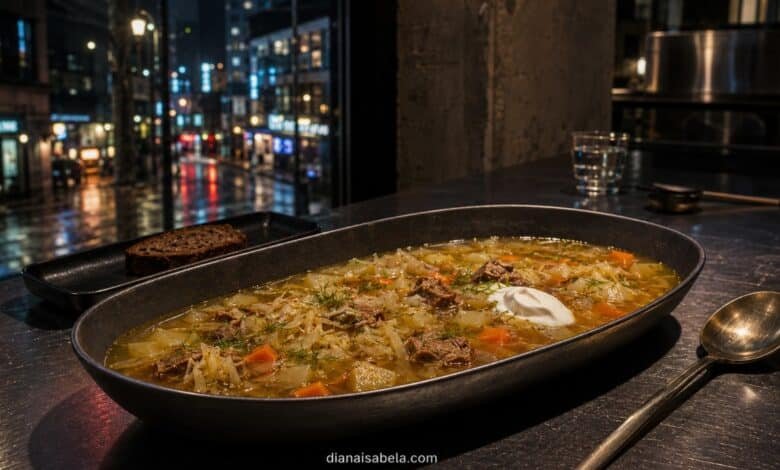
Seoul may be one of the more intriguing places to search for shchi because the city gives you two very different food worlds to investigate. Itaewon has long been comfortable with international restaurants, including Russian cooking. Around Dongdaemun, meanwhile, Gwanghui-dong’s Central Asia Street has Cyrillic signs, Uzbek restaurants, Russian-oriented grocery shops and a food culture built by communities from across the former Soviet region.
And yet the specific soup remains elusive. I can confirm Russian food, borscht and even seasonal cold soups in Seoul much more easily than I can confirm a permanent current menu listing for classic shchi. So this is not a page where I am going to take a Russian restaurant, add cabbage in my imagination and declare the investigation complete.
Instead, this is how I would actually look: begin with Itaewon’s Russian kitchens, move toward Dongdaemun’s Central Asian food district, search the name in Russian as well as English and Korean, and ask about daily soup before crossing Seoul for a bowl that may have existed only on last winter’s menu.
Seoul Has Russian Soup. The Harder Question Is Whether Today’s Soup Is Shchi.
This distinction matters. A Russian restaurant serving borscht, pelmeni, golubtsy and shashlik is clearly relevant to the search, but none of those dishes proves that cabbage shchi is simmering in the kitchen. The same applies to a Central Asian restaurant in Dongdaemun: shared culinary history and overlapping ingredients create possibilities, not guarantees.
As of this check, I did not find a sufficiently reliable current permanent menu listing for classic shchi at a South Korean restaurant to call any bowl guaranteed. That makes Seoul a call-first destination rather than a city where I would send you across town based on an old menu photograph.
If the name itself is still slightly mysterious, my introduction to the fresh, sour and green branches of the soup makes the search much easier. Once you know whether you want mild fresh cabbage, fermented sauerkraut or tart sorrel, asking the restaurant becomes considerably more useful.
Itaewon Is the Obvious First Stop
Itaewon has spent decades being one of Seoul’s most internationally minded dining neighborhoods, so it is unsurprising that Russian cooking has a foothold here. If I wanted a sit-down Russian meal and hoped to discover a seasonal cabbage soup, this is where I would begin.
Troika
Troika is an established Russian restaurant near Itaewon Station. Its current listings include borscht alongside dishes such as golubtsy, blini, beef stroganoff, cutlets and shashlik, making it one of Seoul’s clearest places to begin if you want Russian cooking rather than a generic European menu.
Recent diners also mention seasonal okroshka, which is useful because it shows that the soup selection is not necessarily limited to borscht. I still would not promise shchi without asking. If cabbage soup is the entire reason for your visit, call and ask whether there is shchi, щи or a Russian cabbage soup available that day.
If Troika offers borscht but not shchi, that is still a very different lunch rather than a failure. Beetroot gives borscht its earthy sweetness and colour, whereas shchi builds its identity around cabbage. This is how I compare those two famous bowls once the ingredient-list similarities stop being useful.
For a More Interesting Search, Go Toward Dongdaemun’s Central Asia Street
A few minutes from Dongdaemun Design Plaza, the character of Gwanghui-dong changes. Korean signage begins sharing space with Cyrillic, and the neighborhood contains Central Asian restaurants, food shops and trading businesses shaped by decades of migration from Uzbekistan, Kazakhstan, Russia and other parts of the former Soviet region.
This matters for shchi because the soup is home food. A dish does not need to become a fashionable restaurant signature to exist in a community’s kitchens, small prepared-food businesses or grocery ecosystem. In fact, this is exactly the kind of neighborhood where I would be more interested in asking what soup was cooked today than reading a polished English-language menu.
But the cultural mix also means you need to be precise. Uzbek plov, samsa and shurpa are not Russian shchi merely because Cyrillic appears outside the restaurant. Central Asian cuisine has its own dishes and deserves better than being treated as a generic path to “something Russian.”
I would use the district as a network: restaurants can point you toward grocery stores, grocery stores may know home-food sellers, and Russian-speaking staff may recognize щи immediately even if the English transliteration never appears anywhere.
The Grocery Store May Know More About Your Soup Than a Restaurant Directory
Near Dongdaemun History & Culture Park, specialist shops sell imported Russian and regional foods. That is valuable even when they do not sell hot shchi themselves, because sauerkraut, sour cream, dark bread, preserved foods and familiar pantry products naturally attract customers who actually cook these dishes.
Katrin
Katrin is listed as a small Russian grocery near Dongdaemun History & Culture Park selling imported foods from Russia. I would not tell you that a pot of shchi is waiting there — I have no evidence for that. I would use a shop like this for ingredients and, if language allows, simply ask whether anyone nearby sells homemade Russian soups.
This is the kind of practical question a neighborhood food business can sometimes answer much better than an international restaurant directory.
That same approach works almost anywhere shchi is difficult to locate. I use this method whenever the best chance of finding soup is a prepared-food counter or community shop rather than a permanent restaurant listing.
My Seoul Search Would Use Four Alphabets Before I Gave Up
Okay, technically three writing systems and several transliterations, but the point stands: English alone is unnecessarily limiting. Shchi is an especially awkward word for search because even English speakers are not always sure what to do with four consecutive consonants.
The Most Useful Korean Sentence Is Not Complicated
If I were calling a restaurant, I would keep the question simple:
“오늘 러시아식 양배추 수프나 쉬가 있나요?”
In practical English, you are asking whether they have Russian cabbage soup or shchi today. If the name causes confusion, describe the defining ingredient rather than trying to win a pronunciation contest.
Then I would ask whether it uses fresh cabbage or fermented cabbage. The distinction can change the entire meal. Fresh shchi is gentler and often slightly sweet from cooked vegetables; sour shchi gets its deeper tang from sauerkraut.
If that difference is exactly what you are deciding between, this is my closer look at what fresh and fermented cabbage do once they enter the broth.
Kimchi Does Not Turn Shchi Into a Korean Cabbage Soup — and It Should Not
Korea makes cabbage fermentation feel wonderfully familiar, but kimchi and sauerkraut are not interchangeable merely because both begin with cabbage and microbes. Kimchi brings its own seasonings, aromatics, varieties and fermentation traditions. Sauerkraut creates a very different flavor profile.
I would absolutely be curious to taste a thoughtful Korean-Russian interpretation someday, but if I am searching for classic sour shchi, I want to know whether the kitchen is actually using sauerkraut or another fermented cabbage preparation intended for the dish.
That distinction is useful because a search for “fermented cabbage soup Seoul” can very quickly leave Russia behind and enter an enormous Korean soup universe. Delicious, yes. The same craving, no.
Sour Soup Is Hardly a Foreign Idea in Korea
What may feel surprisingly familiar to a Korean diner is not the exact seasoning but the broader logic. Fermented vegetables, brothy meals, preserved ingredients and strongly flavored soups already belong comfortably at the Korean table. Sour shchi therefore has less conceptual distance to travel than its unfamiliar name suggests.
Still, the flavor is much quieter than kimchi jjigae. Shchi does not normally arrive with the same chile-driven heat or fermented seafood notes. Sauerkraut gives sourness and cabbage character, while beef, chicken, mushrooms or vegetable broth create the savory base.
If you want the flavor described before you spend an afternoon searching Seoul, this is how I separate gentle fresh shchi, fermented sour shchi and the tart green version.
If You Find Solyanka Instead, Do Not Expect the Same Kind of Sourness
Russian restaurants can make solyanka easier to encounter than shchi because its rich combination of meats, pickled cucumber and other sharp ingredients has a dramatic restaurant personality. It announces itself. Shchi is more likely to behave like someone’s actual lunch.
Sour shchi gets acidity primarily from fermented cabbage. Familiar meat solyanka is more pickle-driven and can include tomato, sausage or several meats, olives and lemon. It is usually saltier, darker and louder.
If a Seoul restaurant gives you the choice one day, my comparison explains why these two sour soups end up tasting nothing alike despite sharing a talent for cold-weather comfort.
Green Shchi Could Hide Under a Completely Different Name
Sorrel soup is where terminology becomes especially slippery. Green shchi may be described as sorrel soup, green soup or even grouped with the broader green-borscht vocabulary depending on the kitchen and family tradition.
If a Russian restaurant mentions a seasonal green soup, ask what the greens are. Sorrel gives a naturally tart, lemony character and is commonly accompanied by potato, broth, egg, herbs and sour cream.
It is not simply cabbage shchi dyed green. This is why I treat the sorrel version as a distinct bowl with its own expectations.
Korean Winter Is Very Good Shchi Weather
Seoul does not need help understanding winter soup. Once the temperature drops, a bowl of cabbage, potato, meat and hot broth feels perfectly at home in a city already fluent in the emotional importance of something steaming on the table.
Sour shchi makes particular sense because fermentation gives the broth intensity without requiring a thick cream base. Add rye bread and sour cream and it becomes the sort of dinner that makes leaving a heated room afterward feel like a questionable life decision.
Summer changes the calculation. That is when finding okroshka at a Russian restaurant suddenly feels far more reasonable than insisting on a large bowl of steaming beef broth in Seoul humidity.
What Would I Order at Troika If Shchi Is Not Available?
If I had already reached Itaewon, I would not stage a dramatic cabbage-related exit. Borscht gives you one important branch of Eastern European soup culture, while seasonal okroshka takes you somewhere completely different: cold, fresh, tangy and built for warm weather.
That is part of why I like Russian soup menus more than the shorthand suggests. Shchi is not merely “the other soup after borscht.” Solyanka, rassolnik, ukha, okroshka and green soups all solve different appetites.
If you want to choose an alternative without blindly pointing at the menu, I put seven very different soup personalities together here.
Beyond Seoul, Search the Community Before You Search the Soup
Once you leave Seoul, I would lower my expectations for a permanent shchi listing and broaden the first step. Search Russian, Uzbek, Kazakh and broader Central Asian communities, imported-food shops and home-style kitchens, then ask whether anyone makes Russian cabbage soup.
Busan
As a major port and international city, Busan is the first place outside Seoul where I would investigate Russian-speaking and Central Asian food businesses. But I would still verify the exact soup rather than treating a shashlik restaurant as evidence of shchi.
Incheon
The international population and proximity to Seoul make community food searches worthwhile. Imported-food businesses can be useful not only for ingredients but for finding people who cook dishes that never appear on permanent restaurant menus.
Ansan
Ansan’s international communities make it another city where a language-specific search can outperform a generic English restaurant query. Search Russian and Central Asian food first, then ask about cabbage soup and daily specials.
Elsewhere in South Korea
If the nearest Russian-food business is hours away, I would stop treating restaurant discovery as the only possible victory. Shchi is unusually practical to make at home because the basic ingredients are ordinary vegetables rather than rare imported luxuries.
A Korean Supermarket Already Gives You Most of the Pot
Cabbage, potatoes, carrots, onions, garlic and meat are not the difficult part. Fresh shchi can therefore be made almost anywhere in South Korea without turning ingredient shopping into a diplomatic mission.
Sauerkraut is the more specialized item if sour shchi is your goal, though imported-food stores and online retailers make it far less exotic than it once was. Dill and appropriate dark bread may also require a little more deliberate shopping.
I would resist replacing sauerkraut with seasoned kimchi merely because it is convenient. That could produce an interesting soup, but it would move the flavor dramatically away from the classic sour-shchi profile.
What Should You Ask Before Ordering?
First: is it actually shchi? Then ask what cabbage is used. After that, the broth.
- Is the soup available today?
- Does it use fresh cabbage or sauerkraut?
- Is the broth beef, chicken, mushroom or vegetable?
- Does it contain potatoes?
- Is sour cream served with it?
- Is it permanent or seasonal?
Those questions tell you almost everything you need without interrogating the poor person answering the phone. If the menu is particularly vague, this is the method I use to decode the bowl before it reaches the table.
What Should You Eat With It in Seoul?
If you finally locate sour shchi, I would keep the first meal fairly traditional so you can actually understand the soup: sour cream, fresh dill and good dark bread. If it is a substantial meat-and-potato version, that may already be enough.
A lighter fresh-cabbage bowl leaves more room for pelmeni, kotleti, buckwheat or another savory dish. What I would not do is order half the menu merely because locating shchi felt like winning a scavenger hunt.
For different combinations, this is how I build the rest of the table around mild, sour and green versions without making every dinner unnecessarily enormous.
If Seoul Cannot Produce the Bowl Today, Make the Bowl
Shchi has one enormous advantage over many foods people chase internationally: it is not technically difficult and it does not depend on a long list of region-exclusive ingredients. The quality comes from broth, cabbage, timing and balance.
Fresh cabbage gives you the easiest Korean shopping list. Beef creates a deeper winter broth; chicken keeps the soup gentler; mushrooms make a convincing meatless base. For the sour version, get proper sauerkraut and let fermentation supply the acidity rather than trying to imitate it with a heroic amount of vinegar.
If the restaurant trail has become more complicated than dinner deserves, my recipe starts with classic fresh-cabbage shchi and then shows exactly how I move the pot toward sauerkraut.
And Make Enough for Tomorrow
Shchi is excellent leftover food because the broth and vegetables continue tasting more integrated after resting. Sour shchi in particular can become even more cohesive after a night in the refrigerator.
For a large batch, freeze meal-sized portions before adding sour cream. Cabbage and broth cope with freezing well; potatoes can become softer, while dill and dairy are much nicer when added fresh after reheating.
If your Seoul apartment freezer is about the size of a handbag, portion control becomes even more important. This is how I store the soup without sacrificing every centimeter of freezer space to one enormous cabbage brick.
So, Where Would I Look for Shchi in South Korea?
In Seoul, I would begin in Itaewon with Russian restaurants such as Troika and ask directly about the current soup list. Then I would move the search toward Gwanghui-dong and Dongdaemun’s Central Asia Street, where Russian-language food businesses and specialty grocery stores give you access to a community network rather than one restaurant menu.
I would search shchi, щи and Korean descriptions for Russian cabbage soup, and I would treat any result as unconfirmed until the kitchen says the soup is actually available. Outside Seoul, Busan, Incheon and Ansan are sensible cities for broader Russian and Central Asian food searches, but again, cuisine does not equal dish.
If you are comparing the South Korean search with other countries, this is where I keep the wider journey toward finding a real bowl.
If You Find Shchi in Korea, I Want the Name Exactly as It Appears on the Menu
South Korea is exactly the kind of place where one transliteration can decide whether a soup seems to exist online at all. Maybe a restaurant writes shchi. Maybe it uses Cyrillic. Maybe the Korean description says only Russian cabbage soup. Maybe someone in Dongdaemun makes it every Friday and has never felt the slightest need to create an English web page about the situation.
If you find a current bowl, send me the restaurant or shop, city, exact menu name, price, whether it uses fresh cabbage or sauerkraut, and what broth is underneath. I am particularly curious about whether Korean kitchens keep the flavor completely traditional or make small local adjustments while preserving the cabbage-and-broth character.
And if you cook it at home in Korea, tell me what was surprisingly easy to source and what became the annoying ingredient. Good sauerkraut? Dill? Rye bread? These tiny practical discoveries are usually what another hungry person actually needs.
info@dianaisabela.comQuestions About Finding Shchi in South Korea
Can you find shchi in South Korea?
Possibly, especially through Russian restaurants and Russian-speaking food communities in Seoul, but shchi is not consistently listed on permanent menus. Check the current soup selection and call before travelling specifically for it.
Where should I look for shchi in Seoul?
Start with Russian restaurants in Itaewon, then explore Gwanghui-dong and the Central Asia Street area near Dongdaemun, where Russian and Central Asian restaurants, grocery shops and community food businesses are concentrated.
Does Troika in Seoul serve shchi?
Troika currently serves Russian food and lists borscht, while recent diners also mention seasonal okroshka. A permanent current shchi listing was not confirmed, so ask the restaurant about the day’s soup before making a special trip.
What should I search for in Korean when looking for shchi?
In addition to shchi and the Russian spelling щи, try Korean phrases for Russian cabbage soup such as 러시아 양배추 수프. Searching for Russian food in Itaewon or Russian food shops around Dongdaemun can also uncover useful leads.
Is kimchi soup the same as sour shchi?
No. Sour shchi traditionally gets its character from sauerkraut or fermented cabbage prepared very differently from seasoned Korean kimchi. Both involve fermented cabbage, but their flavor profiles and culinary traditions are distinct.
What is the difference between fresh and sour shchi?
Fresh shchi uses fresh cabbage and usually tastes gentler and more brothy. Sour shchi uses fermented cabbage or sauerkraut, giving the soup a deeper tang and more assertive cabbage flavor.
Can I find Russian food around Dongdaemun?
Yes. Gwanghui-dong near Dongdaemun has a long-established Central Asian and Russian-speaking commercial area with restaurants, food shops and imported products. The exact availability of shchi should still be checked directly.
Can I make shchi at home in South Korea?
Yes. Fresh cabbage, potatoes, carrots, onions and meat are easy to source. For sour shchi, use sauerkraut rather than substituting strongly seasoned kimchi if you want the classic flavor profile.
What should I eat with shchi?
Sour cream, dill and dark bread are simple traditional-style companions. A light fresh-cabbage shchi can also be followed by pelmeni, kotleti, buckwheat or another savory dish.
Can you freeze homemade shchi?
Yes. Broth-based shchi generally freezes well. Potatoes may soften after thawing, while sour cream and fresh dill are better added after the soup has been reheated.